Garmin inReach Explorer+ Satellite Communicator
Overview
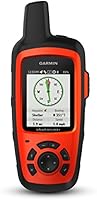
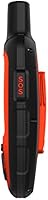
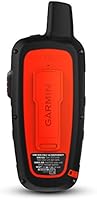
The Garmin inReach Explorer+ Satellite Communicator is built for one purpose: keeping you connected and safe when civilization is nowhere in sight. This isn't a casual trail companion — it's a serious off-grid safety device for adventurers who regularly push beyond the reach of cell towers. The backbone is the Iridium satellite network, which delivers genuine 100% global coverage, not the patchy regional service some competitors offer. One critical thing to know before buying: this handheld GPS device requires a separate satellite subscription to function. The companion Earthmate app extends its usefulness considerably, pulling in downloadable maps and aerial imagery whenever you're within Bluetooth range of your phone.
Features & Benefits
The standout capability here is two-way satellite messaging — send and receive texts from a canyon, a glacier, or the middle of the Pacific without a cell signal anywhere near you. The SOS function connects you directly to the GEOS rescue monitoring center around the clock; it's an interactive exchange, not a silent distress flare. Navigation is well-equipped: this satellite communicator carries preloaded DeLorme topo maps with onscreen routing, waypoints, and a breadcrumb trail, backed by a digital compass, barometric altimeter, and accelerometer. IPX7 water resistance means it handles river crossings and heavy downpours without fuss. Battery life sits at roughly 30 hours, though that figure shifts depending on how frequently you're pinging your location.
Best For
This satellite communicator is squarely aimed at people for whom remote travel is a regular reality, not an occasional weekend trip. Solo hikers, mountaineers, and backcountry skiers are obvious candidates, but the inReach Explorer+ is equally at home on offshore sailing routes where two-way communication and chart access matter as much as any piece of safety gear. Guided expedition teams find real value in the location-sharing and check-in messaging features, letting a base contact track progress without relying on radio. If you currently carry a personal locator beacon and find the one-way limitation frustrating, this handheld GPS device is the natural upgrade — it lets rescue teams respond interactively before they ever arrive on scene.
User Feedback
Buyers who spend serious time in the backcountry consistently credit the inReach Explorer+ for one thing above all: the confidence of knowing help is reachable even three days from a trailhead. Message delivery in truly remote locations earns strong marks. The criticisms, though, are worth knowing. The subscription cost catches many buyers off guard — it's an ongoing expense on top of an already significant upfront investment, and some find the lower-tier plans too restrictive for real expedition use. The 2.3-inch screen is serviceable but noticeably cramped when reading fine topo detail. Thirty-hour battery life is solid, though multi-day travelers routinely pack a backup charger. Bluetooth pairing has also been flagged as inconsistent on certain Android devices.
Pros
- True global satellite coverage via Iridium means no dead zones — it works where no other communicator does.
- Two-way messaging lets you have an actual conversation with rescue coordinators or family, not just send a distress ping.
- The interactive SOS connects directly to a 24/7 professional monitoring center, adding a critical layer of organized response.
- Preloaded DeLorme topo maps with onscreen routing mean you are never starting from scratch in the field.
- Built-in compass, barometric altimeter, and accelerometer give you sensor-rich navigation without carrying extra gear.
- IPX7 water resistance handles submersion up to 1 meter, so river crossings and heavy rain are not a concern.
- The Earthmate app unlocks NOAA charts and aerial imagery, significantly expanding the device's mapping capability.
- At 8 ounces, the inReach Explorer+ is light enough to carry on every trip without meaningfully adding to pack weight.
- Location tracking and sharing gives a home contact real-time visibility into your route and progress.
- The carabiner clip included in the box makes quick external attachment to a pack strap genuinely practical.
Cons
- A mandatory satellite subscription adds recurring cost that many buyers underestimate before purchasing.
- The 2.3-inch screen makes fine topo map detail hard to read, especially in bright sunlight.
- Battery life of around 30 hours sounds reasonable but drops noticeably when tracking intervals are set to high frequency.
- Multi-day expeditions will almost certainly require carrying a backup battery pack to avoid running out of power.
- Bluetooth pairing with certain Android phones has been reported as unreliable, disrupting the Earthmate app experience.
- Lower-tier subscription plans restrict message frequency and tracking intervals in ways that frustrate serious expedition users.
- The device offers no touchscreen — button-only navigation on a small display can feel slow when entering messages.
- Subscription plans can feel rigid; occasional users who go remote only a few times a year still pay for unused months.
- Initial setup and activating the satellite subscription can take longer than expected, which is poor timing if you are leaving soon.
- The comparison process between this model and the simpler SE+ is not always clear, leading some buyers to overpay or underbuy.
Ratings
The scores below reflect an AI-driven synthesis of verified global user reviews for the Garmin inReach Explorer+ Satellite Communicator, with spam, bot-submitted, and incentivized feedback actively filtered out before analysis. Each category captures what real buyers consistently praised or criticized across thousands of field-tested experiences, from Alaskan ridgelines to open-ocean passages. Both the strengths that earned loyalty and the friction points that frustrated buyers are represented transparently here.
Satellite Reliability
Two-Way Messaging
SOS & Emergency Response
Navigation & Mapping
Value for Money
Battery Life
Build Quality & Durability
Ease of Setup
Bluetooth & App Integration
Size & Portability
Tracking & Location Sharing
Weather Data Access
Screen Readability
Subscription Flexibility
Suitable for:
The Garmin inReach Explorer+ Satellite Communicator was built for people who regularly travel well beyond the reach of any cell tower — and who understand that being unreachable is not just inconvenient but potentially dangerous. Solo backcountry hikers, mountaineers, and long-distance trekkers get the most from it, particularly those who want a trusted contact at home to follow their progress in real time without relying on check-in phone calls that simply aren't possible in remote terrain. Offshore sailors and ocean cruisers are equally well-served, since this satellite communicator combines chart access, weather data, and interactive SOS into one device that works in open water. Expedition guides and search and rescue volunteers will appreciate the two-way messaging capability, which allows actual coordination rather than a silent one-way alert. If you currently carry a personal locator beacon and have ever wished you could have a back-and-forth exchange with rescue coordinators instead of just triggering a signal and waiting, the inReach Explorer+ is a meaningful and practical step up.
Not suitable for:
The Garmin inReach Explorer+ Satellite Communicator is genuinely not the right choice for casual hikers who mostly stick to well-trafficked trails within cell range — the ongoing satellite subscription cost alone makes it hard to justify for occasional weekend use. Budget-conscious buyers should go in clear-eyed: the device itself carries a premium price tag, and that is before factoring in the mandatory Iridium satellite subscription, which adds a recurring monthly or annual expense regardless of how often you actually use it. The 2.3-inch screen is workable in the field but will disappoint anyone expecting the kind of map detail you get from a dedicated trail GPS with a larger display. Travelers who rely heavily on Bluetooth-paired smartphone integration should also know that pairing stability has been inconsistent on some Android devices, which can undercut the Earthmate experience in practice. If your adventures rarely take you beyond reliable cell coverage, a standard GPS app or even a basic personal locator beacon will serve you better at a fraction of the total cost.
Specifications
- Satellite Network: Operates exclusively on the Iridium satellite constellation, providing 100% global coverage including polar regions and open ocean.
- Messaging: Supports two-way text messaging via satellite, allowing both sending and receiving of messages from anywhere on Earth.
- SOS Monitoring: Interactive SOS alerts are routed to the GEOS International Emergency Response Coordination Center, staffed 24 hours a day, 7 days a week.
- Preloaded Maps: Comes with DeLorme topographic maps pre-installed, with onscreen GPS routing, waypoints, and breadcrumb trail navigation built in.
- Navigation Sensors: Includes a built-in digital compass, barometric altimeter, and accelerometer for comprehensive sensor-assisted navigation without relying on a phone.
- Water Resistance: Rated IPX7, meaning the device can withstand submersion in up to 1 meter of water for up to 30 minutes.
- Display: Features a 2.3-inch screen with a resolution of 200 x 265 pixels, operated via physical buttons rather than a touchscreen.
- Battery Life: Rechargeable internal lithium-ion battery delivers approximately 30 hours of use, with actual duration varying based on tracking frequency and message volume.
- Connectivity: Pairs with iOS and Android smartphones via Bluetooth to access the free Earthmate app, which provides downloadable maps, U.S. NOAA charts, and aerial imagery.
- Dimensions: The device measures 1.5 x 2.7 x 6.5 inches, making it compact enough to clip to a pack strap or stow in a hip belt pocket.
- Weight: Weighs 8 ounces, which is light enough for multi-day backpacking without adding meaningful burden to a loaded pack.
- Subscription Required: A separate Iridium satellite service subscription, billed monthly or annually through Garmin, is mandatory for all messaging, SOS, and tracking functions.
- Map Type: Preloaded coverage focuses on North America via DeLorme topo maps, with additional global map data accessible through the Earthmate app.
- Tracking: Location tracking can be configured at various intervals and shared in real time with designated contacts through the Garmin MapShare portal.
- Weather: Basic weather forecast data is available on-device via satellite subscription, with more detailed forecasts accessible through the Earthmate app.
- In the Box: Package includes the device, a USB charging cable, a carabiner clip for pack attachment, and standard documentation.
- Manufacturer: Made by Garmin, a company headquartered in Olathe, Kansas, with an established track record in GPS and outdoor navigation hardware.
- Model Number: Official model number is 010-01735-10, which distinguishes the Explorer+ from the simpler inReach SE+ (model 010-01735-00) in the same product family.
Related Reviews
Garmin inReach Messenger Satellite Communicator
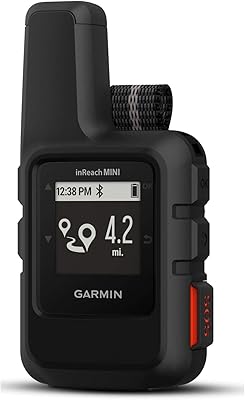
Garmin InReach Mini Satellite Communicator
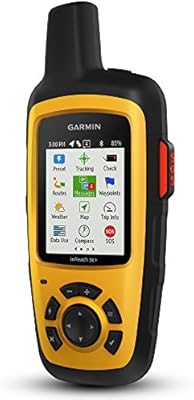
Garmin inReach SE+ Satellite Communicator
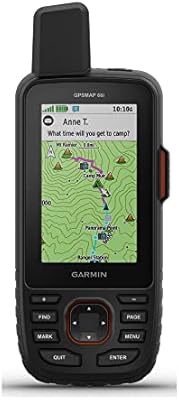
Garmin GPSMAP 66i GPS Satellite Communicator
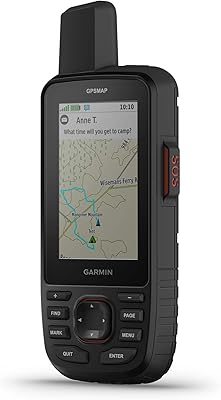
Garmin GPSMAP 67i Satellite GPS Handheld
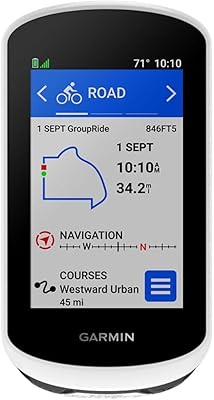
Garmin Edge Explore 2 GPS Cycling Computer
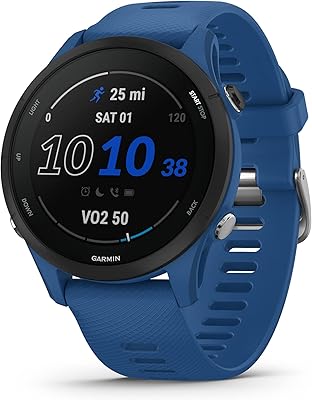
Garmin Forerunner 255 GPS Running Smartwatch
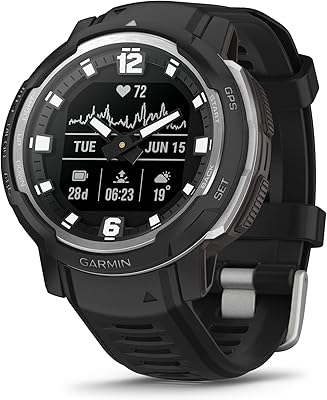
Garmin Instinct Crossover Hybrid Smartwatch
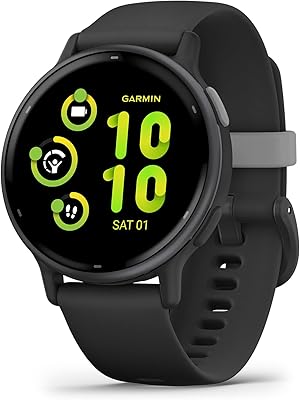
Garmin Vívoactive 5 GPS Smartwatch