Overview

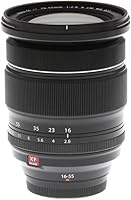
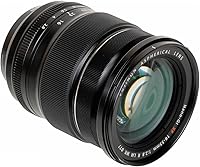
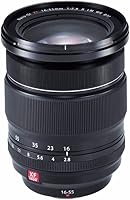
The Fujifilm XF 16-55mm F2.8 Standard Zoom Lens has been the benchmark standard zoom for X-mount shooters since its 2015 launch, and it hasn't aged poorly. Covering a 24-84mm full-frame equivalent range, it goes meaningfully wider and longer than most kit lenses, making it genuinely versatile for everyday use. The constant f/2.8 aperture is the headline feature — no shrinking to f/5.6 at the long end when light gets tricky. What you won't find is optical image stabilization, and that's worth knowing before you buy. For static subjects or well-lit scenes it rarely matters, but in low-light handheld situations, body-based IBIS on your camera becomes important. The build quality signals something made to last.
Features & Benefits

That constant f/2.8 aperture does more than just let in light — it keeps your exposure settings predictable as you zoom, which matters enormously when shooting fast-moving events or mixed lighting. The Linear Motor autofocus is impressively quick and nearly silent, a genuine advantage for video work or staying discreet at live events. Weather sealing with 14 sealing points means you can shoot through light rain or dusty environments without babying the glass, and it handles temperatures as low as -10°C. Nano-GI coating keeps contrast strong in backlit situations where lesser lenses produce washed-out haze. The internal zoom design is a practical detail that photographers working in unpredictable conditions will appreciate daily.

Best For

This Fujifilm zoom suits working photographers more than casual weekend shooters. Wedding and event photographers get the most from it — a fast aperture zoom with weather protection is exactly what you want when you're on assignment and can't control the environment. Street photographers and travelers who want a single versatile lens will find the range practical, though at 655g, it's not the lightest companion for a long day on foot. Documentary and portrait shooters will appreciate how the 55mm end renders subjects with natural compression. For video work, the near-silent autofocus and consistent exposure during zooming make it dependable. If you're upgrading from the XF 18-55mm kit lens, the optical improvement is immediately noticeable.

User Feedback

Owners of the XF 16-55mm f/2.8 consistently praise its sharpness across the frame and the confidence that comes from shooting in difficult weather. Long-term users frequently note that the weather sealing holds up through years of real professional use, not just occasional drizzle. The most common criticism is weight — at 655g, it's noticeably heavier than other X-mount options, and some photographers report fatigue during extended shoots. The absence of OIS draws mixed reactions; users pairing it with an IBIS-equipped body rarely miss it, but those on older Fujifilm bodies feel the limitation more acutely. Compared to the kit alternative, most agree the optical quality jump is real and justifies the investment for anyone shooting professionally.

Pros

  • Constant f/2.8 aperture across the entire zoom range keeps exposure consistent in changing light.
  • Weather sealing with 14 points holds up through rain, dust, and cold down to -10°C.
  • Linear Motor autofocus is fast and near-silent, making it reliable for both stills and video.
  • Nano-GI coating handles backlit and high-contrast scenes with noticeably reduced flare.
  • The 9-blade aperture produces smooth, rounded bokeh that flatters portrait and close-up work.
  • Internal zoom design means the lens barrel never extends, keeping balance consistent.
  • The 24-84mm full-frame equivalent range covers a wide variety of shooting scenarios in one lens.
  • Long-term owners consistently report the build quality holds up through years of heavy professional use.
  • Optical sharpness is a clear step above the kit zoom, noticeable even at first use.

Cons

  • No optical image stabilization, which is a real limitation on older Fujifilm bodies without IBIS.
  • At 655g, it is one of the heaviest lenses in the X-mount lineup and causes fatigue on long shooting days.
  • The physical size is bulky relative to what Fujifilm shooters typically expect from a mirrorless system.
  • Maximum magnification of 0.16x makes it a poor choice for close-up or detail photography.
  • The 77mm filter thread means filters and accessories cost more than smaller-diameter alternatives.
  • No zoom lock switch, which some photographers prefer when carrying the lens pointed downward.
  • The price point is a significant commitment for shooters who are not yet sure about the X-mount system.
  • Does not cover telephoto needs beyond 55mm, so a second lens is still necessary for reach.
  • Pairs awkwardly with very compact Fujifilm bodies, creating a front-heavy, unbalanced handling experience.

Ratings

Our AI has analyzed thousands of verified owner reviews for the Fujifilm XF 16-55mm F2.8 Standard Zoom Lens from buyers worldwide, actively filtering out incentivized, duplicate, and bot-generated submissions to surface what real photographers actually experience. The scores below reflect an honest synthesis of long-term ownership feedback, capturing both the areas where this standard zoom genuinely excels and the trade-offs that give some buyers pause.

Optical Sharpness
94%
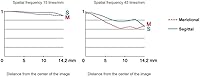
Owners consistently report that the XF 16-55mm f/2.8 resolves fine detail with impressive clarity even at its widest aperture, which is not a given for fast zoom lenses. Wedding photographers in particular note that images hold up beautifully when cropped or printed large, with edge-to-edge sharpness that rivals many prime lenses.
A small number of users observe very slight softness in the extreme corners at 16mm and f/2.8, though this is largely a non-issue for most real-world shooting scenarios and corrects noticeably by f/4.
Build Quality
96%
The all-metal construction and tight tolerances draw near-universal praise from long-term owners, many of whom report years of heavy professional use without any loosening of the zoom ring, wobble, or cosmetic degradation. It feels like a tool built to outlast multiple camera bodies, which is exactly what working photographers need.
The premium build comes with a weight penalty that a handful of users find fatiguing during long shoot days, and the large physical size can feel disproportionate when mounted on smaller X-mount bodies.
Weather Sealing
92%
Outdoor and event photographers frequently highlight the weather sealing as a genuine confidence booster, citing real-world use in rain, sea spray, and dusty festival environments without any issues. The 14-point sealing design holds up over time, with long-term owners reporting no degradation in protection after years of field use.
A few users note that the sealing only reaches its full potential when paired with a weather-resistant camera body, and those shooting on non-sealed bodies occasionally worry about the seal mismatch at the mount point.
Autofocus Speed
88%
The Linear Motor system earns consistent praise for its snap-fast response in good light, with event and street photographers noting that it rarely hunts or hesitates on moving subjects. Video shooters particularly value how confidently it tracks subjects without the jerky focus breathing that can plague other zoom lenses.
In lower contrast or dimly lit environments, a portion of users report that the autofocus slows down more than expected, occasionally struggling to lock on to subjects in dark reception venues or shadowed street scenes.
Portability & Weight
51%
49%
Photographers who primarily shoot from a bag or a vehicle find the weight less of a concern, and those who invested in a comfortable camera strap system report adapting to it reasonably well over time.
At 655g, this is one of the heavier lenses in the X-mount lineup, and it draws the most consistent criticism from travel photographers and street shooters who expected a lighter kit. Carrying it all day in a city or on a hiking trail is genuinely tiring, and it partially undermines the portability appeal of the Fujifilm system for some buyers.
Image Stabilization
47%
53%
Photographers shooting on IBIS-equipped Fujifilm bodies like the X-H2 or X-S10 report that the lack of in-lens OIS is effectively a non-issue, as sensor stabilization compensates well across a wide range of shooting speeds.
For users on older or entry-level bodies without IBIS, the absence of optical stabilization is a real and frequently mentioned limitation, particularly for handheld video and low-light photography below 1/60s. It remains the single most debated trade-off for buyers considering this lens, and it does affect real-world usability in a meaningful way for a segment of the user base.
Bokeh Quality
83%
Portrait photographers appreciate the smooth, rounded out-of-focus rendering produced by the 9-blade aperture, especially at the 55mm end where subject separation becomes more pronounced. Background elements blur in a pleasing, circular pattern rather than the harsh geometric shapes seen in lenses with fewer blades.
At wider focal lengths and moderate shooting distances, background separation is naturally more limited by physics, and a few users feel that dedicated portrait prime lenses produce more dramatic bokeh for isolated subject work.
Flare & Contrast
87%
The Nano-GI coating draws specific praise from photographers who frequently shoot into the light or in environments with strong artificial lighting, such as stage performers or backlit landscapes. Contrast holds up well in scenes where lesser lenses would show a noticeable veil of haze or washed-out midtones.
In extreme backlit situations with the sun directly in frame, a small number of users note that some ghosting artifacts are still visible, though most agree this is within acceptable limits for a zoom lens in this class.
Video Performance
84%
Content creators and hybrid shooters highlight the near-silent autofocus as a standout trait, allowing run-and-gun shooting without distracting focus noise in the audio track. The constant aperture also means exposure stays stable during zoom pulls, which is a practical advantage in documentary and interview settings.
Some videographers note that focus breathing — a slight shift in framing as the lens refocuses — is present and visible in certain situations, which can be distracting in critical video work without additional correction in post.
Zoom Range Versatility
89%
The 24-84mm full-frame equivalent range covers an impressive spread of everyday scenarios, from environmental wide shots to flattering mid-telephoto portraits, making it a credible one-lens solution for event coverage, travel reporting, and documentary work.
Photographers who shoot wildlife, sports, or compressed landscape scenes will find the 55mm long end insufficient, requiring a second lens to fill that gap. It is not a weakness of the lens so much as a boundary of the zoom category itself.
Value for Money
73%
27%
Owners who use it professionally tend to view the investment as justified given the build quality, optical output, and longevity, noting that it has held its value well over the years and continues to perform against newer alternatives.
Hobbyist and enthusiast buyers more frequently question whether the premium is warranted for their shooting frequency, especially when comparing the optical gap between it and the more affordable kit zoom. For non-professional use, the cost-to-benefit ratio is genuinely harder to defend.
Minimum Focus Distance
66%
34%
For a standard zoom lens, the 30cm minimum focus distance at the wide end is reasonably close and allows environmental product shots and detail photography without needing a dedicated macro lens for casual use.
The 0.16x maximum magnification is modest and disappoints users hoping to get true close-up capability from this lens. Photographers who regularly need to isolate small subjects or fill the frame with fine details will find it limiting and will need a separate macro solution.
Handling & Ergonomics
78%
22%
The zoom and aperture rings are well-damped and move with a satisfying, precise action that photographers upgrading from kit glass notice immediately. The internal zoom design means there is no barrel extension to snag on a camera bag or clothing during fast-paced shooting.
The sheer diameter of the lens makes one-handed operation less comfortable than smaller X-mount options, and the 77mm filter thread adds a noticeable cost and weight burden for photographers who rely on polarizers or ND filters regularly.
Long-Term Durability
93%
Multi-year owners are notably vocal about how well this lens holds up under sustained professional workloads, with many reporting no mechanical or optical degradation after thousands of shooting hours. The confidence it inspires as a working tool is a recurring theme in long-term ownership reviews.
The lens hood, while included, receives occasional criticism for feeling slightly less premium than the barrel itself, with a few users reporting that the bayonet mount loosens over time with repeated attachment and removal.

Suitable for:

The Fujifilm XF 16-55mm F2.8 Standard Zoom Lens was built for photographers who shoot professionally or with professional intent, and that context shapes exactly who gets the most out of it. Wedding and event photographers will find it particularly well-suited to their needs — the constant f/2.8 aperture handles dimly lit reception halls and outdoor ceremonies without forcing you to push ISO into uncomfortable territory, and the weather sealing means an unexpected downpour doesn't end your shoot. Photojournalists and documentary shooters benefit from the near-silent autofocus and the reliable 24-84mm equivalent range that covers most storytelling situations without a lens swap. If you shoot video on a Fujifilm body, the linear motor focus system is quiet enough to use without a follow focus rig in quieter environments. Photographers upgrading from a kit lens who want to invest in glass that will outlast several camera bodies will find this standard zoom a smart long-term choice.
Not suitable for:

The Fujifilm XF 16-55mm F2.8 Standard Zoom Lens is a harder sell for photographers whose priorities lean toward portability, discretion, or budget-conscious versatility. At 655g, it tips the balance of any X-mount body noticeably — if you bought into the Fujifilm system partly because you wanted a lighter kit for travel or everyday carry, this lens works against that goal. Shooters who rely heavily on handheld video or slow-shutter photography in low light will feel the absence of optical image stabilization, especially on older Fujifilm bodies that lack in-body stabilization. Hobbyist photographers who shoot primarily in good light and don't need weather sealing may find that the XF 18-55mm kit lens or a compact prime covers their needs at a fraction of the investment. It is also not the right tool for photographers who need macro capability or reach beyond the 55mm end, as the maximum magnification is modest and there is no substituting focal length here.
Specifications

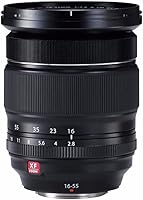
  • Focal Length: Covers 16-55mm, equivalent to 24-84mm on a full-frame camera when used with Fujifilm X-mount APS-C bodies.
  • Max Aperture: Maintains a constant f/2.8 maximum aperture throughout the entire zoom range.
  • Min Aperture: Stops down to a minimum aperture of f/22 for maximum depth of field when needed.
  • Lens Mount: Designed exclusively for the Fujifilm X-mount system and is not compatible with other camera mounts.
  • Autofocus: Uses a Linear Motor (LM) drive system for fast, near-silent autofocus performance during both stills and video shooting.
  • Weather Sealing: Features 14 individual sealing points throughout the barrel, providing resistance to dust, moisture, and splashing water.
  • Temperature Range: Rated for operation in temperatures as low as -10°C, making it suitable for cold-weather outdoor shooting.
  • Aperture Blades: Equipped with 9 rounded aperture blades to produce smooth, circular bokeh at wide aperture settings.
  • Min Focus Distance: Focuses as close as 30cm at the wide end and 40cm at the telephoto end in normal shooting mode.
  • Max Magnification: Achieves a maximum magnification ratio of 0.16x at the telephoto end of the zoom range.
  • Optical Coating: Nano-GI (Nano Gradient Index) coating is applied to reduce ghosting and lens flare in high-contrast and backlit conditions.
  • Stabilization: This lens does not include optical image stabilization and relies on in-body stabilization if the camera body supports it.
  • Filter Thread: Accepts 77mm screw-on filters, including polarizers, ND filters, and UV protective glass.
  • Weight: Weighs 655g (approximately 1.44 lbs) excluding lens caps and the included lens hood.
  • Dimensions: Measures 4.17 inches in length with a barrel diameter of 3.27 inches when not extended.
  • Zoom Design: Uses an internal zoom mechanism that keeps the physical length of the barrel constant regardless of focal length selected.
  • Angle of View: Provides an angle of view ranging from 83.2 degrees at the wide end to 29 degrees at the telephoto end.
  • Manufacturer: Produced by Fujifilm under the Fujinon optical brand, with the model designation XF16-55mmF2.8 R LM WR.

Related Reviews
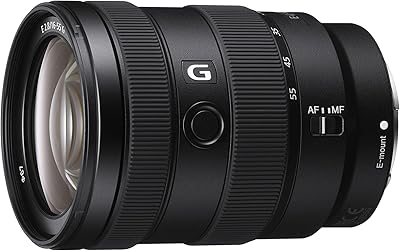
Sony SEL1655G 16-55mm F2.8 Standard Zoom Lens
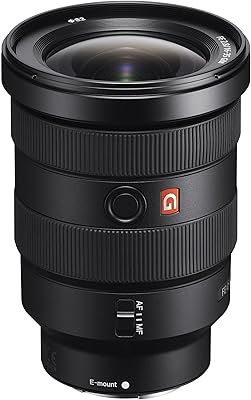
81%
94%
Optical Sharpness
91%
Autofocus Performance
93%
Aperture Consistency
88%
Bokeh Quality
89%
Build Quality
More
Sony FE 16-35mm F2.8 GM Zoom Lens
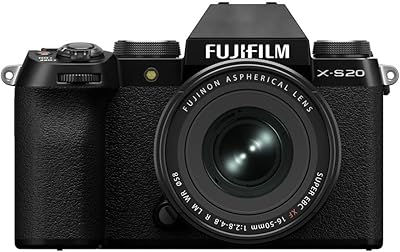
82%
94%
Optical Sharpness
91%
Aperture Consistency
89%
Autofocus Performance
88%
Build Quality & Weather Sealing
86%
Distortion Control
More
Fujifilm X-S20 XF16-50mm Mirrorless Camera Kit
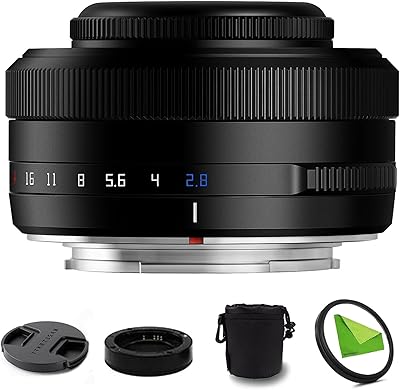
80%
91%
Image Quality
94%
Film Simulations & Color Science
88%
In-Body Image Stabilization
86%
Video Capability
67%
Autofocus Performance
More
TTArtisan AF 27mm F2.8 XF-Mount Autofocus Lens
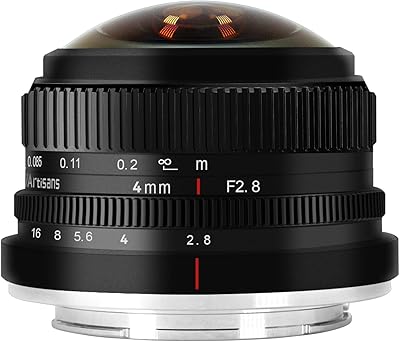
80%
78%
Autofocus Speed
74%
Autofocus Accuracy
83%
Optical Sharpness
81%
Bokeh Quality
71%
Build Quality
More
7Artisans 4mm F2.8 Fisheye Lens
77%
86%
Build Quality
91%
Value for Money
71%
Image Sharpness
63%
Optical Aberrations
58%
Ease of Use
More
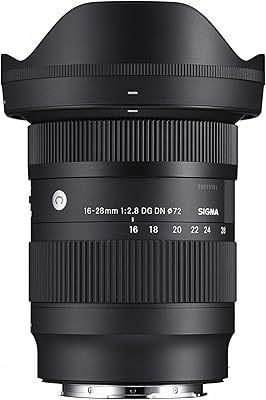
Sigma 16-28mm F2.8 DG DN Wide-Angle Lens
81%
91%
Optical Sharpness
74%
Distortion Control
88%
Autofocus Performance
86%
Build Quality & Weather Resistance
89%
Size & Portability
More
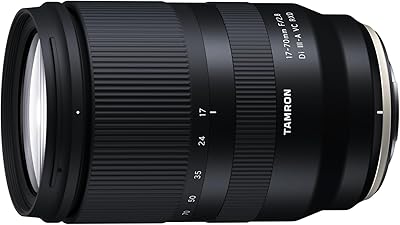
Tamron 17-70mm F/2.8 Di III-A Zoom Lens
81%
88%
Optical Sharpness
93%
Aperture Performance
84%
Autofocus Speed & Accuracy
87%
Image Stabilization
71%
Video Usability
More
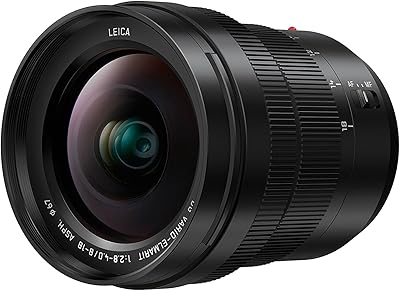
Panasonic Leica DG 8-18mm Wide-Angle Zoom Lens
82%
91%
Image Sharpness
93%
Build Quality
89%
Video Performance
67%
Low-Light Performance
69%
Value for Money
More
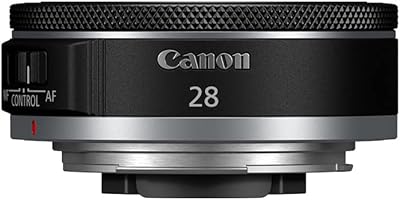
Canon RF 28mm F2.8 STM Wide-Angle Lens
79%
96%
Portability & Form Factor
78%
Image Sharpness
82%
Autofocus Performance
91%
Video Usability
58%
Build Quality
More
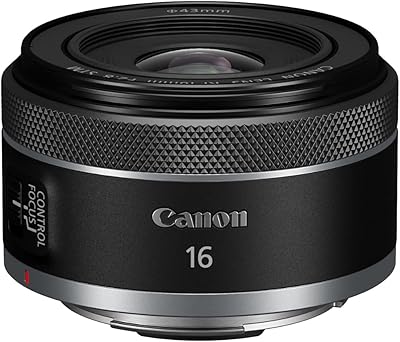
Canon RF 16mm F2.8 STM Lens
78%
78%
Image Sharpness
83%
Autofocus Performance
61%
Build Quality
82%
Value for Money
94%
Portability & Size
More
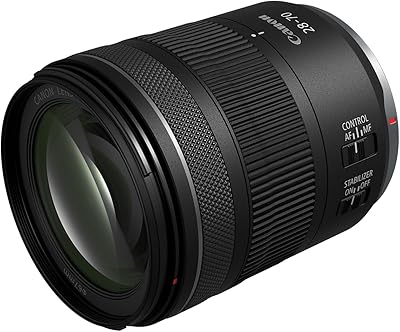
Canon RF 28-70mm F2.8 IS STM Lens
81%
91%
Image Sharpness
67%
Autofocus Performance
88%
Build Quality & Durability
76%
Image Stabilization
94%
Size & Portability
More

FAQ

It works with any camera that uses the Fujifilm X-mount, which covers the vast majority of Fujifilm mirrorless bodies including the X-T, X-S, X-H, and X-Pro series. It will not fit GFX medium format bodies or any non-Fujifilm camera system.

It depends significantly on your camera body and shooting style. If you shoot on a body with in-body image stabilization (IBIS), like the X-H2 or X-S10, the absence of OIS in the lens is largely a non-issue since the sensor stabilization compensates well. On older bodies without IBIS, such as the X-T2 or X-Pro2, you will need to be more deliberate about shutter speed in low light, particularly when shooting handheld at slower speeds. For static subjects, the constant f/2.8 aperture lets you use faster shutter speeds that offset the lack of stabilization anyway.

The differences are meaningful for serious shooters. The XF 16-55mm f/2.8 holds a constant f/2.8 across the full range, while the 18-55mm starts at f/2.8 but narrows to f/4 at the long end. The 16-55mm also adds weather sealing, a slightly wider field of view, and noticeably better sharpness and contrast. The trade-off is that it is heavier and larger, so it really comes down to whether your photography demands that extra performance.

Yes, and it is genuinely well-suited to video work. The Linear Motor autofocus is quiet enough that it does not bleed into recorded audio in most situations, and the constant f/2.8 aperture means your exposure stays consistent as you zoom during a shot. The internal zoom design is also useful because the lens does not physically extend, which eliminates any risk of front-element movement affecting a mounted microphone or matte box.

The 14 sealing points make it genuinely resistant to light to moderate rain and dusty environments, and many photographers use it confidently in those conditions. That said, it is rated weather-resistant rather than waterproof, so sustained exposure to heavy downpours or water submersion is beyond its design intent. Pairing it with a weather-sealed Fujifilm body gives you the full benefit of the protection.

Honestly, it is front-heavy on compact bodies like the X-T30 or X-E series. At 655g, the lens outweighs many of those camera bodies, and extended shooting can feel unbalanced or tiring. It pairs most comfortably with larger bodies like the X-T4, X-H2, or X-T5, which provide a better grip and more balanced weight distribution.

It takes 77mm screw-on filters, which is a common size for professional lenses. Circular polarizers, variable ND filters for video, and UV protectors all work well. One thing to note is that 77mm filters are on the larger and more expensive end of the spectrum, so factor that into your total kit budget if filters are part of your workflow.

It is genuinely sharp at f/2.8, which is a meaningful distinction from some fast zoom lenses that require stopping down to f/4 or f/5.6 before they resolve cleanly. Center sharpness at wide open is excellent, and corner performance is strong across the zoom range. There is modest improvement through f/5.6 to f/8, as expected, but shooting wide open is not a compromise here.

Yes, the lens hood is included in the box. It is a petal-style hood that attaches via a bayonet mount and does a solid job reducing stray light and providing some physical protection to the front element. Given the Nano-GI coating already handles flare quite well, the hood is more of a useful safeguard than a necessity, but it is worth keeping on in most situations.

Long-term owners are generally very positive about its durability. The metal barrel and robust construction mean it does not develop the creaks or loose tolerances that some lenses show after heavy use, and the weather sealing continues to perform well without obvious degradation. It is the kind of lens that photographers tend to keep through multiple camera body upgrades precisely because the build quality justifies the long-term investment.