Overview

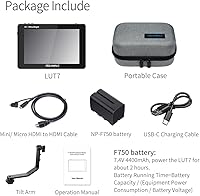
The FEELWORLD LUT7 7″ Field Monitor sits in a competitive mid-range bracket aimed squarely at indie filmmakers and DSLR or mirrorless shooters who need reliable on-set monitoring without spending flagship money. What separates it from similarly priced rivals is its 2200nit brightness rating — a figure that genuinely matters when framing shots under direct sunlight. The bundle is also worth noting: a battery, carry bag, tilt arm, and HDMI cable are all included, getting you shooting faster without a separate accessories run. The touchscreen interface replaces the fiddly button arrays common on older monitors, making it a practical choice for run-and-gun videographers and on-location directors working alone.

Features & Benefits

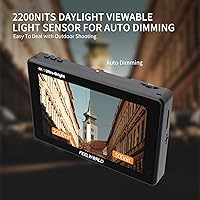
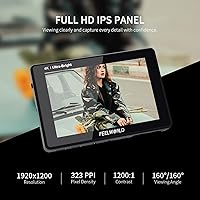
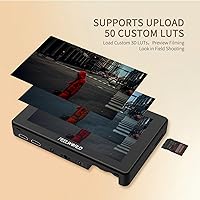
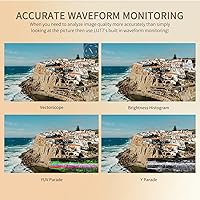
The panel runs at 1920x1200 on a 16:10 ratio, giving you slightly more vertical real estate than a standard 16:9 screen — useful when checking composition near frame edges. The ambient light sensor is a thoughtful addition: brightness adjusts automatically as you move between indoor and outdoor environments, sparing you constant manual menu adjustments. Loading custom 3D LUTs lets you preview LOG footage in your intended color grade on-set, which cuts meaningful time from post-production guesswork. The scope suite covers waveform, false color, vectorscope, and more, giving operators proper tools for exposure checks. HDMI handles 4K input up to 4Kp30, and a 3.5mm headphone jack allows audio monitoring directly from the unit.

Best For

This on-camera monitor is a strong pick for outdoor documentary and event videographers — anyone who has had to guess exposure because their screen washed out in afternoon sun will appreciate what 2200nit daylight visibility actually changes on a real shoot. Solo operators will find the touch interface a genuine advantage when repositioning quickly between takes. Filmmakers working with LOG profiles benefit directly from the LUT preview capability, removing the guesswork from on-set exposure decisions. The ¼″ mount points on three sides and the 360° tilt arm make rig integration straightforward. It is also a smart choice for anyone building out a professional monitoring kit on a tighter budget without dropping essential tools.

User Feedback

Buyers most frequently highlight the brightness as living up to its claims — multiple reviewers mention shooting outdoors without a hood and still reading the image clearly, which is meaningful real-world validation. On the downside, the plastic construction draws consistent criticism; it feels light in hand, and shooters who work in rough conditions express concern about long-term durability. Touch responsiveness earns mixed marks — generally usable, but some users note occasional lag when navigating menus in a hurry. The bundled accessories are received positively overall; the F750 battery and carry bag are regarded as genuinely useful rather than padding. A handful of buyers have flagged HDMI compatibility hiccups with specific cameras, so verifying your signal chain before a critical job is advisable.

Pros

  • The 2200nit brightness is genuinely usable in direct sunlight without a hood, which is rare at this price point.
  • An ambient light sensor automatically adjusts screen brightness as conditions change, saving time during transitions.
  • The 1920x1200 resolution on a 16:10 panel delivers noticeably sharper detail than standard 1080p field monitors.
  • 3D LUT support lets filmmakers preview LOG footage in a finished color grade right on set.
  • The full scope suite — waveform, false color, vectorscope, and more — covers every professional exposure and focus tool you actually need.
  • Touchscreen navigation is significantly faster than button-based menus when making quick adjustments mid-shoot.
  • The bundled F750 battery, tilt arm, carry bag, and HDMI cable represent genuine out-of-the-box value.
  • Three-sided ¼″ mount points and a 360° tilt arm make rig integration flexible and straightforward.
  • At its price tier, this on-camera monitor offers a monitoring toolkit that would cost considerably more if purchased piecemeal.
  • Ranked among the top sellers in its category, reflecting a consistently positive reception from a broad base of working videographers.

Cons

  • The all-plastic build feels noticeably light and raises legitimate concerns about long-term durability in rough field conditions.
  • HDMI input tops out at 4Kp30, which rules this field monitor out for higher-framerate 4K workflows.
  • Touch sensitivity can feel sluggish under pressure, with some users reporting lag when navigating menus quickly on location.
  • HDMI compatibility issues have been flagged with select camera models, making signal chain testing before critical shoots essential.
  • The glossy screen surface can introduce reflections in certain lighting conditions, partially undermining the brightness advantage.
  • No battery charger or power adapter is included in the bundle despite the battery being listed as a key accessory.
  • The contrast ratio of 1200:1 is adequate but noticeably average compared to higher-end monitors in adjacent price brackets.
  • Menu organization has a learning curve that some users find unintuitive, particularly when configuring scopes for the first time.

Ratings

Our AI rating system analyzed thousands of verified global buyer reviews for the FEELWORLD LUT7 7″ Field Monitor, actively filtering out incentivized, bot-generated, and duplicate submissions to surface what real shooters genuinely think. The scores below reflect a transparent picture of where this on-camera monitor earns its place and where it falls short — no cherry-picking, no padding. Both the standout strengths and the recurring frustrations are weighted honestly into every category.

Daylight Visibility
91%
Outdoor shooters consistently report that the 2200nit panel is one of the few in this price range that delivers on its brightness claims under real sunlit conditions. Event videographers and documentary crews working midday shoots frequently cite this as the single reason they chose the LUT7 over cheaper alternatives.
A small number of users note that in extreme overhead sunlight — think midday beach or desert shoots — a hood still improves comfort. The glossy screen surface can also introduce reflections that partially undercut the brightness advantage in certain angles.
Image Clarity
84%
The 1920x1200 resolution on a 16:10 panel gives this field monitor a noticeable sharpness edge over 1080p rivals at a similar price. Reviewers checking critical focus during close-up or telephoto work appreciate the extra pixel density when using focus peaking or zoom assist.
Color accuracy, while adequate for monitoring purposes, does not match the calibrated panels found on higher-end professional monitors. Colorists who need to make critical grading decisions directly on-screen rather than just previewing LUTs may find the panel limiting.
Build Quality
53%
47%
The lightweight plastic shell does make the monitor easy to mount without unbalancing a camera rig, and for studio or controlled-environment shooters the construction is not a daily problem. Some buyers running light documentary setups report using it for extended periods without incident.
The all-plastic build is the most commonly cited frustration across buyer reviews, with multiple users describing it as feeling fragile relative to what a field tool should endure. Shooters working in dusty, wet-adjacent, or high-contact environments consistently flag concerns about long-term durability.
Touchscreen Usability
71%
29%
For basic navigation — toggling scopes, switching inputs, adjusting brightness — the touchscreen is a genuine improvement over the cramped button arrays on older monitors in this class. Solo operators who need to make quick on-the-fly changes during a shoot find it noticeably faster to use.
Touch response lag surfaces as a recurring complaint in reviews, particularly when navigating deeper menu layers under time pressure on set. A handful of buyers also report occasional mis-registrations on small touch targets, which becomes frustrating when adjusting tools like focus peaking mid-take.
Monitoring Scope Suite
88%
The breadth of tools available — waveform, false color, vectorscope, RGB parade, histogram, zebra, and focus peaking — is genuinely impressive for a monitor at this price point. Indie cinematographers shooting LOG profiles report that having all of these tools in one unit removes the need for a separate monitoring solution on lower-budget productions.
While the scopes are plentiful, some experienced operators find the accuracy and calibration of tools like the vectorscope slightly less reliable than what professional-grade monitors deliver. The scope overlays can also feel visually busy on a 7-inch screen when multiple tools are active simultaneously.
3D LUT Support
83%
The ability to load custom LUTs for on-set LOG preview is a feature that filmmakers at this budget level genuinely value, and buyers who use it regularly describe it as one of the most workflow-improving aspects of the LUT7. Previewing a grade in real time on location helps with lighting and exposure decisions that would otherwise require guesswork.
The LUT loading process has a learning curve, and first-time users frequently report confusion navigating the menu to import files correctly. There is no indication of how many LUT slots are available simultaneously, which has caught some users off guard mid-production.
HDMI Connectivity
67%
33%
For the majority of DSLR and mirrorless shooters outputting 4K at 24 or 30fps, the HDMI input handles signals cleanly and the loopthrough output is a useful addition for feeding a second display or recorder on set. The included HDMI cable covers both Mini and Micro adapter configurations, which is a thoughtful bundle inclusion.
The 4Kp30 ceiling is a hard limitation that rules this monitor out for shooters working with higher frame rates, and several buyers have discovered this incompatibility only after purchase. A small but consistent group of reviewers also report intermittent signal dropout or handshake failures with specific camera brands, suggesting the HDMI implementation is not universally reliable.
Value for Money
86%
Buyers who take stock of what is included in the box — monitor, battery, carry bag, tilt arm, and HDMI cable — consistently rate the overall package as strong value for the category. For someone building a monitoring kit from scratch, this bundle approach meaningfully reduces the total cost of getting operational on a shoot.
Buyers who already own batteries, bags, or arms may feel they are paying a slight premium for bundled items they do not need. At the same time, anyone comparing this against a bare-bones competitor at a lower price point should weigh the plastic build and scope accuracy limitations before assuming the bundle justifies the gap.
Mounting & Rig Integration
82%
18%
Three-sided ¼″ mount points give camera operators genuine flexibility when attaching this field monitor to different rig configurations, and the 360° tilt arm is consistently praised for its range of motion when dialing in viewing angles. Shooters using shoulder rigs or articulating arms find the setup process quick and relatively tool-free.
The tilt arm tension can loosen with repeated repositioning over time, and a few reviewers note that the arm feels less rigid than dedicated third-party options at a similar cost. Users building heavier accessory rigs also occasionally report that the mount points feel slightly underbuilt for high-torque configurations.
Ambient Light Sensor
78%
22%
The automatic brightness adjustment is a feature that reviewers genuinely appreciate in mixed-lighting environments, particularly when moving between shaded interiors and bright exteriors during event coverage. It reduces the number of manual menu interventions needed during a dynamic shoot.
Some users report that the sensor can overcorrect in rapidly changing light conditions, causing noticeable brightness fluctuations mid-shot that are distracting when reviewing footage on the monitor. A manual override is available, but the sensor behavior in edge cases is not always predictable.
Audio Monitoring
72%
28%
Having a 3.5mm headphone jack directly on the monitor is a practical addition for solo shooters who want to check audio levels without a separate recorder, and the audio meter scope provides a visual confirmation alongside the headphone output. Reviewers who shoot interviews or event video find this a useful consolidation of tools.
The audio monitoring capability is basic — it passes through the camera signal but offers limited control over levels or channel routing directly from the monitor. For shooters with more complex audio setups involving multiple channels, this function serves as a quick check rather than a primary monitoring solution.
Menu & Interface Design
64%
36%
The touchscreen menu is organized logically enough for experienced monitor users to find their footing within a session or two, and the elimination of physical buttons is a genuine usability step forward from older FEELWORLD designs. Reviewers who invest time in initial setup generally report a smoother ongoing experience.
First-time field monitor users frequently describe the menu structure as unintuitive, with scope settings and LUT management buried in non-obvious locations. The manual is functional but thin on detail, which means many buyers turn to third-party tutorial videos to get the most out of the interface.
Portability & Form Factor
81%
19%
At 460g and with a relatively slim 27mm depth profile, this on-camera monitor strikes a practical balance between screen size and portability. Shooters who hand-carry gear between locations or work with smaller mirrorless systems appreciate that it does not add oppressive weight to a rig.
The 16:10 aspect ratio, while beneficial for scope visibility, means the monitor does not sit flush against 16:9 camera bodies as neatly as some competitors. A few users also note that the plastic frame adds some bulk compared to metal-framed monitors of similar screen size.

Suitable for:

The FEELWORLD LUT7 7″ Field Monitor is a strong fit for outdoor documentary filmmakers, event videographers, and content creators who regularly shoot in bright, uncontrolled lighting conditions where a dim screen becomes genuinely unusable. The 2200nit panel is the main reason to choose this over cheaper rivals, and anyone who has squinted at a washed-out monitor on a sunny location will understand exactly why that matters. Solo shooters benefit particularly well here — the touchscreen interface keeps pace with fast-changing setups without requiring a free hand to navigate menus. Cinematographers and camera operators working with LOG profiles get real on-set value from the 3D LUT loading capability, since previewing a grade in the field reduces costly guesswork in post. The included accessories — battery, tilt arm, carry bag, and HDMI cable — also make this a practical first field monitor purchase for someone building out a kit from scratch without buying everything separately.

Not suitable for:

The FEELWORLD LUT7 7″ Field Monitor is not the right choice for shooters who prioritize build durability above all else; the all-plastic chassis is a real limitation for professionals working in harsh field conditions, on action shoots, or anywhere the monitor is likely to take repeated knocks. If you are shooting 4K above 30fps — common on high-end narrative or sports productions — the HDMI input cap of 4Kp30 will be a hard stop. Buyers who need a monitor primarily for a controlled studio environment will find the 2200nit brightness spec largely irrelevant and may be better served by a unit with superior color accuracy, a higher contrast ratio, or a metal build at a comparable price. Those with older cameras or non-standard signal outputs should verify HDMI compatibility in advance, as some buyers have reported handshake issues. Finally, professional cinematographers accustomed to flagship monitors from SmallHD or Atomos will likely find the touch responsiveness and overall fit-and-finish underwhelming by comparison.

Specifications

  • Screen Size: The panel measures 7 inches diagonally, providing a practical viewing area large enough for confident focus and exposure checks without adding excessive weight to a rig.
  • Resolution: Native resolution is 1920x1200 pixels (UXGA Wide), which exceeds standard 1080p and delivers noticeably sharper detail for critical monitoring work.
  • Aspect Ratio: The 16:10 aspect ratio offers slightly more vertical screen space than a conventional 16:9 display, useful for checking frame edges and on-screen scopes simultaneously.
  • Brightness: Peak brightness is rated at 2200 cd/m², making the screen readable in direct sunlight without requiring a monitor hood under typical outdoor conditions.
  • Light Sensor: A built-in ambient light sensor automatically adjusts screen brightness to suit changing lighting conditions, reducing the need for manual menu intervention on location.
  • Contrast Ratio: The contrast ratio is 1200:1, which is adequate for field monitoring purposes though not exceptional compared to higher-end professional display panels.
  • Touch Screen: The display uses a touchscreen interface that replaces traditional physical button navigation, allowing direct on-screen menu interaction and faster adjustments during a shoot.
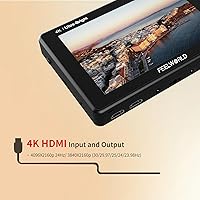
  • HDMI Input: Accepts HDMI video signals up to 4K at 30fps, covering the most common output formats from DSLR, mirrorless, and cinema cameras used in this market segment.
  • HDMI Output: An HDMI output port allows the signal to be looped through to an additional display or recording device simultaneously.
  • Audio Output: A 3.5mm stereo headphone jack enables direct audio monitoring from the connected camera signal without requiring a separate audio device.
  • DC Output: The unit provides an 8.4V DC output port, which can be used to power compatible accessories or a connected camera directly from the monitor.
  • Dimensions: The unit measures 190x126x27 mm, keeping the footprint compact enough for on-camera mounting without significantly unbalancing a typical DSLR or mirrorless setup.
  • Weight: The monitor weighs 460g, which is manageable for shoulder rigs and articulating arms but worth accounting for in handheld or gimbal configurations.
  • Shell Material: The outer chassis is constructed from plastic, which keeps weight low but may raise durability concerns for shooters working in demanding field environments.
  • Mount Points: Standard ¼″ threaded mount points are located on the bottom, left, and right sides of the frame, enabling flexible attachment to cameras, rigs, and accessory arms.
  • Tilt Arm: The included tilt arm supports 360° rotation, allowing the screen to be repositioned to the optimal viewing angle without removing the monitor from its mount.
  • 3D LUT Support: The monitor accepts user-loaded 3D LUT files, enabling on-set preview of LOG footage in a target color grade without requiring a separate grading device.
  • Monitoring Scopes: Built-in professional scopes include waveform, RGB parade, vectorscope, histogram, RGB histogram, audio meter, false color, focus peaking, zebra, and frame guides.
  • Bundle Contents: The retail package includes the monitor, one F750 battery, a carry bag, a tilt arm, a Mini/Micro HDMI to HDMI cable, and a printed manual.
  • Best Sellers Rank: The LUT7 holds a ranking of number 18 in the Video Monitors category on Amazon, reflecting consistent buyer volume and sustained market demand since its release.

Related Reviews
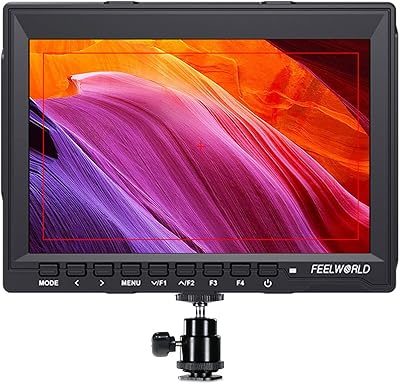
Feelworld FW759 7″ Field Monitor
72%
83%
Image Clarity
58%
Brightness & Outdoor Usability
81%
Focus Peaking Performance
89%
Portability & Form Factor
54%
Build Quality & Durability
More
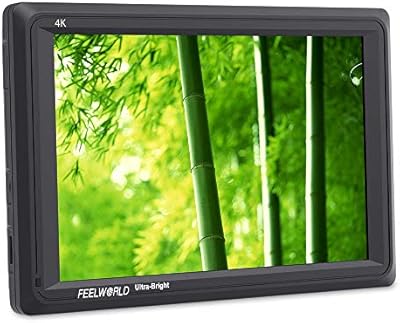
FEELWORLD FW279 7-Inch Field Monitor
77%
93%
Outdoor Brightness
88%
Panel Sharpness & Clarity
71%
Color Accuracy
67%
Build Quality & Durability
84%
Mounting Flexibility
More
NEEWER F700 7″ Field Monitor
78%
91%
Outdoor Visibility
86%
Touch Screen Responsiveness
54%
Fan Noise
88%
3D LUT Support
89%
Battery & Power Versatility
More
LILLIPUT A7S 7″ Camera Field Monitor
84%
88%
Display Quality
91%
Portability & Weight
86%
Brightness in Outdoor Conditions
80%
Customizability of Buttons
83%
Durability & Build Quality
More
NEEWER F100 7-inch Field Monitor
78%
83%
Image Quality
66%
Outdoor Visibility
71%
Build Quality
68%
Ball Head & Mounting
78%
Battery Life
More
VILTROX DC-A1 7″ Camera Field Monitor
78%
93%
Outdoor Brightness
88%
Touchscreen Responsiveness
84%
Build Quality
67%
Menu & Usability
86%
3D LUT Performance
More
FEELWORLD T7 Plus 7-Inch Camera Monitor
80%
88%
Build Quality
91%
Display Clarity
83%
Color Accuracy
54%
Sunlight Visibility
79%
3D LUT & Monitoring Tools
More
FEELWORLD FW568 6″ Field Monitor
77%
88%
Image Clarity & Sharpness
84%
Color Accuracy
91%
LUT Support & Preview
87%
Exposure & Focus Assist Tools
63%
Brightness & Outdoor Usability
More
VILTROX DC-L2 7″ 4K Camera Field Monitor
86%
93%
Display Quality
89%
Portability
70%
Battery Life
85%
Ease of Use
88%
Build Quality
More
Feelworld F5 ProX 5.5″ Field Monitor
78%
91%
Screen Brightness
83%
Image Clarity & Resolution
86%
Monitoring Tools
67%
Touchscreen Responsiveness
58%
Build Quality & Durability
More

FAQ

For most outdoor conditions, yes. The 2200 cd/m² brightness rating is high enough that the majority of users report being able to frame and check exposure without a sun hood during typical daytime shoots. That said, in extreme direct overhead sun you may still want a hood for comfort, but it is far less essential than with budget monitors rated at 500 to 800 nits.

The FEELWORLD LUT7 7″ Field Monitor works with any camera that outputs a standard HDMI signal, which covers the vast majority of DSLR, mirrorless, and cinema cameras on the market including Sony, Canon, Nikon, Fujifilm, Panasonic, and Blackmagic bodies. A small number of buyers have reported occasional HDMI handshake issues with specific models, so it is worth doing a quick compatibility test before relying on it for a critical production.

You can load your own custom 3D LUT files onto the monitor, which is one of its more practical features for filmmakers shooting in LOG. This means you can preview your intended grade on set in real time rather than waiting until you are back in an editing suite.

It works well for most navigation tasks, but it is worth setting expectations: this is not the same class of touch responsiveness you would get from a flagship monitor. Most users find it perfectly usable for accessing menus and toggling tools, though a handful have noted occasional sluggishness when moving through options quickly under time pressure.

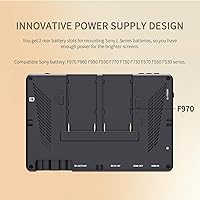
The bundled F750 battery provides a reasonable run time for shorter shoots or as a backup power source, but most working videographers tend to pick up one or two additional F750 batteries to cover a full day of shooting comfortably. The battery itself is a standard form factor widely available from third-party suppliers.

The 8.4V DC output port is designed to power compatible accessories, and some cameras with matching DC input requirements can be powered through it, but you should verify your specific camera model supports this before relying on it. It is a useful feature for reducing cable clutter, but compatibility is not universal.

LUT files need to be placed on a compatible memory card and loaded through the monitor menu. The process is fairly straightforward once you locate the correct menu option, though the first-time setup is easier if you follow the included manual or one of the tutorial videos FEELWORLD has published online.

It depends on your shooting conditions. For studio work, controlled environments, or general run-and-gun video, the plastic construction is not a significant issue and the lighter weight is actually an advantage. If you regularly work in rough conditions — dusty environments, rain-adjacent shoots, or locations where gear gets knocked around frequently — the build quality is a legitimate trade-off to factor into your decision.

The HDMI input supports signals up to 4K at 30fps. If your workflow regularly involves 4K at 60fps or higher — common in sports, wildlife, or high-end commercial production — this monitor will not pass those signals and you would need to look at a higher-specification option.

The tilt arm is generally well-regarded for holding its position during normal shooting, and the 360° rotation range is genuinely useful for getting comfortable viewing angles on a rig. That said, heavier accessory builds or frequent repositioning over time can loosen the tension slightly, so it is worth checking the arm firmness periodically during extended productions.

Where to Buy