Overview

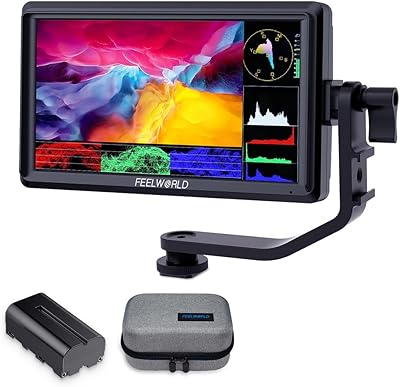
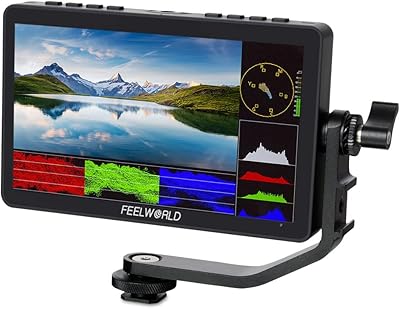
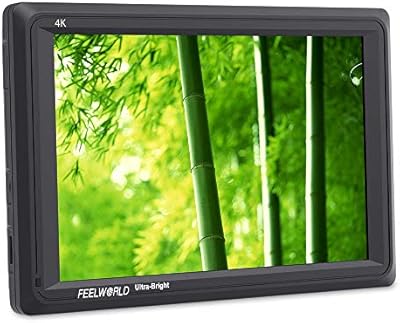
The FEELWORLD FW568 6″ Field Monitor is a mid-range on-camera monitor built for indie filmmakers and video shooters who need more screen real estate and accuracy than a camera’s tiny rear display can offer. At the heart of it is a 6-inch IPS panel running full HD 1920x1080 resolution — sharp enough for critical focus work and color evaluation on set. At just 190g with a compact footprint, it won’t throw off a handheld rig or upset a gimbal balance. With over 2,800 buyer ratings averaging 4.3 stars and a spot at #16 in Video Monitors, it has earned genuine traction. Be clear-eyed, though: this is a capable workhorse at its price tier, not a broadcast-grade display.
Features & Benefits

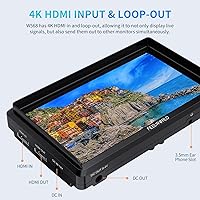
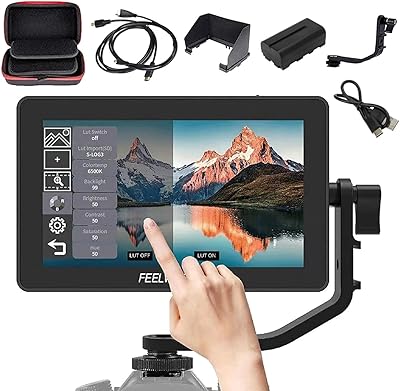
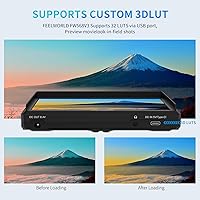
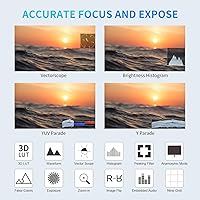
The FW568 packs a lot of practical shooting tools into a small chassis. The IPS screen uses Rec.709 color calibration, which matters when you’re trying to judge skin tones or match shots across a multi-cam setup. Waveform monitoring, false color, zebra exposure, and focus peaking are all on board and genuinely useful — not just checkbox features. 4K HDMI in and out means it plays nicely with most modern DSLR and mirrorless systems. You can load up to 32 custom LUTs for real-time look previewing on set, a meaningful workflow tool for anyone finishing in post. The 8.4V DC output to power a connected camera is a smart practical touch that reduces cable clutter on a busy rig.

Best For

This on-camera monitor makes the most sense for solo shooters and small crews operating without a dedicated DIT or focus puller. Documentary and event videographers will appreciate having a larger, calibrated reference frame that the camera body itself cannot provide. Gimbal operators benefit especially from the lightweight build — anything heavier shifts balance and adds fatigue over a long shoot day. Content creators stepping up from a 3-inch flip screen will feel an immediate difference in their ability to evaluate focus and exposure confidently. One honest caveat: at 450 nits, this field monitor performs well in open shade but struggles in direct sunlight, so plan your shooting position accordingly.

User Feedback

The overall picture from buyers is positive, with image clarity and color accuracy drawing consistent praise from working videographers. The LUT loading workflow and waveform display are frequently called out as features that genuinely punch above the price point. That said, a few frustrations surface regularly. The battery and power adapter are not included, which catches some buyers off guard — budget for those extras before your first shoot. The included sunshade is functional but feels a bit flimsy for harsh outdoor conditions. There is also an important version warning: older used units do not support waveform or LUT features at all, so if buying secondhand, verify the version carefully before committing.

Pros

  • Full HD IPS panel with Rec.709 calibration gives a genuinely accurate color reference at this price tier.
  • Real-time LUT preview with up to 32 custom looks loaded directly on the monitor is a rare feature at this price.
  • Waveform, false color, zebra, and focus peaking work reliably and cover the core needs of most field shooters.
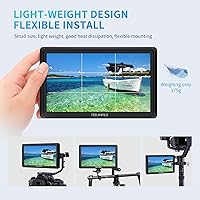
  • At 190g, the FW568 is light enough to keep a gimbal balanced without adding noticeable fatigue over long shoots.
  • 4K HDMI in and out ensures compatibility with virtually every modern DSLR, mirrorless, and camcorder.
  • The 8.4V DC output lets you power a connected camera directly, cutting down on battery management on a busy rig.
  • Type-C input alongside standard HDMI and DC gives flexible power sourcing options on location.
  • Over 2,800 verified buyers and a 4.3-star average reflect consistent real-world satisfaction from working videographers.
  • The compact footprint makes it easy to mount, reposition, or pack without reorganizing an entire camera bag.

Cons

  • Battery and power adapter are not included, adding a required extra cost before you can use it on location.
  • 450 nits is adequate in shade but washes out noticeably in direct sunlight even with the sunshade in place.
  • The included sunshade feels flimsy and is widely considered insufficient for serious outdoor shooting conditions.
  • Older and used units silently lack LUT and waveform support — there is no obvious visual indicator on the hardware.
  • The bundled micro HDMI cable is short, making cable management awkward on larger or more complex rigs.
  • Menu navigation has a learning curve that the sparse manual does not adequately address for new field monitor users.
  • Color consistency shifts subtly at wider off-axis viewing angles, which matters in multi-person monitoring setups.
  • The plastic shell does not instill confidence for shooters who work in physically demanding or high-travel environments.

Ratings

The FEELWORLD FW568 6″ Field Monitor has been assessed using AI analysis of verified global buyer reviews, with spam, bot activity, and incentivized feedback actively filtered out to reflect genuine user experience. Scores below capture what real videographers, documentary shooters, and content creators consistently report across thousands of purchases. Both the strengths that keep buyers coming back and the friction points that generate complaints are represented transparently in every category.
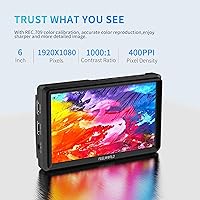
Image Clarity & Sharpness
88%
Shooters consistently describe the 1920x1080 IPS panel as noticeably crisper than their camera’s built-in screen, making critical focus evaluation far more reliable on a real set. For run-and-gun documentary work, the step-up in pixel density makes a tangible difference when reviewing footage mid-shoot.
A minority of users with broadcast monitor experience find the panel falls short of professional reference displays in absolute sharpness. Fine detail rendering at the edges of the frame can look slightly soft when compared to higher-end monitors in the same use case.
Color Accuracy
84%
The Rec.709 calibration earns genuine praise from videographers who need a reliable color reference without carrying a dedicated calibration tool to every shoot. Skin tone rendering in particular is called out as accurate enough to make practical exposure and grading decisions with confidence.
Users who shoot with LOG profiles and compare the FW568 against professionally calibrated displays notice some variance in shadow and highlight hue reproduction. Color consistency at off-axis viewing angles, while better than TN panels, still shows subtle shifts in a side-by-side comparison.
LUT Support & Preview
91%
Support for up to 32 custom LUTs loaded directly onto the monitor is one of the most praised features among cinematographers working with a defined look. Being able to preview a cinematic grade in real time on set — rather than waiting for post — meaningfully changes how shooters communicate with directors and clients.
The LUT loading process requires a microSD card and can be fiddly for first-time users without a clear walkthrough. Buyers who purchased older or used units without checking the version discovered too late that LUT support is absent on earlier hardware revisions.
Exposure & Focus Assist Tools
87%
Waveform monitoring, false color, zebra exposure, and focus peaking are all present and functional — tools that event and documentary shooters rely on when there is no time to reshoot a moment. Focus peaking in particular is praised for being responsive and accurate enough to replace a dedicated follow-focus monitor on tight budgets.
The waveform display is serviceable but lacks the granular overlay options found on higher-tier monitors. Some users find the false color scale does not perfectly match industry-standard exposure references, requiring a calibration period before trusting it fully.
Brightness & Outdoor Usability
63%
37%
At 450 nits, the FW568 performs adequately in open shade, overcast conditions, and indoor shoots, which covers the majority of real-world use cases for this class of monitor. Videographers shooting in controlled environments or under a canopy report no meaningful complaints about visibility.
In direct sunlight the panel washes out noticeably, and even the included sunshade provides only partial relief on bright location days. Users shooting outdoor events in summer consistently flag this as the monitor’s most practical limitation, with several recommending a third-party sunshade upgrade.
Build Quality & Materials
67%
33%
The plastic shell keeps weight down to 190g, which is the right call for a monitor designed to live on a camera rig or gimbal for hours. Most buyers describe the overall construction as solid enough for regular production use without feeling fragile in the hand.
The plastic housing does not inspire confidence during heavy travel or on rougher sets, and several reviewers note that the enclosure creaks slightly under pressure. The included sunshade attachment in particular draws criticism for feeling underdeveloped relative to the rest of the unit.
Weight & Portability
92%
At 190g, this is one of the lighter options in its screen-size class, and gimbal operators specifically call out how little it affects rig balance compared to heavier alternatives. Solo shooters carrying gear all day genuinely notice the difference by hour three of a documentary shoot.
The lightweight construction is a deliberate trade-off with durability, and buyers who need a monitor that can take knocks on a busy set may find themselves wishing for more robustness. The compact size, while portable, also means a smaller physical control interface that some users find fiddly.
HDMI Connectivity & Compatibility
86%
4K HDMI in and out covers virtually every modern DSLR, mirrorless, and camcorder on the market, and users report a clean, reliable signal connection across a wide range of camera brands. The inclusion of both input and output means it fits into more complex monitoring chains without needing an additional splitter.
The micro HDMI cable supplied in the box is functional but short, and several users recommend buying a longer, better-quality cable immediately. A small number of buyers report intermittent signal drop with specific camera models, though these cases appear to be isolated rather than systematic.
Power Options & Flexibility
71%
29%
The 8.4V DC output that can power a connected camera is a practical feature that reduces the cable and battery count on a working rig. Type-C input alongside the standard DC port gives shooters more flexibility in how they source power on location.
Neither the battery nor the power adapter is included in the box, which consistently frustrates first-time buyers who do not read the fine print carefully before their first shoot day. Budgeting for compatible power accessories is a non-optional extra cost that some reviewers feel should be communicated more prominently at point of sale.
Menu & Interface Usability
72%
28%
Once familiar with the menu layout, most users describe navigation as straightforward and logically organized for a working shooter who needs to make quick adjustments between takes. Frequently used functions like peaking sensitivity and LUT toggling are accessible without digging through multiple sub-menus.
The initial learning curve draws complaints from buyers new to field monitors, with the manual described as sparse in its explanation of more advanced features. Button feedback is functional but lacks the tactile confidence of monitors at higher price points.
Sunshade Quality
54%
46%
The included sunshade does provide a meaningful reduction in glare in partially shaded outdoor conditions and is better than having no shade solution at all. For indoor studio use, it functions as a reasonable light blocker without adding significant bulk.
In genuinely bright outdoor environments the stock sunshade is widely considered inadequate, with reviewers describing it as flimsy and prone to catching wind on exterior shoots. A recurring recommendation across buyer feedback is to invest in a third-party sunshade if any meaningful outdoor work is planned.
Value for Money
89%
The combination of a calibrated IPS panel, real-time LUT preview, and a full suite of exposure tools at this price point is consistently cited as the primary reason buyers choose this monitor over competitors. Repeat buyers and those upgrading from entry-level options describe it as punching well above its weight class for practical production work.
The hidden cost of purchasing compatible batteries and a power adapter separately erodes the value proposition somewhat, effectively raising the true out-of-pocket cost beyond the listed price. Buyers who factor in those accessories alongside a more robust sunshade may find the total spend closer to mid-range monitor territory.
Package & Accessories
61%
39%
The tilt arm and micro HDMI cable included in the box are genuinely useful and allow a shooter to get up and running with a basic rig without additional purchases for the HDMI connection. The manual covers the fundamental setup steps adequately for most users.
The absence of a battery and power adapter is a significant omission that regularly catches buyers off guard, and the micro HDMI cable is short enough that cable management on a larger rig becomes awkward. The overall accessory package feels minimal relative to what competing monitors bundle at a similar price.

Suitable for:

The FEELWORLD FW568 6″ Field Monitor is a strong fit for indie filmmakers, solo videographers, and small production crews who need a reliable, calibrated reference screen without stretching into professional broadcast monitor pricing. If you shoot documentaries, weddings, or corporate video and rely on focus peaking and zebra exposure to nail shots the first time, this on-camera monitor gives you tools that a camera’s rear screen simply cannot. DSLR and mirrorless shooters working with a specific cinematic grade will find real on-set value in the LUT preview feature — seeing your intended look in real time changes how you communicate with clients and direct talent. Gimbal operators benefit particularly from the 190g build, which keeps a balanced rig without fighting the motor on long shooting days. Content creators making the jump from a 3-inch flip screen to a proper external monitor will notice an immediate and practical improvement in how confidently they can evaluate focus and exposure in the field.
Not suitable for:

The FEELWORLD FW568 6″ Field Monitor is not the right tool for shooters who work primarily in direct sunlight or on bright exterior locations, as 450 nits is not enough to overcome harsh ambient light even with the sunshade attached. Broadcast professionals or colorists who need a factory-calibrated, reference-grade panel for critical color decisions should look at dedicated broadcast monitors with verified Delta-E performance rather than relying on this unit. If your budget is tight and you were counting on the listed price covering everything you need to shoot, be aware that a compatible battery and power adapter are sold separately and represent a real added cost before you can power the unit on location. Buyers considering a used or refurbished unit should also know that older hardware revisions do not support waveform monitoring or LUT loading at all — two of the most compelling reasons to buy this monitor in the first place. Anyone needing a rugged monitor for rough field conditions or frequent travel should factor in that the plastic housing, while lightweight, is not built to absorb hard knocks.
Specifications

  • Screen Size: The display measures 6 inches diagonally, providing a substantially larger viewing area than a typical camera rear screen.
  • Panel Type: An IPS panel is used, offering wider viewing angles and more consistent color reproduction compared to TN alternatives.
  • Resolution: The screen runs at 1920x1080 pixels, delivering full HD clarity suitable for precise focus evaluation and image analysis on set.
  • Brightness: Peak brightness is rated at 450 cd/m², which performs adequately in shaded environments but is not recommended for direct sunlight use.
  • Contrast Ratio: A 1000:1 contrast ratio provides reasonable separation between highlights and shadows for a monitor in this category.
  • Aspect Ratio: The panel uses a standard 16:9 aspect ratio, matching the native framing of most modern video cameras and camcorders.
  • Color Standard: The display is calibrated to the Rec.709 color standard, which is the broadcast and web video reference for accurate color judgment on set.
  • LUT Support: Up to 32 custom 3D LUTs can be loaded onto the monitor via microSD card for real-time on-set look previewing.
  • Video Assist Tools: Built-in video assist functions include waveform monitoring, false color, zebra exposure overlay, and focus peaking for accurate exposure and focus confirmation.
  • HDMI Standard: The monitor supports 4K HDMI input and output, handling resolutions up to 3840x2160p at 30Hz and 4096x2160p at 24Hz.
  • Inputs: Available inputs are HDMI (micro), DC power, and USB Type-C, giving flexible connectivity options across different rigs and power sources.
  • Outputs: Outputs include HDMI and a DC OUT at 8.4V, which can be used to supply power directly to a connected camera.
  • Audio: A stereo headphone jack is included, allowing audio monitoring directly from the monitor during recording or playback.
  • Dimensions: The unit measures 151 x 92 x 29.5 mm, keeping the physical footprint compact enough for hotshoe and cage mounting without obstructing camera controls.
  • Weight: The monitor weighs 190g, light enough to use on a gimbal or handheld rig without significantly affecting balance or operator fatigue.
  • Shell Material: The outer casing is constructed from plastic, prioritizing weight reduction over the metal build found on higher-tier professional monitors.
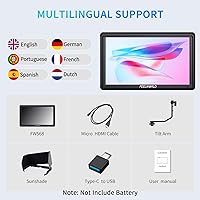
  • In the Box: Package includes the monitor, a micro HDMI cable, a sunshade, a tilt arm, and a user manual; battery and power adapter are sold separately.
  • Battery: No battery or power adapter is included; compatible NP-F series batteries and adapters are available separately from FEELWORLD and third-party suppliers.

Related Reviews
FEELWORLD F5 Pro 6″ Field Monitor
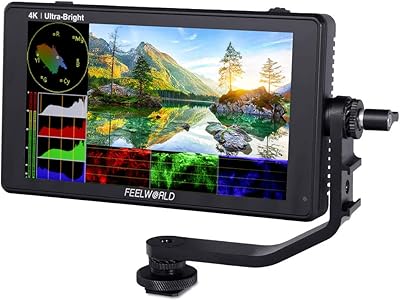
78%
84%
Display Quality
79%
Touchscreen Responsiveness
86%
Color Accuracy & Calibration
88%
Monitoring Tools
67%
Build Quality & Durability
More
FEELWORLD LUT6 6-inch Monitor
85%
94%
Outdoor Performance
89%
Display Quality
88%
Touchscreen Usability
91%
Color Accuracy
85%
Portability & Weight
More
Feelworld F6 Plus 6-inch Monitor
87%
92%
Display Quality
88%
Ease of Use
90%
Portability
75%
Battery Life
80%
Build Quality
More
Feelworld S55 6″ Field Monitor
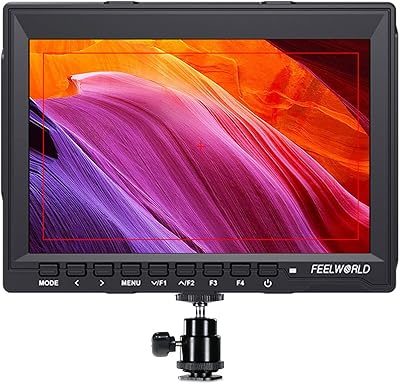
77%
86%
Image Clarity
53%
Outdoor Visibility
88%
Exposure Monitoring Tools
81%
LUT Support
62%
Build Quality
More
VILTROX DC-X3 6″ Field Monitor
80%
93%
Brightness & Outdoor Visibility
81%
Build Quality & Durability
78%
Touchscreen Responsiveness
74%
Image Accuracy & Color Fidelity
69%
4K & SDI Connectivity
More
Feelworld FW759 7″ Field Monitor
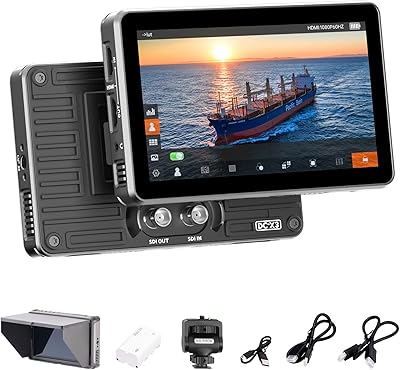
72%
83%
Image Clarity
58%
Brightness & Outdoor Usability
81%
Focus Peaking Performance
89%
Portability & Form Factor
54%
Build Quality & Durability
More
VILTROX DC-X2 6-inch Field Monitor
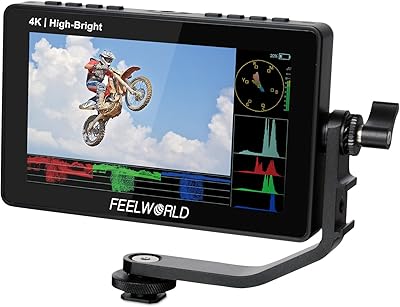
80%
93%
Outdoor Brightness
78%
Build Quality
71%
Touchscreen Responsiveness
67%
Color Accuracy
84%
3D LUT Support
More
Feelworld F5 ProX 5.5″ Field Monitor
78%
91%
Screen Brightness
83%
Image Clarity & Resolution
86%
Monitoring Tools
67%
Touchscreen Responsiveness
58%
Build Quality & Durability
More
FEELWORLD FW279 7 Inch 2200nit Ultra Bright DSLR Camera Field Monitor
85%
94%
Display Brightness
91%
Image Quality
88%
Portability
85%
Build Quality
83%
Ease of Use
More
Topmonitor P15.6/2.5K Portable Monitor 15.6-inch 2560×1680
86%
94%
Display Quality
90%
Portability/Size/Weight
91%
Color Accuracy
87%
Connectivity (USB-C, HDMI)
85%
Build Quality
More

FAQ

The battery and power adapter are not included with the FEELWORLD FW568 6″ Field Monitor. You will need to purchase a compatible NP-F series battery and charger separately before you can use the monitor on location. It is worth factoring this into your total budget before buying.

Yes, the FW568 connects via HDMI and is compatible with virtually any modern DSLR or mirrorless camera that outputs a standard HDMI signal, including Sony, Canon, Nikon, Fujifilm, and Panasonic bodies. Just make sure your camera has a micro or full-size HDMI output and use the included cable or an appropriate adapter.

LUTs are loaded via a microSD card. You copy your .cube format LUT files onto the card, insert it into the monitor, and then navigate to the LUT menu to import and assign them. The monitor supports up to 32 LUTs, and the process is straightforward once you go through it once, though the manual is somewhat brief on the details.

This is an important one to check before buying secondhand. Older hardware revisions of this monitor do not include waveform monitoring or LUT support — those features were added in a later version. If the listing mentions a 5.5-inch screen or no Type-C port, that is the older variant. Always confirm the version with the seller before purchasing a used unit.

It depends on the conditions. At 450 nits, the FW568 works reasonably well in open shade or on overcast days, but it will wash out in direct sunlight even with the included sunshade attached. If you regularly shoot in bright outdoor environments, you may want to consider a monitor with higher brightness or invest in a higher-quality third-party sunshade.

Yes, and it is actually one of the better choices for gimbal use in this price range. At 190g it is light enough to avoid throwing off motor balance on most 3-axis gimbals, and the tilt arm in the box lets you adjust the viewing angle without adding extra hardware. Many gimbal operators cite the weight as a specific reason they chose this monitor.

The DC OUT port at 8.4V allows the monitor to pass power through to a connected camera, which means under the right setup you can power both the monitor and camera from a single battery source. This is a practical feature for reducing the number of batteries you need to manage on a busy shooting day, though compatibility depends on your specific camera model.

Focus peaking highlights the in-focus edges in your frame with a colored overlay — typically red, green, or white depending on your setting. On this on-camera monitor it is responsive and accurate enough for most practical field use, and users doing manual focus work on DSLR and mirrorless cameras find it a meaningful improvement over relying on the camera screen alone.

Yes, the HDMI output allows you to daisy-chain a second display so a director or client can watch a feed simultaneously. It is a useful feature on small sets where you want a dedicated monitoring position without running separate cables from the camera.

This is a common observation from buyers, and the honest answer is yes — if you shoot outdoors regularly, upgrading to a third-party sunshade designed for 6-inch monitors is a worthwhile small investment. The included shade provides some glare reduction but is not built to handle strong wind or sustained bright conditions without flexing or detaching.