Overview

The FEELWORLD LUT6 6-Inch Field Monitor sits comfortably in the mid-range segment, aimed squarely at serious hobbyists and semi-pro videographers who need reliable performance without professional-grade pricing. What immediately separates it from the competition is its 2600nit brightness, which is genuinely unusual at this tier — most monitors in this class top out at a fraction of that output. Add a touchscreen interface that lets you adjust settings on the fly, and you have a monitor built for outdoor events, run-and-gun shoots, and documentary work. That said, this is a capable tool, not a broadcast reference monitor, and buyers should approach it with that understanding.

Features & Benefits

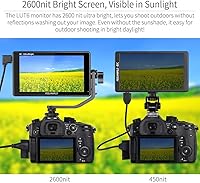
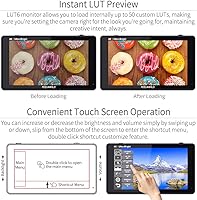
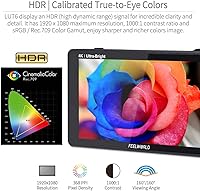
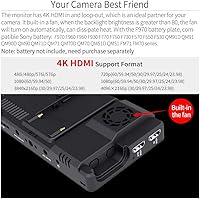
The brightness on the LUT6 is the headline feature, and for good reason — shooting outdoors without a monitor hood is usually a frustrating exercise in guesswork, but that level of output keeps the image legible even under harsh midday sun. Custom LUT loading is another strong point: you can store up to 50 looks and preview your color grade in real time, saving meaningful turnaround between location and the edit suite. The HDR-capable panel covers Rec.709 adequately for everyday video work, though it is not a color-critical reference display. A 4K HDMI loop-out lets you feed a recorder or second device simultaneously, while the built-in fan activates automatically at high brightness to prevent overheating.

Best For

This 6-inch monitor makes the most sense for solo outdoor shooters and small crews who need to actually see what they are capturing without taping a hood over their rig. It is a natural fit for DSLR and mirrorless users who want HDMI passthrough to simultaneously feed a recorder or second display. Cinematographers and DPs doing location work will appreciate being able to load and preview color looks without hauling a separate dedicated display to set. And if you have been relying entirely on your camera's built-in LCD, this field monitor represents a meaningful, practical step up in both screen real estate and outdoor usability.

User Feedback

Buyers consistently single out the brightness as the LUT6's strongest asset — those who shoot outdoors frequently describe it as a reliable improvement over anything they used before. Touchscreen responsiveness draws praise too, and loading custom LUTs is reported to be straightforward rather than buried in menus. On the downside, fan noise at high brightness comes up often enough to flag: if you shoot interviews or anything with ambient audio nearby, it is a legitimate concern. The plastic housing splits opinion — it keeps weight manageable but feels less reassuring during rough travel. One consistent surprise for first-time buyers is the missing battery and adapter; you will need to source power separately before you can shoot.

Pros

  • Outdoor brightness is genuinely class-leading, making the screen readable in direct sunlight without any hood or shade.
  • Loading and switching between custom LUTs is straightforward, giving on-set color previewing without a separate device.
  • The HDMI loop-out allows simultaneous signal feed to a recorder or second monitor, adding real workflow flexibility.
  • Touchscreen controls with swipe gestures make brightness and menu adjustments fast during active shooting.
  • HDR signal support delivers noticeably better contrast and detail visibility compared to standard-range panels in this class.
  • At 300 grams, this 6-inch monitor is light enough to sit on a mirrorless or DSLR rig without significant balance issues.
  • Up to 50 custom LUTs can be stored onboard, which is a generous allocation for working videographers with varied project styles.
  • The built-in fan actively manages heat during extended high-brightness use, reducing the risk of thermal throttling mid-shoot.
  • Stereo headphone output adds audio monitoring capability without requiring a separate device on the rig.
  • The tilt arm included in the box is a practical addition that allows quick angle adjustment without extra accessories.

Cons

  • The cooling fan produces audible noise at high brightness settings, which can bleed into audio recorded nearby.
  • No battery or power adapter is included, meaning first-time buyers face additional costs before the monitor is operational.
  • The plastic shell feels lightweight in a way that raises real questions about long-term durability under frequent travel or rough handling.
  • Color accuracy is adequate for everyday video work but is not suitable for precision color grading or broadcast-standard monitoring.
  • The fan activation threshold means you may face a choice between full brightness and a quieter shooting environment.
  • No built-in ND filter simulation or false color tools, which some competing monitors at this tier do offer.
  • The 1920x1080 panel resolution means the display itself does not resolve 4K natively, even though it accepts a 4K input signal.
  • Plastic build may attract scratches more quickly than aluminum-bodied alternatives, especially without a protective case.

Ratings

Our editorial team fed thousands of verified global buyer reviews for the FEELWORLD LUT6 6-Inch Field Monitor through our AI analysis engine, actively filtering out incentivized, bot-generated, and spam submissions to surface what real users actually experience. The scores below reflect a balanced picture — genuine strengths are recognized, but recurring frustrations are weighted just as honestly. If you are trying to decide whether this monitor fits your workflow, these ratings are built to give you a straight answer.

Outdoor Brightness
91%
This is the single most praised aspect across the entire review base. Outdoor shooters consistently describe being able to frame and expose shots accurately in harsh midday sun without draping a hood over the monitor — something genuinely rare at this price tier. Event videographers and documentary shooters cite it as the primary reason they chose this monitor over brighter-looking alternatives on paper.
A small number of users shooting in extremely reflective environments, such as near water or snow, note that even this brightness level can struggle at certain angles. The brightness advantage also comes with the thermal management tradeoff discussed elsewhere, so it is not without cost.
Custom LUT Support
86%
Being able to load and preview up to 50 color looks directly on the monitor is a workflow feature that DPs and one-person-crew shooters genuinely use on set. The loading process via USB is reported as straightforward, and switching between LUTs during a shoot is fast enough to be practical rather than disruptive.
Users who rely heavily on proprietary LUT formats note that compatibility is limited to standard .cube files, which can require conversion steps. A few users also report that subtle LUT differences are harder to assess accurately due to the panel's color limitations at this price point.
Touchscreen Usability
78%
22%
The swipe-based shortcut menu is one of the features buyers mention positively once they get used to it — pulling up brightness controls or audio levels mid-shoot without diving into nested menus saves real time. Touchscreen accuracy is rated as reliable for standard finger input in most shooting conditions.
Cold weather or gloved operation is a recurring issue, as the capacitive screen does not respond reliably when fingers are covered. A handful of users also note that the gesture-based navigation has a short but real learning curve, particularly for those used to button-only monitors.
Value for Money
83%
Buyers stepping up from camera LCD screens or entry-level monitors repeatedly describe this as one of the stronger value propositions in the field monitor segment, given the combination of brightness, LUT support, and HDMI passthrough in a single unit. For solo shooters building out a kit on a controlled budget, the feature-to-cost ratio holds up well.
The value calculation changes when buyers factor in the cost of a separately purchased battery and adapter, which are required just to use the monitor. For some, this hidden addition tips the real-world cost noticeably higher than the listed price suggests.
Build Quality
57%
43%
The monitor is light enough that mounting it on a mirrorless rig does not require major counterbalancing, and the form factor feels intentional for handheld and cage use. Users who shoot in controlled environments or keep the monitor well-protected generally report no structural issues over extended use.
The all-plastic shell is the most consistently cited disappointment among buyers who handle their gear roughly. Scuffing, flex near the corners, and general durability concerns come up repeatedly from shooters who travel frequently or work in uncontrolled outdoor environments, and a few report cosmetic damage after only moderate use.
Fan Noise
52%
48%
The fan does its job thermally — users running the monitor at high brightness for extended periods report that it does not throttle or overheat, which matters for long event shoots. The auto-activation design means it stays silent during lower-brightness indoor work where heat is not an issue.
Once brightness climbs high enough to trigger the fan, the noise level is noticeable enough to concern interview videographers, ambient documentary shooters, and anyone recording audio with a sensitive microphone nearby. Several users describe having to choose between a readable image and a clean audio track, which is a real operational tradeoff.
Color Accuracy
67%
33%
For everyday video monitoring and rough on-set color referencing, the Rec.709 coverage performs adequately and is better than what most built-in camera screens offer. Users shooting standard web and broadcast content find the color rendition trustworthy enough for exposure and white balance checks in the field.
This is not a calibrated reference panel, and professional colorists who have tried using it as one consistently report it falls short. Subtle hue shifts and a degree of oversaturation in some color ranges are noted by more technically experienced users, making it unsuitable for color-critical decision-making.
HDMI Connectivity
84%
The 4K HDMI input paired with a loop-out port is a practically useful combination that extends the monitor beyond simple viewing. Users feeding an Atomos or Blackmagic recorder in parallel report a clean, stable signal pass-through with no reported latency or handshake issues in typical use.
The included Mini/Micro HDMI to HDMI cable is appreciated but the connection points on the monitor itself have drawn occasional concern about long-term port durability under repeated plug cycles, particularly when cables are under any tension from a camera rig.
Image Sharpness
73%
27%
At 1920x1080 the display is sharp enough for confident focus pulling and composition framing at typical shooting distances. Users monitoring HD and 1080p footage directly report a clean, detailed image without visible softness under normal conditions.
Buyers monitoring 4K footage are reminded by the display's native resolution that they are viewing a downscaled version of their image, which limits fine pixel-level focus confirmation. Those used to higher-resolution reference monitors will notice the difference when checking critical sharpness.
HDR Performance
71%
29%
For users shooting in log profiles or HDR formats, being able to see a real-time preview with lifted shadows and retained highlights is a functional on-set advantage over SDR-only monitors. The improvement in highlight detail visibility compared to standard display modes is reported as noticeable and practically useful.
The panel's contrast ceiling and color volume mean that HDR rendering is suggestive rather than fully accurate — users should treat it as a useful approximation rather than a precise representation of how HDR content will look on a calibrated display.
Setup & Ease of Use
81%
19%
First-time field monitor users consistently describe the initial setup as accessible, with the touchscreen-driven interface lowering the barrier compared to older button-matrix systems. LUT loading, signal detection, and shortcut customization are all reported as relatively intuitive after a brief orientation.
The manual included in the box is thin and lacks detail for some of the more advanced features. Users trying to configure specific waveform overlays or explore less obvious menu options without prior field monitor experience have reported needing to rely on online tutorials or community forums.
Mounting & Accessories
68%
32%
The included tilt arm is a genuinely useful accessory that provides immediate angle adjustment out of the box, and the standard 1/4-inch mounting thread is compatible with a wide range of cages, articulating arms, and magic arm systems. Most users can attach it to an existing rig without purchasing additional hardware.
The tilt arm quality is described as basic rather than robust — fine for occasional adjustments but prone to drift under heavier use or vibration. Several users have replaced it with a sturdier third-party option after a short period.
Audio Monitoring
63%
37%
Having a headphone output on the monitor allows audio monitoring directly from the HDMI signal chain, which is a convenience for solo operators who would otherwise need a separate audio device. Users doing simple event or corporate video work describe it as a functional addition for basic level checking.
The audio output quality is reported as adequate rather than impressive, with some users noting a slight background hiss at higher gain levels. Professional audio operators are unlikely to rely on it as a primary monitoring solution, and its value is mainly as a quick-check option rather than a serious audio tool.
Weight & Portability
85%
At 300 grams the monitor is easy to carry between locations and does not create significant balance problems on most camera rigs. Run-and-gun and travel shooters specifically call out the low weight as a practical advantage when building a light, mobile kit.
While the weight is a strength, the dimensions make it slightly bulky for very compact travel kits or bag-friendly setups where every centimeter matters. Users packing minimally for airline travel note it requires deliberate case management to protect the screen.
Box Contents
44%
56%
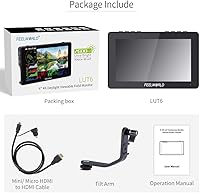
The inclusion of a tilt arm and HDMI cable means the monitor is physically mountable and connectable to a camera immediately after unboxing, which is a practical baseline. Most buyers appreciate not having to source a mounting solution separately on day one.
The absence of a battery and power adapter is the most consistently flagged surprise in the entire review base, and it is not prominently communicated at point of purchase for many buyers. First-time users have described arriving on a shoot unprepared because they assumed power was included, which is a meaningful packaging oversight.

Suitable for:

The FEELWORLD LUT6 6-Inch Field Monitor is purpose-built for outdoor videographers who have grown tired of squinting at a camera LCD in bright conditions. Solo shooters covering weddings, sports, or documentary subjects in open daylight will find the high-output panel genuinely useful rather than just a spec sheet talking point. Small crews where a dedicated monitor operator needs quick access to settings mid-shot will appreciate the touchscreen shortcuts, which cut down on menu fumbling during fast-moving situations. Cinematographers and DPs on location shoots get real value from the onboard LUT previewing, allowing a rough sense of how footage will look graded without waiting until the edit. DSLR and mirrorless users who also want to feed an external recorder simultaneously will find the HDMI loop-out a practical workflow addition that punches above the price point.

Not suitable for:

The FEELWORLD LUT6 6-Inch Field Monitor is not the right call for anyone who needs a color-critical reference display — the Rec.709 coverage is workable for general video, but professional colorists and broadcast teams requiring absolute accuracy should look at dedicated reference monitors with wider, calibrated gamuts. Interview videographers and documentary sound recordists shooting in quiet environments will likely find the cooling fan, which kicks in at higher brightness levels, an unwelcome addition to their audio tracks. The plastic chassis also gives pause for productions involving heavy travel, frequent rigging changes, or rough outdoor terrain where a more robust build matters. Buyers expecting a complete ready-to-shoot kit should know upfront that neither a battery nor a power adapter is included, which means additional purchases before the monitor is usable. Anyone working in a fully controlled studio environment where brightness is never a limiting factor will find little here to justify the purchase over a cheaper, more color-accurate alternative.

Specifications

  • Screen Size: The display measures 6 inches diagonally, offering a meaningful step up in visibility over standard camera LCD screens without adding excessive bulk to a rig.
  • Brightness: Panel output reaches 2600 cd/m², which is high enough for practical use in direct sunlight without requiring an external hood or shade attachment.
  • Resolution: The screen renders at 1920x1080 pixels in a 16:9 aspect ratio, providing a full HD image regardless of the input signal resolution.
  • Contrast Ratio: A 1000:1 contrast ratio delivers clear differentiation between shadow and highlight areas in the displayed image.
  • Color Gamut: The panel covers the sRGB and Rec.709 color spaces, making it appropriate for standard video production monitoring and basic on-set color reference.
  • HDR Support: The monitor can accept and display HDR signals, providing improved detail rendering in high-contrast footage compared to SDR-only displays.
  • Video Input: A single 4K HDMI input accepts signal from cameras and other source devices at up to 4K resolution.
  • Video Output: An HDMI loop-out port allows the input signal to be passed through simultaneously to a recorder, second monitor, or other downstream device.
  • Power Output: A DC OUT 8V port is available for powering compatible accessories directly from the monitor.
  • LUT Support: Up to 50 custom 3D LUTs can be loaded onto the monitor for real-time color grade previewing during location shoots.
  • Touchscreen: The display supports touch input with swipe-based gestures, including a bottom-swipe shortcut menu for fast access to common settings.
  • Cooling System: An integrated fan activates automatically when display brightness exceeds 80 percent to manage heat during extended high-output use.
  • Audio Output: A stereo headphone jack allows audio monitoring directly from the monitor without requiring a separate audio device on the rig.
  • Shell Material: The outer housing is constructed from plastic, keeping overall unit weight low while remaining functional for standard production environments.
  • Dimensions: The unit measures 162 x 93.2 x 29 mm, making it compact enough to mount on a standard camera cage or articulating arm.
  • Weight: At 300g, the monitor adds minimal load to a handheld or shoulder-mounted camera rig.
  • Package Contents: The box includes the monitor unit, a Mini/Micro HDMI to HDMI cable, a tilt arm mount, and a printed manual.
  • Power Supply: No battery or power adapter is included in the box; users must source a compatible power source separately before use.

Related Reviews
FEELWORLD FW568 6″ Field Monitor
77%
88%
Image Clarity & Sharpness
84%
Color Accuracy
91%
LUT Support & Preview
87%
Exposure & Focus Assist Tools
63%
Brightness & Outdoor Usability
More
FEELWORLD F5 Pro 6″ Field Monitor
78%
84%
Display Quality
79%
Touchscreen Responsiveness
86%
Color Accuracy & Calibration
88%
Monitoring Tools
67%
Build Quality & Durability
More
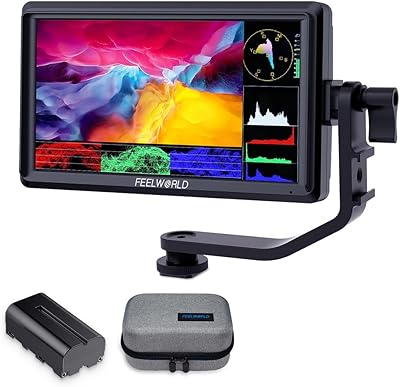
Feelworld F6 Plus 6-inch Field Monitor
76%
88%
Value for Money
79%
Display Quality
83%
Touchscreen Responsiveness
59%
Build Quality
86%
3D LUT Support
More
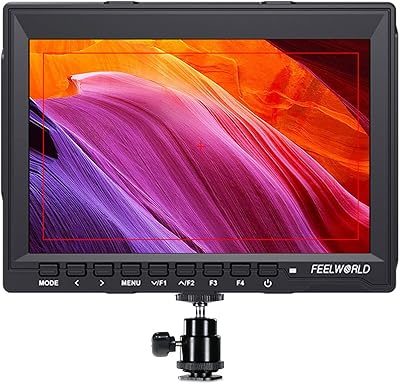
Feelworld S55 6″ Field Monitor
77%
86%
Image Clarity
53%
Outdoor Visibility
88%
Exposure Monitoring Tools
81%
LUT Support
62%
Build Quality
More
VILTROX DC-X3 6″ Field Monitor
80%
93%
Brightness & Outdoor Visibility
81%
Build Quality & Durability
78%
Touchscreen Responsiveness
74%
Image Accuracy & Color Fidelity
69%
4K & SDI Connectivity
More
VILTROX DC-X2 6-inch Field Monitor
80%
93%
Outdoor Brightness
78%
Build Quality
71%
Touchscreen Responsiveness
67%
Color Accuracy
84%
3D LUT Support
More
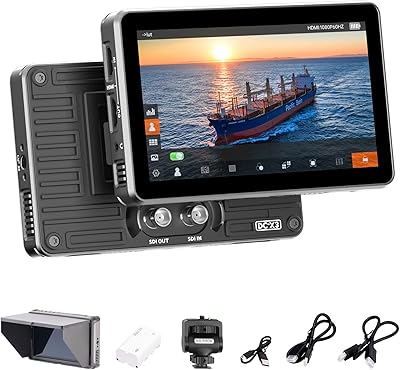
Feelworld FW759 7″ Field Monitor
72%
83%
Image Clarity
58%
Brightness & Outdoor Usability
81%
Focus Peaking Performance
89%
Portability & Form Factor
54%
Build Quality & Durability
More
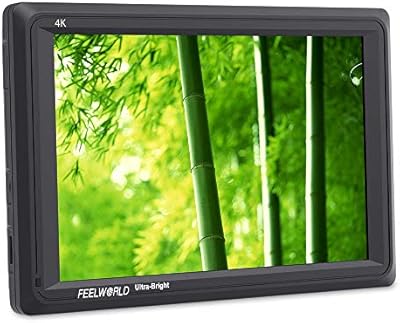
Feelworld F5 ProX 5.5″ Field Monitor
78%
91%
Screen Brightness
83%
Image Clarity & Resolution
86%
Monitoring Tools
67%
Touchscreen Responsiveness
58%
Build Quality & Durability
More
FEELWORLD FW279 7-Inch Field Monitor
77%
93%
Outdoor Brightness
88%
Panel Sharpness & Clarity
71%
Color Accuracy
67%
Build Quality & Durability
84%
Mounting Flexibility
More
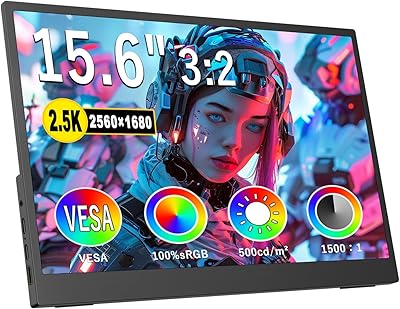
Topmonitor P15.6/2.5K 15.6-inch Portable Monitor
77%
91%
Image Sharpness
87%
Color Accuracy
93%
Portability
82%
Connectivity
88%
Value for Money
More

FAQ

The high brightness output is genuinely effective for outdoor use — most users find they can read the image clearly under bright daylight conditions without needing to add a hood. That said, performance will vary depending on the angle of the sun and reflective surfaces nearby, so a hood can still help in extreme scenarios.

The FEELWORLD LUT6 6-Inch Field Monitor does not come with a battery or power adapter in the box, which catches a lot of first-time buyers off guard. It accepts standard Sony NP-F style batteries via a battery plate, which you will need to purchase separately. Alternatively, you can power it via the DC input using a compatible adapter.

You copy your .cube LUT files onto a USB drive formatted to FAT32, then insert it into the monitor and navigate to the LUT management menu to import them. The process is fairly intuitive once you have done it once, and the monitor can store up to 50 LUTs internally so you can keep a full library of looks available on set.

It can be, yes. The fan activates automatically above roughly 80 percent brightness, and it is audible enough that a sensitive microphone placed nearby could pick it up. If you are shooting in a quiet environment, you may want to run the monitor at a lower brightness setting to keep the fan from kicking in, or position it further from the talent and mic.

Yes, the HDMI loop-out port passes the full input signal through to a second device, so you can monitor on screen while simultaneously sending the signal to a recorder like an Atomos or Blackmagic device. This is one of the more practical features for users who want both monitoring and recording without splitting signal upstream.

Generally, yes. Most users report that the touch response is accurate for menu navigation and shortcut access. The swipe-up shortcut menu in particular is handy for quick brightness adjustments without digging through layers of settings, which matters when conditions are changing fast on location.

Not really, at least not for precision work. The Rec.709 gamut coverage is solid for everyday video monitoring and gives you a reasonable on-set preview, but this is not a calibrated reference display. For serious color grading, you would want a proper reference monitor with wider gamut coverage and factory calibration. Think of this one as a practical shooting tool, not a color science instrument.

The plastic housing is functional but not rugged. It holds up fine for typical production use, but if you are frequently packing and unpacking gear, bouncing around in a vehicle, or working in rough environments, you will want to keep it in a padded case. Several users have noted that the shell can scuff and show wear more quickly than metal-bodied alternatives.

At 300 grams it is light enough to avoid seriously upsetting a gimbal balance, but adding any monitor to a gimbal does require rebalancing, and the added weight and wind resistance on a larger screen like this can affect performance on smaller consumer gimbals. It is more naturally suited to cage or articulating arm setups, though experienced gimbal users have made it work.

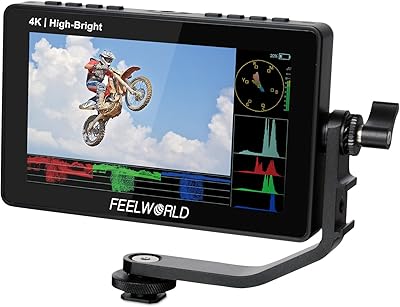
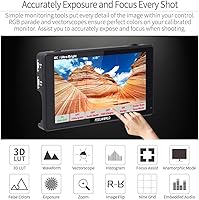
Yes, the LUT6 includes waveform, vectorscope, and histogram display options, which are genuinely useful for exposure and color monitoring in the field. These are the kinds of tools you would typically expect on higher-end monitors, so their inclusion here adds real practical value for users who know how to read them.