Overview
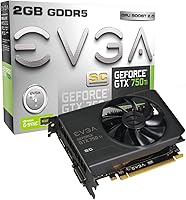
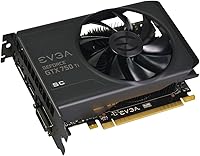
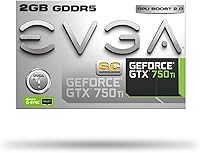
The EVGA GTX 750 Ti 2GB Graphics Card launched in early 2014 on NVIDIA's Maxwell architecture, earning a reputation as one of the more practical budget picks of that era. What set it apart wasn't raw horsepower — it was power efficiency. This EVGA 750 Ti draws so little power that it requires no external PCIe connector, making it a natural fit for older prebuilt systems with modest power supplies. It won't muscle through modern AAA titles at high settings, but for light gaming rigs or a quiet home theater PC, it still holds its own where it counts.
Features & Benefits
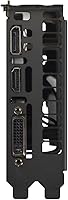
The 750 Ti card runs at a superclocked 1176 MHz base clock with a boost up to 1255 MHz — a tangible if modest edge over reference. Paired with 2GB of GDDR5 at an effective 5400 MHz, it handles 1080p gaming in less demanding titles like CS:GO, Minecraft, or older eSports games without much strain. The 128-bit memory bus is worth knowing about before you buy — bandwidth-hungry workloads will hit that ceiling. Output flexibility is solid: DisplayPort, HDMI, and DVI cover just about any monitor or TV combination you would realistically use. And if something goes wrong, EVGA's 24/7 support is a genuine perk that not every budget card brand can match.
Best For
This Maxwell-based GPU fits a specific kind of buyer, and knowing who that is matters. Upgrading from integrated graphics in an older prebuilt? This card drops in without touching your power supply. Building a living room PC where quiet operation and low heat output are the priority? It fits there too. The realistic gaming sweet spot is Minecraft, retro titles, or casual eSports at 1080p — not demanding open-world games at ultra settings. Office and workstation users who need reliable multi-monitor support will find it more than adequate. Anyone running a low-wattage PSU or a compact case where external power connectors simply are not an option will especially value how straightforward this card is.
User Feedback
With over 3,000 ratings and a 4.6-star average, the long-term reception for this EVGA 750 Ti speaks for itself. Installation gets mentioned again and again — buyers appreciate that it is a true plug-and-play experience with no cables to manage. Long-term reliability is another consistent theme, with many users reporting the card still running cleanly years after purchase. The honest criticisms are predictable: newer AAA titles will push it past its limits, and a few buyers flag occasional driver friction on Windows 11. These are not surprises for a card of this age and architecture, but they are fair warnings if you are expecting it to punch above its weight in 2024 and beyond.
Pros
- No external PCIe power connector required — drops into almost any system without a PSU upgrade.
- Maxwell architecture keeps temperatures low and fan noise minimal even under sustained load.
- Superclocked clocks offer a modest but real performance bump over reference 750 Ti cards.
- Triple display outputs cover DisplayPort, HDMI, and DVI for flexible monitor or TV setups.
- Handles casual games like Minecraft and older eSports titles at 1080p without breaking a sweat.
- Over 3,000 Amazon ratings averaging 4.6 stars reflects genuine long-term owner satisfaction.
- EVGA's 24/7 technical support is a practical differentiator for budget builders who need help.
- Compact dimensions make it compatible with small form factor cases that cannot fit longer cards.
- Proven longevity — many buyers report the card still running reliably years after purchase.
- Ideal for repurposing older prebuilt PCs into functional light-gaming or multi-monitor workstations.
Cons
- Modern AAA titles will quickly exceed the card's limits, often resulting in unplayable frame rates.
- The 128-bit memory bus creates a real bandwidth ceiling that shows up in texture-heavy games.
- 2GB of VRAM is below the practical minimum for many games released after 2018.
- Some users have reported driver compatibility issues on Windows 11 that required troubleshooting.
- At its current market price, newer used GPUs may offer significantly better performance per dollar.
- Not suitable for GPU-accelerated workloads like video encoding, 3D rendering, or machine learning.
- No support for modern NVIDIA features like DLSS or ray tracing, which are standard on current cards.
- Limited upgrade runway — this card cannot be meaningfully overclocked past its inherent architecture ceiling.
Ratings
Our AI-generated scores for the EVGA GTX 750 Ti 2GB Graphics Card are based on a structured analysis of thousands of verified global buyer reviews, with spam, incentivized feedback, and bot-generated content actively filtered out before scoring. Every category reflects the real distribution of praise and frustration found across genuine long-term owners — not a sanitized average. Strengths and pain points are weighted equally, so what you see here is an honest picture of where this card delivers and where it falls short.
Gaming Performance
Power Efficiency
Ease of Installation
Thermal Performance
Build Quality
Memory & VRAM
Display Compatibility
Value for Money
Driver & Software Support
Noise Level
Multi-Monitor Support
Brand & Support
Longevity & Durability
Suitable for:
The EVGA GTX 750 Ti 2GB Graphics Card is a strong match for a narrow but real set of buyers who know exactly what they need. If you are pulling a prebuilt office PC out of storage and want to turn it into a capable casual gaming machine without replacing the power supply, this card is practically purpose-built for that situation. It also works well in compact home theater builds where keeping noise and heat low matters more than chasing high frame rates. Casual gamers who spend most of their time in Minecraft, older eSports titles, or indie games at 1080p will find it more than adequate for their needs. Multi-monitor users in office or workstation environments who just need reliable display outputs without a loud, power-hungry card will appreciate how quietly and efficiently it gets the job done. EVGA's customer support adds genuine peace of mind for first-time builders who want a safety net if something goes sideways.
Not suitable for:
The EVGA GTX 750 Ti 2GB Graphics Card is a poor fit for anyone hoping to run modern AAA games at acceptable settings, and buyers should be clear-eyed about that before purchasing. Titles released in the last several years routinely demand more than 2GB of VRAM and benefit from far greater memory bandwidth than a 128-bit bus can deliver, so stuttering and low frame rates in those games are realistic expectations, not edge cases. Competitive gamers chasing high refresh rates or playing graphically demanding shooters should look at newer-generation cards entirely. Those building a fresh system on a modern platform will likely find better performance-per-dollar options at similar price points in today's used GPU market. Windows 11 users have occasionally reported driver friction, so anyone running the latest OS who needs a completely friction-free experience may want to factor that in. If your workload involves video editing, 3D rendering, or any GPU-accelerated creative tasks, the card's age and architecture will become a bottleneck quickly.
Specifications
- GPU Architecture: Built on NVIDIA's Maxwell architecture, which prioritizes energy efficiency and thermal performance over raw clock speed.
- Base Clock: The GPU runs at a superclocked base frequency of 1176 MHz, slightly above the reference GTX 750 Ti specification.
- Boost Clock: Under sustained load, the card automatically boosts to 1255 MHz for additional performance headroom.
- Memory: Equipped with 2GB of GDDR5 video memory running at an effective speed of 5400 MHz.
- Memory Bus: The memory interface is 128-bit wide, which sets a practical bandwidth ceiling for texture-heavy or high-resolution workloads.
- Interface: Connects to the motherboard via a PCI Express 3.0 x16 slot and is also backward compatible with PCIe 2.0 systems.
- Power Input: Draws power entirely from the PCIe slot and requires no external 6-pin or 8-pin power connector.
- Display Outputs: Provides three video outputs: one DisplayPort, one HDMI, and one DVI port for flexible display configurations.
- Max Resolution: Supports display resolutions up to 4096x2160, covering standard 4K monitors and televisions.
- Card Dimensions: The card measures 6.7 x 1.5 x 4.38 inches, making it compact enough for most small and mid-tower cases.
- Weight: The card weighs 13.6 ounces, which is light enough to avoid strain on standard PCIe slots without additional support brackets.
- Chipset Brand: The graphics processor is manufactured by NVIDIA under the GeForce GTX product line.
- Card Brand: Manufactured and sold by EVGA, a brand well known for its customer support infrastructure and warranty handling.
- User Rating: Holds a 4.6 out of 5 star average based on more than 3,290 verified ratings on Amazon.
- Release Date: This model was first made available in February 2014, making it a mature and well-documented product in the market.
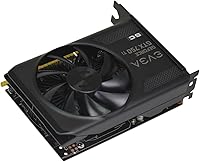
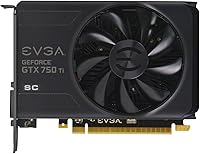
- Color: The card ships in a standard black PCB and cooler finish with no RGB lighting.
- Cooling: Uses a single fan cooler designed to keep thermals in check under typical gaming and media playback workloads.
- API Support: Supports DirectX 11.2, OpenGL 4.4, and OpenCL, covering compatibility with most software from its generation.
Related Reviews
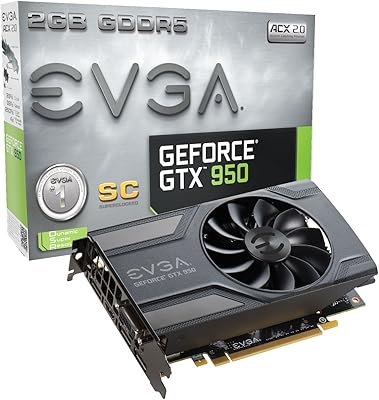
EVGA GTX 950 SC 2GB Graphics Card
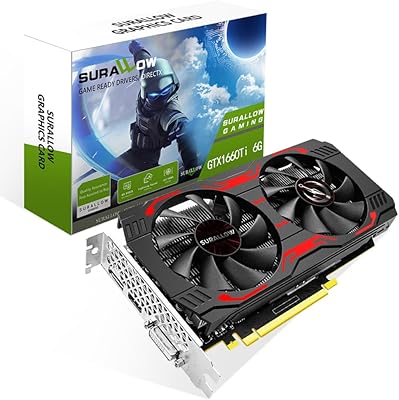
SURALLOW GTX 1660 Ti 6GB Graphics Card
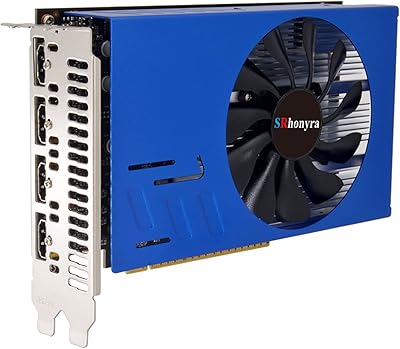
SRhonyra GTX 1050 Ti 4GB Graphics Card
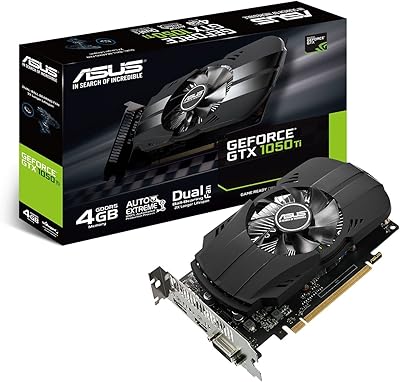
ASUS GTX 1050 Ti 4GB Graphics Card
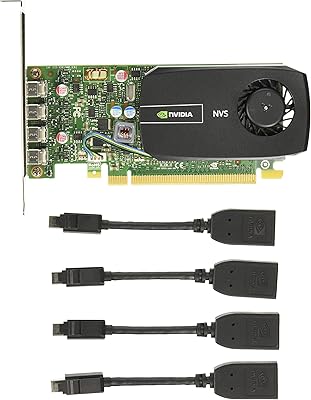
NVIDIA NVS 510 Quadro Graphics Card
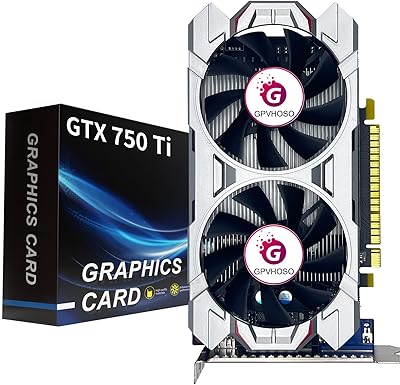
GPVHOSO GTX 750Ti 4GB Graphics Card
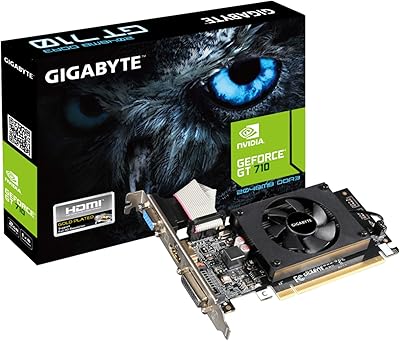
GIGABYTE GeForce GT 710 2GB Graphics Card
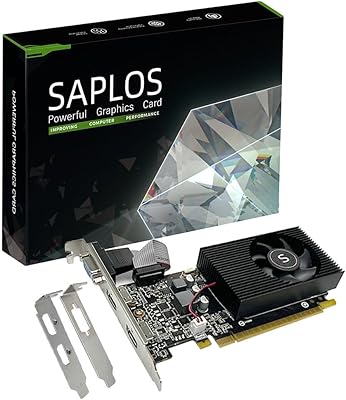
SAPLOS GT 730 2GB DDR3 Low Profile Graphics Card
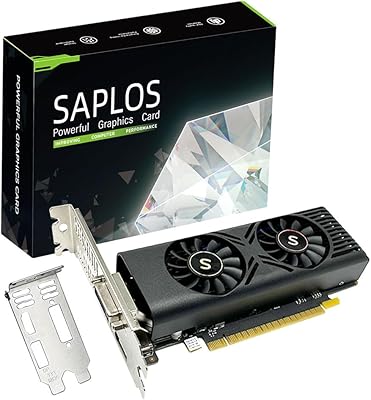
SAPLOS GTX 1050 4GB Graphics Card