Overview

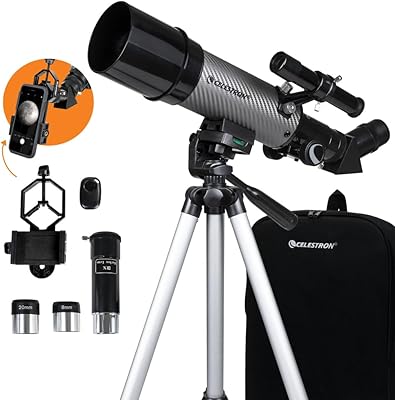
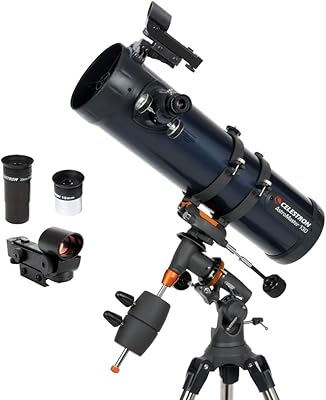
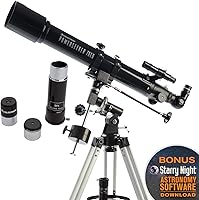
The Celestron PowerSeeker 70EQ Refractor Telescope comes from a California optics company that has been building telescopes since 1960, so you're buying into a brand with genuine credibility. What makes this beginner telescope stand out at its price tier is the inclusion of a German equatorial mount, a feature more commonly found on pricier instruments. It won't compete with mid-range or professional scopes, and it's important to walk in with realistic expectations. That said, it's a genuine optical instrument — not a dressed-up toy. The tube is compact enough to carry in one hand, setup is manageable for most people, and the bundled accessories give newcomers a solid foundation.
Features & Benefits

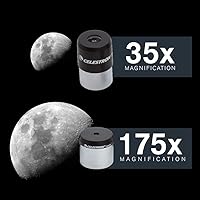
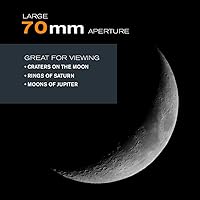
The 70mm aperture is the core of the experience — it gathers enough light to reveal lunar craters in sharp relief, show Saturn's rings as a clearly separate feature, and pick up bright targets like the Orion Nebula on a dark night. The 700mm focal length at f/10 keeps images high-contrast and stable, which benefits beginners more than chasing raw power. The included 20mm and 4mm eyepieces plus a 3x Barlow lens give a working magnification range from 35x to 175x. The equatorial mount, unlike a basic alt-az design, tracks objects along their natural arc across the sky — it takes a little learning, but once you're used to it, extended observations become noticeably smoother.

Best For

This refractor telescope is a natural fit for first-time buyers who want something that actually performs rather than just looks the part. It's also a strong choice for parents and kids exploring the night sky together — portability and a manageable setup mean you're not spending half the evening wrestling with gear. Campers and suburban backyard observers will find it easy enough to carry and deploy. If you're already past the beginner stage or primarily chasing faint galaxies, you'll hit the limits of the PowerSeeker 70EQ fairly quickly. But for casual planetary viewing and lunar detail, it sits squarely in its element.

User Feedback

The most consistent buyer praise centers on first-night results — many owners describe Moon craters and Saturn's rings as genuinely striking straight out of the box. The equatorial mount also earns credit for feeling more substantial than buyers anticipated at this price level. On the downside, the 4mm eyepiece draws frequent complaints: at maximum magnification, atmospheric shimmer and minor optical flaws become obvious, and most users end up leaving it in the case. Finderscope alignment is another common frustration during initial setup, requiring patience from first-timers. Overall, buyer sentiment leans clearly positive, with most reviewers feeling the scope punches above its weight for an entry-level instrument.

Pros

  • Saturn's rings and lunar craters are visible and clearly defined, even on your first night out.
  • The German equatorial mount tracks objects far more smoothly than basic alt-azimuth designs at this price.
  • Compact and light enough to carry to a campsite or dark-sky location without dedicated transport gear.
  • Celestron's two-year US warranty and domestic support team provide genuine post-purchase reassurance.
  • The 20mm eyepiece delivers wide, comfortable views that work well for most beginner targets.
  • A 3x Barlow lens extends the usefulness of both included eyepieces without extra spending.
  • The f/10 focal ratio produces high-contrast, steady images well suited to planetary detail.
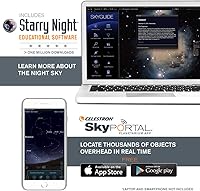
  • Astronomy software is included, giving new observers useful context for what they're seeing.
  • At its price point, this refractor telescope offers more optical and mechanical credibility than most alternatives.
  • The 70mm aperture is genuinely capable of revealing the Orion Nebula and brighter deep-sky showpieces.

Cons

  • The 4mm eyepiece is widely considered too aggressive for the optics — most users stop using it quickly.
  • Finderscope alignment is fiddly and often misaligned out of the box, frustrating first-night observers.
  • The equatorial mount manual is inadequate — expect to rely on outside resources to set it up properly.
  • No carry bag is included, making transportation of all components awkward without improvisation.
  • Chromatic aberration is visible around bright objects, particularly noticeable to buyers with any prior optics experience.
  • Maximum magnification results are heavily dependent on atmospheric conditions and rarely clean in practice.
  • Some plastic components around the focuser feel noticeably cheaper than the metal mount hardware.
  • Deep-sky performance is limited — faint galaxies and dim nebulae are largely out of reach.
  • Replacement or upgraded eyepieces are a near-inevitable additional cost for buyers who stay engaged with the hobby.
  • Assembly time is longer than most product listings imply, particularly for the mount alignment stage.

Ratings

The Celestron PowerSeeker 70EQ Refractor Telescope earns a well-rounded but nuanced rating based on AI analysis of thousands of verified global buyer reviews, with spam, bot activity, and incentivized feedback actively filtered out. The scores below reflect what real owners consistently report after using this beginner telescope in backyards, campsites, and dark-sky locations. Both the genuine strengths and the recurring frustrations are represented transparently — no aspect has been softened to protect the overall impression.
Optical Clarity
78%
22%
For a scope at this tier, the views of the Moon are genuinely impressive — lunar craters, mountain ridges, and terminator detail regularly surprise first-time users. Saturn's rings resolve as a clearly separate structure at moderate magnification, which is the moment most beginners are hoping for.
At the upper end of its magnification range, image sharpness degrades noticeably, especially with the 4mm eyepiece. Chromatic aberration — a slight color fringe around bright objects — is present and more visible to buyers who have experience with better optics.
Mount Quality & Stability
83%
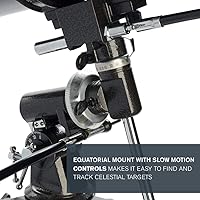
The German equatorial mount feels substantially sturdier than the flimsy alt-azimuth designs common on similarly priced competitors. Slow-motion control rods let you nudge objects back into frame without the whole scope shaking, which becomes genuinely useful during longer observing sessions.
Setting up and aligning an equatorial mount is a real learning curve for absolute beginners, and the instructions don't always make it intuitive. A few buyers report that the mount's clutch knobs are fiddly and can slip, especially in colder outdoor temperatures.
Ease of Assembly
61%
39%
Most buyers can get the telescope assembled within 30 to 45 minutes without prior experience. The components fit together logically, and the tripod is reasonably stable once locked into position.
Mount alignment is where assembly frustration spikes — the process isn't well explained, and first-timers often spend as much time reading forums as they do following the included manual. A handful of reviewers reported loose or misaligned parts straight out of the box.
Accessory Bundle Value
74%
26%
Getting two eyepieces plus a 3x Barlow lens in the box is genuinely useful for a beginner — it provides a workable range of magnifications without any immediate additional spend. The astronomy software download adds a layer of educational context that helps new users understand what they're looking at.
The 4mm eyepiece, while included, is widely considered more of a liability than an asset — it pushes magnification beyond what the optics can cleanly support. The finderscope is functional but requires careful alignment and rewards patience rather than quick setup.
Portability
86%
At under 14 lbs assembled and with a tube just under 18 inches long, this refractor telescope is one of the more packable options in its class. Campers and suburban observers report carrying it to a dark viewing spot without much difficulty.
The tripod adds bulk when disassembled, and there is no dedicated carry bag included, which makes transporting all the loose components slightly awkward. Buyers who want a true grab-and-go experience may find the overall package slightly cumbersome over longer distances.
Eyepiece Quality
57%
43%
The 20mm eyepiece is the clear standout — it delivers a wide, comfortable view at 35x that works well for scanning the Moon and finding planets. Paired with the Barlow, it becomes the go-to combination for most of what this scope does best.
The 4mm eyepiece generates more complaints than any other component. At 175x magnification, atmospheric turbulence and minor optical flaws amplify each other, and most users shelve it quickly. A mid-range replacement eyepiece is a common first upgrade recommendation.
Finderscope Usability
55%
45%
A finderscope is a genuinely useful tool for pointing the telescope at targets before looking through the main eyepiece, and having one included is better than starting without. Once aligned correctly, it does help beginners locate brighter objects faster.
Alignment is the recurring complaint — the finderscope often ships misaligned and requires trial-and-error adjustment that trips up first-time users. The bracket and adjustment screws feel underdeveloped compared to the rest of the scope, and the small aperture limits its usefulness under light-polluted skies.
Build Materials & Durability
72%
28%
The optical tube feels solid and the focuser moves smoothly without excessive wobble. For a scope that may live in a car trunk between uses, it handles typical transport and light outdoor exposure without obvious wear.
Some plastic components — particularly around the focuser housing and accessory fittings — feel noticeably cheaper than the metal parts of the mount. Long-term durability concerns are modest but real, especially for buyers expecting years of regular use.
Value for Money
81%
19%
Relative to no-name scopes at similar prices, the PowerSeeker 70EQ offers a meaningful step up: genuine brand accountability, a real equatorial mount, and optics capable of memorable views. Most buyers feel the price is fair given what arrives in the box.
Buyers upgrading from a quality department-store scope may find the jump smaller than expected. The weaknesses in the accessories — particularly the 4mm eyepiece — mean additional spending is likely within a few months if the buyer stays engaged with the hobby.
Lunar Observation Performance
88%
Lunar viewing is where this beginner telescope consistently earns its strongest praise. Craters, ridges, and the stark contrast of the terminator line look striking at mid-range magnification, and it is reliably the first thing new owners show their families.
Full Moon viewing can appear slightly washed out at high magnification due to the intensity of reflected light — a Moon filter is a useful and inexpensive addition that most owners discover independently. There is little room to complain at this price, but the limitation exists.
Planetary Viewing Performance
76%
24%
Saturn's rings and Jupiter's cloud bands are visible and recognizable, which is a milestone moment for new astronomers. Mars shows a disc at opposition, and Venus phases are observable — enough to keep a beginner engaged across multiple seasons.
Fine planetary detail — subtle banding on Saturn, storm features on Jupiter — is at the edge of what this scope can resolve, and atmospheric seeing conditions heavily influence the result. Buyers expecting Hubble-style clarity will be disappointed; those with calibrated expectations will not.
Deep-Sky Capability
48%
52%
Bright showpiece objects like the Orion Nebula and the Pleiades are detectable and visually interesting under dark or semi-dark skies. For a beginner getting their first look at objects beyond the solar system, it is a meaningful experience.
Faint galaxies, globular clusters, and nebulae require dark skies and patience — and even then, many will appear as little more than a smudge. This is not a deep-sky instrument by any meaningful standard, and buyers primarily interested in galaxies or star clusters will outgrow it quickly.
Instructions & Documentation
53%
47%
The manual covers the basic steps for assembly and gives a brief introduction to equatorial mount concepts, which is more than some budget competitors provide. It is enough to get the scope pointed at the Moon on the first night.
Setup instructions for the equatorial mount are the most common documentation complaint — the process is explained in a way that assumes more background knowledge than most beginners have. Numerous reviewers report turning to YouTube tutorials to fill the gaps.
Brand & Warranty Support
84%
Celestron's reputation in the amateur astronomy community is well established, and the two-year US warranty provides real peace of mind compared to buying from an unknown brand. US-based support is available and reportedly responsive based on owner feedback.
Warranty claims for minor component issues — like a loose finderscope bracket or a sticky focuser — can feel like administrative overhead for buyers who just want to observe. A small number of reviewers report slow turnaround on replacement parts.

Suitable for:

The Celestron PowerSeeker 70EQ Refractor Telescope is purpose-built for curious beginners who want a real astronomy experience without diving into the deep end of the hobby. If you've never owned a telescope before and your primary goals are seeing the Moon up close, spotting Saturn's rings, or watching Jupiter's moons shift position night after night, this scope delivers exactly what those ambitions require. Parents looking for something to share with school-age kids will find it hits a practical balance — it's capable enough to genuinely impress, yet compact and light enough to carry to the backyard or a camping trip without hassle. Buyers who value brand accountability over saving a few dollars on an unknown import will appreciate Celestron's established reputation and the two-year warranty that backs the purchase. If you're the type who likes to learn alongside a tool rather than master it before touching it, this beginner telescope rewards that approach well.
Not suitable for:

The Celestron PowerSeeker 70EQ Refractor Telescope is not the right choice for anyone who has already spent time behind a decent eyepiece and is looking to step up their game. If your primary interest is deep-sky objects — faint galaxies, dim nebulae, or rich star clusters — the 70mm aperture will leave you underwhelmed, and no amount of patience on dark nights will fully compensate for the light-gathering limits of this optical tube. Experienced observers who understand concepts like polar alignment, collimation, or exit pupils will find the overall execution of this scope frustrating rather than functional. This refractor telescope is also not ideal for buyers who expect to unbox, point, and observe within minutes — the equatorial mount requires calibration that genuinely takes time to understand, and the included documentation doesn't bridge that gap reliably. If your budget allows for a meaningful step up, there are more capable options worth the extra investment.
Specifications

  • Optical Design: This telescope uses a refractor design, which passes light through a glass objective lens to produce high-contrast, sharp images well suited to planetary and lunar observation.
  • Aperture: The objective lens measures 70mm (2.76″) in diameter, providing enough light-gathering ability to observe the Moon, planets, and brighter deep-sky objects.
  • Focal Length: The optical tube has a focal length of 700mm, which determines magnification when combined with a given eyepiece.
  • Focal Ratio: The telescope operates at f/10, a relatively slow focal ratio that favors high-contrast, steady views over wide-field observation.
  • Magnification Range: Using the included eyepieces and Barlow lens, the scope delivers a practical magnification range from 35x up to 175x.
  • Limiting Magnitude: Under good conditions, this refractor telescope can theoretically reach a limiting stellar magnitude of 11.7, sufficient for bright stars and prominent deep-sky objects.
  • Max Magnification: The high theoretical magnification ceiling is 165x, though atmospheric conditions and eyepiece quality will typically limit usable performance below this figure.
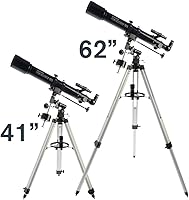
  • Mount Type: The scope ships with a manual German equatorial mount equipped with slow-motion control rods on both axes for smooth, precise celestial tracking.
  • Tube Length: The optical tube measures 17.9 inches in length, keeping the overall assembly compact enough for easy transport and storage.
  • Assembled Weight: Fully assembled with mount and tripod, the system weighs approximately 13.9 lbs (6.3 kg), making it manageable for a single adult to carry short distances.
  • Included Eyepieces: Two eyepieces are included in the box: a 20mm for wider, lower-power views and a 4mm for higher magnification planetary work.
  • Barlow Lens: A 3x Barlow lens is included and triples the effective magnification of each eyepiece, extending the accessory range without additional cost.
  • Finderscope: A basic optical finderscope is included to assist with locating and centering targets before viewing through the main eyepiece.
  • Focus Type: Focusing is performed manually via a rack-and-pinion focuser, with no motorized or electronic focusing assistance.
  • Software Bundle: A free download code for an astronomy software package is included, providing star charts, object databases, and observing guides for new users.
  • Warranty: Celestron provides a 2-year limited warranty for US buyers, backed by a US-based customer support team.
  • Brand & Origin: Celestron is an American optics company founded in California in 1960 and remains one of the most recognized names in consumer telescopes worldwide.
  • Product Dimensions: The fully assembled telescope measures approximately 40″ deep by 40″ wide by 55″ high when set up on its tripod.

Related Reviews
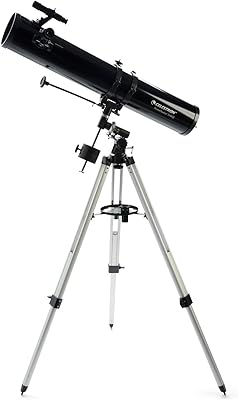
Celestron PowerSeeker 114EQ Reflector Telescope
73%
83%
Optical Performance
61%
Mount Quality
57%
Ease of Setup
74%
Included Accessories
81%
Value for Money
More
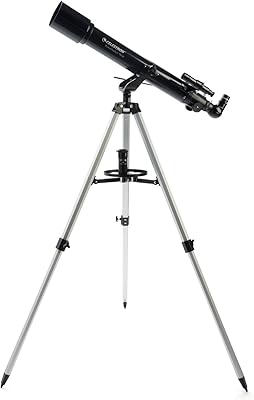
Celestron PowerSeeker 70AZ Refractor Telescope
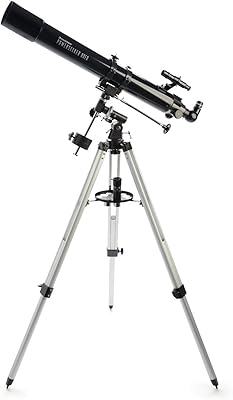
75%
78%
Optical Clarity
88%
Ease of Setup
82%
Mount Usability
61%
Tripod Stability
83%
Value for Money
More
Celestron PowerSeeker 80EQ Refractor Telescope
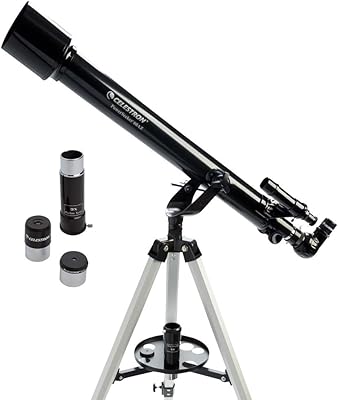
75%
83%
Optical Clarity
67%
Mount Usability
88%
Portability
84%
Value for Money
72%
Build Quality
More
Celestron PowerSeeker 60AZ Refractor Telescope
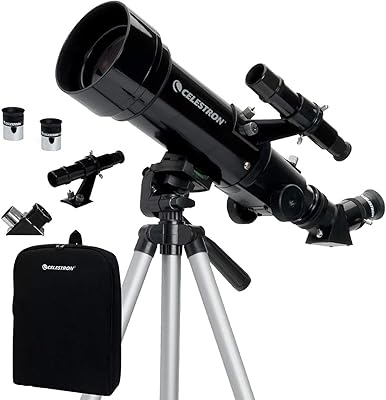
71%
78%
Optical Clarity
62%
Mount & Tracking
54%
Tripod Stability
67%
Eyepiece Quality
83%
Value for Money
More
Celestron Travel Scope 60DX Portable Refractor Telescope
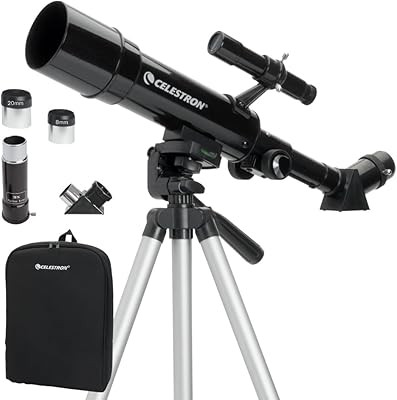
76%
76%
Optical Performance
63%
Build Quality
91%
Portability
89%
Ease of Setup
54%
Tripod Stability
More
Celestron Travel Scope 50 Refractor Telescope
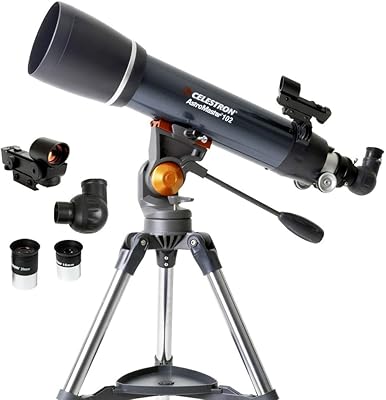
75%
74%
Optical Clarity
91%
Portability & Weight
88%
Ease of Setup
58%
Build Quality & Materials
53%
Tripod Stability
More
Celestron Travel Scope 70
79%
83%
Optical Clarity
91%
Portability & Weight
67%
Build Quality
93%
Ease of Setup
54%
Tripod Stability
More
Celestron AstroMaster 114EQ Reflector Telescope
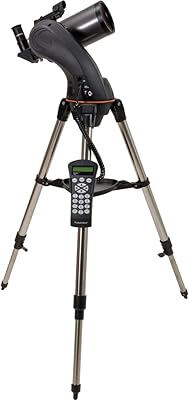
70%
83%
Optical Performance
78%
Mirror & Coating Quality
81%
Equatorial Mount
51%
Collimation Consistency
58%
Included Eyepieces
More
Celestron AstroMaster 90AZ Refractor Telescope
75%
83%
Optical Clarity
91%
Ease of Setup
78%
Mount Usability
62%
Tripod Stability
76%
Value for Money
More
Celestron NexStar 6SE Computerized Telescope
72%
88%
Optical Performance
83%
GoTo Mount Accuracy
86%
SkyAlign Ease of Use
61%
Mount Stability
81%
Portability & Setup Time
More

FAQ

Yes, and it's one of the most reliably satisfying views this beginner telescope delivers. At around 70x to 100x magnification using the 20mm eyepiece and Barlow, Saturn's rings are clearly distinguishable as a separate structure from the planet's disc. It won't look like a photograph, but it's genuinely striking to a first-time observer.

Expect a learning curve. The German equatorial mount is more capable than a basic alt-azimuth design, but it requires alignment with the celestial pole before it tracks accurately, and the included manual doesn't explain this process particularly well. Most new owners find a short YouTube tutorial far more helpful than the printed instructions. Budget about an hour for your first full setup.

Honestly, most owners end up leaving it in the case after a few tries. At 175x magnification, the slightest atmospheric turbulence makes images blurry and unstable, and the optics of this scope aren't really designed to perform cleanly at that power level. The 20mm eyepiece combined with the Barlow lens is the sweet spot for most targets.

You'll get excellent Moon views — craters, ridges, and shadow detail that genuinely impress. Planets like Saturn, Jupiter, and Mars are visible and show recognizable features. Bright deep-sky objects like the Orion Nebula and the Pleiades are detectable, especially from a dark location. Faint galaxies and dim nebulae are largely out of reach — this scope is best thought of as a planetary and lunar instrument.

It works well as a shared experience between a child and an adult, but younger children will need supervision and help with the mount and focusing. The views of the Moon and Saturn tend to genuinely captivate kids. If you're buying it primarily for a young child to use independently, the equatorial mount setup and alignment may be more frustrating than rewarding for them alone.

Not immediately — the included eyepieces, Barlow, and finderscope are enough to get real observing done on the first night. That said, two upgrades that most owners eventually buy are a better mid-range eyepiece (a quality 10mm or 15mm) and a Moon filter, which reduces glare during full Moon observations. Neither is essential to start, but both noticeably improve the experience.

Most buyers report 30 to 60 minutes for a complete first assembly, including the tripod, mount, and optical tube. If you factor in time spent reading supplementary guides to understand the equatorial mount alignment, it can stretch longer on the very first session. Subsequent setups are significantly faster once you're familiar with how everything fits together.

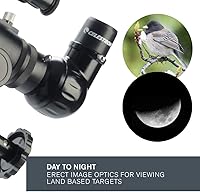
Technically yes, but refractor telescopes at this focal ratio produce an inverted image, which makes daytime viewing of landscapes or wildlife disorienting without a correct-image diagonal. It is not optimized for terrestrial use and most owners use it exclusively for nighttime astronomy.

Unfortunately it is a commonly reported issue. The finderscope bracket can shift during shipping, and the adjustment screws need to be tweaked before the unit is reliable. The standard fix is to point the main scope at a distant daytime object, then adjust the finderscope's alignment screws until both are pointed at the same target. It takes about 10 minutes once you know the process.

Yes, within reason. The optical tube is compact and the assembled weight of under 14 lbs is manageable. The main challenge is that all the components — tube, mount, tripod, and eyepieces — are separate pieces with no dedicated carry bag included. Most owners improvise with a backpack for accessories and carry the tripod separately. For car camping or a short hike to a dark site, it's perfectly practical.

Where to Buy