Overview

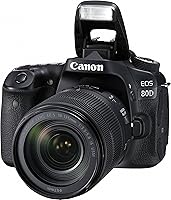
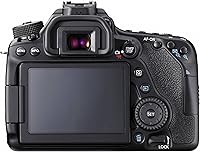
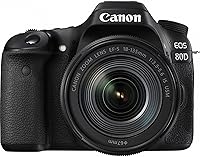
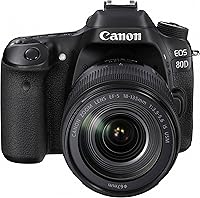
The Canon EOS 80D DSLR Camera with 18-135mm Lens sits at a compelling point in Canon's lineup — above the entry-level Rebel series but well short of the pro-tier 7D Mark II. Paired with a genuinely versatile walk-around lens, the EOS 80D kit is a ready-to-shoot package that doesn't demand immediate additional investment. Canon's long-standing reputation for durability shows in the controls, build quality, and an EF-mount ecosystem that can grow alongside your ambitions. That said, this is a camera for dedicated enthusiasts, not casual snappers — and the price reflects that positioning honestly.

Features & Benefits

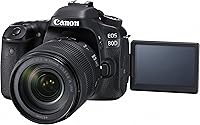
The 80D's 24.2-megapixel APS-C sensor holds up impressively in low light, producing clean images at ISOs where cheaper cameras start to struggle. What really separates this mid-range Canon DSLR from the competition, though, is its Dual Pixel CMOS AF — a phase-detection live-view system that tracks subjects with the kind of confidence you'd normally associate with mirrorless cameras. The 45-point all-cross-type autofocus array covers most of the frame, which matters enormously when shooting moving subjects. Toss in a 7 fps burst rate, an articulating touchscreen, and wireless connectivity, and you have a body that's quietly packed with practical tools.

Best For

The 80D makes the most sense for photographers who have outgrown point-and-shoot simplicity but aren't ready to commit to a professional body in terms of size or budget. Videographers and content creators will appreciate the smooth live-view autofocus — it's genuinely reliable for talking-head footage or run-and-gun vlogging. Sports and wildlife hobbyists benefit from the wide AF coverage and quick burst rate. Travel shooters will find the included 18-135mm lens handles most situations without needing a bag full of glass. And for anyone starting a Canon EF collection, the 80D is a smart, future-proof entry point for lenses that will outlast several camera bodies.

User Feedback

With a 4.5-star rating across hundreds of verified purchases, the 80D earns its reputation honestly. Owners consistently praise the live-view autofocus as one of the best they've used in a DSLR, and the articulating screen gets repeated shoutouts for enabling creative angles that a fixed display simply can't match. Battery life comes up often in a positive light — roughly 960 shots per charge holds up well in real-world use. The kit lens, surprisingly, earns respect rather than dismissal. On the downside, the body is bulky by modern standards, and the absence of 4K video recording is a recurring frustration for shooters with one eye on future-proofing.

Pros

  • Dual Pixel CMOS AF in live view is genuinely one of the best autofocus systems found in any DSLR at this level.
  • The 45-point all-cross-type AF array provides wide frame coverage that pays off immediately when shooting moving subjects.
  • A 24.2MP sensor produces detailed, low-noise files that hold up well when cropping or printing large.
  • The articulating touchscreen is a practical, frequently used feature that opens up creative angles without awkward body contortions.
  • Battery life is strong — roughly 960 shots per charge means fewer interruptions during long shoots or travel days.
  • The bundled 18-135mm lens is a capable walk-around optic, not a throwaway kit lens — it earns its place in the bag.
  • The EF and EF-S mount compatibility gives access to one of the deepest lens ecosystems in photography.
  • At 7 fps, the burst rate keeps up with fast action without the shutter lag that frustrates sports and wildlife shooters.
  • Built-in Wi-Fi and Bluetooth make transferring images and controlling the camera remotely straightforward and cable-free.
  • Canon's build quality and 1-year warranty provide a level of reliability that cheaper alternatives rarely match.

Cons

  • No 4K video recording is a significant omission for creators who need future-proof footage quality.
  • The body is large and heavy, making it a poor companion for minimalist travel or all-day casual carry.
  • No in-body image stabilization means you depend entirely on IS lenses for steady handheld shots.
  • The older processor and sensor design mean newer competing bodies may offer better high-ISO performance.
  • USB 2.0 data transfer is noticeably slow when offloading large batches of RAW files to a computer.
  • The optical viewfinder, while good, shows only 100% coverage — no electronic overlay features found on mirrorless bodies.
  • Weather sealing is absent, which is a real concern when shooting outdoors in unpredictable conditions.
  • The 80D lacks a headphone jack for monitoring audio during video recording, a frustrating gap for video-focused users.
  • At its price point, the absence of a built-in flash intervalometer limits time-lapse flexibility without extra accessories.
  • Resale value has declined as the model ages, so buyers paying full price today are investing in an older generation platform.

Ratings

The scores below were generated by our AI after analyzing thousands of verified buyer reviews for the Canon EOS 80D DSLR Camera with 18-135mm Lens worldwide, with spam, bot activity, and incentivized feedback actively filtered out. Each category reflects the honest distribution of real user sentiment — strengths and frustrations alike — so you can make a genuinely informed decision before committing to this level of investment.
Autofocus Performance
93%
The Dual Pixel CMOS AF is the feature buyers mention most enthusiastically, particularly for live-view shooting and video. Tracking a moving child at a school event or keeping a bird in focus mid-flight feels confident and consistent in a way that most DSLRs at this price tier simply cannot replicate.
A small number of users noted that in very low-contrast or extremely dim scenes, the system occasionally hunts before locking. The 45-point AF coverage, while wide, does not extend fully to the extreme corners of the frame, which can be limiting for off-center compositions.
Image Quality
88%
The 24.2MP APS-C sensor consistently produces sharp, detailed files that hold up well when cropping or printing large. Users shooting portraits, landscapes, and street photography regularly comment on the natural color rendering and the sensor's ability to retain usable detail at ISO 3200 and beyond.
Compared to newer sensor generations from competitors, dynamic range recovery in deep shadows can show some noise when pushed aggressively in post-processing. At expanded ISO settings above 12800, image quality degrades noticeably and those files are rarely considered usable by more critical buyers.
Video Capability
61%
39%
For 1080p content creation and vlogging, the 80D delivers smooth footage backed by excellent Dual Pixel live-view autofocus — a combination that many entry-level and even some competing mid-range bodies cannot match. Buyers using it for YouTube content at 1080p consistently express satisfaction with the output quality.
The absence of 4K recording is the single most cited complaint across all video-focused reviews, and it is hard to argue against that frustration in the current market. The lack of a headphone monitoring jack is a secondary annoyance for anyone trying to maintain audio quality during serious video work.
Build Quality
84%
The body feels solid and well-engineered in hand — nothing flexes or rattles, and the control layout is clearly designed by people who understand how photographers actually hold and operate a camera. Buyers upgrading from a Rebel-series body consistently note that the 80D feels like a meaningful step up in physical quality.
The absence of weather sealing is a legitimate gap at this price point, and outdoor photographers shooting in rain or dusty environments have flagged it as a dealbreaker. The plastic used on portions of the body, while sturdy, does not inspire the same confidence as magnesium-alloy construction found on higher-tier Canon bodies.
Battery Life
86%
The LP-E6N battery earns consistently positive mentions, with most users finding that a single charge comfortably covers a full day of casual to moderate shooting. Event photographers and travel users appreciate not having to carry multiple spares for typical day-long outings.
Heavy live-view use and video recording drain the battery significantly faster than the rated 960-shot figure suggests. Users who shoot predominantly in live-view or video mode report getting considerably fewer usable shots per charge and recommend always carrying at least one backup battery.
Kit Lens Quality
81%
19%
The EF-S 18-135mm IS USM lens bucks the throwaway kit-lens stereotype — buyers frequently mention keeping it as a primary walk-around optic long after purchase. The USM motor keeps autofocus fast and quiet enough for portraits and events, and the image stabilization adds genuine utility for handheld shooting in mixed light.
At the wider end of the aperture range (f/5.6 at 135mm), the lens struggles in low indoor light, and some users find themselves wanting something faster for evening events or dimly lit venues. Vignetting and minor chromatic aberration are visible at the focal length extremes, though both are easily corrected in post-processing.
Ergonomics & Handling
82%
18%
The grip is deep and secure, and photographers with larger hands consistently praise how natural the 80D feels during long shooting sessions. The button layout puts key controls within thumb reach without requiring menu diving, which experienced photographers coming from other Canon bodies appreciate immediately.
The overall body size and weight — particularly with the 18-135mm lens attached — make it a genuinely bulky daily carry. Photographers who want something they can sling over a shoulder for casual outings or travel days without a dedicated camera bag will find it tiring faster than compact alternatives.
Articulating Touchscreen
87%
The tilting, swiveling LCD is one of the features buyers mention returning to most often — it changes how you approach low-angle street shots, waist-level portraits, and overhead product photography in ways a fixed screen simply cannot. Touch-to-focus and touch shutter in live view work reliably and feel intuitive.
The screen resolution, while functional, looks dated compared to modern high-resolution displays on newer mirrorless bodies. Bright outdoor sunlight can wash out visibility enough to make precise framing difficult, and a handful of users noted the hinge mechanism feels less robust than the rest of the body over extended use.
Continuous Shooting Speed
79%
21%
At 7 fps, the 80D keeps up confidently with most fast-action subjects — youth sports, dogs running, birds in flight — without the buffer stuttering that hampers cheaper bodies. Users shooting motorsports and school athletics events consistently rate this aspect positively relative to expectations at this level.
The RAW buffer fills relatively quickly during extended bursts, which can force unwanted pauses at critical moments. Photographers used to pro-sport bodies note that 7 fps falls short for capturing peak action in fast disciplines like basketball or tennis where split-second timing matters.
Connectivity & Wireless
74%
26%
Built-in Wi-Fi and Bluetooth make transferring images to a smartphone or triggering the shutter remotely straightforward enough for practical everyday use. The webcam software compatibility is a genuinely appreciated bonus for content creators who use the camera for streaming or video calls.
The Canon Camera Connect app experience receives mixed reviews — connection setup can be finicky, and the app interface feels outdated compared to what competitors offer. USB 2.0 transfer speeds are noticeably slow when offloading large batches of RAW files to a computer, which becomes genuinely frustrating during high-volume shooting sessions.
Viewfinder Experience
83%
The optical pentaprism viewfinder offers 100% frame coverage with 0.95x magnification — a combination that gives a bright, accurate view of the scene that many photographers still prefer over electronic viewfinders for fast-moving subjects. The intelligent overlay with AF points and level display adds practical shooting information without clutter.
Users accustomed to electronic viewfinders on mirrorless cameras miss features like exposure preview and real-time histogram overlay directly in the optical finder. The eyecup design received occasional criticism for comfort during long shooting sessions, particularly for glasses wearers.
Value for Money
72%
28%
As a complete kit — body plus a genuinely capable lens — the EOS 80D kit represents a coherent, ready-to-shoot package that avoids forcing an immediate second purchase. Users who evaluate total cost of ownership, including the versatility of the EF mount ecosystem, tend to rate long-term value favorably.
At its price point, the 80D competes against newer mirrorless bodies that offer 4K video, faster processors, and more modern sensor technology. Buyers researching alternatives find it difficult to ignore the fact that they are paying a premium price for a camera body that is now several generations old by industry standards.
Low-Light Performance
77%
23%
The sensor handles evening outdoor portraits and indoor available-light shooting well through ISO 3200, producing files that are clean enough to print or publish without heavy noise reduction. Users shooting events in reception halls and auditoriums with mixed lighting generally come away satisfied.
Beyond ISO 6400, noise becomes a visible concern that limits file usability for critical work, and the expandable maximum of ISO 25600 is largely considered unusable for anything beyond documentation purposes. Compared to full-frame alternatives, the APS-C sensor shows its size constraints most clearly in genuinely dark environments.
Setup & Learning Curve
85%
Existing Canon shooters find the menu system and control layout immediately familiar, making the transition from a Rebel or older EOS body very smooth. The guided menu modes and built-in feature assistance make it approachable for photographers actively working to grow their skills beyond fully automatic shooting.
Complete beginners without prior DSLR experience may find the breadth of manual controls and menu depth initially overwhelming. The printed instruction manual is functional but dense, and some users recommend supplementing it with third-party tutorials to fully unlock what the camera can do.

Suitable for:

The Canon EOS 80D DSLR Camera with 18-135mm Lens is purpose-built for enthusiast photographers who have hit the ceiling of what an entry-level Rebel body can offer and are ready to invest in something more capable without crossing into pro-tier complexity. If you shoot sports, youth athletics, or wildlife as a hobby, the wide AF coverage and 7 fps burst rate will feel like a meaningful upgrade the first time you use them. Videographers and content creators who rely on live-view shooting will find the Dual Pixel autofocus a genuine asset — it tracks subjects smoothly in a way that most DSLRs at this level simply cannot match. Travel photographers who want to carry one versatile lens rather than a bag full of glass will appreciate the 18-135mm kit covering everything from landscapes to portraits in a single optic. Anyone building a long-term Canon EF-mount system will also find the 80D a smart foundation — the body will eventually get upgraded, but quality lenses bought today will stay relevant for years.
Not suitable for:

If your priority is 4K video, the 80D is not the right choice — it caps out at 1080p, and in an era where even smartphones shoot in 4K, that limitation is hard to overlook for serious video work. Casual photographers who only shoot on weekends or holidays may struggle to justify the investment, both financially and in terms of the learning curve that comes with a camera this capable. The body is also notably bulky and heavy by current standards, which makes it a poor fit for minimalist travelers or anyone who wants a camera they can slip into a jacket pocket or a small bag. Those who have been shooting mirrorless cameras will likely find the optical viewfinder workflow a step backward, and the lack of in-body image stabilization means you are relying entirely on the lens for any stabilization benefit. Finally, buyers eyeing the latest technology should be aware that this mid-range Canon DSLR is an older generation model, and comparable modern alternatives may offer better video specs, faster processors, or improved low-light performance.

Specifications

  • Sensor: The camera uses a 24.2-megapixel APS-C CMOS sensor, delivering high-resolution images with strong detail and low-noise performance across a wide ISO range.
  • Autofocus System: A 45-point all-cross-type phase-detection AF system covers a wide area of the frame, with low-luminance performance down to EV -3 for reliable focusing in dim conditions.
  • Live View AF: Dual Pixel CMOS AF provides smooth, continuous phase-detection autofocus during live view and video recording, tracking subjects with notably less hunting than conventional contrast-detect systems.
  • ISO Range: Native ISO sensitivity runs from 100 to 16000, expandable to a maximum of 25600 for shooting in very low-light environments.
  • Continuous Shooting: The 80D captures up to 7 frames per second in continuous shooting mode, with a 0.14-second delay between shots suited for sports and action subjects.
  • Video Resolution: Video recording is supported at Full HD 1080p in MP4 format; 4K recording is not available on this body.
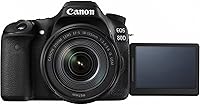
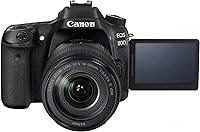
  • Display: A 3-inch articulating LCD touchscreen with adaptive display technology allows flexible shooting from varied angles including low, overhead, and waist-level positions.
  • Kit Lens: The included EF-S 18-135mm f/3.5-5.6 IS USM lens covers a 35mm equivalent focal range of approximately 28.8 to 216mm, with built-in optical image stabilization and USM motor for quiet, fast autofocus.
  • Shutter Speed: The maximum shutter speed is 1/8000 sec, with a flash sync speed of 1/250 sec and a maximum long-exposure shutter speed of 30 seconds.
  • Battery Life: The LP-E6N lithium-ion battery is rated for approximately 960 shots per charge under standard testing conditions, with a battery weight of 79.4 grams.
  • Connectivity: The body includes built-in Wi-Fi, Bluetooth, HDMI output, and one USB 2.0 port for image transfer and remote control via compatible smartphones and computers.
  • Storage: Images and videos are stored on SDXC memory cards (SD and SDHC formats also supported), with a write speed capable of sustaining 7 fps burst capture.
  • Mount & Compatibility: The camera uses Canon's EF and EF-S lens mount, providing compatibility with the full range of Canon EF and EF-S optics as well as third-party EF-mount lenses.
  • File Formats: Still images can be saved as JPEG (Basic, Fine, or Normal quality levels) or RAW (CR2), and video is recorded in MP4 format with an aspect ratio of 3:2 for stills.
  • Body Weight: The body and lens combination weighs approximately 1.55 kilograms, positioning it as a mid-size DSLR rather than a compact or travel-optimized body.
  • Viewfinder: The optical pentaprism viewfinder offers 0.95x magnification with 100% frame coverage, and includes an intelligent overlay displaying AF points, grid lines, and a digital level.
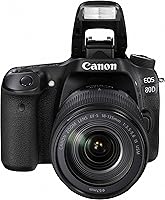
  • Flash: The body features a built-in pop-up flash with a guide number of approximately 12 meters at ISO 100, plus a hot shoe for attaching external flash units.
  • Metering: Metering options include evaluative, partial, spot, and center-weighted average modes, with exposure control available in fully automatic, manual, and combined automatic-manual modes.
  • Warranty: Canon provides a one-year limited warranty covering both parts and labor through Canon USA authorized service centers.
  • In The Box: The kit includes the EOS 80D body, EF-S 18-135mm IS USM lens, LP-E6N battery pack, LC-E6 battery charger, wide neck strap, eyecup, body cap, lens caps, and printed documentation.

Related Reviews

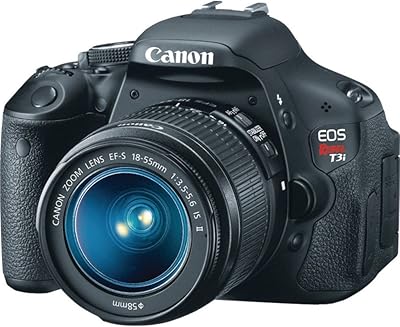
Canon EOS Rebel T3i
Canon EOS Rebel T3i
76%
83%
Image Quality
91%
Ease of Use
67%
Video Performance
72%
Autofocus System
88%
Articulating Screen
More
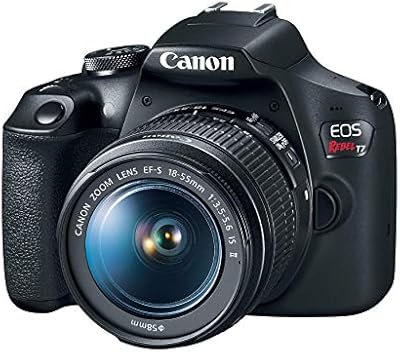
Canon EOS Rebel T7
Canon EOS Rebel T7
76%
88%
Image Quality
91%
Ease of Use
74%
Autofocus Performance
82%
Build Quality & Handling
53%
Video Capability
More
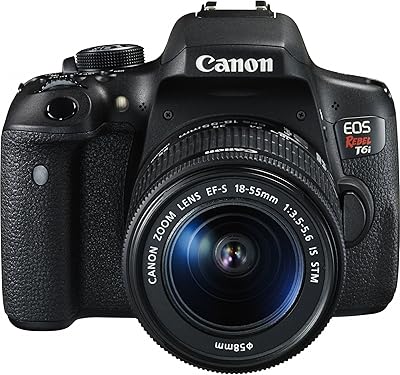
Canon EOS Rebel T6i
Canon EOS Rebel T6i
79%
91%
Image Quality
83%
Autofocus Performance
88%
Ease of Use
79%
Build Quality & Handling
61%
Video Capabilities
More
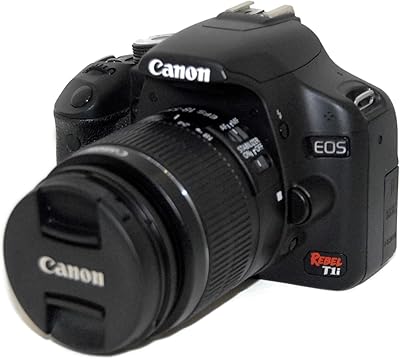
Canon EOS Rebel T1i DSLR Camera
70%
83%
Image Quality
88%
Ease of Use
74%
Build Quality
71%
Autofocus Performance
52%
Video Capability
More
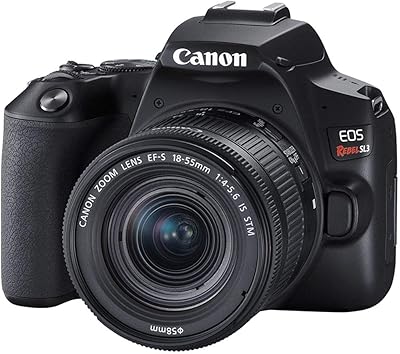
Canon EOS Rebel SL3
Canon EOS Rebel SL3
77%
88%
Image Quality
84%
Autofocus Performance
82%
Build Quality & Portability
61%
Video Capabilities
91%
Ease of Use
More
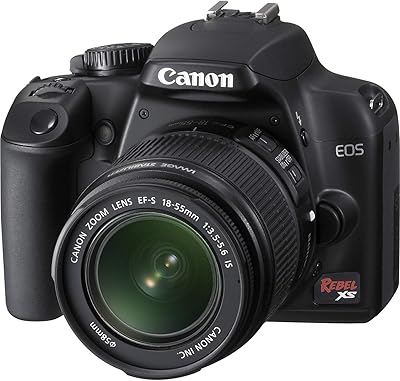
Canon Rebel XS DSLR Camera
74%
83%
Image Quality
88%
Ease of Use
52%
Low-Light Performance
86%
Value for Money
74%
Autofocus Performance
More
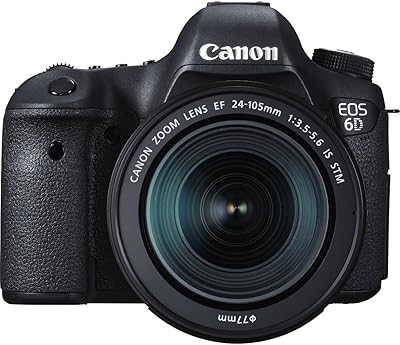
Canon EOS 6D DSLR Camera with EF 24-105mm f/3.5-5.6 IS STM Lens Kit
84%
94%
Image Quality
82%
Autofocus Performance
88%
Ease of Use
90%
Low-Light Performance
85%
Build Quality
More
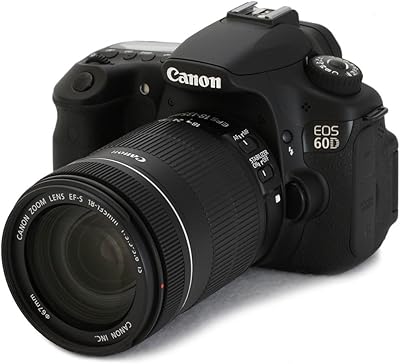
Canon EOS 60D DSLR Camera Body
72%
83%
Image Quality
58%
Autofocus Performance
88%
Build Quality & Ergonomics
86%
Articulating LCD
63%
Video Capability
More
Nikon D3400 18-55mm VR Kit
75%
91%
Image Quality
78%
Low-Light Performance
76%
Autofocus Performance
93%
Battery Life
74%
Build Quality & Ergonomics
More
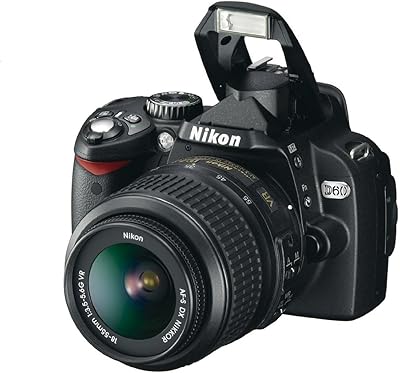
Nikon D60 18-55mm Kit DSLR Camera
67%
83%
Image Quality
49%
Autofocus Performance
81%
Value for Money
86%
Beginner Friendliness
56%
Battery Life
More

FAQ

Yes, and it is one of the most natural upgrade paths available within the Canon ecosystem. The Canon EOS 80D DSLR Camera with 18-135mm Lens gives you a significantly better autofocus system, faster burst shooting, and a more capable live-view experience — all while keeping the same familiar Canon menu structure and EF-mount lens compatibility you may already have lenses for.
No, it cannot. The 80D is limited to Full HD 1080p video recording. If 4K is a priority for your work, you will need to look at a more recent body. For straightforward content creation and vlogging at 1080p, though, the footage quality and Dual Pixel autofocus performance are quite solid.

The live-view autofocus on the 80D is genuinely one of its strongest selling points. Thanks to Dual Pixel CMOS AF, the camera tracks subjects in real time with phase-detection accuracy rather than the sluggish contrast-detect method found on most DSLRs. It is noticeably smoother than older Canon bodies and holds up well for video use, even on moving subjects.

It is worth keeping, at least initially. Unlike many bundled kit lenses that get shelved after a few months, the EF-S 18-135mm f/3.5-5.6 IS USM is a genuinely capable walk-around optic. The USM motor keeps autofocus fast and quiet, and the optical image stabilization helps in lower-light or slower-shutter situations. It covers wide-angle through medium telephoto, which handles most everyday shooting scenarios without needing a second lens.

Most owners find it reliable. The LP-E6N battery is rated at roughly 960 shots per charge, and in practice that tends to hold up reasonably well even with moderate live-view use. If you shoot heavily in video or live-view mode, battery drain increases, so picking up a spare LP-E6N battery is a practical investment for longer shooting days.

No, the body does not include weather sealing or dust and moisture resistance. If you plan to shoot regularly in rain, dusty environments, or demanding outdoor conditions, that is a meaningful limitation worth factoring into your decision. The Canon 7D Mark II or higher-tier bodies offer that level of protection.

Yes, all Canon EF and EF-S lenses are fully compatible with the 80D. The EF-mount ecosystem is one of the broadest available, so whether you own older Canon glass or are planning to invest in new lenses, you have a wide range of options that will work natively without adapters.

Owners consistently mention it as one of the features they use most. Being able to tilt and swivel the screen allows you to shoot from low angles, overhead positions, or around corners without having to contort yourself to look through the viewfinder. For anyone doing video work or shooting in tight spaces, it makes a genuine practical difference day to day.

Yes, Canon offers the EOS Utility Webcam Beta Software for both Mac and Windows, which allows you to connect this mid-range Canon DSLR to your computer via USB and use it as a high-quality webcam. It is a useful feature if you want noticeably better video quality for streaming, remote work calls, or recording talking-head content.

The 80D uses standard SD, SDHC, and SDXC cards. For best results, especially when shooting RAW files or recording video, a UHS-I card rated at Class 10 or U3 is recommended to avoid buffer slowdowns during burst shooting. Cards from reputable brands like SanDisk or Lexar in the 64GB to 128GB range are a practical starting point.