Overview

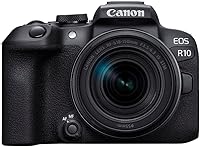
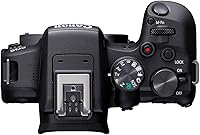
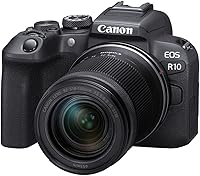
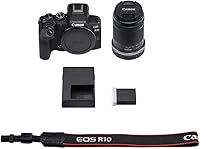
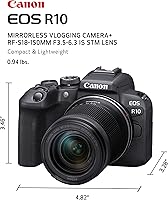
The Canon EOS R10 with RF-S18-150mm F3.5-6.3 IS STM is a compact mirrorless kit that punches well above its size, pairing a capable APS-C body with an 18-150mm all-in-one zoom that covers most everyday shooting situations without requiring a bag full of glass. For enthusiasts stepping up from a smartphone or an aging DSLR, the transition feels intuitive rather than overwhelming. The 24.2MP CMOS sensor and Canon's DIGIC X processor work together to deliver sharp, detailed images across a wide range of lighting. Being part of the RF mount ecosystem also means there is a clear upgrade path when your ambitions eventually outgrow the kit.
Features & Benefits

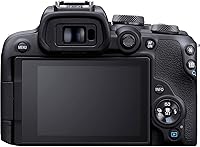
What makes the EOS R10 stand out in practice is how often the autofocus simply works. Canon's Dual Pixel CMOS AF II covers 651 zones and locks onto people, animals, and moving vehicles with impressive consistency — a genuine advantage when shooting spontaneous moments or recording solo video. Burst shooters get 15fps mechanical and 23fps electronic options. For video, 4K up to 60p looks clean, though note it applies a slight additional crop compared to Full HD, which matters if you plan to reframe heavily in post. The tilting touchscreen makes composing at awkward angles comfortable, and USB charging lets you top off the battery from a power bank without ever removing it.

Best For

This Canon mirrorless kit was clearly designed for a specific type of shooter: someone who wants consistent results across varied situations without carrying multiple lenses or decoding complex menus. Travel photographers will appreciate the 18-150mm range covering wide landscapes through to compressed portraits in one compact package. Vloggers and content creators benefit from reliable subject tracking during self-recorded video. Pet owners and hobbyists shooting wildlife in parks find the animal-detection autofocus surprisingly capable. Students in visual media programs also get a genuinely versatile tool that performs well for both assignments and personal projects, making it easy to justify as an all-around workhorse.

User Feedback

Owners consistently highlight autofocus reliability as the standout real-world strength, especially when filming children, pets, or anything that moves unpredictably. The compact size and comfortable grip earn steady praise from users who put in long shooting days. Where opinions diverge is on battery life — the LP-E17 runs short by modern standards, and carrying a spare is a near-universal recommendation among experienced users. The single card slot rarely bothers the target audience but is worth noting if you shoot events where redundancy matters. A handful of veteran shooters flag the lack of in-body stabilization as a tradeoff, though for most buyers coming from this category, the overall package lands as a confident and well-rounded choice.

Pros

  • Subject tracking autofocus locks on fast and holds focus reliably across people, animals, and moving vehicles.
  • The 18-150mm kit lens covers an impressive range without ever needing a lens swap during a typical shoot.
  • 4K video at up to 60p produces smooth, detailed footage that holds up well for online content and social media.
  • At around 1.63 lbs with lens, this APS-C camera is light enough to carry comfortably through a full day of travel.
  • The tilting touchscreen makes low-angle and overhead framing intuitive, especially during solo vlogging sessions.
  • USB charging lets you top off the battery from a power bank mid-trip without removing it from the body.
  • 23fps electronic shutter captures fast action reliably, reducing the chance of missing a peak moment.
  • Wi-Fi and Bluetooth transfer images directly to a smartphone quickly after a shoot.
  • The RF mount opens access to a growing, high-quality lens ecosystem as your photography ambitions expand.
  • Intuitive menus and a guided shooting mode make the learning curve manageable for first-time mirrorless users.

Cons

  • Battery life is short enough that most real-world users recommend buying a spare LP-E17 from the start.
  • The 4K mode applies an additional crop factor that narrows your field of view compared to shooting in Full HD.
  • No weather sealing makes shooting in rain, dust, or humid beach environments feel like a calculated risk.
  • The single card slot offers no backup redundancy, which matters more than most beginners initially expect.
  • No headphone jack means you cannot monitor audio levels in real time during video recording.
  • The screen only tilts on a single axis, limiting flexibility for creators who frequently shoot facing the camera.
  • High-ISO performance above 6400 introduces visible noise that requires post-processing to manage cleanly.
  • The kit lens aperture narrows to F6.3 at the telephoto end, which hurts performance in lower light conditions.
  • No in-body stabilization means handheld smoothness depends entirely on the lens being used at any given moment.

Ratings

The Canon EOS R10 with RF-S18-150mm F3.5-6.3 IS STM has been evaluated by our AI rating system after processing verified owner reviews from global markets, with spam, bot activity, and incentivized feedback actively filtered out. Across thousands of real-world accounts — from travel bloggers and student filmmakers to everyday family photographers — this kit consistently earns strong marks, though a handful of practical limitations surface repeatedly enough to be taken seriously. The scores below reflect both what buyers genuinely love and where the camera falls short, so you can make a clear-eyed decision.
Autofocus Performance
93%
Owners across skill levels describe the subject tracking as one of the most reliable they have used in this camera class. Whether filming a toddler at a birthday party or tracking a dog mid-sprint through a park, the 651-zone Dual Pixel system locks on fast and holds focus with minimal hunting.
In very low light or cluttered backgrounds with overlapping subjects, a small number of users report occasional focus hesitation. It is not a frequent complaint, but shooters working in dimly lit indoor events notice it more than those shooting outdoors.
Image Quality
88%
The 24.2MP sensor produces detailed, color-accurate images that hold up well when cropped or printed large. Landscape shooters and portrait hobbyists frequently comment on how natural the skin tones look straight out of camera, with minimal need for heavy post-processing.
At higher ISO settings — particularly beyond 6400 — noise becomes visible and fine details soften noticeably. For bright daylight shooting this is rarely an issue, but in low-light events like concerts or evening street photography, the APS-C sensor shows its limits compared to larger formats.
Video Capability
81%
19%
4K at up to 60p is a genuine asset for content creators who want smooth, cinematic footage without investing in a dedicated video rig. The in-lens stabilization does meaningful work when walking and recording handheld, which vloggers on the move particularly appreciate.
The additional crop in 4K mode compared to Full HD catches some buyers off guard, effectively narrowing the field of view more than expected. Users planning to reframe or stabilize footage heavily in post should factor this in, as it limits compositional flexibility at the wide end.
Ease of Use
91%
The menu system and touchscreen interface are intuitive enough that users upgrading from a smartphone describe the learning curve as genuinely manageable. The guided mode and clear labeling make it approachable for beginners without feeling patronizing to more experienced shooters.
The button layout is on the compact side, and a few users with larger hands find the rear controls feel cramped during extended shooting sessions. Customization options exist but take some time to dial in, and the default configuration does not suit every workflow out of the box.
Build Quality & Portability
84%
At roughly 1.63 lbs with the kit lens attached, the EOS R10 is light enough to carry all day without shoulder fatigue, which travel photographers specifically call out as a decisive advantage. The body feels solid in hand and the external finish holds up well to everyday handling.
There is no weather sealing on this body, which limits confidence when shooting in light rain or dusty outdoor environments. Users who shoot festivals, hikes, or beach outings mention this as a real gap at this price point, particularly given that competing bodies in the same tier sometimes offer basic splash resistance.
Battery Life
62%
38%
USB charging via the PD-E adapter is a practical touch that owners appreciate during travel — being able to top up from a power bank without removing the battery saves time and reduces anxiety on long shooting days away from a power outlet.
The LP-E17 battery drains faster than most buyers expect, especially with 4K video or the electronic viewfinder in heavy use. Carrying at least one spare is the near-universal advice from experienced owners, which adds cost and inconvenience that buyers should factor in from the start.
Kit Lens Quality
79%
21%
The 18-150mm range delivers genuine versatility — users describe switching from a wide mountain landscape to a tighter wildlife frame without changing lenses as a real quality-of-life improvement. The silent STM motor also makes it a clean choice for video where lens noise would otherwise bleed into audio.
At the telephoto end and in low light, the variable aperture of F6.3 forces the camera to push ISO higher, which affects sharpness and noise in challenging conditions. Optical sharpness is solid in the center of the frame but drops off toward the edges at wider focal lengths, a known characteristic of high-range zoom lenses in this class.
Connectivity & Transfer
86%
Wi-Fi and Bluetooth integration with Canon's Camera Connect app works reliably for quick social media exports directly from a shoot. Wireless remote triggering is smooth and responsive, which solo creators doing self-directed video find genuinely useful.
Transferring large RAW files over Wi-Fi is noticeably slower than a direct cable or card reader connection. A handful of users also report that the Bluetooth connection occasionally drops and requires re-pairing, which is a minor but recurring annoyance.
Viewfinder Experience
74%
26%
The electronic viewfinder gives a real-time exposure and white balance preview that film photographers and DSLR converts find helpful for quickly dialing in settings before committing to a shot. Blackout time between bursts is short enough that fast action remains readable.
The EVF resolution and magnification are modest compared to higher-tier mirrorless bodies. In very bright sunlight, some users find themselves squinting to read fine detail, and the eyecup design leaves a little to be desired for eyeglass wearers who shift between the EVF and the screen frequently.
Value for Money
83%
Considering the autofocus capability, video feature set, and the lens range bundled into the kit, most buyers feel the pricing is fair for what is delivered. Users who researched alternatives before buying frequently mention that comparable kits from other brands felt less intuitive or required additional lens purchases to match versatility.
The single card slot, absent weather sealing, and missing in-body stabilization collectively give some buyers pause when weighing the asking price against what the competition offers. Photographers who scrutinize specs closely can find the gap between this and a step-up body feels narrower than the price difference suggests.
Screen & Touch Interface
87%
The tilting touchscreen makes low-angle and overhead framing feel natural rather than awkward, a feature vloggers and travel shooters rely on constantly. Touch-to-focus response is fast and accurate, and the anti-smudge coating holds up well over time with regular handling.
The screen only tilts on a single axis, which limits flexibility compared to fully articulating designs popular with solo video creators who frequently need to see themselves while recording. A fully rotating display is a common wishlist item among users who came from competitor bodies that offer it.
Continuous Shooting & Speed
89%
The 23fps electronic shutter is fast enough to reliably capture peak action moments in sports, pet photography, and quick street scenes where timing is everything. Owners who shoot youth sports and dance recitals specifically mention how often they walk away with usable sharp frames they would have missed at slower speeds.
The RAW buffer fills up relatively quickly during extended electronic shutter bursts, requiring a brief pause before shooting again. For casual action shooting this rarely matters, but photographers covering fast, sustained action sequences — like a penalty shootout or a dog agility run — will notice the limitation.
Audio & Video Extras
68%
32%
The absence of a headphone jack is offset somewhat by the built-in microphone quality being above average for a camera in this tier, and the hot shoe allows attachment of an external mic without extra adapters. Video creators who use a cage or small rig find it integrates cleanly into basic setups.
No headphone monitoring port means there is no way to check audio levels in real time during recording — a meaningful omission for anyone serious about clean video production. Users doing interview-style content or event coverage consistently flag this as something they had to work around with an external recorder.
RF Ecosystem Potential
88%
Owning an RF-mount body opens access to one of the more compelling lens lineups currently available, and users who started with this kit frequently describe it as a rewarding long-term investment. The ability to add native RF primes or L-series glass later without changing bodies adds genuine strategic value.
RF lenses, particularly the higher-quality options, carry a significant price premium that can make the system feel expensive to grow into. EF and EF-S lens users can adapt their existing glass, but the added adapter cost and slight handling changes are worth considering before fully committing to the ecosystem.

Suitable for:

The Canon EOS R10 with RF-S18-150mm F3.5-6.3 IS STM is a strong match for anyone who wants a capable, versatile camera without the bulk or complexity of a professional system. Travel photographers will find the 18-150mm zoom range genuinely liberating — covering wide cityscapes through to compressed portrait work with a single lens that fits in a small bag. Vloggers and solo content creators benefit directly from the subject-tracking autofocus, which handles self-recorded video reliably even without an operator behind the camera. Parents documenting family life, students building a visual media portfolio, and hobbyists photographing pets or local wildlife all sit squarely in this camera's comfort zone. If you are stepping up from a smartphone or an older DSLR and want a system you can grow into over time, the RF mount ecosystem gives this kit real long-term relevance beyond the entry-level purchase.
Not suitable for:

Serious video professionals and hybrid shooters with demanding production requirements will likely find the Canon EOS R10 with RF-S18-150mm F3.5-6.3 IS STM too limited in a few critical areas. The absence of in-body image stabilization means handheld video quality depends entirely on the lens, which is fine for the kit zoom but becomes a constraint when switching to other glass. There is no headphone monitoring port, which rules it out for anyone who needs to verify clean audio during interviews or event coverage without adding an external recorder. The single memory card slot is a non-issue for personal use but a real limitation for event photographers who rely on dual-slot redundancy as a professional safeguard. Photographers working regularly in challenging outdoor conditions — rain, dust, humidity — will also miss weather sealing, which this body does not offer. If your work demands a fully articulating screen, the single-axis tilt will feel like a compromise after shooting even one day of solo video content.
Specifications

  • Sensor: The camera uses a 24.2MP APS-C CMOS sensor that captures detailed images across a wide range of lighting conditions.
  • Processor: Canon's DIGIC X image processor handles fast data throughput, enabling high-speed shooting and efficient noise management.
  • Autofocus System: Dual Pixel CMOS AF II covers approximately 100% of the frame with up to 651 selectable zones and supports subject detection for people, animals, and vehicles.
  • Continuous Shooting: The camera shoots at up to 15fps with the mechanical shutter and up to 23fps using the electronic shutter.
  • Video Resolution: Records 4K video at up to 60p and Full HD at up to 120p, with RAW video output supported via Micro-HDMI.
  • ISO Range: Native ISO range spans 100 to 32000, expandable to 51200 for shooting in extremely low-light environments.
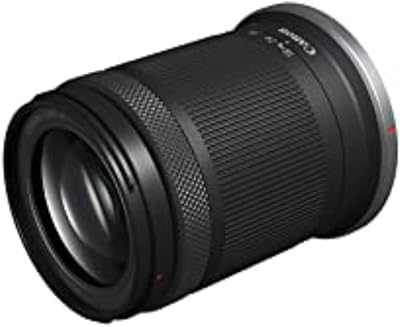
  • Lens Included: The kit includes the RF-S 18-150mm F3.5-6.3 IS STM lens, constructed from 17 elements in 13 groups with a 55mm filter thread.
  • Image Stabilization: Optical image stabilization is built into the RF-S 18-150mm lens; there is no in-body stabilization system on this body.
  • Screen: A 3″ tilting touchscreen with 1,040,000-dot resolution and capacitive touch input is mounted on a single-axis tilt mechanism.
  • Viewfinder: An electronic viewfinder is built into the body for eye-level composition and real-time exposure preview.
  • Memory Slot: A single UHS-II SD/SDHC/SDXC card slot handles all storage; there is no secondary or backup slot.
  • Battery: Powered by a Canon LP-E17 lithium-ion battery pack, which supports in-body USB charging via the optional PD-E adapter.
  • Connectivity: Built-in Wi-Fi and Bluetooth enable smartphone pairing via Canon's Camera Connect app for remote shooting and image transfer.
  • Ports: The camera body includes one USB port, one Micro-HDMI output, and a 3.5mm external microphone input jack.
  • Lens Mount: Uses the Canon RF mount and is fully compatible with RF and RF-S lenses, as well as EF and EF-S lenses via the Mount Adapter EF-EOS R.
  • Weight: The complete kit weighs approximately 1.63 lbs with the RF-S 18-150mm lens attached.
  • Shutter Speed: Mechanical shutter speeds range from 30 seconds to 1/4000s, with electronic shutter extending the upper limit further.
  • File Formats: Supports JPEG, HEIF, RAW, and C-RAW still image formats, with 16-bit depth and aspect ratio options including 3:2, 4:3, and 16:9.
  • Shooting Modes: Includes full Manual, Aperture Priority, Shutter Priority, Program, and Bulb modes alongside a guided Auto mode.
  • Warranty: Covered by a 1-year manufacturer warranty from Canon USA.

Related Reviews
Canon RF-S18-150mm F3.5-6.3 Lens
85%
91%
Image Stabilization
75%
Autofocus Performance
95%
Portability/Size/Weight
65%
Low-Light Performance
85%
Build Quality
More
Canon EOS R50
Canon EOS R50
79%
93%
Autofocus Performance
88%
Image Quality
86%
4K Video Quality
57%
Battery Life
91%
Portability & Build
More
Canon EOS 6D DSLR Camera with EF 24-105mm f/3.5-5.6 IS STM Lens Kit
84%
94%
Image Quality
82%
Autofocus Performance
88%
Ease of Use
90%
Low-Light Performance
85%
Build Quality
More
Canon RF-S10-18mm F4.5-6.3 IS STM Ultra-Wide-Angle Zoom Lens
87%
94%
Image Stabilization
90%
Portability/Weight
88%
Sharpness/Optical Quality
86%
Ease of Use
89%
Video Focus Smoothness
More
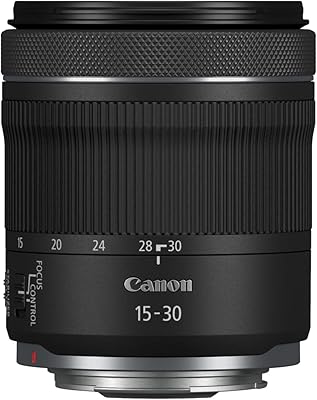
Canon RF15-30mm F4.5-6.3 IS STM Lens
87%
88%
Image Quality
91%
Optical Stabilization
85%
Build Quality
92%
Portability
87%
Ease of Use
More
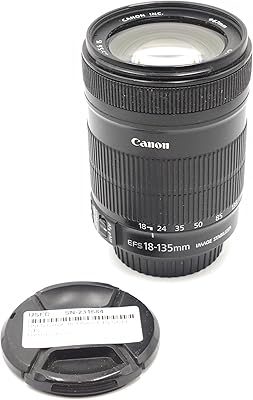
Canon EF-S 18-135mm f/3.5-5.6 IS Lens
86%
86%
Image Quality
88%
Ease of Use
91%
Versatility of Zoom Range
90%
Image Stabilization Performance
84%
Build Quality
More
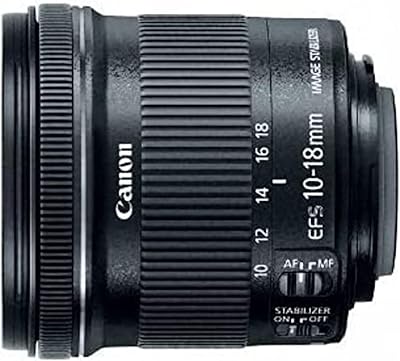
Canon EF-S 10-18mm f/4.5-5.6 IS STM Lens
85%
87%
Autofocus Performance
90%
Image Stabilization
94%
Portability
88%
Sharpness and Clarity
86%
Video Quality
More
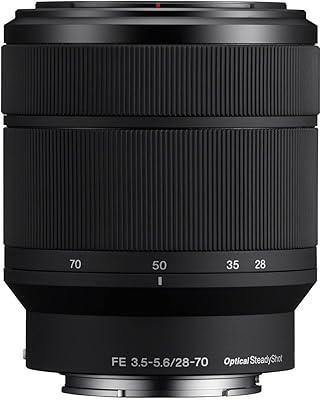
Sony 28-70mm F3.5-5.6 FE OSS Lens
86%
92%
Value for Money
87%
Image Quality
72%
Autofocus Performance
88%
Image Stabilization
83%
Build Quality
More
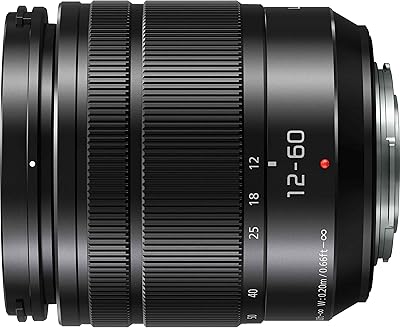
Panasonic Lumix G Vario 12-60mm F3.5-5.6 Lens
86%
90%
Image Quality
84%
Autofocus Performance
88%
Build Quality
91%
Portability/Weight
85%
Durability (Weather Resistance)
More
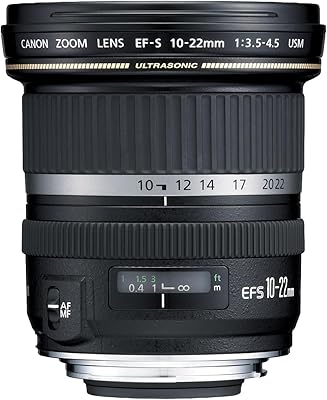
Canon EF-S 10-22mm f/3.5-4.5 USM Lens
85%
89%
Image Quality
92%
Autofocus Performance
85%
Build Quality
87%
Ease of Use
75%
Distortion Control
More

FAQ

Yes, it does — but you will need the Mount Adapter EF-EOS R, which is sold separately. Once attached, your existing EF and EF-S lenses work on the camera including autofocus and image stabilization, though some advanced features like subject tracking may perform better with native RF glass.

The 4K quality itself is solid — clean and detailed at up to 60p. The catch worth knowing is that 4K mode applies a slight additional crop on top of the APS-C sensor crop, which narrows your field of view compared to shooting Full HD. If you plan to shoot a lot of wide-angle 4K footage, factor that in when framing shots.

It is genuinely the weakest point of this kit. In mixed use — some video, some stills, screen on frequently — you can realistically expect to drain the LP-E17 in a few hours of active shooting. Most owners recommend picking up at least one spare battery before your first serious outing, especially for travel days.

Yes, but only if you purchase the Canon PD-E USB Power Adapter separately, as it is not included in the box. Once you have it, you can charge the LP-E17 via USB while it stays inside the body, which is genuinely handy when traveling with a power bank.

It is one of the more practical options in its class for solo creators. The subject-tracking autofocus handles face and eye detection reliably during self-recorded video, and the tilting screen lets you monitor the frame while standing in front of the camera. The main thing to plan around is audio — there is no headphone jack, so monitoring sound in real time requires an external recorder or mixer.

Yes, the RF-S 18-150mm has built-in optical stabilization, and it does a respectable job smoothing out mild handheld movement during video. It is not a substitute for a gimbal if you are walking and filming, but for stationary or slow-panning shots it keeps footage clean without extra gear.

The screen tilts on a single axis — it flips up and down but does not rotate to face forward fully like the screens on some competing cameras. For vlogging where you are looking directly at the lens while recording yourself, it works, but the range of motion is more limited than a fully articulating design.

The camera has a single SD card slot that supports UHS-II cards, so a UHS-II SD card will get you the best write speeds during burst shooting and 4K recording. That said, UHS-I cards work fine for everyday photography and standard video. Just keep in mind there is only one slot, so there is no built-in backup during critical shoots.

Absolutely — this is one area where the EOS R10 genuinely punches above expectations. The animal and vehicle detection in the autofocus system is responsive, and 23fps electronic shutter gives you a good spread of frames to choose from. For casual sports and pet photography it performs very well; it is not a professional sports body, but for everyday action it handles itself confidently.

No, the body has no official weather sealing. Canon does not rate it for moisture or dust resistance, so shooting in light rain or at the beach carries some risk. If you plan to shoot regularly in unpredictable outdoor conditions, it is worth keeping a protective rain sleeve in your bag just in case.