Overview

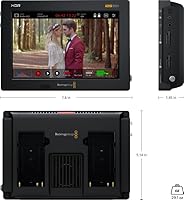
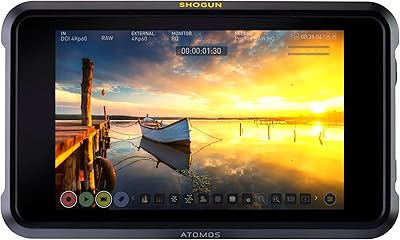
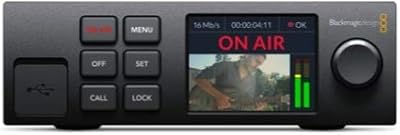
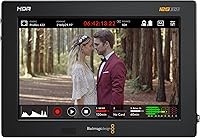
The Blackmagic Design Video Assist 7″ 12G HDR is a professional field monitor and recorder built for cinematographers who need a reliable reference display and a capable recording device in one unit. Its 7-inch HDR touchscreen supports HDR10 and Hybrid Log Gamma, so what you see on location actually reflects what you will grade in post. Dual 12G-SDI and HDMI connectivity means it works with a wide range of professional cameras, from mirrorless hybrids to dedicated cinema bodies. Competing directly with the Atomos Shogun line, it makes a practical case for production crews tired of hauling separate monitoring and recording rigs to every shoot.
Features & Benefits

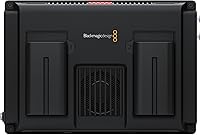
What sets this field monitor-recorder apart in daily use is how its core functions address real production problems. 12G-SDI input and output handles signals up to 2160p60, covering high-frame-rate 4K workflows without adapters. For media, you record to SD UHS-II cards or attach storage via USB-C — a flexible dual-path that reduces the panic of running out of cards mid-shoot. Capturing Blackmagic RAW and ProRes on the same device you are using to monitor is genuinely practical. Dual NP-F battery slots allow hot-swapping without powering down, and the built-in headphone output lets you check audio without hunting for separate gear.

Best For

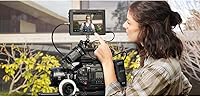
This Blackmagic monitor fits documentary and narrative filmmakers who want one device doing the job of two — a proper reference display and a high-quality external recorder. Camera operators mounting gear on a gimbal or long rig will appreciate the SDI signal reliability that HDMI cannot match over distance. It also addresses a real gap for shooters on Canon Cinema or Sony FX cameras with restricted internal recording, since capturing ProRes or BRAW externally sidesteps those codec limitations entirely. DPs who want to evaluate HDR grades on location before committing to a look will find the calibrated screen genuinely useful for that specific workflow.

User Feedback

Among verified buyers, the screen consistently draws praise — people highlight how bright and color-accurate it is, especially outdoors where cheaper monitors become practically unreadable. The metal build quality also comes up repeatedly as something that instills confidence on professional sets. On the critical side, first-time Blackmagic users often find the menu system takes adjustment; it is functional but not immediately intuitive. A handful of reviewers mention the unit runs noticeably warm during extended 4K recording sessions, and there is a fair point that full 12G-SDI bandwidth only matters if your camera actually outputs it. Still, overall professional sentiment is strongly positive among working crews.

Pros

  • Bright, color-accurate 7-inch HDR screen holds up well in direct outdoor sunlight.
  • Dual 12G-SDI and HDMI inputs cover a wide range of professional camera rigs without signal adapters.
  • Records Blackmagic RAW and Apple ProRes, covering most professional post pipelines in a single device.
  • Dual NP-F hot-swap battery slots keep the unit running continuously through long shooting days.
  • Built-in waveform, vectorscope, and histogram overlays reduce the need for a separate scope on smaller crews.
  • The metal chassis inspires genuine confidence on professional sets where gear gets handled roughly.
  • SD UHS-II and USB-C recording paths give crews flexible media options depending on what is available.
  • 12G-SDI handles signals up to 2160p60, giving this field monitor-recorder real longevity as camera standards evolve.
  • Consolidating monitoring and recording into one unit reduces kit weight and simplifies power management on location.

Cons

  • Menu navigation has a real learning curve that catches first-time Blackmagic users off guard during fast-paced shoots.
  • The unit runs noticeably warm during extended 4K recording sessions, which is a concern in hot climates.
  • Full 12G-SDI bandwidth is only unlocked when paired with cameras that actually output a 12G signal.
  • Slower SD cards that technically meet UHS-II specs can trigger dropped frames during sustained high-bitrate recording.
  • NP-F batteries cycle faster than many users anticipate under heavy 4K recording loads.
  • The 1920x1080 panel resolution feels slightly behind competing monitors that now offer higher pixel density at this price tier.
  • Firmware updates are infrequent and some long-standing feature requests remain unaddressed across multiple update cycles.
  • Buyers in Avid-heavy post pipelines may still face transcoding steps that reduce the workflow efficiency gains.
  • The weight and footprint create balance challenges for gimbal operators running extended handheld shots.
  • Buyers who only need a monitoring display will pay for recording capabilities they may never use.

Ratings

The Blackmagic Design Video Assist 7″ 12G HDR earns consistently strong marks from working professionals worldwide, and the scores below reflect AI analysis of verified purchase reviews, with spam, bot activity, and incentivized feedback actively filtered out. Across cinematographers, documentary crews, and independent DPs, both the standout strengths and the genuine frustrations are represented here without sugarcoating.
Display Quality
91%
Cinematographers repeatedly call out how accurate and bright the screen is when evaluating HDR footage under harsh outdoor lighting. The HDR10 and Hybrid Log Gamma support means what you see on set has a genuine relationship to the final graded image, which reduces costly surprises in post.
A small number of users feel 1920x1080 resolution on a 7-inch panel is slightly behind competing monitors that now offer higher pixel density. At close viewing distances during critical focus checks, this becomes a noticeable limitation for some operators.
Build Quality
93%
The anodized metal chassis inspires real confidence on professional sets where gear takes a beating. Reviewers who have owned the unit for multiple years report no structural degradation, and the weight distribution feels deliberate rather than bulky.
The premium build does add meaningful weight, which becomes relevant on extended gimbal runs or when the monitor is rigged high on a matte box setup. A small number of users wish Blackmagic had introduced a lighter variant without compromising durability.
Recording Performance
88%
Capturing Blackmagic RAW and Apple ProRes directly onto SD UHS-II cards or via USB-C gives crews genuine flexibility on location. Shooters working with cameras that impose internal codec restrictions find this recorder effectively removes that ceiling without adding a separate device to the rig.
The dual-media workflow, while powerful, confuses some first-time users who expect a unified storage interface. A few reviewers also reported dropped frames when using slower SD cards that technically met UHS-II specs on paper but underperformed in sustained 4K recording.
SDI Connectivity
89%
12G-SDI input and output handles signals up to 2160p60, which gives this field monitor-recorder real staying power as camera systems push toward higher frame rates. Camera operators running cables across a set appreciate the signal stability that SDI delivers over distances where HDMI would struggle.
The full bandwidth of 12G-SDI is only accessible when paired with cameras that actually output a 12G signal, which limits a portion of the user base to lower-tier SDI performance. Some buyers feel they are paying for a ceiling they cannot yet reach with their current camera body.
HDR Monitoring Accuracy
86%
On-location HDR preview is one of the strongest practical arguments for this Blackmagic monitor, especially for DPs who want to evaluate a look before committing to a lighting setup. The waveform, vectorscope, and histogram overlays are accurate enough to replace a separate scope in many mid-budget productions.
Color calibration can drift slightly after extended use in high-temperature environments, and a few colorist reviewers note that the display, while excellent for a field monitor, still falls short of the reference accuracy they expect from a dedicated grading display.
Battery Life & Hot-Swap
84%
Dual NP-F battery slots are a practical solution for long shooting days where powering down is not an option. Crews running back-to-back interviews or documentary shoots in remote locations highlight the hot-swap capability as one of the most underrated features of this recorder.
The unit draws enough power that NP-F batteries cycle faster than some users anticipate, particularly during sustained 4K recording sessions. Budget-conscious buyers who purchase low-capacity NP-F batteries are often caught off guard by how quickly they need to swap.
Touchscreen Usability
77%
23%
Gesture-based navigation across the touchscreen generally works well for experienced Blackmagic users who have internalized the menu logic. Quick access to overlays and LUT switching during a live shoot is noticeably faster than competing monitors that rely on physical button navigation.
First-time users across multiple reviews describe the menu hierarchy as counterintuitive, particularly when trying to configure recording formats quickly under pressure. The learning curve is real, and it takes several shoots before navigation feels automatic rather than deliberate.
Thermal Management
66%
34%
Under normal monitoring workloads the unit stays within a comfortable operating temperature range, and the metal body acts as a passive heat sink that prevents hot spots from developing in the center of the chassis.
Extended 4K recording sessions push the unit into noticeable warmth, and a subset of reviewers in warm climates report that this compounds the issue. No active cooling means the heat has nowhere to go during multi-hour takes, which a few users associate with occasional performance throttling.
On-Set Audio Monitoring
79%
21%
Having a headphone output and a built-in speaker built directly into this field monitor-recorder removes the need for a separate audio monitor on smaller crews. Sound recordists appreciate being able to cross-check embedded audio without carrying an additional device.
The built-in speaker is adequate for basic audio checks but lacks the fidelity needed for critical listening. The headphone output, while functional, does not offer the gain control range that dedicated audio monitors provide, which limits its usefulness for experienced sound professionals.
Codec Flexibility
87%
Support for Blackmagic RAW, Apple ProRes, and DNxHD in a single device covers the codec requirements of the vast majority of professional post-production pipelines. Production teams working across different editing systems find they can hand off media without transcoding steps that waste time and storage.
Blackmagic RAW is proprietary, and while DaVinci Resolve support is excellent, teams working in Avid or Premiere-heavy pipelines occasionally report friction before the codec becomes widely natively supported. This is less a hardware limitation and more an ecosystem consideration buyers should factor in.
Value for Money
81%
19%
When weighed against the combined cost of a separate field monitor and a dedicated external recorder, the Video Assist 7-inch 12G represents a meaningful consolidation for production budgets. For independent filmmakers and smaller crews, the savings over renting equivalent gear across a multi-day shoot add up quickly.
The asking price sits firmly in premium territory, and buyers who primarily need a monitoring display without the recording functionality may feel they are paying for features they will rarely use. Competing options at lower price points cover the monitoring use case adequately for less demanding workflows.
Camera Compatibility
83%
Dual SDI and HDMI inputs mean this Blackmagic monitor slots into rigs built around cinema cameras, mirrorless hybrids, and broadcast camcorders without requiring signal conversion. That flexibility is one of the reasons it appears consistently on high-end rental house shelves alongside diverse camera packages.
Achieving full feature parity, particularly around 12G-SDI recording standards, requires pairing with cameras that output the appropriate signal, which not every buyer has. Users coming from HDMI-only mirrorless bodies will not unlock the upper tier of this recorder's capabilities.
Portability
74%
26%
The 8 x 6 x 2 inch footprint keeps the unit manageable when mounted on a rig or cage, and the battery-powered operation means it is not tethered to mains power during outdoor documentary or run-and-gun situations.
The combination of metal build, dual battery slots, and a 7-inch screen means this is not a lightweight addition to a handheld or travel-oriented setup. Gimbal operators in particular note that the added mass affects counterbalance calculations and limits how long a single operator can sustain a handheld shot.
Software & Firmware Updates
72%
28%
Blackmagic Design has a credible track record of releasing firmware updates that add meaningful features to existing hardware, and owners of this field monitor-recorder have benefited from post-launch improvements to codec support and monitoring tools.
Update frequency is inconsistent, and some feature requests that have appeared repeatedly in user forums remain unaddressed across multiple firmware cycles. A handful of reviewers also report that certain firmware versions introduced minor stability quirks that required rolling back before a subsequent fix arrived.

Suitable for:

The Blackmagic Design Video Assist 7″ 12G HDR is built for working professionals who need a single device to handle both on-set monitoring and high-quality codec recording without compromise. Documentary cinematographers and narrative film crews will get the most out of it, particularly those shooting on cameras with restricted internal recording options like certain Canon Cinema or Sony FX bodies, where capturing ProRes or Blackmagic RAW externally removes a real bottleneck. Camera operators rigging on gimbals, jibs, or long cable runs will appreciate SDI connectivity that stays reliable where HDMI falls apart. DPs who want to evaluate an HDR grade on location before locking a lighting setup will find the calibrated screen genuinely useful, not just passable. Production teams trying to trim crew size will also benefit, since this field monitor-recorder effectively does the job of a dedicated monitor and a separate recorder, reducing both gear costs and the number of devices that need to be powered and managed on set.
Not suitable for:

Buyers who primarily need a portable field monitor for basic camera-to-display use and have no interest in external recording will find themselves paying a significant premium for features they will rarely touch. The Blackmagic Design Video Assist 7″ 12G HDR also demands patience from users new to Blackmagic's ecosystem, as the menu system has a genuine learning curve that experienced reviewers acknowledge openly. If your camera outputs HDMI only and you are working below 4K, the 12G-SDI architecture delivers little practical value to your workflow. Run-and-gun solo operators building lightweight handheld rigs may find the weight and size of the unit pushes their setup past what a single operator can comfortably manage for extended periods. And if your post-production pipeline is Avid-centric or relies heavily on codecs outside the Blackmagic and Apple ecosystem, the codec options, while broad, may still require additional transcoding steps that offset some of the efficiency gains.
Specifications

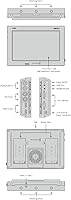
  • Display Size: The screen measures 7 inches diagonally, providing a large enough viewing area for critical focus evaluation and HDR monitoring on a working camera rig.
  • Resolution: The panel renders at 1920x1080 pixels, delivering a sharp full HD image suitable for professional on-set monitoring and overlay readability.
  • HDR Support: The monitor supports both HDR10 and Hybrid Log Gamma standards, enabling accurate high dynamic range preview directly from compatible camera outputs.
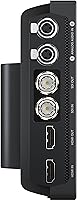
  • Video Inputs: Connectivity includes one full-size 12G-SDI input and one HDMI input, allowing direct connection to a wide range of cinema, broadcast, and mirrorless cameras.
  • Video Outputs: The unit provides one 12G-SDI output and one HDMI output, enabling signal pass-through to additional monitors or downstream recording devices simultaneously.
  • SDI Standard: The 12G-SDI interface supports video signals up to 2160p60, covering current and near-future high-frame-rate 4K production requirements over a single cable.
  • HDMI Standard: The HDMI interface supports video signals up to 2160p60, maintaining compatibility with cameras and devices that do not offer SDI connectivity.
  • Supported Codecs: The recorder captures Blackmagic RAW, Apple ProRes, and Avid DNxHD codecs, covering the primary post-production pipelines used across professional film and broadcast workflows.
  • Media Slots: Recording media options include one SD UHS-II card slot and one USB-C port, giving operators two independent storage paths on a single shoot.
  • Battery System: Two NP-F battery slots with hot-swap capability allow continuous operation throughout long shooting days without powering down the unit between battery changes.
  • Touchscreen: The display uses capacitive multi-touch technology, supporting gesture-based navigation for accessing overlays, scopes, and recording controls directly on screen.
  • Monitoring Scopes: Built-in scopes include a waveform monitor, vectorscope, histogram, and focus peaking overlay, providing a complete on-set exposure and focus toolset without external accessories.
  • Audio Output: A 3.5mm headphone output and a built-in speaker allow on-set monitoring of embedded audio without requiring a separate audio device in the production kit.
  • Dimensions: The unit measures 8 x 6 x 2 inches, a compact footprint that fits standard cage and matte box mounting configurations used on professional rigs.
  • Body Material: The chassis is constructed from anodized metal in black, providing a durable, professional-grade enclosure that withstands the physical demands of daily production use.
  • Power Source: The unit is battery powered via dual NP-F slots, with no dependency on mains power, making it fully self-contained for location and outdoor shoots.
  • Operating Systems: The device is compatible with Linux, Windows 7, and Windows XP for firmware and configuration management via a connected computer.
  • Manufacturer: The unit is designed and manufactured by Blackmagic Design, an Australian professional video technology company with an established track record in production and post-production hardware.

Related Reviews
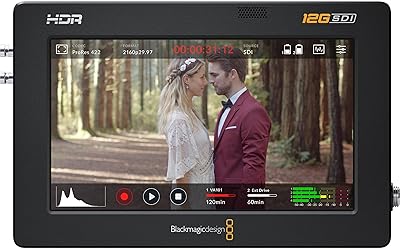
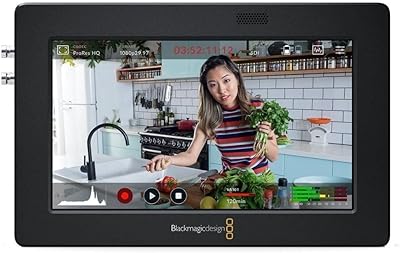
Blackmagic Design Video Assist 5″ 12G HDR
80%
93%
Screen Brightness & Visibility
88%
Build Quality & Durability
91%
Recording Capability
86%
HDR Monitoring Accuracy
51%
Battery Life
More
Blackmagic Design Video Assist 5″ 3G
75%
84%
Screen Clarity
89%
Scope Accuracy
91%
Connectivity & Compatibility
81%
Recording Performance
83%
Build Quality
More
Atomos Shogun 7
Atomos Shogun 7
77%
93%
Display Brightness & Visibility
89%
HDR Monitoring Accuracy
91%
ProRes RAW Recording
84%
Dolby Vision Output
78%
Build Quality & Durability
More
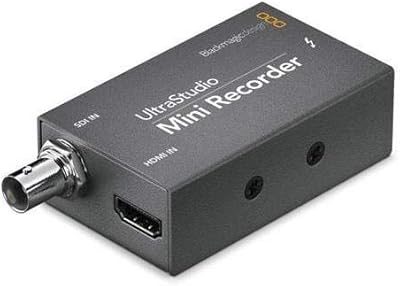
Blackmagic Design UltraStudio Mini Recorder
87%
88%
Performance
90%
Build Quality
92%
Video Quality
85%
Audio Quality
94%
Connectivity
More
Blackmagic Design Web Presenter HD
86%
91%
Ease of Use
88%
Streaming Quality
68%
Mobile Data Connectivity
85%
Portability
94%
Setup Process
More
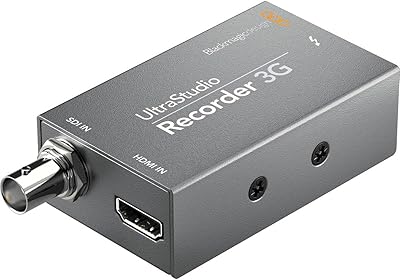
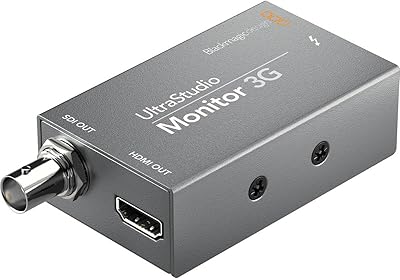
Blackmagic Design UltraStudio Recorder 3G
86%
88%
Performance
91%
Ease of Setup
93%
Portability
89%
Build Quality
85%
Compatibility with Software
More
Blackmagic Design Intensity Pro 4K
83%
94%
Video Capture Quality
68%
Setup & Installation
82%
Software Performance
89%
System Compatibility
90%
Reliability & Durability
More
Blackmagic Design UltraStudio Monitor 3G
80%
93%
Portability & Form Factor
81%
Setup & Installation
89%
SDI Output Quality
76%
HDMI Output Quality
84%
Software Integration
More
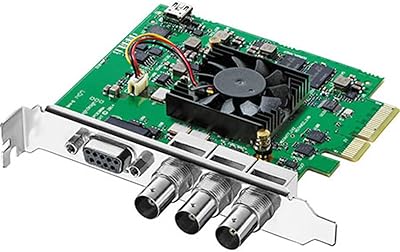
Blackmagic Design DeckLink SDI 4K
87%
94%
Video Capture Quality
83%
Software Compatibility
89%
Build Quality
91%
Performance & Speed
87%
Cross-Platform Compatibility
More
Blackmagic Design DeckLink Mini Monitor 4K
84%
89%
Performance
91%
Color Accuracy
88%
Compatibility with Software
75%
Installation/Setup
93%
Power Efficiency
More

FAQ

Yes, the HDMI input works with Sony mirrorless cameras and supports signals up to 2160p60 through that connection. You will not need an SDI-capable camera to use the recording and monitoring features, though 12G-SDI bandwidth is only available when your camera outputs an SDI signal.

You have two options: an SD card in the UHS-II slot, or external storage connected via USB-C. For sustained 4K recording, a genuine UHS-II rated SD card is important — cards that only carry the UHS-I spec will likely struggle and may drop frames. USB-C drives with fast sustained write speeds are a reliable alternative for longer recordings.

Yes, the SDI and HDMI outputs allow you to pass the signal through to a second monitor, a director's feed, or another device while the unit is actively recording. This makes it a practical hub in multi-monitor setups on larger productions.

The unit has two NP-F battery slots and is designed to draw from one while the other is swapped out, so you never have to power down mid-shoot. In practice, you simply slide out the depleted battery and slot in a fresh one when the low indicator appears. It works well, though the draw rate under heavy 4K recording is faster than some users expect, so having a rotation of four or more batteries is wise for full-day shoots.

Honestly, there is a real adjustment period, and experienced users are upfront about that. The touch-based interface is logically organized once you understand Blackmagic's menu philosophy, but it is not immediately intuitive if you are coming from Atomos or another brand. Budget time for a few practice sessions before a critical shoot so menu navigation feels natural under pressure.

Yes, extended 4K recording sessions will cause the chassis to run noticeably warm, especially in already warm environments. The metal body dissipates heat passively, and the unit is designed to operate this way, but it is worth monitoring in very hot climates or when mounted in enclosed cage setups with limited airflow.

Not necessarily, but it helps significantly. The monitor and recording functions work at lower SDI standards too, so cameras with 3G-SDI outputs are still fully supported. However, if you want to use the 12G bandwidth for 4K at high frame rates over a single cable, your camera needs to output a 12G-SDI signal. Many current professional cinema cameras do, but verify your specific body before purchasing.

Adobe Premiere and After Effects both support Blackmagic RAW through a free plugin available from Blackmagic Design's website, so you are not locked into DaVinci Resolve. That said, Resolve is the native environment where BRAW really shines, particularly for grading. Apple ProRes is the safer choice if your team works primarily in Premiere or Avid without wanting to install additional plugins.

The Video Assist 7-inch 12G has standard mounting points compatible with common cage and arms systems from manufacturers like SmallRig and Shape. Most operators mount it on a NATO rail or magic arm attached to the camera cage. The unit is not feather-light, so a sturdy arm is worth the investment to prevent monitor creep during shooting.

It depends on your camera and workflow. If you are shooting on a camera with limited codec options and you want a large, reliable reference monitor alongside better quality recordings, this Blackmagic monitor delivers genuine practical value even for solo work. If your camera already records excellent internal footage and you just want a bigger screen to monitor from, a simpler and lighter monitor-only solution may serve you better and save meaningful weight on your rig.