Overview

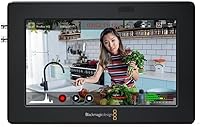
The Blackmagic Design Video Assist 5″ 3G sits in a practical middle ground within Blackmagic's recorder-monitor lineup — capable enough for serious professional work, without the price premium of the 12G model. Built around a 5″ full HD touchscreen, it handles two jobs at once: giving you a proper external monitor for critical focus and exposure checks, while simultaneously recording ProRes or DNxHD footage directly to SD card. Released in mid-2020, this recorder-monitor has aged well, remaining relevant for hybrid camera workflows where both SDI and HDMI connectivity still dominate the field.

Features & Benefits

The 5″ IPS touchscreen holds up well in bright conditions — not quite a fully sunlight-readable panel, but workable outdoors with some shade or a loupe. Where the Video Assist 3G really earns its keep is connectivity: HDMI and 3G-SDI inputs and outputs mean you can plug in everything from a Sony mirrorless to a broadcast ENG camera without adapters. The built-in scopes — waveform, vectorscope, parade, and histogram — are accurate and genuinely useful on set, replacing what would otherwise require a dedicated monitor. A 3.5mm headphone jack rounds things out for quick audio checks between takes.

Best For

This recorder-monitor is a natural fit for solo shooters and small crews who want reliable, professional monitoring without a cart full of gear. If your camera lacks built-in scopes or outputs a compressed signal over HDMI, this Blackmagic monitor fills that gap without requiring a separate recording rig. Documentary and event videographers will appreciate having a recording backup that shoots straight to SD in an editor-friendly codec. It is also well-suited to DPs working in log profiles who need accurate scope readings on location rather than relying on a camera's small built-in display.

User Feedback

With a 4.1 out of 5 average across 80 ratings, the Video Assist 3G earns generally positive marks — screen clarity and scope accuracy come up frequently as genuine strengths. Build quality gets praised too, which matters when the unit is strapped to a rig all day. Criticism tends to land in two areas: battery life under continuous record, and the need for fast SD cards to avoid dropped frames. Some buyers note the menu takes a little getting used to. A recurring debate centers on whether the dual monitor-and-recorder functionality justifies the cost over a cheaper HDMI-only monitor — a fair question that depends entirely on whether you actually need on-set recording.

Pros

  • Dual monitor-and-recorder functionality replaces two separate pieces of kit in one compact unit.
  • Accurate built-in scopes — waveform, vectorscope, parade, histogram — remove the need for a dedicated scope monitor on smaller shoots.
  • Both HDMI and 3G-SDI inputs and outputs cover a wide range of cameras without adapters.
  • ProRes and DNxHD recording produces editor-friendly files that drop straight into post without transcoding.
  • Solid build quality holds up to the rigors of daily handheld and rig-mounted use.
  • At 1.7 pounds, the Video Assist 3G balances well on gimbals and shoulder rigs without serious counterweight issues.
  • SD card recording media is universally available and inexpensive, useful for traveling shooters.
  • The 3.5mm headphone output and embedded audio monitoring make quick on-set sound checks easy without extra gear.
  • Blackmagic has a reasonable firmware update history, meaning the unit has improved meaningfully since its 2020 launch.

Cons

  • 3G-SDI bandwidth cap rules out 4K raw recording, limiting long-term workflow scalability.
  • Battery drain under simultaneous monitoring and recording is steep — spare batteries or dummy adapters are essentially required.
  • Slow SD cards cause dropped frames; the high-speed card requirement is not clearly communicated upfront.
  • Screen brightness is insufficient in direct sunlight without a monitor hood or shade accessory.
  • The touchscreen menu structure has a genuine learning curve that can slow you down on live shoots.
  • The unit runs noticeably warm during extended recording sessions, which raises mild concerns in hot climates.
  • Port placement relative to mounting points creates cable management headaches in tighter cage builds.
  • Value is hard to justify if you only need monitoring — dedicated monitor-only alternatives offer better screens for less money.

Ratings

The Blackmagic Design Video Assist 5″ 3G has been scored by our AI system after analyzing verified buyer reviews from multiple global sources, with spam, bot, and incentivized feedback actively filtered out. Scores reflect the full range of real-world experiences — from indie filmmakers on tight budgets to working DPs on professional sets — capturing both what this recorder-monitor genuinely does well and where it falls short.

Screen Clarity
84%
Users consistently praise the 5″ full HD panel for delivering sharp, accurate images that make critical focus pulls and exposure checks far more reliable than relying on a camera's built-in display. In controlled indoor environments and shaded exteriors, the image quality is frequently described as clean and color-accurate.
Brightness falls short in direct sunlight, which frustrates shooters working outdoors without a monitor shade or hood. Several reviewers note the screen struggles to compete with premium options from SmallHD at similar price points when ambient light is high.
Scope Accuracy
89%
The built-in waveform, vectorscope, parade, and histogram are repeatedly called out as one of the strongest selling points — accurate enough that many users have confidently replaced a dedicated scope monitor on smaller shoots. DPs shooting log profiles find them especially trustworthy for dialing in exposure on location.
A handful of users report that switching between scope views requires more taps than expected, slowing down the workflow mid-shoot. The scope display size on the 5″ screen is functional but tight, particularly when reading fine detail on the parade.
Connectivity & Compatibility
91%
Having both HDMI and 3G-SDI inputs and outputs on a single compact unit is a genuine practical advantage. Users running mixed camera kits — pairing a mirrorless body with a broadcast camcorder on the same shoot — appreciate not needing separate adapters or switching units between jobs.
The 3G-SDI specification caps bandwidth, which becomes a real limitation for anyone looking to record 4K signals or work with newer raw formats. Users who eventually moved up to higher-resolution workflows found this to be the single biggest reason for upgrading to the 12G version.
Recording Performance
81%
19%
ProRes and DNxHD recording direct to SD card is well-regarded for producing editor-friendly files that drop straight into Premiere or Resolve without transcoding. Event and documentary shooters particularly value having a reliable recording backup independent of the camera's internal card.
Fast SD cards are non-negotiable — users who reached for affordable Class 10 cards encountered dropped frames and recording failures under higher bitrates. The reliance on SD rather than SSD or CFast limits peak recording headroom compared to some competing recorders.
Build Quality
83%
The chassis feels solid and professional, with a weight and density that communicates durability rather than plasticky lightness. Shooters who strap this unit to rigs day after day report no creaking, loose buttons, or structural issues even after extended use.
The unit runs noticeably warm during long recording sessions, which a few users flagged as a mild concern in hot climates. The mounting thread options are functional but some feel the physical footprint could be better optimized for cage integration.
Touchscreen Interface
72%
28%
The touchscreen is responsive enough for basic navigation and setting changes between takes. Users transitioning from no external monitor at all find the interface straightforward once they have spent a session getting familiar with the menu layout.
The learning curve is real — menu structures are not immediately intuitive, and several buyers note they needed to consult the manual before feeling comfortable navigating quickly on set. Under pressure during a live shoot, hunting through sub-menus is not ideal.
Battery Life
58%
42%
When connected to a properly rated LP-E6 compatible battery or external power via DC, the unit runs reliably through a full shooting day. Users who invested in high-capacity third-party batteries report acceptable continuous operation for documentary-length sessions.
Battery drain under simultaneous monitoring and recording is steep, and this is among the most consistent complaints across reviews. Solo shooters relying on a single battery without a spare or a dummy adapter power solution often find the unit dying mid-shoot at inconvenient moments.
Audio Monitoring
74%
26%
The 3.5mm headphone output works cleanly for quick on-set audio checks, and embedded SDI and HDMI audio pass-through gives sound mixers an additional monitoring point without extra cabling. Users on small crews who do not carry a dedicated audio monitor find this a convenient practical bonus.
The headphone output volume ceiling is limited, and users in noisy environments — construction sites, live events — sometimes find it insufficient without high-sensitivity headphones. It is clearly a utility feature rather than a critical audio tool.
Portability & Size
79%
21%
At 1.7 pounds, the recorder-monitor is light enough to stay on a handheld rig or gimbal without creating serious balance headaches. Run-and-gun shooters who previously carried a separate monitor and recorder separately appreciate collapsing two devices into one.
The 7.8 × 7.6 × 4.1-inch footprint is not always gimbal-friendly without careful counterbalancing, and a few users note it shifts the center of gravity enough to require adjustment. It is compact for what it does, but not small by any absolute measure.
Value for Money
66%
34%
For buyers who genuinely need both an external monitor with professional scopes and a ProRes recorder, the combined functionality at this price point is hard to replicate by purchasing two separate units. Working videographers who use both features regularly tend to rate value positively.
Buyers who primarily wanted a monitoring solution and rarely use the recording function find it harder to justify the cost against cheaper HDMI-only monitors. The value proposition essentially hinges on whether you need both functions — if you do not, alternatives offer better screen quality for less.
SD Card Compatibility
61%
39%
Standard SD cards are universally available, inexpensive, and easy to source at any camera shop worldwide — which matters for traveling videographers who cannot always carry a large media supply. Many users appreciate not being locked into proprietary or expensive recording media.
The requirement for high-speed UHS-I or UHS-II cards to avoid recording issues is not prominently communicated upfront, and several buyers experienced frustrating errors before diagnosing slow media as the culprit. The SD slot also limits the peak bitrate ceiling compared to CFast or SSD-based recorders.
Software & Firmware
68%
32%
Blackmagic's firmware update track record is reasonably well regarded — the company has historically pushed meaningful feature updates to existing hardware, and some buyers note improvements in stability and scope performance since launch.
A small but recurring cluster of reviews mentions occasional freezing or unexpected shutdowns that were later resolved by firmware updates, suggesting the unit shipped with some rough edges. Users who do not regularly update firmware may still be running into issues that have since been patched.
Mounting & Rig Integration
71%
29%
Standard 1/4-inch mounting threads make attachment to rods, cages, and arms straightforward using common accessories. Most cage manufacturers produce dedicated mounting plates for this unit, which experienced rig builders appreciate.
The placement of ports relative to the mounting points can create cable management challenges on tighter rig builds. A few users found that certain cage configurations blocked access to the SD slot or power input, requiring careful planning before finalizing their setup.

Suitable for:

The Blackmagic Design Video Assist 5″ 3G is genuinely well-matched to independent filmmakers, documentary shooters, and small professional crews who need a dependable all-in-one monitoring and recording solution without building out a full cart rig. If you are a solo videographer whose camera outputs a compressed HDMI signal and lacks built-in professional scopes, this recorder-monitor fills a real gap — giving you accurate waveforms and a clean recorded signal in one unit. Event videographers who shoot multi-hour gigs will appreciate having a ProRes backup recording rolling independently of the camera's internal media. DPs working in log profiles on location will find the onboard scopes genuinely useful for dialing in exposure and color without carrying a separate scope monitor. It also suits videographers transitioning from smartphone or tablet monitoring apps who want tactile, dedicated hardware that integrates properly with both HDMI and SDI camera ecosystems.

Not suitable for:

Shooters working in 4K raw or high-frame-rate workflows should be clear-eyed about one hard limitation: the 3G-SDI specification simply cannot carry the bandwidth those formats demand, and the Blackmagic Design Video Assist 5″ 3G will become a bottleneck well before their cameras do. If your primary need is just a bright, large external monitor for critical focus work and recording is a secondary concern, there are cheaper HDMI-only monitors that offer better screen brightness and larger panels for less investment. Buyers who shoot primarily in direct sunlight — outdoor events, sports, field journalism — will find the screen brightness frustrating without a monitor hood, and competing units handle harsh ambient light more effectively. Anyone planning to move into 4K production within the next year or two should seriously consider whether stepping up to the 12G version from the outset makes more financial sense than upgrading later. Finally, users who need fast, intuitive menu access under live-shoot pressure may find the touchscreen interface slows them down during the initial learning period.

Specifications

  • Screen Size: The display measures 5 inches diagonally and uses an IPS panel for wide viewing angles during on-set monitoring.
  • Resolution: The screen renders at 1920×1080 Full HD, providing sufficient pixel density for critical focus and exposure evaluation.
  • Video Inputs: Accepts signals via one HDMI input and one 3G-SDI input, supporting a broad range of camera types from mirrorless to broadcast.
  • Video Outputs: Provides both HDMI and 3G-SDI outputs for looping signal to additional monitors or downstream equipment on set.
  • Recording Formats: Records Apple ProRes and Avid DNxHD codecs directly to SD card media without requiring a computer or external processing unit.
  • Storage Media: Uses standard SD cards for recording; high-speed UHS-I or UHS-II cards are required to sustain higher bitrate ProRes recordings reliably.
  • Built-in Scopes: Includes waveform, parade, vectorscope, and histogram monitoring tools for precise on-set color and exposure analysis.
  • Audio Monitoring: Features a 3.5mm headphone output for direct audio monitoring alongside embedded SDI and HDMI audio input and output support.
  • Dimensions: The unit measures 7.8 × 7.6 × 4.1 inches, making it compact enough for use on handheld rigs and camera cages.
  • Weight: Weighs 1.7 pounds without battery or mounting accessories attached, suitable for gimbal and shoulder rig use with proper balancing.
  • Channels: Supports up to 4 audio channels via embedded SDI and HDMI audio, covering standard stereo and dual-channel professional audio setups.
  • Model Number: The official Blackmagic Design model number for this unit is OB02655, used for warranty registration and firmware identification.
  • Manufacturer: Designed and manufactured by Blackmagic Design, an Australian professional video equipment company headquartered in Melbourne.
  • Availability: This unit was first made available for purchase in July 2020 and remains an active, non-discontinued product in the Blackmagic lineup.
  • SDI Standard: The SDI interface operates at 3G specification, supporting standard and high-definition signals up to 1080p60 but not 4K or 6G/12G formats.
  • Connectivity Tech: Primary connectivity relies on HDMI and coaxial 3G-SDI, with no wireless, Thunderbolt, or USB video input options on this model.
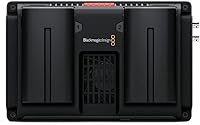
  • Power Input: The unit accepts external DC power and is compatible with LP-E6 style batteries via an optional battery plate accessory for portable use.

Related Reviews
Blackmagic Design Video Assist 5″ 12G HDR
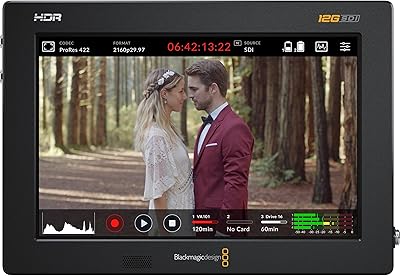
80%
93%
Screen Brightness & Visibility
88%
Build Quality & Durability
91%
Recording Capability
86%
HDR Monitoring Accuracy
51%
Battery Life
More
Blackmagic Design Video Assist 7″ 12G HDR
82%
91%
Display Quality
93%
Build Quality
88%
Recording Performance
89%
SDI Connectivity
86%
HDR Monitoring Accuracy
More
Blackmagic Design UltraStudio Monitor 3G
80%
93%
Portability & Form Factor
81%
Setup & Installation
89%
SDI Output Quality
76%
HDMI Output Quality
84%
Software Integration
More
Blackmagic Design UltraStudio Recorder 3G
86%
88%
Performance
91%
Ease of Setup
93%
Portability
89%
Build Quality
85%
Compatibility with Software
More
Blackmagic Design DeckLink SDI 4K
87%
94%
Video Capture Quality
83%
Software Compatibility
89%
Build Quality
91%
Performance & Speed
87%
Cross-Platform Compatibility
More
Blackmagic Design UltraStudio Mini Recorder
87%
88%
Performance
90%
Build Quality
92%
Video Quality
85%
Audio Quality
94%
Connectivity
More
Blackmagic Design Intensity Pro 4K
83%
94%
Video Capture Quality
68%
Setup & Installation
82%
Software Performance
89%
System Compatibility
90%
Reliability & Durability
More
Blackmagic Design Web Presenter HD
86%
91%
Ease of Use
88%
Streaming Quality
68%
Mobile Data Connectivity
85%
Portability
94%
Setup Process
More
Blackmagic Design DaVinci Resolve Micro Panel
85%
92%
Portability
85%
Ease of Use
88%
Precision Control
86%
Build Quality
91%
USB Power Convenience
More
Blackmagic Design DaVinci Resolve Mini Panel
87%
94%
Build Quality
91%
Portability
88%
Ease of Use
93%
Performance in Color Grading
89%
Compatibility
More

FAQ

You will want at least a UHS-I Speed Class 3 card — look for the U3 symbol on the card label. For higher bitrate ProRes HQ recordings, a UHS-II card is a safer choice. Several buyers have run into dropped frame errors by grabbing whatever SD card was handy, so it is worth checking Blackmagic's recommended media list on their website before your first shoot.

Yes, the HDMI input is broadly compatible with mirrorless cameras including Sony Alpha bodies. Just make sure your camera is set to output a clean HDMI signal with the camera overlay information turned off, otherwise that interface clutter will appear in your recorded footage and on the monitoring display.

No. The Blackmagic Design Video Assist 5″ 3G is limited to 3G-SDI bandwidth, which caps out at 1080p. If your workflow requires 4K recording, you will need to step up to Blackmagic's 12G model or look at a different recorder entirely.

The recorder-monitor uses LP-E6 style batteries via an accessory plate rather than a built-in cell. Real-world battery life under continuous recording and monitoring is on the shorter side — most users plan for around 60 to 90 minutes per charge under typical conditions. Carrying two or three spare batteries or running off DC power via a V-mount plate adapter is a practical solution for longer shoots.

There is a moderate one, yes. The interface is logical once you understand the structure, but new users often spend time hunting through sub-menus during early sessions. Spending an hour with the unit at home before taking it on a live shoot is time well spent — Blackmagic also provides a detailed PDF manual and tutorial videos on their website.

Yes, the simultaneous HDMI and SDI outputs allow you to pass the incoming signal through to a second monitor, a switcher, or any other downstream equipment while the Video Assist 3G records independently. This is useful on shoots where a director or client needs their own viewing monitor alongside the camera operator.

Absolutely. You can use this Blackmagic monitor purely as an external display with built-in scopes without inserting an SD card or enabling recording at all. Many users do exactly this when they just need a larger, scope-equipped monitor and want to save card media for specific takes.

The unit has standard 1/4-inch mounting threads that attach to cheese plates, arms, and rod clamps using common accessories. Several cage manufacturers produce dedicated mounting solutions for it. Port placement can create cable management challenges on tighter cage builds, so it is worth planning your rig layout before committing to a cage purchase.

Yes, Blackmagic has released multiple firmware updates since the unit launched in 2020. Some early reliability issues noted in reviews from the first year have been addressed through updates. It is worth checking Blackmagic's support page and updating to the latest firmware before your first session, as the unit ships with factory firmware that may be several versions behind.

Each brand targets a slightly different priority. The Atomos Ninja V is a strong competitor if on-camera RAW recording from supported cameras is your primary goal. SmallHD monitors are widely regarded as having brighter, more sunlight-readable panels. The Video Assist 3G stands out for its combination of built-in scopes, dual HDMI and SDI connectivity, and ProRes recording at its price point — but if outdoor visibility or RAW capture is your top concern, the competing options are worth evaluating side by side.