Overview

The Beyerdynamic M201 TG Dynamic Hypercardioid Microphone has been a fixture in professional audio for decades, trusted by engineers and musicians who prioritize accuracy over coloration. beyerdynamic's German engineering background shows up in every detail — the solid brass housing, the tight tolerances, the sense that this thing was built to outlast the gigs. The hypercardioid polar pattern is a deliberate design choice, offering a narrower pickup angle than a standard cardioid, which matters enormously in loud, crowded stage environments. This isn't a beginner mic or a casual purchase. It's aimed squarely at professionals who need reliable, neutral reproduction night after night, and its slim profile becomes a real practical advantage the first time you position it on a snare or inside a horn.

Features & Benefits

The hypercardioid pickup pattern is the defining technical choice here, pulling in sound from a tight front angle and rejecting off-axis noise aggressively. On a loud stage, that means less monitor bleed, less cymbal wash creeping into your guitar mic, less chaos to untangle in the mix. The integrated hum-buck coil quietly filters out electromagnetic interference — something you only truly appreciate after wrestling with hum on a stage full of lighting rigs. The low-mass moving coil transducer responds quickly to transients, capturing the attack of a snare hit or a brass note with real precision. A 72 dB signal-to-noise ratio keeps the audio clean, and the included mic clip and carry bag are genuinely useful additions, not afterthoughts.

Best For

This instrument microphone earns its keep in specific scenarios where its engineering pays off most. Drum kit miking is an obvious fit — the slim body slips into tight positions between cymbals and toms without forcing awkward compromises. Guitar cabinet work benefits from the controlled pickup and natural rejection of room reflections. Live sound engineers managing dense stage setups will find the rejection pattern genuinely reduces the mixing headaches caused by neighboring sources bleeding in. Brass and woodwind players get a mic that handles high sound pressure without distorting or compressing unnaturally. In the studio, it functions as a transparent, honest dynamic option for anyone wanting to capture an instrument accurately rather than through a flattering, processed lens.

User Feedback

Long-term users of the M201 TG consistently point to its neutral, accurate character as the standout quality — it doesn't flatter or color the source, which serious engineers appreciate even if some casual buyers find it less immediately impressive than warmer-sounding alternatives. Durability comes up constantly; people report using these mics through years of heavy touring without issues, and the brass construction clearly builds trust over time. On the critical side, some buyers question the price against more affordable dynamic options, particularly for occasional home-recording use. A few users also note the frequency response ceiling and recommend pairing it with quality preamps to fully unlock its potential. The overall consensus reflects a mic that genuinely rewards professional, demanding use.

Pros

  • Tight hypercardioid pattern dramatically reduces bleed from adjacent instruments on crowded stages.
  • The integrated hum-buck coil handles electromagnetic interference quietly and effectively.
  • Slim brass body opens up close-miking positions that bulkier mics simply cannot reach.
  • Built to last — users report years of heavy touring without structural or performance degradation.
  • Neutral, transparent sound character gives engineers full control in the mix without fighting coloration.
  • Fast transient response captures the attack of percussive and brass sources with real precision.
  • 72 dB signal-to-noise ratio keeps the audio clean across a wide range of input levels.
  • Ships with a practical mic clip and carry bag, useful for gigging musicians from day one.
  • No phantom power required — passive operation simplifies setup in any live or studio environment.

Cons

  • Premium price point is hard to justify for occasional home recording or casual use.
  • Hypercardioid pattern demands precise placement technique; poor positioning leads to noticeably thin sound.
  • Frequency response ceiling limits its usefulness for applications requiring extended high-frequency capture.
  • Requires a quality preamp to fully unlock its potential — budget interfaces may undersell its performance.
  • The neutral, uncolored sound character can feel uninspiring to buyers expecting immediate warmth or presence.
  • Not ideal as a vocal microphone, despite its versatility with instruments.
  • Replacement parts and service options may be limited depending on region or retailer.

Ratings

The Beyerdynamic M201 TG Dynamic Hypercardioid Microphone has been scored by our AI after analyzing thousands of verified buyer reviews from professional musicians, live sound engineers, and studio recordists worldwide — with spam, bot-generated, and incentivized submissions actively filtered out. The scores below reflect the genuine consensus across real-world use cases, from touring stages to home studios, capturing both what this instrument mic does exceptionally well and where it leaves some buyers wanting more.

Sound Accuracy
93%
Engineers and musicians consistently praise the neutral, uncolored reproduction that lets the natural character of an instrument come through without flattering or masking it. In studio sessions, this transparency gives mixers full control over shaping tone rather than fighting against a mic's inherent coloration.
A handful of users, particularly those coming from warmer-sounding dynamics, find the accuracy almost too clinical for their taste. In less controlled acoustic environments, that honesty can also expose room issues that a more colored mic might soften.
Off-Axis Rejection
91%
On crowded live stages, the tight hypercardioid pattern consistently earns praise for keeping bleed from adjacent instruments out of individual channels. Drum engineers especially appreciate how it isolates a snare or tom without pulling in cymbal wash or the neighboring guitar cabinet.
The tighter acceptance angle demands more careful placement than a standard cardioid, and first-time users sometimes struggle to position it optimally. A small rear lobe is also present, which requires attention when placing monitor wedges directly behind the mic.
Build Quality
94%
The brass housing feels noticeably solid and professional, and long-term touring users regularly report using the same unit across years of intensive gigging without any mechanical degradation. It inspires a level of confidence on stage and in transit that cheaper dynamics simply do not match.
The brass construction adds some weight compared to lighter polymer-bodied competitors, which is a minor consideration when mounting in highly constrained positions. A few users also noted the finish can show wear marks after extended heavy use, though this is purely cosmetic.
Transient Response
89%
The low-mass moving coil transducer captures the attack of percussive sources — snare hits, brass stabs, plucked strings — with a speed and precision that many comparable dynamics cannot match. Session engineers working on tight, punchy productions consistently flag this as one of the mic's most useful real-world qualities.
At the very top end of transient complexity, such as fast brushed snare work or delicate cymbal articulation, some engineers feel a quality small-diaphragm condenser still has an edge. The frequency ceiling also means the fastest high-frequency transients are not fully captured.
Noise Rejection
88%
The integrated hum-buck coil quietly handles electromagnetic interference from stage lighting rigs and power infrastructure, which is a meaningful practical advantage in venues where hum is a persistent issue. A 72 dB signal-to-noise ratio supports clean audio even at moderate gain settings on standard preamps.
At very high gain settings with budget preamps, some self-noise becomes audible, which is a limitation shared with most dynamic mics in demanding low-output scenarios. The hum-buck coil helps on stage but does not address acoustic room noise in live environments.
Placement Versatility
86%
The slim 0.9-inch diameter body is genuinely useful when positioning in physically tight spots — inside a bass drum port, between drum hardware, or directly in front of a guitar cabinet in a cramped live rig. Engineers frequently cite the form factor as a day-to-day practical advantage over bulkier instrument mics.
The hypercardioid pattern restricts flexibility compared to a cardioid when fast repositioning is needed mid-session. Users working across multiple source types in a single session note that each new placement requires deliberate care to stay on-axis.
Durability
96%
Longevity is arguably the most unanimously positive theme in long-term user feedback, with numerous engineers reporting reliable performance across five or more years of regular touring and studio use. The brass body, quality XLR connection, and overall construction suggest a microphone built to professional broadcast and touring standards.
There are occasional reports of the mic clip showing wear sooner than expected, suggesting the accessories do not quite match the longevity of the mic itself. Replacement clips are easy to source, but it is a minor inconsistency in an otherwise robust package.
Value for Money
67%
33%
For professionals who use it extensively across live and studio work, the combination of durability, accuracy, and specialized pattern performance justifies the investment over time. Many engineers rationalize the price by comparing the cost-per-gig over years of reliable service.
For occasional home recordists or semi-professional users who only mic instruments a few times a month, the price premium is genuinely hard to justify against more affordable dynamics. The lack of additional accessories beyond a basic clip and bag makes the out-of-box experience feel sparse relative to the cost.
EMI Interference Handling
87%
The hum-buck coil is a real-world differentiator in live venues with dense lighting setups, where electromagnetic interference can introduce persistent low-frequency hum into dynamic microphone signals. Engineers working in festival and theatre environments specifically mention this feature as a reason they choose this instrument mic over alternatives.
The protection is effective against common stage EMI sources but is not a complete solution for extreme RF environments or poorly grounded electrical systems. In very challenging installations, additional DI or cable solutions may still be needed.
Preamp Compatibility
79%
21%
The passive design means it works with virtually any XLR-equipped interface or console without compatibility concerns, and many users report solid results across a range of preamps from budget to professional grade. Clean, high-gain preamps in particular let the microphone perform at its genuine ceiling.
Because the output level is moderate, as is typical of dynamic mics, underpowered or noisy budget preamps can undersell the performance noticeably. Users running it through entry-level interfaces sometimes feel the results are underwhelming until they upgrade their gain stage.
High SPL Handling
91%
Brass players, guitarists with loud cabinets, and drum engineers all report that this instrument mic handles high sound pressure levels cleanly without the distortion or compression artifacts that affect cheaper dynamics. It maintains its composure on loud sources in a way that builds trust in high-energy live situations.
A small number of users recording extremely loud kick drum or heavily distorted guitar note a slight hardness at the very top of its SPL range, though this is at levels most engineers would find extreme. For the vast majority of practical instrument applications, SPL handling is a non-issue.
Frequency Response Balance
74%
26%
The relatively flat and neutral frequency response serves engineers well when accuracy is the priority, avoiding the exaggerated presence peaks found on some competing dynamics. For instruments with a natural midrange focus — snare, guitar cabinet, brass — the response curve is well matched to the source.
The frequency response ceiling limits usefulness on sources with significant upper-harmonic content, such as acoustic guitar, overheads, or high-pitched strings, where extended high-frequency capture matters. Some users feel the top-end rolloff makes the mic sound slightly dull on brighter instruments compared to a condenser alternative.
Live Stage Reliability
95%
Touring engineers cite this instrument mic as one of the most dependable tools in their kit bag, pointing to consistent performance across hundreds of shows in varying conditions — heat, humidity, rough handling — without failures. The combination of passive operation, robust construction, and hum-coil protection makes it a trusted live tool.
There are very few reported reliability failures, but users in extremely humid tropical touring environments occasionally note minor corrosion concerns around the XLR contact area over extended periods. Proper storage in the included bag and routine contact cleaning largely mitigates this.
Ease of Use
82%
18%
No phantom power, no batteries, and a standard XLR connection mean there is essentially no setup friction — plug it in and it works. Experienced engineers appreciate the straightforward, no-nonsense operation that removes variables from the signal chain.
Beginners may underestimate how much the hypercardioid pattern demands in terms of precise placement, leading to thin or off-center results if the mic is positioned carelessly. The learning curve around optimal on-axis positioning is real for less experienced users.

Suitable for:

The Beyerdynamic M201 TG Dynamic Hypercardioid Microphone is purpose-built for professional musicians and audio engineers who need accurate, uncolored sound reproduction in demanding environments. Drummers and drum technicians will find its slim brass body genuinely useful for positioning in tight spaces on a kit, where a bulkier mic would force compromises on angle and proximity. Live sound engineers running dense stage setups benefit from the hypercardioid pattern's tight rejection, which keeps neighboring instruments from muddying individual channels in the mix. Guitar cabinet recording is another strong fit, particularly for engineers who want honest capture without flattering coloration. Brass and woodwind players, who often struggle with mics that distort or compress under high sound pressure, will appreciate how cleanly this instrument microphone handles demanding dynamics. Studio professionals looking for a transparent dynamic alternative to condensers — one that holds up across years of regular sessions — will find it a reliable, long-term investment.

Not suitable for:

The Beyerdynamic M201 TG Dynamic Hypercardioid Microphone is a harder sell for buyers outside professional or serious semi-professional contexts. Home recording hobbyists or podcasters on a budget will find the price difficult to justify when more affordable dynamic options cover their basic needs without meaningful trade-offs. The hypercardioid polar pattern, while an asset on busy stages, demands more careful positioning technique than a standard cardioid; inexperienced users may struggle to place it optimally and end up with thin or off-center results. The frequency response ceiling also means it is not the ideal choice for applications requiring extended high-frequency detail, such as overhead cymbal miking or capturing bright acoustic instruments with significant upper-harmonic content. Buyers expecting a warm, characterful sound straight out of the box may also be disappointed — this instrument microphone is honest to a fault, and that neutrality requires a solid signal chain to truly shine.

Specifications

  • Polar Pattern: The microphone uses a hypercardioid polar pattern, providing a tight frontal pickup angle with strong off-axis rejection on the sides and rear.
  • Transducer Type: It is a dynamic microphone using a low-mass moving coil transducer designed for fast transient response.
  • Frequency Response: The frequency response extends up to 15 kHz, suited to a broad range of instrumental sound sources.
  • Signal-to-Noise Ratio: The signal-to-noise ratio is rated at 72 dB, delivering clean audio output across varied input levels.
  • Connector: The microphone terminates in a standard 3-pin XLR connector, compatible with professional audio interfaces, mixers, and stage boxes.
  • Power Requirement: The M201 TG is a passive microphone requiring no phantom power, simplifying integration into any live or studio signal chain.
  • Body Material: The housing is constructed from brass, contributing to its robust build quality and long-term structural durability.
  • Dimensions: The microphone body measures 0.9″ x 6.3″ x 0.9″, enabling close placement in physically constrained miking positions.
  • Weight: The unit weighs 10.7 oz (approximately 303 g), giving it a solid, professional feel without being unwieldy.
  • Hum-Buck Coil: An integrated hum-buck coil is built into the transducer assembly to suppress electromagnetic interference from stage lighting and other electrical sources.
  • Form Factor: The slim cylindrical body is designed for unobtrusive positioning in tight spaces such as drum kits, guitar cabinets, and brass instruments.
  • Included Accessories: The microphone ships with a mic clip for standard stand mounting and a carry bag for safe transport between sessions and gigs.
  • Color: The microphone is finished in matte black, standard for professional instrument microphones used in live and studio contexts.
  • Manufacturer: beyerdynamic is a German audio manufacturer with a longstanding professional reputation, and this microphone is produced under their TG (Tour Guide) live sound series.
  • Model Number: The official model number is M201TG, which distinguishes this current version from earlier M201 variants in the beyerdynamic lineup.
  • Compatibility: The microphone is compatible with any XLR-equipped audio interface, mixing console, or stage snake without modification or adapters.
  • Recommended Use: The manufacturer recommends this microphone for instrumental applications including drums, guitar cabinets, brass, woodwinds, and studio recording sessions.
  • Discontinuation Status: This model is confirmed as currently active and has not been discontinued by the manufacturer as of its most recent listing update.

Related Reviews
Beyerdynamic M88 TG Dynamic Microphone
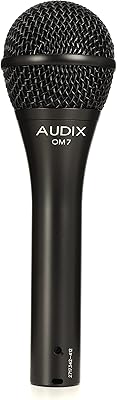
84%
91%
Sound Quality
93%
Build Quality
87%
Polar Pattern Performance
83%
Versatility
88%
Noise Rejection
More
Audix OM7
Audix OM7
83%
96%
Feedback Rejection
93%
Build Quality
84%
Vocal Clarity
61%
Sensitivity & Gain Requirements
91%
Off-Axis Rejection
More
Audix D4
Audix D4
82%
94%
Low-Frequency Capture
92%
Build Quality & Durability
89%
Size & Positioning
88%
Isolation & Bleed Rejection
93%
High SPL Handling
More
Audio-Technica ATM650 Hypercardioid Dynamic Microphone
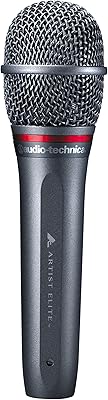
78%
84%
Stage Isolation Performance
81%
Build Quality
78%
Handling Noise Rejection
61%
Value for Money
79%
Transient Response
More
Audio-Technica AE6100 Hypercardioid Dynamic Microphone
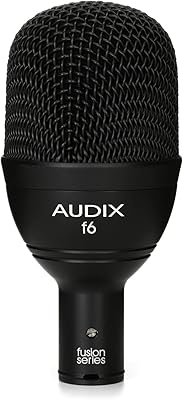
78%
88%
Feedback Rejection
93%
Build Quality
84%
Handling Noise Isolation
76%
Vocal Clarity
71%
Value for Money
More
Audio-Technica PRO61 Hypercardioid Dynamic Microphone
81%
88%
Feedback Rejection
84%
Build Quality
71%
Tonal Character
79%
Value for Money
86%
Polar Pattern Precision
More
Audix F6 Hypercardioid Dynamic Kick Drum Microphone
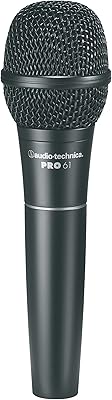
80%
91%
Low-End Sound Quality
94%
SPL Handling
86%
Bleed Rejection
72%
Placement Flexibility
88%
Build Quality
More
Audio-Technica PRO-8HEMW Headworn Dynamic Microphone
74%
91%
Fit & Stability
74%
Sound Clarity
83%
Stage Noise Rejection
78%
Build Quality
61%
Boom Arm Adjustability
More
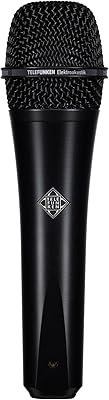
TELEFUNKEN M80 Dynamic Microphone
89%
94%
High-Frequency Clarity
96%
Build Quality & Durability
92%
Off-Axis Noise Rejection
91%
Vocal Cut & Presence
89%
Feedback Resistance
More
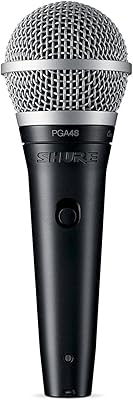
Shure PGA48-XLR
Shure PGA48-XLR
83%
93%
Build Quality
86%
Vocal Clarity
91%
Value for Money
82%
Feedback Rejection
74%
Handling Noise
More

FAQ

No, it does not. The M201 TG is a passive dynamic microphone, so it runs entirely without phantom power. You can plug it straight into any XLR input on your interface or mixer and it will work as expected.

It is genuinely excellent for snare drum. The slim body lets you position it closely without fighting for space near the hi-hat, and the hypercardioid pattern does a good job of rejecting cymbal bleed. Many engineers reach for this mic specifically because it captures snare attack cleanly without adding unwanted color.

A hypercardioid pattern has a narrower acceptance angle at the front, which means it picks up less from the sides than a cardioid would. The trade-off is a small rear lobe, so you want to make sure your monitor wedge is not directly behind the mic. In dense stage environments, the tighter pattern genuinely helps reduce bleed between channels.

Technically yes, but it is not what it was designed for. The neutral, transparent character and hypercardioid pattern can work in a pinch, but most vocalists and engineers prefer a standard cardioid dynamic for handheld use. This instrument microphone is far better deployed on a stand pointed at a sound source rather than held close to a mouth.

Because the M201 TG is quite neutral and honest, it responds well to clean, transparent preamps that do not add their own color. High-gain preamps can be beneficial since dynamic mics generally have lower output than condensers. Preamps from brands like Neve, API, or even quality budget options like the Focusrite Scarlett series all work well — just avoid preamps that introduce noise at high gain settings.

Very durable, by most accounts. The brass housing is noticeably solid, and the overall construction feels built for professional use rather than occasional home recording. Many engineers report using the same unit through years of heavy touring without any mechanical or electrical issues. The carry bag helps protect it between gigs.

It filters out electromagnetic interference generated by sources like stage lighting dimmers, LED rigs, and power transformers. On a venue stage where those sources are common, you can sometimes hear an annoying hum through a dynamic mic that lacks this feature. The hum-buck coil addresses that quietly in the background — you just get a cleaner signal without having to hunt for the interference source.

It can work for acoustic guitar, particularly if you want a very neutral, honest capture. That said, many engineers prefer a small-diaphragm condenser for acoustic guitar because of the extended high-frequency detail. The frequency response ceiling of this mic means you may lose some of the air and shimmer that a condenser would capture. It is worth trying, but it is not the first recommendation for acoustic guitar recording.

Yes, the included clip uses a standard 5/8-inch thread, which is the common size for professional mic stands. It works with most boom stands you are likely to own or encounter at a venue. You can also use a 3/8-inch adapter if needed, which is widely available.

Both are respected dynamic instrument mics, but they have different characters. The SM57 has a more forward, colored midrange presence that many guitarists love on cabinets, while the beyerdynamic mic leans toward accuracy and neutrality. The hypercardioid pattern also gives it tighter rejection than the SM57's cardioid. Neither is objectively better — the right choice depends on whether you want flattering color or honest transparency in your capture.

Where to Buy