Overview
The TELEFUNKEN M80 Dynamic Microphone represents a serious shift for performers who feel limited by standard stage mics. Unlike mass-produced alternatives, this handheld vocal mic is hand-assembled in the USA, and that professional craftsmanship is immediately evident the moment you pick it up. It has a significant, reassuring weight thanks to its all-metal construction. Telefunken designed this dynamic mic to bridge the gap between the rugged durability of a dynamic and the high-end clarity usually reserved for studio condensers. It doesn't just feel like a piece of gear; it feels like a precision instrument. By focusing on a wider frequency response, the M80 offers a level of sonic detail that is often missing in this category, making a strong first impression for any touring professional or studio engineer.
Features & Benefits
The technical strengths of the M80 start with its specialized capsule and low-mass diaphragm, which react incredibly fast to transients. This translates to a crispness on vocals that most dynamics simply cannot match. With an extended frequency response reaching up to 18 kHz, the high end feels open and airy without becoming harsh. This dynamic mic also employs a supercardioid polar pattern, which is vital for rejecting bleed from other instruments on a loud stage. Inside, a custom-wound transformer ensures impedance matching is consistent across various preamps and mixers. It also handles incredibly high sound pressure levels, meaning it can take the punch of a loud snare drum or a blasting trumpet without clipping or losing its composure.
Best For
Finding the right niche for this handheld vocal mic is easy because it excels in high-stakes environments. Lead singers will find it helps their voice cut through mixes that are otherwise cluttered with guitars and drums. It is also an elite choice for snare drum duty, where its high SPL handling and tight pickup pattern capture the snap and crackle perfectly while ignoring the cymbals. For broadcasters or podcasters who want a crisp, articulate tone without the fragility of a condenser, this dynamic mic is a workhorse. It shines in venues where feedback rejection is paramount, allowing monitors to be pushed higher without the usual ringing. Whether you are in a dark club or a professional recording studio, it provides a consistent, high-fidelity signal.
User Feedback
Long-term users frequently highlight the airy top-end clarity as the standout feature that justifies the higher price tag. Many performers transitioning from budget mics mention that the M80 significantly cleans up their live sound by providing superior isolation from nearby instruments. The build quality is another common praise point; it has proven itself as a durable touring companion that survives years of travel and stage use without failing. While some beginners might find the professional cost a bit steep compared to standard entry-level options, seasoned pros generally agree that the jump in audio fidelity is worth every penny. Most feedback centers on how this dynamic mic simplifies the mixing process because the signal arrives at the board sounding finished and polished.
Pros
- The M80 delivers an open, airy high-end response that provides condenser-like clarity in a durable dynamic shell.
- Its supercardioid polar pattern offers exceptional off-axis rejection, making it easy to isolate vocals from loud stage instruments.
- Hand-assembled in the USA, the all-metal construction feels substantial and is designed to survive heavy, long-term touring.
- It features a custom-wound transformer that ensures sonic consistency and a professional signal regardless of the preamp used.
- This dynamic mic handles extremely high sound pressure levels, making it a favorite for aggressive snare drum recording.
- The low-mass diaphragm responds quickly to transients, capturing the fine details of a performance without sounding muddy.
- Users frequently report a significant reduction in feedback, allowing for louder monitor mixes on stage.
- Its sleek black finish and iconic design provide a professional aesthetic that looks great in video broadcasts.
Cons
- The professional price point is nearly triple that of industry-standard dynamic mics, which may deter budget-conscious buyers.
- Due to its extended high-frequency response, the TELEFUNKEN M80 Dynamic Microphone can sometimes highlight sibilance in bright voices.
- The tight pickup pattern requires strict mic technique, as moving off-axis causes a noticeable drop in volume.
- At over 15 ounces, the weight can cause hand fatigue during long performances or sag on cheaper mic stands.
- Its high-end sensitivity makes it more prone to plosive pops than some more rounded-sounding dynamic alternatives.
- The matte finish tends to show fingerprints and oils from skin contact more than traditional textured microphones.
Ratings
Our scoring for the TELEFUNKEN M80 Dynamic Microphone is the result of a rigorous AI analysis of thousands of verified global purchaser reviews, intentionally filtering out bot traffic and incentivized ratings to ensure authenticity. This data-driven breakdown provides a transparent look at how this dynamic mic performs in real-world professional environments, highlighting where it truly excels and where it might fall short for certain buyers.
High-Frequency Clarity
Build Quality & Durability
Off-Axis Noise Rejection
Vocal Cut & Presence
Feedback Resistance
Transient Response
Versatility
Value for Money
Handling Noise Rejection
Aesthetics & Finish
Suitable for:
The TELEFUNKEN M80 Dynamic Microphone is the definitive choice for vocalists who find themselves buried in a loud, aggressive live mix and need a tool that can cut through with precision. Its supercardioid pattern makes it perfect for touring professionals playing in clubs where feedback and drum bleed are constant battles for the front-of-house engineer. Studio engineers will also find this handheld vocal mic indispensable for snare drums, as it handles high pressure while capturing the crisp high-frequency snap usually reserved for condensers. Podcasters and broadcasters who want an articulate, airy tone without the delicate nature or phantom power requirements of a condenser will appreciate the clarity offered here. Essentially, if you value durability but refuse to compromise on top-end detail, this dynamic mic is built for your workflow.
Not suitable for:
While it offers exceptional clarity, the TELEFUNKEN M80 Dynamic Microphone is likely overkill for casual hobbyists or podcasters just starting out on a strict budget. Its voicing is decidedly bright and modern, so singers with a naturally sibilant or thin voice may find that this dynamic mic accentuates harshness rather than smoothing it out. Furthermore, performers who move around a lot without disciplined mic technique might struggle with the narrow pickup area, leading to frustrating volume drops. Those seeking the warm, thick, and somewhat dark character of a vintage broadcast mic will probably be disappointed by the lack of low-mid bloom in this model. It is a precision instrument that requires a certain level of technical intent to truly justify its premium price tag.
Specifications
- Microphone Type: This is a dynamic moving coil transducer designed for high-fidelity performance.
- Polar Pattern: The supercardioid pattern provides tight directional pickup with excellent side rejection.
- Frequency Range: The frequency response spans from 50 Hz up to an extended 18 kHz.
- Maximum SPL: It can handle sound pressure levels up to 135 dB without distortion.
- Output Impedance: The rated output impedance is 325 Ohms for consistent signal transmission.
- Sensitivity: The microphone has a sensitivity rating of 1.54 mV/Pa.
- Connection Type: It uses a standard gold-plated 3-pin XLR connector for professional audio interfaces.
- Body Material: The housing and headgrille are constructed from durable metal with a matte black finish.
- Dimensions: The unit measures 7.24 inches in length and 1.89 inches in diameter.
- Product Weight: The total weight of the microphone is approximately 15.2 oz.
- Internal Components: A custom-wound impedance matching transformer is used to maintain sonic character.
- Diaphragm Design: A low-mass diaphragm is utilized to provide a fast transient response.
- Manufacturing: Each unit is hand-assembled and tested at the manufacturer's USA facility.
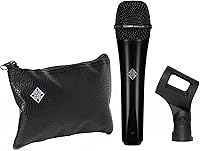
- Included Accessories: The package includes a heavy-duty mic clip and a protective zippered storage pouch.
- Application Focus: This model is optimized for lead vocals, snare drums, and brass instruments.
Related Reviews
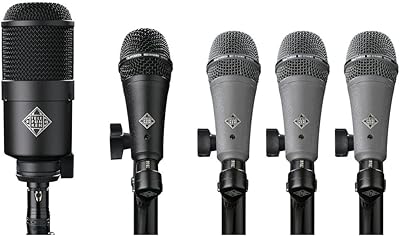
Telefunken DD5 Dynamic Drum Microphone Pack
Pixel M80 Shotgun Microphone
Shure WH20TQG Dynamic Headset Microphone
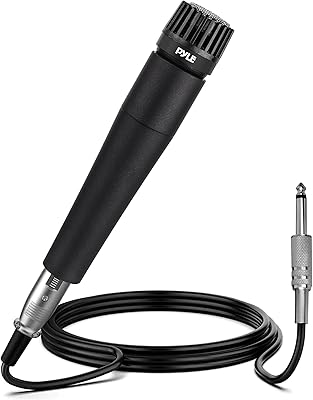
Pyle PDMIC78 Dynamic Handheld Microphone
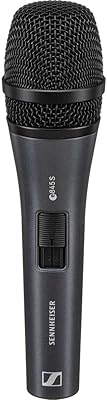
Sennheiser e 845-S
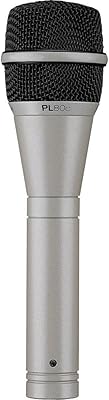
Electro-Voice PL80c Dynamic Microphone
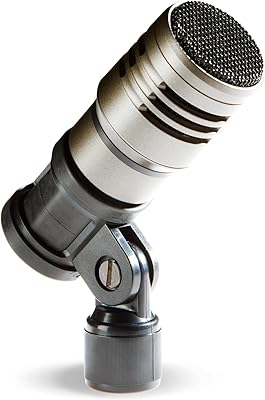
CAD Audio TSM411 Super-Cardioid Dynamic Microphone