Overview
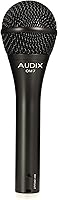
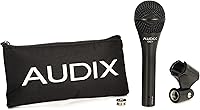
The Audix OM7 has earned its reputation the hard way — two decades of nightly use on loud stages, in the hands of touring vocalists and seasoned live engineers who needed a mic that simply would not feed back. It's a hypercardioid dynamic microphone built specifically for live performance, and it makes no apologies for being a specialist tool. The polar pattern is exceptionally tight, meaning it picks up what's directly in front of it and rejects almost everything else. Standard XLR connectivity means it drops into any professional rig without fuss. This stage microphone has been around since 2004 and still holds its ground against newer competition.
Features & Benefits
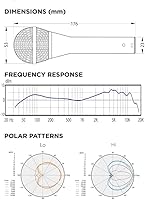
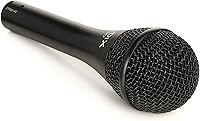
What sets this dynamic vocal mic apart from most stage mics isn't raw sensitivity — it's control. The hypercardioid polar pattern is tighter than a standard cardioid, so bleed from floor monitors, drums, and nearby instruments gets cut off at the source. That intentionally low sensitivity rating of -54 dB means you'll need a mixer or preamp with decent gain on tap, but in return you get a mic that stays clean and controlled even at punishing stage volumes. Frequency response extends up to 19 kHz, keeping vocals present without muddiness. The all-metal body feels built to last years of heavy touring, not just occasional weekend gigs.
Best For
This stage microphone is purpose-built for one scenario: loud stages where feedback is a constant threat. Lead vocalists fronting rock, metal, or high-energy bands will find it particularly valuable, especially when the monitor mix is cranked and the stage is full of competing sound sources. Live sound engineers tend to appreciate it because its polar behavior is predictable — you know exactly how it will react in a dense mix. That said, it rewards singers who have solid mic technique. Drift off-axis during an energetic performance and you will notice the sound thinning fast. Having a capable preamp in the signal chain is essentially non-negotiable here.
User Feedback
Among live engineers and touring vocalists, the OM7 has built a genuinely strong track record. Feedback rejection draws consistent praise — people who have wrestled with difficult monitor situations describe it as a real problem-solver on stage. Long-term durability comes up repeatedly; owners report using the same unit for five, eight, even ten years without incident. On the flip side, some vocalists find the low sensitivity a genuine obstacle if their mixing desk lacks sufficient clean gain. A number of singers also find the tight pickup pattern unforgiving during physically active performances. It is not a studio or podcasting mic, and buyers seeking that kind of versatility should look elsewhere.
Pros
- Outstanding feedback rejection makes the Audix OM7 a go-to solution for high-SPL stage environments.
- Extremely tight polar pattern keeps drum bleed, monitor wash, and ambient stage noise out of the vocal channel.
- All-metal body has proven genuinely road-worthy across years of nightly touring and heavy-use gigging.
- Frequency response up to 19 kHz keeps vocals crisp and present without requiring heavy EQ at front of house.
- Passive design requires no phantom power, eliminating one potential point of failure in a live signal chain.
- Standard XLR connection integrates with any professional PA, mixer, or snake system without adapters.
- Live engineers consistently report higher gain-before-feedback compared to standard cardioid mics in the same setup.
- Long-term ownership cost is low — this dynamic vocal mic retains its performance characteristics for many years.
- Handles extremely high sound pressure levels without distorting, even in front of loud backlines.
Cons
- Requires a high-quality preamp with substantial clean gain headroom — underpowered mixers produce noisy results.
- Off-axis sound thins out noticeably, punishing vocalists who do not maintain consistent mic positioning on stage.
- Not suited for home recording, podcasting, or studio use — the hypercardioid pattern is counterproductive in those contexts.
- Singers with naturally thin or mid-heavy voices may find the honest character of this mic unflattering without EQ.
- Higher upfront investment than general-purpose dynamic mics, which limits its appeal for occasional or casual performers.
- Beginners without developed mic technique are likely to struggle with the tight pickup window during live performances.
- Monitor placement must be intentional to take full advantage of the rear null points — sloppy setup wastes the mic's main strength.
- No built-in shock mount or internal suspension means handling noise requires attention from the engineer at the desk.
Ratings
The Audix OM7 scores here reflect AI-driven analysis of verified buyer reviews sourced globally, with spam, bot activity, and incentivized feedback actively filtered out before scoring. This stage microphone has accumulated a substantial real-world track record since 2004, and these ratings surface both where it genuinely excels and where it falls short for certain buyers. Strengths and frustrations are weighted equally — nothing is glossed over.
Feedback Rejection
Build Quality
Vocal Clarity
Sensitivity & Gain Requirements
Off-Axis Rejection
Durability Over Time
Mic Technique Forgiveness
Stage Noise Isolation
Ease of Integration
Value for Money
Handling Noise
Compatibility With Monitor Setups
Weight & Handling
Suitable for:
The Audix OM7 was built for one environment above all others: loud stages where feedback is a recurring battle and monitor bleed constantly muddies the mix. Lead vocalists fronting high-volume bands — rock, metal, country, gospel, or any genre where the stage gets genuinely loud — will find this dynamic vocal mic solves problems that cheaper or more common microphones simply cannot. Live sound engineers who manage wedge-heavy monitor setups will appreciate how predictably the tight pickup pattern behaves night after night, making gain-before-feedback consistently higher than what a standard cardioid allows. It is equally well-suited to house of worship applications and club venues where the stage is small, the monitors are loud, and the mix engineer needs every advantage available. Experienced vocalists who have developed solid mic technique — staying centered on the capsule, controlling their distance — will get the cleanest, most focused vocal sound the OM7 can deliver. If your signal chain includes a quality mixer or preamp with ample clean gain headroom, this stage microphone will perform at a level that justifies every penny of its cost over years of reliable use.
Not suitable for:
The Audix OM7 is a specialist, and buyers who need a versatile all-rounder should understand that limitation clearly before purchasing. Vocalists or content creators looking for a single microphone that covers live gigs, home studio recording, podcasting, or streaming will find this stage microphone frustrating outside of its intended live setting — it simply was not designed for those use cases, and the results reflect that. The low sensitivity spec is the most important practical hurdle: if your mixer, interface, or preamp cannot deliver clean high-gain output, you will fight noise issues that have nothing to do with the microphone itself and everything to do with the mismatch in your rig. Singers who are newer to performing and have not yet developed consistent mic technique may find the tight pickup pattern unforgiving — drifting even slightly off-axis during an energetic performance causes the sound to thin out noticeably. Acoustic or low-volume performers who rarely deal with feedback or monitor bleed will not experience enough benefit to justify the cost difference over more affordable dynamic mics. Home studio users chasing warmth, body, or a flattering character sound will also find the OM7 too honest and direct for that kind of work.
Specifications
- Microphone Type: Dynamic moving-coil microphone designed for live vocal performance applications.
- Polar Pattern: Hypercardioid, providing an extremely tight front-facing pickup zone with strong rejection of off-axis sound sources.
- Frequency Response: 50 Hz to 19 kHz, covering the full range of the human voice with extended high-frequency clarity.
- Audio Sensitivity: Sensitivity is rated at -54 dB (0 dB = 1V/Pa), intentionally low to maximize feedback rejection in high-SPL environments.
- Signal-to-Noise Ratio: 10 dB, consistent with a passive dynamic microphone design that prioritizes stage performance over studio-grade noise floor metrics.
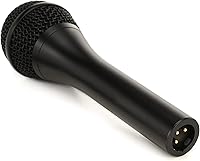
- Connector: 3-pin XLR male output, compatible with all standard professional PA systems, mixers, and audio interfaces.
- Power Source: Passive design requiring no phantom power, functioning solely from the acoustic energy of the sound source.
- Body Material: All-metal construction providing robust protection against physical impact and long-term mechanical wear from regular touring use.
- Weight: 1.01 pounds, offering a solid, substantial feel without being fatiguing to hold through extended live performances.
- Dimensions: 9 x 4.25 x 2.5 inches overall product packaging; microphone body measures approximately 9 inches in length.
- Number of Channels: Single-channel mono output, standard for a handheld dynamic vocal microphone used in live and PA applications.
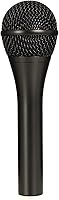
- Color: Black with a black metal grille, providing a standard professional stage appearance.
- Manufacturer: Audix Corporation, headquartered in the United States, with a long-standing reputation in professional live sound and studio microphone manufacturing.
- Phantom Power: Phantom power is not required and does not affect the operation of this passive dynamic microphone.
- Compatible Devices: Works with any device featuring a standard 3-pin XLR female input, including mixers, preamps, audio interfaces, and PA snake systems.
- Recommended Use: Primarily engineered for live vocal performance on stage, particularly in high-volume environments where feedback control is a priority.
- Item Model Number: OM7, as designated by Audix, used for identification across professional audio retailers and rental houses.
- Availability Status: Not discontinued by the manufacturer as of the most recent product listing data, indicating continued production and parts support.
Related Reviews
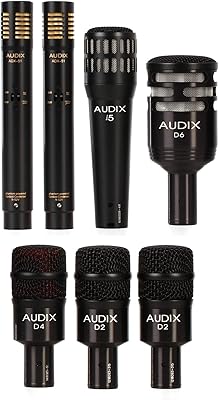
Audix DP7 7-Piece Drum Microphone Kit
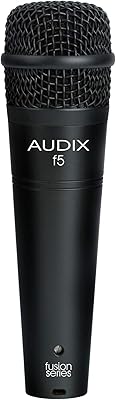
Audix F5 Instrument Dynamic Microphone
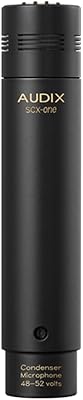
Audix SCX1HC Hypercardioid Condenser Microphone
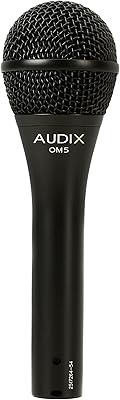
AUDIX OM5 Hypercardioid Dynamic Microphone
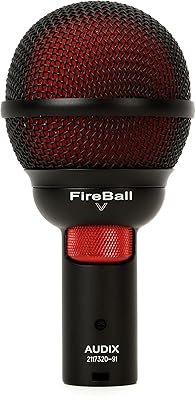
Audix Fireball-V
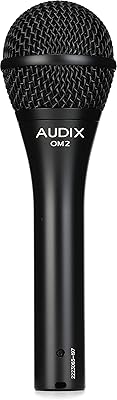
Audix OM2
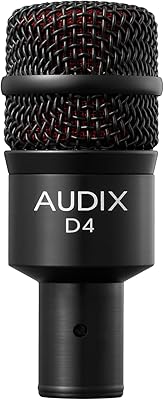
Audix D4
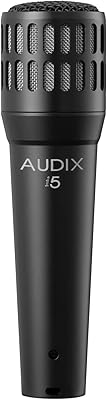
Audix i5
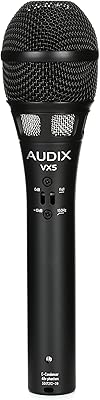
Audix VX5 Supercardioid Condenser Microphone