Overview

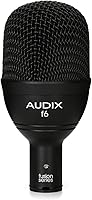
The Audix F6 Hypercardioid Dynamic Kick Drum Microphone is Audix's dedicated answer to the low-frequency instrument mic market — built in the USA and designed to hold up whether you're tracking in a project studio or loading in for a nightly run of shows. The kick drum mic space is genuinely crowded, but the F6 earns attention by combining a hypercardioid polar pattern with road-ready zinc alloy construction. That tighter pickup angle gives it a placement flexibility edge over standard cardioid designs, especially in dense live mixes. Sitting in a mid-range price bracket, it targets serious working drummers who have outgrown budget options but aren't ready to spend flagship money.
Features & Benefits

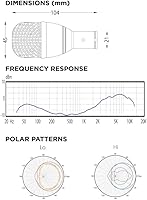
The F6's 140dB SPL ceiling is the spec that matters most in live work — when a hard-hitting drummer is laying into the kick, you need a mic that won't distort or compress unexpectedly. The hypercardioid pickup pattern pulls its weight too, rejecting off-axis noise from cymbals and snare bleed more aggressively than a standard cardioid would in a club setting. The frequency response tops out at 16kHz, which is entirely intentional: this kick drum mic is voiced for thump, weight, and click attack, not for capturing high-frequency air. A 108dB signal-to-noise ratio keeps the signal clean at the board, and the compact body makes positioning inside the shell or at the port far less fiddly.

Best For

This kick drum mic is an obvious fit for touring drummers who need dependable gear that won't require babying after a few hundred load-ins. It's equally useful for live sound engineers working stages where bleed control is a constant headache — the tighter polar pattern does a lot of the heavy lifting before you even touch the console. Beyond kick duties, the F6 holds its own on tympani, floor toms, and bass cabs, making it a smart choice for engineers who prefer versatile tools over single-purpose ones. Project studio owners wanting a meaningful upgrade from budget mics without committing to boutique pricing will find it sits right in that sweet spot.

User Feedback

Buyers consistently praise the Audix F6 for its punchy low-end response and how straightforwardly it fits inside a kick shell without requiring an elaborate mount setup. The build inspires confidence — nobody's reporting rattles or failures after repeated use. That said, a few users note the hypercardioid pattern demands more precise positioning than a cardioid alternative; if you're not used to dialing in a tighter pickup angle, expect a short learning curve. Some also wish a padded carrying pouch were included. Interestingly, a number of buyers report using this kick drum mic regularly on floor toms and bass cabinets. For drummers stepping up from common budget alternatives, the consensus points to a noticeable improvement in low-end clarity.

Pros

  • Handles extremely high sound pressure levels without distorting, even under the hardest hitters.
  • The hypercardioid pattern does real work in live settings, reducing bleed before it ever hits the preamp.
  • Compact body size makes positioning inside the kick shell or at the port straightforward.
  • Built in the USA from zinc alloy — feels like it can take a knock without becoming a warranty claim.
  • Voiced specifically for low-frequency instruments, so the kick sits naturally in a mix with minimal EQ.
  • No phantom power needed, which simplifies setup and avoids compatibility headaches with older gear.
  • Works convincingly on floor toms, tympani, and bass cabinets, giving it genuine versatility beyond the kit.
  • The 108dB signal-to-noise ratio delivers a clean, quiet signal even in loud live environments.
  • Audix has a strong reputation in professional audio, and the F6 benefits from that brand reliability.

Cons

  • The hypercardioid polar pattern requires more careful and deliberate placement than a standard cardioid mic.
  • No padded case or pouch is included, so you will need to buy or source your own protection for transport.
  • The low-end-focused voicing makes it a poor choice for any instrument outside the bass frequency range.
  • Not the best fit for drummers who record jazz or acoustic styles where a natural, open tone is the goal.
  • Some buyers find the sound character too aggressive or colored compared to more neutral alternatives.
  • Placement learning curve can be frustrating for engineers who are less experienced with tighter polar patterns.
  • Only comes in black, which is a minor but real limitation for studios with color-coded mic inventories.
  • Those upgrading from budget mics may need a decent preamp to fully hear the difference in performance.

Ratings

Our AI-generated scores for the Audix F6 Hypercardioid Dynamic Kick Drum Microphone are based on a deep analysis of verified buyer reviews from across the globe, with spam, bot activity, and incentivized feedback actively filtered out. The scorecards below reflect both what real users consistently praise and where genuine frustrations have surfaced, giving you an honest picture before you commit.

Low-End Sound Quality
91%
Drummers and engineers repeatedly describe the kick tone as punchy and well-defined, with a natural beater attack that sits cleanly in a live or recorded mix without heavy EQ. The F6 captures the thump and weight of a kick drum in a way that budget mics in this space routinely fail to do.
A small number of users find the low-end character slightly colored or forward-sounding for genres like jazz or acoustic folk, where a more neutral mic response is preferred. It is a voiced mic, not a flat one, which suits most but not all applications.
SPL Handling
94%
The 140dB SPL ceiling means this kick drum mic simply does not flinch under hard-hitting live drummers, which is a real concern with lesser mics that compress or distort during peak transients. Engineers working loud stages consistently report clean, undistorted signal even at the most punishing volumes.
For most buyers, this headroom is more than they will ever need in practice, so the spec itself rarely becomes a decision point either way. There are no meaningful complaints here, but it is also not a differentiator that everyone notices consciously until they have experienced a mic that clips unexpectedly.
Bleed Rejection
86%
The hypercardioid polar pattern does a noticeably better job of isolating the kick from cymbal wash and snare bleed than a standard cardioid design would on a typical live stage. Engineers working smaller venues with dense stage mixes particularly appreciate this, as it reduces the amount of corrective work needed at the console.
The tighter pickup window is a double-edged situation — it rejects bleed well, but it also punishes imprecise placement more harshly than a forgiving cardioid. Engineers newer to hypercardioid mics sometimes dial in too much off-axis bleed before they find the right angle.
Placement Flexibility
72%
28%
The compact body makes it physically easy to get the F6 into position inside a kick shell or at the port hole, and its light weight means it stays put without stressing the mount. Buyers routinely comment on how little fussing is required to get it physically positioned where they want it.
The hypercardioid pattern itself reduces placement flexibility compared to a cardioid mic, because the on-axis sweet spot is narrower and small angular shifts have a more pronounced effect on the sound. Several users specifically mention preferring a cardioid option for quicker, more forgiving setup during busy load-ins.
Build Quality
88%
The zinc alloy body genuinely feels substantial in hand — not heavy, but not plasticky either — and long-term users report no structural failures, rattles, or connector issues even after extended gigging. The matte black finish holds up well to the kind of incidental scratches and knocks that come with regular touring.
A handful of buyers note the mic can feel slightly utilitarian compared to the aesthetics of some competing models, and the finish shows fingerprints fairly easily. These are cosmetic observations rather than functional concerns, but worth noting for studio owners who care about presentation.
Versatility
78%
22%
A surprisingly large number of buyers use the F6 regularly beyond the kick drum — on floor toms, tympani, and bass guitar cabinets — confirming that its low-frequency voicing transfers well to other instruments in the same frequency range. This multi-use capability adds real value for engineers who prefer a smaller, versatile mic locker.
Outside of low-frequency instruments, the F6 is simply not the right tool, and buyers who expect it to double as a general-purpose dynamic for vocals, snare top, or guitar cabs will be disappointed. Its specialization is a strength within its intended range and a hard limitation beyond it.
Signal Clarity
83%
The 108dB signal-to-noise ratio translates to a noticeably clean output that does not add unwanted noise to the signal chain, which matters when you are running long cable runs to a FOH console on a loud stage. Engineers report that the F6 feeds the preamp a strong, well-defined signal that needs less gain to reach a usable level.
A few users note the mic benefits from a decent preamp to fully realize its clean output — running it through a lower-quality interface preamp can introduce some noise that masks the mic's inherent clarity. This is more a system consideration than a flaw in the mic itself, but it is a real-world factor.
Ease of Setup
74%
26%
No phantom power, no batteries, no setup menus — just plug in an XLR cable and go, which is exactly what a working drummer or live engineer wants. The passive design removes one potential point of failure from the signal chain entirely.
The placement learning curve for the hypercardioid pattern means first-time users often need a few attempts to find the optimal position, which can add time during a soundcheck. A clip is also not included in the box, requiring buyers to source their own mounting solution before they can even begin.
Value for Money
81%
19%
At its mid-range price point, the F6 delivers a level of build quality and sonic performance that buyers consistently describe as punching above what they expected for the money. The USA manufacturing adds a perception of quality assurance that budget alternatives from offshore brands cannot match.
For buyers on a tighter budget, there are cheaper kick mics that will do an acceptable job, and for buyers willing to spend more, there are flagship options with a broader frequency presence and wider polar patterns. The F6 earns its place in that middle tier but does not universally outperform on every criterion.
Durability Over Time
87%
Users who have owned the F6 for several years report consistent performance without degradation in output level or sound character, which is a meaningful endorsement for a gigging mic that takes physical and acoustic punishment regularly. The zinc alloy construction appears to age well without developing structural weakness.
There are occasional reports of the XLR connector fitting slightly loose on some units after extended use, though these are not widespread. Audix's support reputation is generally solid, but replacement or repair timelines can be a concern for touring musicians who cannot afford downtime.
Genre Suitability
69%
31%
For rock, metal, pop, and hip-hop production — where a defined, punchy kick with clear beater click is the standard expectation — the F6 delivers a character that fits right into the mix without much persuasion. Its voicing aligns closely with what most modern drum production calls for.
Jazz drummers, acoustic recording engineers, and producers chasing a warmer, more open kick tone often find the F6 too colored and forward-sounding for their needs. It is a purposeful-sounding mic, and that purpose is not universal across all genres or recording philosophies.
Packaging & Accessories
51%
49%
The mic arrives well-protected in its box and is packaged in a way that prevents transit damage, which is a baseline expectation that Audix meets without issue. The mic itself is the focus, and it arrives in good condition consistently.
The absence of a padded pouch, carrying case, or even a basic mic clip is a recurring frustration among buyers, especially at this price tier where at least a clip is a reasonable expectation. Competitors at similar or lower price points often include a mounting clip as standard, making this omission feel like a cost-cutting choice.
Brand Reputation
84%
Audix has been a fixture in professional live and studio audio for decades, and that track record carries genuine weight with buyers who have seen lesser brands come and go. The F6 benefits from the confidence that comes with buying from a manufacturer whose products regularly appear on professional stages worldwide.
Audix is not as universally recognized as a few dominant competitors in the drum mic space, which means some buyers are skeptical until they actually hear the mic in context. Brand awareness remains lower than its product quality arguably deserves, particularly outside North America.

Suitable for:

The Audix F6 Hypercardioid Dynamic Kick Drum Microphone is a strong fit for working drummers and live sound engineers who need a reliable, purpose-built low-frequency mic that can handle punishing stage conditions night after night. If you're playing regular club gigs or regional tours and your current kick mic is either falling apart or just not delivering the punch you need at the board, the F6 sits at a price point where the upgrade genuinely makes sense. Live engineers dealing with dense stage setups will appreciate the tighter hypercardioid pattern, which cuts down on cymbal and snare bleed without requiring heavy EQ surgery afterward. It also earns its place in project studios as a dedicated kick and low-frequency workhorse — useful not just on the kick shell but also on floor toms, tympani, and bass cabs. Buyers who care about American manufacturing and want a brand with a long track record in professional audio will feel comfortable investing here.
Not suitable for:

The Audix F6 Hypercardioid Dynamic Kick Drum Microphone is not the right tool for engineers or musicians who need a single microphone to cover a wide range of instrument types, including sources with significant high-frequency content — its voicing is deliberately focused on low-end weight, and it will not flatter a vocal, acoustic guitar, or overhead application. Drummers newer to mic placement may find the hypercardioid pattern more demanding to work with than a forgiving cardioid design; if you set it up without dialing in the angle carefully, you will hear the consequences in bleed and off-axis coloration. It is also not ideally suited to jazz or acoustic drum recording where a more natural, open sound is preferred over the punchy, impact-forward character the F6 is tuned to deliver. If you are on the tightest possible budget and just need something functional to get started, there are cheaper entry-level options that will do the job until you are ready to invest at this level. Finally, buyers expecting a padded case or carrying pouch in the box will need to source that separately.
Specifications

  • Microphone Type: Dynamic instrument microphone with a passive design requiring no phantom power.
  • Polar Pattern: Hypercardioid, providing tighter off-axis rejection than a standard cardioid for better bleed control in live settings.
  • Max SPL: Handles up to 140dB sound pressure level, making it suitable for high-impact drum and percussion applications.
  • Signal-to-Noise: 108dB signal-to-noise ratio, delivering a clean and quiet output signal even in loud stage environments.
  • Frequency Response: Voiced from the low end up to 16kHz, a range deliberately tuned for bass-frequency instruments rather than full-spectrum sources.
  • Connector: Standard 3-pin XLRM connector, compatible with any balanced XLR input on a mixer, interface, or stage box.
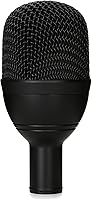
  • Body Material: Precision-cast zinc alloy construction finished in matte black, built to withstand regular touring and studio use.
  • Weight: 10.6 ounces (approximately 0.3 kg), light enough to mount easily without stressing standard mic clips or stands.
  • Mic Dimensions: Actual microphone body measures approximately 4.8 x 2.3 x 2.3 inches, compact enough to position inside a kick drum shell.
  • Box Dimensions: Shipping box measures 8.8 x 4.45 x 2.7 inches, reflecting the packaging rather than the mic body itself.
  • Power Requirement: Fully passive dynamic design — no phantom power or battery required, which simplifies compatibility with virtually any audio interface or console.
  • Channels: Single-channel (mono) output, as is standard for instrument dynamic microphones of this type.
  • Finish: Matte black finish applied to the zinc alloy body, resistant to surface wear under regular use.
  • Manufacturer: Manufactured by Audix Corporation in the United States, a brand with a longstanding presence in professional live and studio audio.
  • Primary Use: Designed primarily for kick drums, with documented secondary applications including floor toms, tympani, and bass instrument cabinets.
  • Included Items: Package includes the F6 dynamic microphone only; a carrying case or mounting clip are not included in the standard box.
  • Model Number: Official model designation is F6, part of the Audix f-series instrument microphone line.
  • Date Available: This model has been available on the market since April 2004, indicating a long production run and an established track record.

Related Reviews

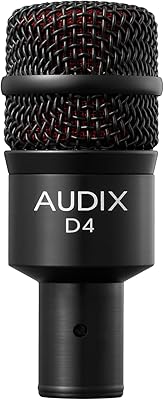
Audix D4
Audix D4
82%
94%
Low-Frequency Capture
92%
Build Quality & Durability
89%
Size & Positioning
88%
Isolation & Bleed Rejection
93%
High SPL Handling
More
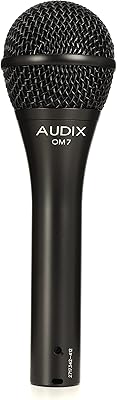
Audix OM7
Audix OM7
83%
96%
Feedback Rejection
93%
Build Quality
84%
Vocal Clarity
61%
Sensitivity & Gain Requirements
91%
Off-Axis Rejection
More
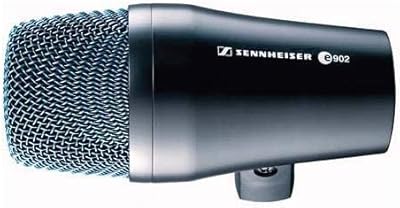
Sennheiser e902 Dynamic Kick Drum Microphone
83%
91%
Sound Quality
93%
Build Quality
89%
Low-End Capture
88%
Beater Attack Definition
84%
Bleed Rejection
More
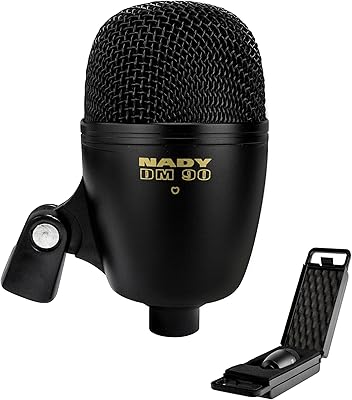
Nady DM-90 Dynamic Kick Drum Microphone
84%
89%
Sound Quality for Kick Drums
91%
Durability and Build Quality
85%
Feedback Rejection
88%
SPL Handling (High Volume Performance)
87%
Low-Frequency Reproduction
More
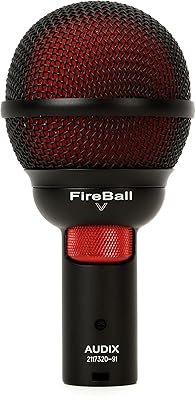
Audix Fireball-V
Audix Fireball-V
84%
94%
Ergonomics & Handling
88%
Feedback Rejection
86%
Vocal & Instrument Clarity
92%
Build Quality & Durability
83%
On-Board Volume Control
More
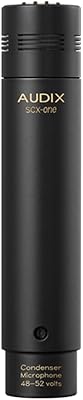
Audix SCX1HC Hypercardioid Condenser Microphone
82%
91%
Sound Isolation
88%
Build Quality
67%
Noise Floor Performance
86%
Ease of Setup
89%
SPL Handling
More
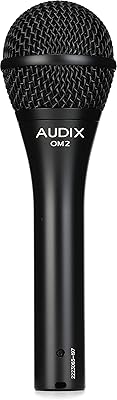
Audix OM2
Audix OM2
91%
94%
Feedback Rejection
96%
Build Durability
89%
Midrange Clarity
92%
Off-Axis Isolation
84%
Handling Noise
More
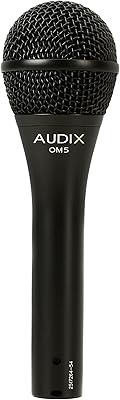
AUDIX OM5 Hypercardioid Dynamic Microphone
80%
91%
Vocal Clarity
93%
Feedback Rejection
88%
Build Quality
83%
Value for Money
57%
Mic Technique Demand
More
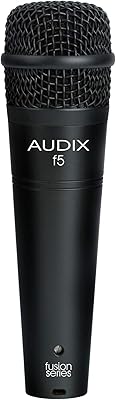
Audix F5 Instrument Dynamic Microphone
86%
88%
Build Quality
83%
Sound Accuracy
91%
Feedback Rejection
93%
SPL Handling
89%
Value for Money
More
Electro-Voice PL33 Kick Drum Microphone
75%
74%
Sound Character
81%
Low-End Reproduction
83%
Bleed Rejection
69%
Build Quality
61%
Value for Money
More

FAQ

No, the Audix F6 Hypercardioid Dynamic Kick Drum Microphone is a fully passive dynamic mic, so it runs on no power at all — just plug it into any standard XLR input and you're set. This also means there's zero risk of compatibility issues with older consoles or interfaces that don't supply phantom power.
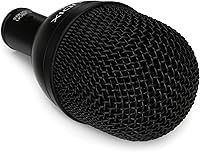
A good starting point is a few inches inside the port hole, angled slightly toward the beater head rather than pointing straight in. Because the F6 uses a hypercardioid pattern, the sweet spot is fairly focused, so small adjustments in angle will noticeably change how much click versus thump you pick up. Take a few minutes to listen while someone plays and move it incrementally — it rewards careful placement.

Honestly, yes — a little. A cardioid pattern is more forgiving if the mic isn't perfectly aimed, while the hypercardioid's tighter pickup window means off-axis positioning will color your sound more quickly. That said, the payoff is noticeably less bleed from the snare and cymbals in a live mix, which can save you a lot of work at the board. If you're comfortable with basic mic placement, the learning curve is short.

Yes, and quite a few buyers do exactly that. The F6 works well on floor toms, tympani, and bass guitar cabinets — anything where you're primarily after weight and impact in the low frequencies. It's not a general-purpose mic by any means, but for low-frequency instruments it punches well above its size.

Nothing at all — that's intentional. The F6 is voiced specifically for low-frequency sources, and extending the high-frequency response further would work against that character. You don't need a kick drum mic to capture airy highs; you need it to reproduce thump, body, and beater attack, which this mic does well. Think of the 16kHz ceiling as a design choice, not a flaw.

The F6 is rated for up to 140dB SPL, which covers even the most aggressive live drummers without breaking a sweat. In practical terms, you're very unlikely to hit that ceiling in any real-world drumming scenario, whether live or in the studio.

No, the standard package includes the microphone only. If you need a padded pouch or a specific mounting clip, you'll have to source those separately. A few buyers have flagged this as a minor inconvenience, especially given the price point — it's worth budgeting for a clip if you don't already have a compatible one.

The zinc alloy body is noticeably solid, and the mic has been on the market since 2004 with a consistent reputation for durability. This kick drum mic is built with gigging in mind rather than staying in a studio rack. Plenty of working drummers and touring engineers report years of reliable use without issues.

This is where it may not be the best tool. The F6's character is punchy and impact-forward, which is exactly what you want for rock, metal, or pop productions, but that same voicing can feel a bit aggressive for jazz or acoustic styles where a more natural, open kick tone is preferred. Engineers working in those genres often reach for a mic with a flatter response and a wider pattern. It's not impossible, but it's not the ideal application for the F6.

Any standard balanced XLR cable will work — the F6 uses a 3-pin XLRM connector, which is the universal standard. For a typical drum kit setup, a 10- to 20-foot cable is usually enough to reach a stage box or interface, though your specific setup will determine the exact length you need.

Where to Buy