



Overview

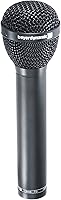
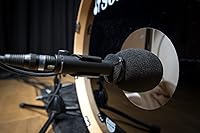
The Beyerdynamic M88 TG Dynamic Microphone has been a fixture in professional audio circles for decades, and that staying power is not accidental. This dynamic mic carries beyerdynamic's German engineering tradition in a rugged brass shell built to outlast countless gigs and sessions. Its hypercardioid polar pattern is central to its appeal — a tighter pickup angle than a standard cardioid means less ambient bleed in loud, chaotic live environments. Don't mistake versatility for compromise, though. The M88 TG was designed to handle vocals, kick drums, and bass amplifiers with equal competence, making it a genuinely multi-purpose tool rather than a one-trick stage mic.

Features & Benefits

What separates the M88 TG from mid-tier dynamics is a combination of practical engineering decisions that actually matter in use. The integrated hum-buck coil — rated at 20 dB of rejection — keeps electrical interference quiet whether you are near stage lighting rigs or working in a studio with noisy gear nearby. Its low-frequency response extends generously without becoming muddy, and a subtle presence boost keeps transients clear without adding harshness. beyerdynamic's workhorse mic also handles extremely high sound pressure levels without breaking up, which is exactly what you need in front of a driven bass cab or a hard-hitting kick drum. Standard XLR connectivity means zero compatibility headaches.

Best For

This dynamic mic earns its keep across a surprisingly wide range of scenarios. Live vocalists dealing with loud monitor mixes will appreciate the tight off-axis rejection that keeps neighboring sources out of the signal. Studio engineers will find it particularly strong on kick drum and bass cabinet tracking, where its extended low end and high SPL tolerance shine together. Touring performers benefit from the brass build — it is the kind of mic that takes bumps in a gear bag without complaint. Home studio owners upgrading from entry-level dynamics will notice a meaningful jump in clarity, and broadcasters in noisier rooms may find the hypercardioid pattern a practical, immediate fix.

User Feedback

With around 40 ratings and a 4.5-star average, the sample size is modest, but the feedback trends consistently positive. Buyers using the M88 TG on kick drum frequently highlight its warm, detailed low end as something that separates it from typical stage dynamics. Vocal users note it avoids the harsh, papery quality that cheaper mics in this form factor often exhibit. That said, a handful of reviewers flag that the hypercardioid pattern punishes imprecise placement — angle it wrong and the sound thins out noticeably, so technique genuinely matters here. Long-term owners are especially enthusiastic about build quality, citing years of hard touring use with no meaningful signs of wear.

Pros

  • The hypercardioid polar pattern does a genuinely excellent job of rejecting off-axis noise in live settings.
  • Extended low-end response makes this dynamic mic a natural fit for kick drum and bass cabinet recording.
  • The integrated hum-buck coil keeps electrical interference quiet even near stage lighting or noisy gear.
  • Brass construction feels solid and purposeful — this mic is built to absorb years of regular use.
  • High SPL handling means it stays clean in front of loud sources where lesser mics would distort.
  • No phantom power required, so it works reliably with a wide range of interfaces and mixers.
  • Vocal recordings carry a natural warmth without the harsh sibilance common in cheaper dynamics.
  • The included mic clip and carry bag add everyday practicality without needing additional purchases.
  • Long-term owners consistently report no meaningful wear after years of heavy touring and studio use.

Cons

  • The hypercardioid pattern demands precise mic placement — even small positioning errors can thin out the sound.
  • With only around 40 ratings on Amazon, the user feedback pool is too small to draw firm conclusions.
  • Buyers unfamiliar with hypercardioid behavior may find the learning curve unexpectedly steep at first.
  • The M88 TG sits at a premium price point that is difficult to justify for casual or infrequent users.
  • No USB connectivity means an XLR interface is required, adding cost and complexity for beginners.
  • Not well-suited to wide or ambient pickup scenarios due to its deliberately tight polar pattern.
  • The carry bag included is functional but basic — serious touring use may warrant a sturdier case.
  • Heavier than some competing dynamics at 13.4 ounces, which can matter on lightweight mic stand setups.

Ratings

Our AI rating system analyzed verified buyer feedback for the Beyerdynamic M88 TG Dynamic Microphone from across global platforms, actively filtering out incentivized, duplicate, and bot-generated reviews to surface what genuine users actually experience. The scores below reflect both the strengths that keep professionals reaching for this mic year after year and the honest friction points that prospective buyers should weigh before committing. With a relatively modest review pool to draw from, these ratings prioritize signal quality over volume — every category is grounded in real-world usage patterns.

Sound Quality
91%
Users consistently describe the sonic character of the M88 TG as natural and detailed without any of the brittle edge that cheaper dynamic mics introduce, particularly on vocals. Kick drum recordings stand out in feedback, with engineers praising the warm yet defined low-end that requires minimal EQ correction in the mix.
A small number of users recording acoustic instruments found the voicing slightly colored for their needs, preferring a flatter response. The soft presence boost, while flattering on vocals, can occasionally add an unwanted edge when used on brighter sources like snare drums.
Build Quality
93%
The solid brass body is one of the most frequently cited strengths among long-term owners, many of whom report zero structural degradation after years of regular touring and studio use. The connector feels secure, and the overall weight gives a reassuring sense of density that cheaper plastic-body mics simply cannot replicate.
The included mic clip is functional but feels slightly underwhelming relative to the overall build quality of the mic itself. A small number of touring users reported the clip showing wear before the mic did, suggesting it may need replacing sooner than expected under heavy use.
Polar Pattern Performance
87%
In loud live environments, the hypercardioid pattern delivers on its promise — stage bleed and monitor spill are kept noticeably under control compared to standard cardioid dynamics, which matters enormously for vocalists performing alongside loud backlines. Studio engineers tracking in open-plan spaces also benefit from the tight rejection when isolation is critical.
The same tight pattern that makes this mic excel in controlled environments creates a real learning curve for users unfamiliar with hypercardioid behavior. Several buyers noted that their recordings sounded thin or off until they adjusted their placement, and the steep drop-off in bass response when drifting off-axis can catch new users off guard.
Versatility
83%
Few dynamic mics at this tier perform convincingly across as many sources as beyerdynamic's workhorse mic — vocals, kick drum, bass amplifiers, and even some brass applications all appear across user feedback with positive results. That range of genuine use cases, rather than marketing claims, is what makes the versatility score meaningful here.
The hypercardioid pattern does limit its usefulness for certain scenarios where a wider pickup is desirable, such as room miking or group vocal recording. Users looking for a single mic to handle ambient capture or ensemble recording will find this dynamic mic deliberately unsuited to those tasks.
Noise Rejection
88%
The integrated hum-buck coil earns genuine appreciation from users who have tracked in electrically noisy environments — venues with dimmer packs, fluorescent lighting, or dense stage rigs are exactly where the 20 dB of interference rejection becomes audibly valuable rather than just a spec sheet number. Several broadcast users cited noticeably quieter signal floors compared to mics without similar shielding.
In very clean, acoustically treated studio environments, the hum rejection advantage is largely imperceptible, making it a feature that rewards specific contexts rather than all users equally. A minority of users working in purpose-built recording spaces felt the hum-buck coil was irrelevant to their workflow.
Low-End Reproduction
89%
Reviewers who use this dynamic mic on kick drum consistently single out the low-frequency response as a highlight, noting that the mic captures genuine depth and impact without becoming boomy or undefined. Bass amplifier users echo this sentiment, describing a fullness in the recorded signal that holds up well even after significant compression in a mix.
Some vocalists with already deep or warm voices found that the extended bass response required high-pass filtering in post to keep the low end controlled, adding a step to their workflow. This is a minor concern, but worth knowing for home studio users who prefer to capture a mix-ready signal with minimal post-processing.
SPL Handling
92%
The M88 TG handles extreme volume sources without any reported distortion in user feedback, which is a significant practical advantage for users who routinely mic up loud drum kits or screaming guitar amplifiers. This reliability under pressure means engineers can place the mic confidently without reaching for a pad or constantly checking for clipping.
For users who primarily record quieter acoustic sources, the high SPL tolerance is largely wasted capability, and the mic's overall sensitivity may require a bit more preamp gain than expected in low-volume recording contexts. This is not a flaw but a design priority that points toward high-volume applications.
Ease of Use
71%
29%
For experienced engineers and vocalists who understand microphone polar patterns, setup is entirely straightforward — standard XLR connection, no phantom power required, and no onboard controls to manage. The plug-and-play simplicity is a genuine asset for professionals who want one fewer variable to manage during a session.
For buyers without prior experience using hypercardioid mics, the placement sensitivity creates a frustrating initial experience that several reviewers described as sounding broken before they figured out the correct positioning. The mic does not come with any meaningful documentation about optimal placement technique, which would help less experienced users considerably.
Value for Money
78%
22%
Users who rely on this dynamic mic heavily — touring musicians, working studio engineers, broadcast professionals — broadly agree that the durability and sonic performance justify the investment at its price tier over the long run. The consistent performance across multiple source types also reduces the need to own several specialized mics for different applications.
Casual or occasional users who record infrequently at home will find it harder to rationalize the cost against more affordable dynamics that cover basic vocal and instrument recording needs adequately. The value equation shifts considerably depending on how intensively the mic is actually used in practice.
Stage Durability
94%
Long-term owner feedback on durability is among the most consistent positives in the available reviews, with multiple users describing years of road use without any structural failures, connector issues, or degradation in audio performance. The brass body and tight assembly tolerances contribute to a mic that visibly outlasts cheaper alternatives in touring conditions.
The soft carry bag included in the box provides minimal protection against serious physical impact, so users who gig frequently should invest in a hard case or padded pouch for transit. A handful of users also noted minor finish wear on the body after extended use, though this was purely cosmetic.
Compatibility
96%
Standard 3-pin XLR output means this dynamic mic connects to essentially any professional or prosumer audio interface, mixer, or console without adapters or additional hardware. The passive design and lack of phantom power dependency also make it universally compatible across older and newer equipment alike.
The XLR-only connection means it is entirely unsuitable for users looking for USB or wireless plug-and-play convenience, which is a genuine limitation for streamers or podcasters who have not yet invested in an audio interface. This is a design choice rather than a flaw, but it does narrow the accessible user base.
Mic Placement Tolerance
62%
38%
Users who take the time to understand and optimize hypercardioid mic placement report excellent and consistent results, with the tight pickup pattern behaving predictably once the technique is dialed in. For disciplined vocalists and engineers who work methodically, the placement requirements become second nature quickly.
The hypercardioid pattern's sensitivity to off-axis positioning is the single most common source of negative or mixed feedback, with multiple users describing the mic as sounding unexpectedly thin or dull before realizing positioning was the cause. This is the steepest practical learning curve associated with the M88 TG and should be a clear expectation-setter for new buyers.
Included Accessories
67%
33%
The bundled mic clip handles standard stand mounting reliably and the carry bag keeps the mic protected during everyday storage and light transport. For users who already own a full complement of accessories, the included items cover the basics without unnecessary additions that inflate the package cost.
Neither the clip nor the bag is particularly premium given the overall quality of the mic itself, and touring professionals will likely replace both early on. A more robust locking clip and a padded hard case would feel more appropriate given the product's positioning and price tier.

Suitable for:

The Beyerdynamic M88 TG Dynamic Microphone is a strong match for anyone operating in loud, demanding audio environments where controlling bleed and capturing clean low-end are non-negotiable priorities. Live vocalists performing on busy stages with loud monitor mixes will immediately notice how the tight hypercardioid pickup pattern keeps neighboring instruments and stage noise out of their signal. Recording engineers who regularly track kick drum or bass amplifiers will appreciate how this mic handles high sound pressure levels without flinching, while its extended low-frequency response brings genuine weight and punch to those sources. Touring musicians and working professionals who need a mic that survives the physical punishment of the road will find the brass construction quietly reassuring over time. Even home studio owners making a serious step up from budget-tier dynamics, or broadcasters dealing with noisy recording spaces, will find the off-axis rejection and natural sonic character a meaningful upgrade over what they are used to.

Not suitable for:

The Beyerdynamic M88 TG Dynamic Microphone is not the right tool for every buyer, and being honest about that matters. Beginners or casual users who are unfamiliar with hypercardioid polar patterns may find it frustrating — this mic rewards precise placement, and if you point it slightly off-axis, the sound quality drops noticeably, which can confuse anyone expecting a more forgiving cardioid behavior. Those shopping at a budget-conscious price point will likely find the investment harder to justify if their use case is limited to occasional home recording or simple spoken-word content where a less specialized mic would do the job just fine. Podcasters or streamers recording in acoustically treated rooms who primarily want a USB plug-and-play solution should look elsewhere entirely, since this mic requires an XLR-capable interface and some working knowledge of gain staging. It is also worth noting that if you are hunting for a mic with a wide, room-filling pickup suited to capturing group performances or ambient recording, the tight hypercardioid pattern works directly against that goal.

Specifications

  • Microphone Type: Dynamic moving-coil microphone designed for both live performance and studio recording applications.
  • Polar Pattern: Hypercardioid, providing a tighter pickup angle than a standard cardioid with strong rejection of sound arriving from the sides and rear.
  • Connector: Standard 3-pin XLR output, compatible with professional audio interfaces, mixers, and stage patchbays.
  • Frequency Range: Extended frequency response with a soft presence boost that adds clarity to vocals and definition to low-frequency sources without harshness.
  • SPL Handling: Engineered to handle high sound pressure levels, making it resilient in front of loud instruments such as kick drums and bass amplifiers without distortion.
  • Hum Rejection: Integrated hum-buck coil provides 20 dB of rejection against electromagnetic interference from stage lighting, motors, and other electrical sources.
  • Signal-to-Noise: Signal-to-noise ratio of 75 dB, delivering a clean and quiet output floor suitable for professional recording environments.
  • Sensitivity: Audio sensitivity rated at 88 dB, reflecting the mic's ability to convert acoustic energy into a strong, usable electrical signal.
  • Body Material: Constructed from brass, contributing to both the mic's physical durability and its resistance to wear over years of regular use.
  • Dimensions: Measures 1.9 x 1.9 x 7.1 inches, fitting standard handheld mic clips and most boom arm mounting hardware without adapters.
  • Weight: Weighs 13.4 ounces (0.84 lbs), which is on the heavier side for a handheld dynamic but reflects the solid brass construction.
  • Power Source: Fully passive design requiring no phantom power, operating via standard corded XLR connection from any compatible preamp or mixer.
  • Form Factor: Handheld cylindrical body, appropriate for use on a mic stand, boom arm, or hand-held during live vocal performance.
  • Included Items: Ships with a microphone clip for stand mounting and a soft carry bag for transport and storage protection.
  • Manufacturer: Designed and manufactured by beyerdynamic, a German audio company with a long-established reputation in professional microphone engineering.
  • Model Number: Official model designation is M88TG, identifying this specific variant within beyerdynamic's professional dynamic microphone lineup.

Related Reviews

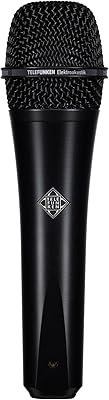
Beyerdynamic M201 TG Dynamic Hypercardioid Microphone
87%
93%
Sound Accuracy
91%
Off-Axis Rejection
94%
Build Quality
89%
Transient Response
88%
Noise Rejection
More
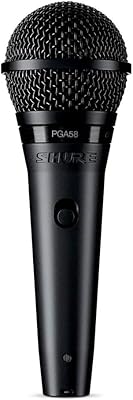
TELEFUNKEN M80 Dynamic Microphone
89%
94%
High-Frequency Clarity
96%
Build Quality & Durability
92%
Off-Axis Noise Rejection
91%
Vocal Cut & Presence
89%
Feedback Resistance
More
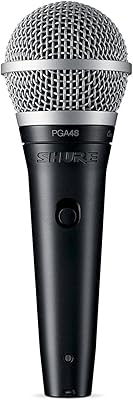
Shure PGA48-XLR
Shure PGA48-XLR
83%
93%
Build Quality
86%
Vocal Clarity
91%
Value for Money
82%
Feedback Rejection
74%
Handling Noise
More
Shure PGA58
Shure PGA58
86%
93%
Build Quality
86%
Vocal Clarity
89%
Feedback Rejection
96%
Value for Money
84%
Switch Design
More
Shure SM63LB Omnidirectional Dynamic Microphone
85%
93%
Build Quality
88%
Audio Clarity for Speech
84%
Omnidirectional Performance
94%
Durability in Field Use
81%
Handling Noise Rejection
More
Audix Fireball-V
Audix Fireball-V
84%
94%
Ergonomics & Handling
88%
Feedback Rejection
86%
Vocal & Instrument Clarity
92%
Build Quality & Durability
83%
On-Board Volume Control
More
Shure WH20TQG Dynamic Headset Microphone
78%
88%
Build Quality
83%
Sound Quality
81%
Fit & Comfort
61%
Connector Compatibility
77%
Value for Money
More
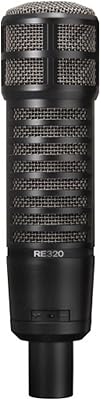
Electro-Voice RE320
Electro-Voice RE320
82%
93%
Build Quality
89%
Vocal Clarity
91%
Proximity Effect Management
84%
Room Noise Rejection
87%
Instrument Versatility
More
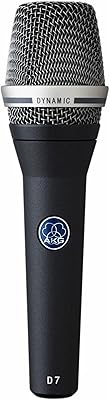
AKG D7
AKG D7
87%
93%
High-Frequency Detail
91%
Feedback Rejection
94%
Build Quality & Durability
86%
Handling Noise Suppression
89%
Vocal Presence in Mix
More
Shure SM57
Shure SM57
87%
98%
Build Durability
96%
High SPL Handling
91%
Signal Isolation
88%
Presence and Clarity
62%
Gain Requirement
More

FAQ

No, the M88 TG is a passive dynamic microphone and requires no phantom power whatsoever. Just plug it into any XLR input on your interface, mixer, or preamp and it will work immediately. You can leave phantom power off entirely, or even on if your setup requires it for other mics — it will not harm this mic.

It can absolutely work well for home studio vocals, particularly if you are upgrading from a budget dynamic and want noticeably cleaner, more natural-sounding results. That said, the hypercardioid polar pattern means your room acoustics and mic placement matter more than they would with a standard cardioid mic. If your space has a lot of hard, reflective surfaces, some acoustic treatment will help you get the most out of it.

A hypercardioid pattern has a narrower pickup angle than a regular cardioid, which means it is more sensitive straight in front and rejects sound coming from the sides more aggressively. In a live context, this is excellent for reducing bleed from stage monitors or nearby instruments. The trade-off is that you need to sing or speak more directly into it — drifting off-axis even slightly will cause a noticeable drop in bass response and overall level.

Yes, and it is one of this mic's strongest use cases. The extended low-frequency response and high SPL handling make it well-suited to sitting inside or just outside a kick drum port. It captures the punch and depth of a kick without the low-end muddiness or distortion that less capable dynamic mics can introduce at high volumes.

The integrated hum-buck coil reduces electromagnetic interference by about 20 dB, which is useful whenever you are performing or recording near fluorescent lighting, dimmers, motors, or any other electrical source that can introduce a low hum into your signal. In a clean studio environment you may never notice the difference, but on a live stage with lots of electrical equipment nearby, it can make a real audible difference in background noise levels.

The included clip is functional and holds the mic securely, but it is a fairly standard threaded swivel clip rather than a premium locking mount. For occasional home or studio use it is perfectly fine. If you are doing heavy touring work and swapping mics in and out of stands frequently, you might prefer to invest in a more robust aftermarket clip for longer-term reliability.

The tighter pickup angle of the M88 TG gives it a clear advantage over standard cardioids in environments with loud stage monitors or bleed-heavy setups. The flip side is that it demands better mic technique — a cardioid is more forgiving if you move around the mic while singing. If you tend to wander off-axis during a performance, a standard cardioid may actually serve you better in the short term until your technique tightens up.

It will work with any interface that has an XLR mic input and a decent preamp, including many entry-level and mid-range USB interfaces. The M88 TG has reasonable sensitivity, so most modern interfaces will provide enough clean gain to drive it properly. Just make sure your interface has an actual XLR combo jack or dedicated mic input — a basic line-level input will not work correctly.

The brass body construction is a genuine asset here. Owners who have used beyerdynamic's workhorse mic through years of regular gigging report that it holds up well physically, with no loosening connectors or structural failures under normal touring conditions. The carry bag included is soft and lightweight, so for serious road use you may want to store it in a hard case or padded mic pouch for extra protection during transit.

It can work in a broadcast or podcast context, particularly in rooms with ambient noise where the tight hypercardioid pattern helps isolate the speaker's voice. That said, this dynamic mic is primarily engineered for music applications, so if podcasting is your primary use case, there are mics with voicing and form factors better optimized specifically for spoken word. For a musician who also podcasts, though, it is a perfectly capable dual-purpose tool.

Where to Buy