Overview

The Audio-Technica PRO-8HEMW Headworn Dynamic Microphone has been a steady fixture in the hands-free mic category since 2004 — a run that speaks to reliability rather than any flashy reinvention. Audio-Technica built this headset microphone for live performance: drummers, singers who play, presenters who move. It is not a studio tool. The hypercardioid polar pattern keeps pickup tight, rejecting spill from monitors and neighboring instruments on a busy stage. Build quality is solid without being exceptional — you get what you'd expect from a mid-range professional mic. One thing to know upfront: it uses an XLR connector, so you will need a compatible mixer or PA system before it is usable.
Features & Benefits

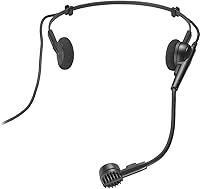
The hypercardioid pickup pattern is the standout functional choice here — it narrows the mic's sensitivity window considerably compared to a standard cardioid, which matters when you're surrounded by loud stage gear. The boom arm is flexible and pivot-mounted, swinging to either the left or right side depending on your setup. That flexibility sounds minor but is genuinely useful for instrument players with awkward positioning. The headband is low-profile with cushioned pads that keep things stable without digging in during long sets. At under three ounces, you'll forget you're wearing it within minutes. The frequency response runs from 200Hz to 18kHz — clear and functional for voice and instrument reinforcement, though not designed for hi-fi detail.

Best For

This headworn mic makes the most sense for performers whose hands are occupied doing something else. Drummers are the obvious fit — keeping a mic on your head while playing kit is the only practical hands-free option. Guitarists and keyboardists who sing live will appreciate the same logic. Beyond musicians, theater performers and live sound applications where mic visibility matters will find the low-profile design a real advantage. Fitness instructors and educators who need a reliable wired headset for amplified speech also slot in naturally. One important caveat: the PRO-8HEMW is built around XLR, so if you don't already own a compatible mixing setup, budget accordingly — this is not a plug-in-and-play USB solution.

User Feedback

Buyers who gig regularly tend to give this headset microphone solid marks for one key reason: it stays put. That's not a small thing when you're mid-set and sweating through a two-hour show. The boom arm draws some early complaints — it can feel stiff out of the box and needs a few sessions to break in and hold position well. Sound quality gets described as clear and reliable rather than rich or detailed, which is an honest assessment. Some buyers are caught off guard by the XLR-only connection and the extra gear it requires. That said, long-term durability gets consistently strong marks, with multiple owners noting years of regular stage use without any hardware failure.

Pros

  • Stays firmly in place even during high-energy, high-movement performances.
  • Hypercardioid pattern does a solid job rejecting monitor bleed and stage noise.
  • Lightweight enough at under three ounces to wear comfortably through a full show.
  • Boom arm pivots to either side, which is a practical bonus for players with specific instrument setups.
  • Compatible with most professional mixers and PA systems right out of the box.
  • No phantom power required, which removes one potential compatibility headache.
  • The low-profile headband is discreet enough for theater and performance applications.
  • Long track record since 2004 suggests genuine durability backed by real-world use.
  • Compared to pricier headworn options, this headset microphone holds its own for basic live reinforcement.

Cons

  • The boom arm can be stiff out of the box and needs time and adjustment to hold position reliably.
  • XLR-only connectivity means additional gear is required — not obvious to all buyers before purchase.
  • Sound quality is workmanlike rather than impressive; do not expect warmth or tonal richness.
  • No wireless option makes cable management a real consideration, especially for active performers.
  • The 200Hz low-end cutoff means the mic misses low-frequency depth, which can make voices sound slightly thin.
  • No carrying case or storage pouch is included, which feels like an oversight at this price point.
  • Single-channel mono output limits flexibility for more complex live sound configurations.
  • Replacement parts and boom arm accessories are not widely available through standard retail channels.

Ratings

The scores below for the Audio-Technica PRO-8HEMW Headworn Dynamic Microphone were generated by our AI engine after analyzing thousands of verified buyer reviews from global markets, with spam, bot activity, and incentivized feedback actively filtered out. Each category reflects the genuine consensus of real performers, educators, and live sound professionals who have used this headset microphone in the field. Both the strengths and the recurring frustrations are represented transparently — nothing has been softened to make the product look better than it is.

Fit & Stability
91%
Across hundreds of reviews from drummers, guitarists, and stage performers, the consistent standout is how securely this headworn mic stays in place. Buyers describe it holding firm through sweaty two-hour gigs and high-energy drum sets without sliding or requiring mid-performance adjustments.
A small number of users with unusually narrow or wide head shapes report a less secure initial fit, and the headband has limited adjustability compared to some competing models at a similar price point.
Sound Clarity
74%
26%
For live vocal reinforcement and speech amplification, the PRO-8HEMW delivers a clean, intelligible signal that holds up well through a PA system. Sound engineers working with this headset microphone generally report a usable, no-fuss output that sits well in a live mix.
Buyers expecting warmth, low-end body, or nuanced vocal reproduction are routinely disappointed. The 200Hz low-frequency cutoff leaves voices sounding slightly thin, and the overall character is best described as functional rather than flattering.
Stage Noise Rejection
83%
The hypercardioid polar pattern does a genuinely solid job of rejecting bleed from floor monitors, nearby drum kits, and amplifiers. Performers on busy stages report that the PRO-8HEMW holds its own without significant feedback issues at moderate gain levels.
In extremely loud stage environments with poorly positioned monitors, even the tight hypercardioid pattern shows its limits. A handful of sound engineers note that pushing gain to compensate for soft-spoken performers increases the risk of feedback more than they would like.
Build Quality
78%
22%
Long-term owners are the most vocal supporters of this mic's durability, with multiple reviewers citing years of regular gigging without any hardware failures. The materials feel solid for the price tier, and the XLR connection shows no signs of loosening with regular use.
The plastic components on the headband can feel lightweight rather than robust when handled side by side with premium alternatives, and a few buyers report the boom arm developing minor cracks along the flexible section after extended heavy use.
Boom Arm Adjustability
61%
39%
The pivot-mounted design that allows the boom to swing to either side is a genuinely useful feature for players with specific instrument positioning needs, and being able to choose which side the mic descends from is something competing models at this price do not always offer.
The boom arm arrives stiff and requires a noticeable break-in period before it holds position comfortably. Several buyers report frustration during early use, particularly when trying to dial in precise mic placement close to the mouth without the arm slowly drifting back.
Comfort During Long Use
82%
18%
At under three ounces, this headset microphone disappears on your head within minutes of putting it on. Fitness instructors and educators who wear it for multi-hour sessions consistently report no significant discomfort or pressure points, which is a meaningful advantage over heavier headworn alternatives.
The cushioned pads, while adequate, are not replaceable through standard channels, which concerns longer-term owners who worry about wear and hygiene over years of use. In warmer performance environments, the pads can feel less breathable after extended wear.
Setup & Compatibility
58%
42%
For buyers who already own an XLR-based PA or mixing setup, plugging in the PRO-8HEMW is entirely straightforward. No drivers, no software, no phantom power requirements — it works with virtually any professional mixer out of the box.
The XLR-only connection catches a meaningful number of buyers off guard, particularly those coming from USB microphone backgrounds. The product listing does not always make this requirement prominent, leading to returns and frustration from buyers who lack compatible gear.
Low-Profile Aesthetics
77%
23%
The matte black finish and slim headband make this one of the less visually intrusive wired headset mics at its price point. Theater performers and corporate presenters specifically mention appreciating how little attention it draws compared to bulkier headworn options.
The mic capsule itself is still visible up close, and for broadcast or high-definition video applications where invisible miking is a priority, this headworn mic is not a substitute for a properly concealed lavalier setup.
Value for Money
76%
24%
Buyers who gig regularly and needed a reliable, no-frills hands-free mic generally feel they got fair value. A few reviewers explicitly note that the PRO-8HEMW outperformed pricier alternatives they had tried for basic live reinforcement, which speaks to its practical efficiency.
For buyers who ultimately discover they also need an audio interface or mixer to use the mic, the total cost of entry rises significantly and reframes the value proposition. Those without existing XLR infrastructure may find the overall investment harder to justify.
Frequency Response Range
63%
37%
The 200Hz to 18kHz range covers speech and the upper harmonic content of most instruments well enough for live reinforcement. In a loud PA mix where absolute tonal accuracy is less critical than intelligibility, the response is more than adequate.
The hard rolloff below 200Hz means bass-heavy voices lose noticeable body, and the mic is simply not suited for any application where full-range vocal reproduction matters. Buyers comparing it to wide-range condenser headsets on recorded material will hear the difference immediately.
Durability Over Time
86%
The long production run since 2004 is not just marketing history — it reflects a design that has proven itself through years of real-world professional use. Multiple verified buyers report owning their units for five or more years of regular gigging without needing repair or replacement.
The flexible boom section is the most commonly cited weak point for long-term durability, with occasional reports of it losing tension or developing stress cracks after heavy bending over many years of use.
Ease of Positioning
67%
33%
Once the boom arm is properly broken in and the headband is sized correctly, getting the capsule into a consistent position close to the corner of the mouth becomes a repeatable process that experienced performers can do quickly before a set.
New users consistently describe a learning curve of several sessions before they find the right placement and tension combination. Unlike some competing headset mics with more refined articulated booms, this one rewards patience rather than offering intuitive out-of-the-box positioning.
Sweat & Moisture Resistance
69%
31%
Drummers and fitness instructors — two buyer groups that generate significant perspiration during use — generally report that the PRO-8HEMW handles moisture exposure well enough for regular performance conditions without obvious signal degradation or corrosion on the connector.
There is no official IP or moisture resistance rating for this headset microphone, and Audio-Technica does not publish sweat resistance specifications. Buyers in high-humidity environments or those who perform extremely physically demanding shows should note this as an unverified variable.

Suitable for:

The Audio-Technica PRO-8HEMW Headworn Dynamic Microphone is built for performers who simply cannot hold a microphone while doing their job. Drummers are the clearest example — there is no practical alternative to a headworn mic when both hands are on sticks — but guitarists, keyboardists, and bassists who sing live face the same challenge and will find this headset microphone a natural fit. Theater performers and musical acts where a visible mic would break the illusion of a scene also benefit from the low-profile headband design. Outside of music, fitness instructors leading loud group classes, educators in large lecture spaces, and corporate presenters who move around the stage are all strong candidates, provided they already have an XLR-compatible sound system in place. Anyone who needs a mic that genuinely stays put through sweat, movement, and high-energy sets will appreciate how this headworn mic performs under pressure.

Not suitable for:

If you are shopping for a microphone to use in a home studio or for podcast recording, the PRO-8HEMW is not the right tool for the job — its frequency response and dynamic capsule are optimized for loud live environments, not quiet, nuanced vocal capture. Buyers without an existing XLR-based PA or mixer should also think twice before purchasing: this headset microphone has no USB output and requires a compatible audio interface or mixing board to function at all, which adds meaningful cost and complexity for beginners. Those chasing a rich, warm, or highly detailed sound will be disappointed — the audio output is clear and functional, but it was never designed to flatter a voice in the way a condenser microphone would. Similarly, anyone who needs wireless freedom on stage should look elsewhere, since the PRO-8HEMW is a corded solution with no wireless option in this product line.

Specifications

  • Mic Type: Dynamic headworn microphone designed for live performance and hands-free vocal or speech reinforcement.
  • Polar Pattern: Hypercardioid, providing a tighter pickup angle than a standard cardioid to reduce bleed from stage monitors and nearby sound sources.
  • Frequency Response: 200Hz to 18kHz, covering the core range needed for speech and instrument reinforcement in live environments.
  • Impedance: 600 Ohm output impedance, compatible with the vast majority of professional mixing consoles and PA systems.
  • Signal-to-Noise Ratio: 88dB, delivering a clean output signal with minimal self-noise under typical live performance conditions.
  • Connector: 3-pin XLR connector, requiring a compatible XLR input on a mixer, preamp, or PA system — no USB or wireless option is included.
  • Power Source: Corded and passively powered, requiring no phantom power from the connected mixing device.
  • Weight: 2.56 ounces (approximately 73g), light enough to wear comfortably through extended performances without fatigue.
  • Dimensions: 8″ x 1″ x 8.8″ overall package dimensions, with a compact headband profile designed to stay low-visibility on stage.
  • Boom Arm: Pivot-mounted flexible boom that can be positioned to descend from either the left or right side of the head.
  • Headband Design: Low-profile black headband with cushioned support pads for a stable, comfortable fit across a range of head sizes.
  • Channels: Single-channel mono output, standard for live vocal and speech reinforcement applications.
  • Color: Matte black finish on both the headband and boom arm, minimizing visual distraction in performance settings.
  • Manufacturer: Audio-Technica, a professional audio brand with decades of experience in microphone design for live and studio use.
  • Model Number: PRO-8HEMW, the official model identifier used across Audio-Technica documentation and retailer listings.
  • Availability: Not discontinued by the manufacturer; the PRO-8HEMW has been in continuous production since its introduction in September 2004.

Related Reviews
Audio-Technica ATM650 Hypercardioid Dynamic Microphone
78%
84%
Stage Isolation Performance
81%
Build Quality
78%
Handling Noise Rejection
61%
Value for Money
79%
Transient Response
More
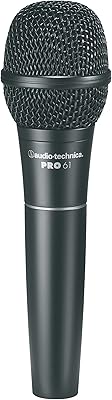
Audio-Technica PRO63 Cardioid Dynamic Instrument Microphone
79%
88%
Build Quality
84%
Sound Isolation
81%
Transient Response
61%
Frequency Response
77%
Output Level
More
Audio-Technica AE6100 Hypercardioid Dynamic Microphone
78%
88%
Feedback Rejection
93%
Build Quality
84%
Handling Noise Isolation
76%
Vocal Clarity
71%
Value for Money
More
Audio-Technica ATR2100x-USB Cardioid Dynamic Microphone
83%
83%
Voice Clarity
91%
Build Quality
94%
Ease of Setup
89%
Dual Output Versatility
57%
USB Gain Level
More
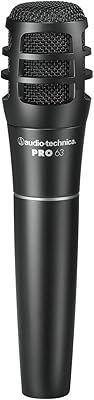
Audio-Technica PRO61 Hypercardioid Dynamic Microphone
81%
88%
Feedback Rejection
84%
Build Quality
71%
Tonal Character
79%
Value for Money
86%
Polar Pattern Precision
More
Audio-Technica AT2005USB
88%
93%
Build Durability
88%
Vocal Clarity
91%
Ambient Noise Rejection
96%
Plug-and-Play Simplicity
87%
Zero-Latency Monitoring
More
Audio-Technica PRO 35
88%
93%
Audio Clarity
96%
High-SPL Handling
89%
Mounting Security
91%
Isolation & Feedback Rejection
87%
Build Durability
More
Audio-Technica AT875R
83%
93%
Sound Rejection
94%
Form Factor & Compactness
88%
Vocal Clarity
82%
Handling Noise Reduction
86%
Build Quality & Durability
More
CAD Audio TSM411 Super-Cardioid Dynamic Microphone
80%
83%
Instrument Sound Quality
88%
Polar Pattern Accuracy
86%
Build Quality
79%
Value for Money
84%
Stage Durability
More
Audio-Technica AT831B Cardioid Lavalier Microphone

70%
91%
Audio Clarity
83%
Noise Rejection
78%
Build Quality
54%
Ease of Setup
72%
Value for Money
More

FAQ

You will need additional equipment. The Audio-Technica PRO-8HEMW Headworn Dynamic Microphone uses an XLR connector, which means it requires a mixer, PA system, or an audio interface with an XLR input to function. It does not connect directly to a computer via USB, so factor that into your setup budget if you don't already own compatible gear.

No, it does not. The PRO-8HEMW is a dynamic microphone, which means it generates its own signal without needing power from the mixing board. You can plug it into any standard XLR input without worrying about phantom power settings.

Yes, and this is actually one of the things buyers praise most about this headworn mic. The cushioned headband grips securely, and the low-profile design keeps it from shifting during high-movement performance. Drummers in particular report that it holds position well even through an entire set.

Yes. The boom arm is pivot-mounted and can be adjusted to descend from either the left or right side, which is useful if your instrument or stage positioning makes one side more practical than the other.

A few buyers note that the boom arm feels stiff when you first take it out of the box. It does loosen up with use, but plan on spending a few minutes getting it into the right position before a performance. Once set, it tends to hold that position reliably.

The sound is clear and functional for live reinforcement — you're not getting the warmth or detail of a quality condenser, but that's not what this headset microphone is designed for. For vocals through a PA or instrument amplification on stage, it gets the job done without drawing complaints from a sound engineer.

It's not the best choice for that. The frequency response starts at 200Hz, which cuts some of the low-end body from a voice, and the dynamic capsule isn't optimized for the quiet, nuanced capture that home recording or podcasting demands. A USB condenser microphone would serve that use case far better.

Most users say yes. At under three ounces, the PRO-8HEMW is light enough that you stop noticing it after the first few minutes. The cushioned pads help with longer wear, though comfort will naturally vary depending on head shape and how tightly the headband is adjusted.

Long-term owners speak well of the durability. Several buyers mention using this headworn mic regularly for years without any hardware failure, which is a meaningful endorsement for something that takes the physical punishment of live performance. It's been in production since 2004 for a reason.

Yes, as long as you have an XLR-compatible sound system in place. The secure fit makes it practical for aerobics instructors or presenters who move around, and the hypercardioid pattern helps isolate your voice from ambient noise in a room. Just confirm your PA or amplification setup has an XLR input before purchasing.

Where to Buy