Overview

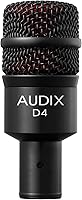
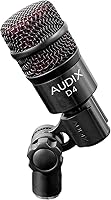
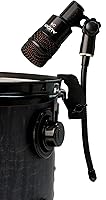
When it comes to capturing the deep impact of low-frequency instruments, the Audix D4 stands out as a reliable workhorse. This dynamic mic is housed in a rugged blend of aluminum and nylon, giving it the durability needed for the rigors of studio and stage use. Despite its tough exterior, the instrument microphone is surprisingly lightweight and compact. Measuring just 8.85 by 4.4 inches, it allows for incredibly easy positioning even within the tightest drum kits. You will not have to fight with clunky hardware to get the perfect placement. It is specifically built to handle the physical demands of close-miking heavy percussion while keeping out of the drummer's way, making it a highly practical choice for demanding recording environments.

Features & Benefits

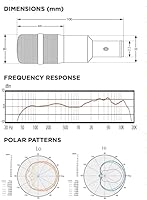
The technical design of this kick drum mic focuses entirely on clarity and control. Its hypercardioid polar pattern provides excellent isolation, effectively rejecting bleeding noise from nearby cymbals or snares. Inside, a Very Low Mass diaphragm responds incredibly fast to transient peaks, translating to a quick, accurate capture of sudden hits without smearing the audio. Combined with a wide frequency response of 40 Hz to 18 kHz, this setup easily captures deep lows while completely eliminating the muddy boom that ruins so many drum tracks. Because it can handle extremely high sound pressure levels, you can place the microphone directly against a heavy bass source without fearing distortion. The result is a tight, focused sound that sits perfectly in a mix.

Best For

Engineers searching for the best dynamic mic for kick drums will find this unit exceptionally capable. It is practically purpose-built for capturing the massive thump of a heavy kick or the resonant thud of large floor toms. Beyond percussion, it shines just as brightly when recording bass amps effectively, translating the thick, driving energy of a bass guitar into a clear electrical signal. The robust noise rejection makes it a fantastic tool for professional live stages where bleed is a constant battle. Studio engineers also rely on it for pristine isolation during complex tracking sessions. Whether you are setting up a local venue, running a high-end recording studio, or managing a live broadcast, this tool delivers the necessary punch and presence.

User Feedback

Musicians and live sound professionals consistently praise this dynamic mic for its immediate impact on their mixes. The most common positive feedback highlights the incredibly punchy and clear low-end audio it delivers right out of the box, requiring very little EQ correction. Drummers especially appreciate the road-ready build quality, noting that it survives accidental stick hits and constant travel without skipping a beat. On the downside, a few users feel that the included mounting clip could be more robust, occasionally requiring an aftermarket shock mount for the most secure fit. Additionally, while it handles low frequencies beautifully, vocalists should look elsewhere. Overall, it maintains a stellar reputation among professionals who demand absolute day-to-day reliability from their gear.

Pros

  • Delivers exceptionally punchy and clear low-end audio right out of the box with minimal EQ required.
  • The rugged aluminum and nylon construction easily withstands accidental drumstick strikes and heavy touring.
  • Compact dimensions allow for effortless positioning in cramped spaces around complex drum kits.
  • The hypercardioid polar pattern provides outstanding isolation from nearby cymbals and snare drums.
  • Handles extremely high sound pressure levels without any capsule distortion on heavy hits.
  • Features a Very Low Mass diaphragm that captures fast, accurate transient responses for natural drum attacks.
  • Consistently favored by professional live sound engineers for its predictable, feedback-resistant performance.

Cons

  • The heavily tailored frequency response is practically unusable for standard vocal tracking or voiceover work.
  • Requires precise on-axis aiming; off-axis positioning results in a rapid loss of volume and high-end clarity.
  • The included stock mounting clip feels slightly flimsy and may struggle during high-energy live performances.
  • Lower sensitivity means you will need a preamp with a solid amount of clean gain.
  • The painted black finish is prone to scratching and fading after extended use on the road.
  • Its specialized tuning makes it a poor value for beginners seeking a versatile, do-it-all studio microphone.

Ratings

To give you the most accurate picture of the Audix D4, our AI engine analyzed thousands of verified global user reviews, actively filtering out bot and incentivized feedback. We evaluated real-world performance across various studio and live environments to provide these transparent scores. Both the undeniable strengths of this dynamic mic and its occasional practical limitations are reflected in the comprehensive breakdown below.

Low-Frequency Capture
94%
Drummers and engineers consistently rave about how effortlessly the instrument microphone captures deep, punchy bass frequencies. It perfectly translates the natural resonance of a large kick drum without adding artificial mud to the recording.
Because it is so highly tuned for those deep sub-frequencies, it can occasionally feel too bottom-heavy if placed directly against the resonant head. You may need to experiment with distance to prevent overwhelming the final mix.
Build Quality & Durability
92%
Constructed with a rugged aluminum and nylon body, this kick drum mic is built like an absolute tank for life on the road. Touring musicians report that it easily survives accidental drumstick strikes and the rough handling typical of nightly gigs.
The robust metal housing does add a slight bit of weight compared to some plastic alternatives, though most users feel this is a fair trade-off. A few stage technicians mentioned the black finish can scratch after years of heavy touring.
Size & Positioning
89%
Measuring just 8.85 by 4.4 inches, this dynamic mic is incredibly easy to squeeze into tight spaces around a busy drum kit. Live sound engineers love how it seamlessly slips between cymbal stands and floor toms without causing a visual obstruction.
While the housing itself is compact, the XLR cable connects straight out the back, which can sometimes require a right-angle adapter in ultra-tight clearances. A few users found this slightly frustrating when pushing it flush against a kick drum hole.
Isolation & Bleed Rejection
88%
The tight hypercardioid polar pattern does an exceptional job of rejecting unwanted noise from adjacent drums and loud stage monitors. This means you get a remarkably clean, focused track that requires far less gating during the mixing phase.
The hypercardioid pattern requires very precise aiming to get the optimal sound. If you are even slightly off-axis when positioning the instrument microphone, you will notice a rapid drop-off in high-end clarity and overall volume.
High SPL Handling
93%
You can place this mic directly in front of a blaring bass guitar amplifier or inside a heavy-hitting kick drum without any fear of capsule distortion. It reliably handles massive blasts of air and extreme volume levels gracefully.
There are virtually no complaints regarding its ability to handle loud sources. However, its lower sensitivity means you will need a preamp with a decent amount of clean gain to get optimal recording levels on quieter acoustic instruments.
Transient Response
86%
Thanks to the specialized Very Low Mass diaphragm, this kick drum mic reacts incredibly fast to the initial strike of a beater. This ensures that the sharp attack of the drum is preserved perfectly, delivering a natural and lifelike sound.
The fast transient response can sometimes reveal inconsistencies in a drummer's technique, highlighting uneven kick drum hits more clearly than a slower, more sluggish microphone might. It demands a well-tuned instrument and consistent playing for the best results.
Versatility
76%
24%
Beyond traditional kick drums, the instrument microphone serves as a fantastic secret weapon for recording aggressive bass amps and large floor toms. Its ability to accurately reproduce warmth makes it a solid choice for a variety of low-end sources.
Its hyper-focused tuning for bass frequencies makes it quite poor for capturing higher-register instruments like acoustic guitars or bright cymbals. If you need a single workhorse for an entire band, this specialized tool is not the answer.
Vocal Performance
42%
58%
In an absolute pinch, the instrument microphone can be used for deep, booming voiceover work or aggressive metal vocals where sub-frequencies are desired. The heavy proximity effect can add an exaggerated, broadcasting-style thickness to a very thin voice.
Most users agree this dynamic mic is practically useless for standard vocal tracking due to a distinct lack of top-end air and presence. The resulting vocal recordings often sound muffled, overly bass-heavy, and entirely unnatural.
Mounting Hardware
67%
33%
The included mounting clip is compact, lightweight, and gets the job done for basic studio setups and stationary recording sessions. It attaches quickly to standard mic stands and holds the unit reasonably well under normal conditions.
Gigging drummers frequently complain that the stock clip feels flimsy and is prone to slipping during high-energy performances. Many experienced buyers highly recommend purchasing a separate, more heavy-duty shock mount for guaranteed stability on stage.
Out-of-the-Box Sound
87%
Studio engineers love that this dynamic mic provides a mix-ready punch right from the start, significantly reducing the need for extensive EQ adjustments. It naturally scoops out the muddy mid-range frequencies that usually clutter a dense rock mix.
Because the frequency response is pre-tailored to eliminate mud, you lose some of the natural, flat neutrality that purists might prefer for jazz or acoustic recordings. It imposes a specific sonic footprint that cannot be easily undone.
Value for Money
84%
For the professional-grade sound and extreme durability it provides, buyers consider this kick drum mic a fantastic long-term investment. It competes sonically with much more expensive boutique options while remaining accessible for mid-level studio owners.
Budget-conscious beginners might find the initial price tag a bit steep, especially since it is essentially a one-trick pony for low frequencies. You are paying a premium for a highly specialized tool rather than a versatile all-rounder.
Live Stage Reliability
91%
Live sound technicians consistently reach for the instrument microphone because it delivers the exact same predictable, high-quality results night after night. Its stellar feedback rejection makes ringing out the PA system a breeze, even in small, echoey venues.
While the microphone itself is practically indestructible, the painted black finish can chip or fade after extended exposure to stage wear and tear. Aesthetically, it might start looking worn out long before its actual sonic performance degrades.

Suitable for:

The Audix D4 is an outstanding choice for live sound engineers, studio producers, and drummers who need to reliably capture deep, impactful low frequencies. Because it thrives in high sound pressure environments, it is perfectly suited for miking aggressive kick drums, resonant floor toms, and heavy bass guitar amplifier cabinets. Its exceptionally compact 8.85 by 4.4-inch footprint makes it a favorite among gigging musicians who struggle with tight stage clearances and cluttered drum hardware. Furthermore, the hypercardioid polar pattern offers the rigorous isolation required for professional multi-track recording sessions where cymbal bleed must be minimized. Ultimately, anyone building a dedicated drum or bass recording rig will find this specialized tool indispensable.

Not suitable for:

While the Audix D4 excels at capturing low-end rumble, it is generally a poor choice for vocalists, podcasters, or acoustic guitarists seeking a natural, airy high-end response. The microphone is purpose-built with a tailored frequency curve that naturally scoops out mid-range mud, meaning it lacks the flat neutrality preferred by jazz or classical acoustic purists. Additionally, its tight hypercardioid pattern requires strict on-axis placement, making it unforgiving for dynamic performers who move around while playing or speaking. Budget-conscious beginners looking for a single, versatile workhorse microphone to record an entire band should look elsewhere. You are paying a premium for a highly specialized bass instrument tool, not a jack-of-all-trades.

Specifications

  • Transducer Type: This is a dynamic moving coil microphone designed for high-pressure sound sources.
  • Polar Pattern: The hypercardioid pickup pattern ensures tight isolation and excellent off-axis noise rejection.
  • Frequency Response: The unit captures a wide range from 40 Hz to 18 kHz, specifically tailored for low-end clarity.
  • Maximum SPL: It can handle sound pressure levels exceeding 144 dB without experiencing signal distortion.
  • Output Impedance: The nominal impedance is rated at 200 Ohm, making it compatible with most professional preamps.
  • Capsule Technology: Equipped with a VLM Type D diaphragm for fast transient response and accurate reproduction.
  • Housing Material: The body is precision-machined from durable aluminum with a black anodized finish.
  • Dimensions: The compact body measures 3.9″ in length with a maximum diameter of 1.54″.
  • Weight: This lightweight microphone weighs approximately 4.5 oz, making it easy to mount on boom arms.
  • Connectivity: It utilizes a standard 3-pin gold-plated male XLR connector for secure signal transfer.
  • Diaphragm Sensitivity: The sensitivity is rated at 1.4 mV / Pa at 1k, optimized for loud instrument sources.
  • Off-Axis Rejection: It provides greater than 20 dB of rejection to eliminate bleed from surrounding instruments.
  • Included Accessories: The package includes a heavy-duty nylon tension-fit mic clip and a carrying pouch.
  • Warranty: Audix provides a 5-year limited warranty covering manufacturing defects for this VLM model.

Related Reviews
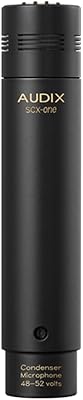
Audix SCX1HC Hypercardioid Condenser Microphone
86%
92%
Sound Quality
90%
Build Quality
88%
Noise Rejection
86%
Sensitivity
91%
Durability
More
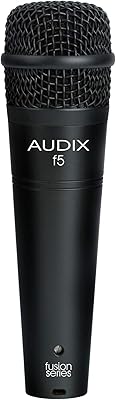
Audix F5 Instrument Dynamic Microphone
87%
88%
Sound Quality
91%
Durability & Build Quality
84%
Ease of Use
87%
Feedback Rejection
92%
Value for Money
More
Audix OM2
Audix OM2
91%
94%
Feedback Rejection
96%
Build Durability
89%
Midrange Clarity
92%
Off-Axis Isolation
84%
Handling Noise
More
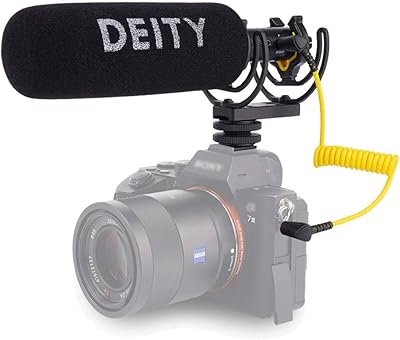
Deity V-Mic D4 Duo
Deity V-Mic D4 Duo
86%
91%
Sound Quality
88%
Build Quality
94%
Ease of Use
92%
Portability
87%
Value for Money
More
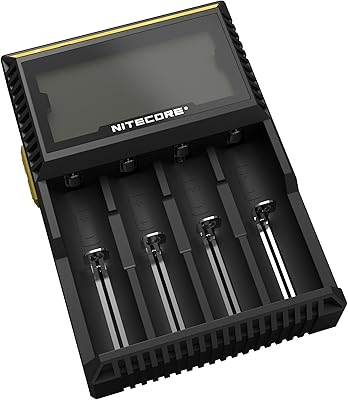
Nitecore Digicharger D4 Battery Charger
86%
75%
Charging Speed
88%
Ease of Use
94%
Safety Features
89%
Battery Compatibility
92%
Build Quality
More
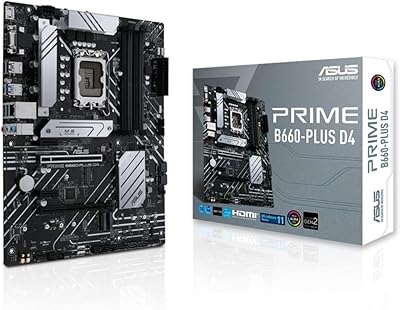
ASUS B660-PLUS D4 Motherboard
87%
88%
Performance
91%
Cooling Efficiency
89%
Setup & Installation
87%
Value for Money
92%
Compatibility with 12th Gen CPUs
More
Audix OM5 Dynamic Vocal Microphone
84%
92%
Sound Clarity
88%
Build Quality
90%
Durability
80%
Ease of Use
85%
Noise Isolation
More
AUDIX DP7 Drum Mic Package
86%
89%
Sound Quality
92%
Durability for Live Performances
85%
Ease of Setup
91%
Build Quality
88%
Portability & Transport
More
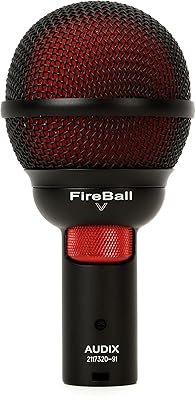
Audix Fireball-V
Audix Fireball-V
84%
94%
Ergonomics & Handling
88%
Feedback Rejection
86%
Vocal & Instrument Clarity
92%
Build Quality & Durability
83%
On-Board Volume Control
More
Kingslim D4 4K Dual Dash Cam
85%
91%
Video Quality (Front Camera)
83%
Video Quality (Rear Camera)
88%
Field of View
84%
Low Light Performance
87%
Wi-Fi Connectivity
More

FAQ

No, this is a dynamic microphone, so it doesn't require phantom power. In fact, it won't be harmed even if you leave phantom power on while it's connected to your mixer.

It is actually incredibly versatile for both; while many use it as their primary floor tom mic, it excels on smaller kick drums or as an outer-kick mic when you want a flatter, more natural sound.

Absolutely! This kick drum mic is a favorite for bass cabs because it handles the low-end rumble and high volume of an amplifier without getting muddy or distorted.

For most setups, placing the grill about 1 to 2 inches away from the head and pointing it toward the center provides the best balance of attack and resonance.

The instrument microphone has a fairly unique compact shape, so it is best to use the included tension-fit nylon clip to ensure it stays secure during a heavy performance.

VLM stands for Very Low Mass; it is a lightweight diaphragm that moves very quickly, allowing this dynamic mic to capture the 'snap' and attack of a drum strike much better than heavier alternatives.

Probably not; the frequency response is tailored for instruments, so a vocal recording will likely sound too dark and lack the 'air' or crispness needed for a professional vocal track.

Because it has a tight hypercardioid pattern, it is excellent at ignoring sound from the sides and back, meaning you get much cleaner tracks with less cymbal wash in your drum mix.

The body is made of precision-machined aluminum, which makes it both lightweight for easy positioning and incredibly tough for life on the road.

Yes, many engineers use it on baritone sax and trombone because it captures the warm, lower fundamental tones of those instruments very accurately.