Overview

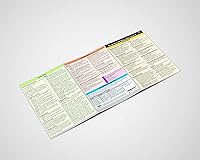
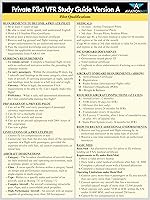
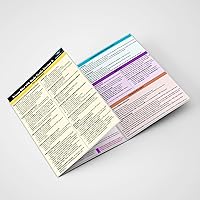
The Aviation Ally VFR Checkride Trifold Version A is a laminated, six-panel reference card built specifically for student pilots grinding through PPL prep. Anyone who has sat across from a DPE knows how overwhelming the breadth of exam material feels — pilot qualifications, aerodynamics, airplane systems, aeromedical factors, ADM, night flying, and emergency procedures all crammed into one test. This trifold study guide distills those seven topic areas onto a single 8.5 x 11 inch sheet, folded down to something that actually fits in your flight bag. It is not a replacement for the FAR/AIM or your ground school hours, but as a compact exam supplement, it genuinely earns its place in any student pilot's kit.
Features & Benefits

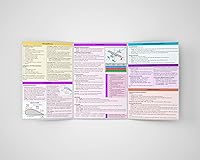
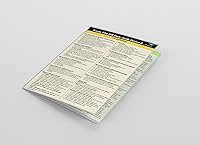
The full lamination is the first thing you notice when you pull this VFR checkride reference card out of the packaging — it has a reassuring stiffness that tells you it can survive being stuffed into a kneeboard pocket for months. The color-coded topic sections are a genuinely practical choice; when you need to jump straight to aeromedical factors two days before your checkride, you are not hunting through uniform black-and-white text. The layout mirrors the natural flow of an oral exam, which helps reduce that scattered feeling during last-minute review. Worth noting: this is Version A of a set, pairing with a Version B guide and a 260-card flashcard collection for students who want broader coverage.

Best For

This laminated exam prep sheet is squarely aimed at student pilots in the final stretch before their checkride — the stage where you know the material but need something to anchor your review sessions. It also works well for lapsed pilots returning to currency who want a fast, structured refresher on VFR regulations and emergency procedures without cracking open a full textbook again. Flight instructors have found value in it too, using it as an affordable handout to reinforce ground lessons. Budget-conscious students who cannot justify expensive digital ground school subscriptions will especially appreciate having a single, well-organized physical reference to fall back on during home study.

User Feedback

With a 4.8 out of 5 rating across 57 reviews, buyers are clearly satisfied — but a closer read reveals some nuance worth knowing. The color-coding draws consistent praise as something that actually speeds up topic lookup rather than just looking decorative. Durability also comes up repeatedly; reviewers mention it holding up through real-world flight bag abuse, not just light desk use. On the critical side, a handful of students with deeper backgrounds find certain topics too condensed, particularly on systems and aerodynamics where more depth would help. Most buyers frame this as a confidence tool for the days before the oral, not a standalone solution — which is exactly the right expectation to set going in.

Pros

  • Full lamination holds up to real flight bag abuse — no crumbling edges after weeks of daily use.
  • Color-coded topic sections make it fast to locate the exact subject area you need mid-study session.
  • Covers all seven major PPL oral exam topics in one consolidated, pocket-sized reference.
  • At roughly 2 ounces, the VFR checkride reference card adds no meaningful weight to your kit.
  • Layout mirrors the natural flow of an oral exam, which helps reduce last-minute anxiety.
  • Works as a complement to the Version B guide and 260-card flashcard set for students who want full system coverage.
  • Accessible price point makes it easy to justify even on a tight student pilot budget.
  • Compact trifold format fits neatly inside a kneeboard pocket or flight bag side pouch.
  • Strong 4.8 out of 5 rating across real buyers signals consistent satisfaction for the target audience.

Cons

  • Information density is a known limitation — complex topics like systems and aerodynamics get very little room to breathe.
  • Not useful until you already have a solid foundational knowledge base; early-stage students will feel lost.
  • Version A alone does not cover the full scope of checkride material, requiring additional purchases for complete coverage.
  • Physical format means no search function, no updates, and no interactivity compared to digital study tools.
  • Some topic summaries may feel oversimplified to students who have already done thorough ground school reading.
  • A single laminated card can be easy to misplace in a busy flight bag without a dedicated storage sleeve.
  • No audio or visual learning components, which limits usefulness for students who learn better through varied formats.

Ratings

The scores below reflect an AI-driven analysis of verified buyer reviews for the Aviation Ally VFR Checkride Trifold Version A, with spam, bot-generated, and incentivized submissions actively filtered out before scoring. The result is a transparent look at where this laminated exam prep sheet genuinely earns praise from real student pilots — and where it falls short for certain users. Both the consistent wins and the honest frustrations are captured in each category score.

Content Accuracy
91%
Reviewers with recent checkride experience consistently report that the topics covered align closely with what DPEs actually ask during oral exams. Students note that nothing on the card felt out of place or outdated, which matters a lot when you are staking your checkride outcome on a reference tool.
A small number of buyers with deeper ground school backgrounds felt that a handful of regulatory details could benefit from more precision. For a card working within tight space constraints, this is an inherent trade-off rather than a production error.
Information Density
67%
33%
For a student in the final weeks of checkride prep who already has a solid foundation, the compressed format is exactly what is needed — a fast scan of the seven topic areas without wading through paragraphs. The condensed layout works well as a final-sweep confidence check.
This is the most common pain point in critical reviews. Students who are still building their base knowledge find certain sections — particularly aerodynamics and airplane systems — too thin to be actionable. If you are not already familiar with the material, some entries will raise more questions than they answer.
Durability & Build
93%
The full lamination earns repeated mentions in buyer feedback, and not in a generic way. Reviewers describe it surviving months of daily flight bag use, outdoor pre-flight exposure, and being stuffed into kneeboard pockets without developing the creases or delamination you see on cheaper laminated products.
A few buyers noted that the laminated edges can feel slightly sharp right out of packaging, though this is a minor finishing detail rather than a structural issue. No reports of lamination peeling or card failure under normal use conditions.
Portability
96%
At just over two ounces and folding down to a fraction of a standard sheet, the VFR checkride reference card disappears into any flight bag without adding bulk. Students who are already carrying a kneeboard, headset, and logbook appreciate tools that do not fight for space.
Because it is a single physical card, it can get buried or misplaced in a cluttered flight bag more easily than a bound booklet would. A few buyers mentioned they wish it came with a small sleeve or clip to keep it accessible during ground study sessions.
Color Coding & Navigation
89%
Unlike some reference materials that use color purely for aesthetics, the topic-based color coding here translates directly into faster lookup times. Buyers specifically mention jumping straight to the aeromedical or emergency sections mid-study without scanning every header — a real-world benefit during timed review sessions.
The color distinctions work well in good lighting, but a couple of reviewers noted that under dim cockpit lighting or low-light study environments, some adjacent color sections can be harder to distinguish at a glance. This is a minor issue for most users but worth noting.
Exam Alignment
88%
The structural flow of the card mirrors how most DPEs progress through an oral exam, moving from pilot qualifications into systems and then into judgment-based topics like ADM and aeromedical. Students who used it as a walkthrough guide the night before their oral reported feeling more mentally organized going in.
Because the card is designed around a general oral exam framework, it cannot account for the individual tendencies of every DPE. Some students found that their examiner spent significantly more time on areas that receive less real estate on the card, leaving them wishing for more depth in those spots.
Value for Money
92%
At its price point, the trifold study guide is one of the more defensible purchases in a student pilot's budget. Flight training is expensive enough that a low-cost physical reference tool that actually gets used is a straightforward value proposition for most buyers.
Buyers who purchase Version A and then realize they need Version B and the flashcard set for fuller coverage may feel the total system cost adds up. The per-item price is fair, but it is worth knowing upfront that Version A alone does not cover the full breadth of checkride material.
Ease of Use
87%
New buyers consistently report getting oriented to the layout within minutes of opening the card. The trifold structure is intuitive — open fully for a broad overview, or fold to a specific panel when you only need one topic area. No learning curve to navigate.
Students who prefer a more linear, chapter-by-chapter study progression may find the panel-based layout slightly fragmented. Jumping between folded sections can disrupt study flow for learners who think in sequential rather than topic-based chunks.
Completeness of Coverage
72%
28%
All seven major PPL VFR oral exam topic areas are present, which means no glaring omissions in the core subject map. For a single laminated card, the breadth of what is included is genuinely impressive compared to similar products in this niche.
Depth is the consistent limitation. Aeromedical factors and aeronautical decision making in particular are complex, nuanced subjects that require more than a few condensed bullet points to truly prepare a student. Buyers expecting more than a summary framework in those sections will be disappointed.
Supplement Integration
83%
The VFR checkride reference card slots naturally alongside the FAR/AIM, the Pilot's Handbook of Aeronautical Knowledge, and CFI-led ground sessions without creating confusion or overlap. Students who use it as a review layer on top of proper study materials report a clear benefit to their preparation confidence.
It requires other resources to be effective, which means it cannot stand alone as a study plan. Buyers who purchase it expecting a self-contained prep tool and then discover this limitation mid-preparation may feel they need to go back and invest in additional materials.
Physical Presentation
81%
19%
The printed layout is clean and legible, with a professional finish that feels more considered than a basic photocopied handout. The color-coded sections and organized panel structure give it a polished look that holds up to repeated handling without ink smearing or fading.
A few buyers felt the font size in the more content-heavy sections was slightly smaller than ideal for quick scanning, particularly for readers who use the card in lower-light study environments. This is a formatting trade-off driven by space constraints but noticeable to some users.
Portability vs. Digital Alternatives
63%
37%
For pilots who prefer physical study materials and find screens distracting during review sessions, the tactile nature of this laminated exam prep sheet is a genuine advantage. There is no app to update, no battery to charge, and no screen glare to manage.
Compared to digital study apps that offer searchable content, audio explanations, and interactive quizzes, a static laminated card is inherently limited in functionality. Tech-forward learners who already rely on digital ground school platforms may find this format underwhelming as a supplement.
Reusability
78%
22%
The laminated surface means the card holds up over an extended study period without visibly degrading. Students who start using it weeks before their checkride report that it still looks and handles well on exam day, which matters for a tool you want to feel confident holding.
Once you pass your checkride, the utility of the card is essentially spent for its primary purpose. It has some residual value for currency refreshers or instructors reusing it with new students, but there is no content update mechanism if regulations change — you would need to purchase a new version.

Suitable for:

The Aviation Ally VFR Checkride Trifold Version A is a strong fit for student pilots who are already deep into their training and need a focused, portable tool to consolidate what they know before the oral exam. If you are the type of learner who studies from full textbooks and instructor-led ground school but wants something you can pull out during a lunch break or the night before your checkride, this trifold study guide fills that gap well. It is also a practical pick for self-studiers who find the FAR/AIM and Pilot's Handbook of Aeronautical Knowledge overwhelming in volume and want a single page that maps out the exam terrain at a glance. Lapsed pilots returning to VFR currency will appreciate having a fast, structured refresher that does not require cracking open a 500-page manual. Flight instructors running budget-conscious ground sessions can get real mileage out of it as a handout that reinforces the seven core checkride topic areas without any extra setup.
Not suitable for:

The Aviation Ally VFR Checkride Trifold Version A is not the right tool for students who are still in the early phases of flight training and have not yet built a working knowledge base from proper study materials. Because the format compresses seven complex topics onto six laminated panels, anyone expecting deep explanations or worked examples will find it frustratingly thin. It is also not a substitute for a ground school course, a CFI, or the primary textbooks — treating it as your only study resource is a recipe for gaps that a DPE will find quickly. Students preparing for instrument, commercial, or more advanced ratings will find the scope too narrow, since the content is tightly scoped to PPL VFR requirements. Finally, if you strongly prefer digital study tools or interactive apps, a physical laminated card may simply not fit your workflow, regardless of how well it is organized.
Specifications

  • Brand: Manufactured and sold by Aviation Ally, a niche brand specializing in affordable aviation exam prep tools.
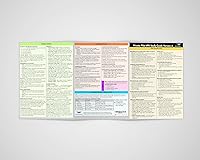
  • Format: Six-panel trifold design printed on a single sheet and folded down to a compact, pocketable size.
  • Unfolded Size: Measures 11″ x 8.5″ when fully opened, equivalent to a standard letter-size sheet.
  • Weight: Weighs 2.08 ounces, light enough to add no meaningful bulk to a flight bag or kneeboard.
  • Material: Constructed from laminated card stock with full-surface lamination on all six panels for durability.
  • Lamination: Full lamination resists moisture, bending, and surface wear from repeated handling in field conditions.
  • Color Coding: Topic sections are printed in distinct colors to allow fast visual navigation without reading every heading.
  • Topics Covered: Spans seven core PPL VFR exam areas: pilot qualifications, aerodynamics, airplane systems, aeromedical factors, ADM, night flying, and emergency procedures.
  • Exam Scope: Content is scoped to both the PPL VFR oral checkride exam and the FAA written knowledge test.
  • Version: Labeled Version A, indicating it is one part of a broader Aviation Ally study product family.
  • Companion Products: Designed to complement the Version B reference guide and a 260-card VFR flashcard set sold separately.
  • Pieces Included: Each order includes one trifold reference card; no additional accessories or materials are included.
  • UPC: Universal Product Code is 198168659953 for retail and inventory identification purposes.
  • Target User: Designed specifically for student pilots preparing for their Private Pilot License VFR checkride.
  • Recommended Use: Intended as a study supplement alongside primary textbooks, ground school instruction, and CFI-led review sessions.
  • Customer Rating: Holds a 4.8 out of 5 star average rating based on 57 verified Amazon customer reviews.
  • Manufacturer: Aviation Ally is the listed manufacturer and is also the item model number identifier on the product listing.

Related Reviews

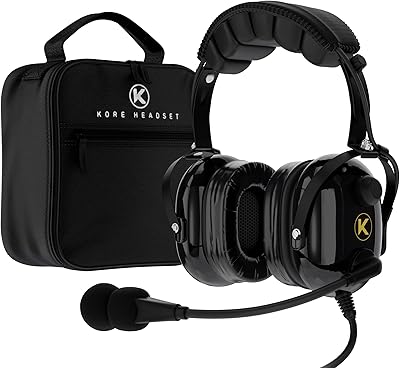
Kore Aviation P1 Aviation Pilot Headset
76%
93%
Value for Money
71%
Noise Reduction
88%
Microphone Clarity
67%
Comfort & Fit
84%
AUX Connectivity
More
UFQ A7 ANR Aviation Headset
79%
91%
Wearing Comfort
74%
ANR Performance
83%
Microphone Quality
77%
Build Quality
89%
Battery Life
More
Lightspeed Aviation Sierra ANR Aviation Headset
77%
84%
ANR Performance
76%
Comfort & Fit
71%
Bluetooth Reliability
83%
Build Quality
81%
Microphone Quality
More
Kore Aviation KA-1 Aviation Headset
79%
86%
Comfort & Fit
74%
Noise Reduction
83%
Microphone Quality
81%
Audio Clarity
71%
Build Quality
More
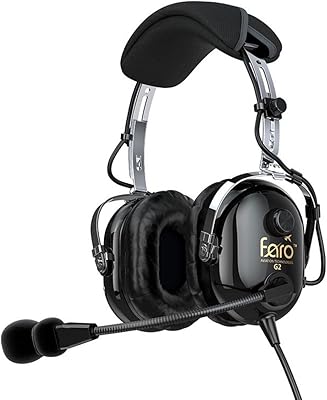
Faro G2 ANR Pilot Aviation Headset
78%
83%
Active Noise Reduction
78%
Microphone Clarity
91%
Battery Life
74%
Comfort & Fit
67%
Build Quality
More
Lightspeed Zulu 3 Aviation Headset
83%
93%
Active Noise Reduction
89%
Comfort & Fit
91%
Build Quality
78%
Bluetooth Performance
88%
ComPriority System
More
UFQ L1 In-Ear Aviation Headset
80%
92%
Wearing Comfort
67%
Passive Noise Reduction
74%
Microphone Clarity
61%
In-Ear Fit Consistency
83%
Audio Fidelity
More
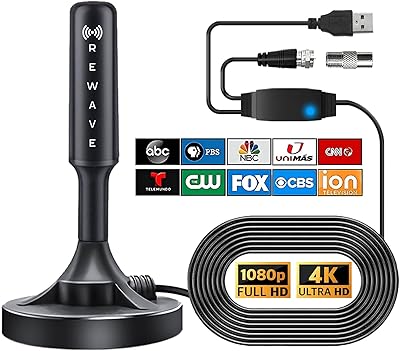
Rewave Amplified Indoor HD TV Antenna
65%
91%
Ease of Setup
67%
Signal Reception Quality
29%
Range Accuracy
53%
Channel Count
82%
Value for Money
More
ASA HS-1 Aviation Headset
78%
71%
Noise Reduction
78%
Microphone Clarity
66%
Comfort & Fit
82%
Build Quality
74%
Audio Clarity
More
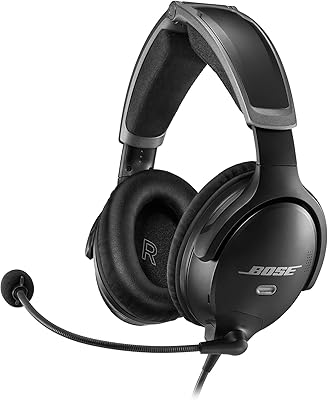
Bose A30 Aviation Headset (Dual Plug)
85%
94%
Long-Term Comfort
91%
Active Noise Reduction
89%
Audio Clarity & Intelligibility
84%
Build Quality & Durability
87%
Bluetooth Connectivity
More

FAQ

It sits somewhere in between. The Aviation Ally VFR Checkride Trifold Version A is more structured than a hastily written cheat sheet — the content is organized to follow the logical flow of an oral exam — but it is not a deep reference manual either. Think of it as a map of the terrain rather than a full textbook. You need to already have a working knowledge of the material for it to be most effective.
Honestly, no. This trifold study guide works best when you already have a foundation from the FAR/AIM, the Pilot's Handbook of Aeronautical Knowledge, or a ground school course. On its own, it is too condensed to build that foundational understanding from scratch. Use it to consolidate and review, not to learn from the ground up.

Version A focuses on the core PPL VFR checkride topics covered here — pilot qualifications, aerodynamics, systems, aeromedical, ADM, night flying, and emergencies. Version B extends coverage into additional areas to round out your preparation. Many students pick up both to get broader topic coverage in the same compact format.

Based on user feedback, the lamination is one of the stronger aspects of this card. Reviewers specifically mention it surviving flight bag use, outdoor pre-flight conditions, and daily handling without peeling or edge damage. It has a stiff, solid feel from the start rather than a flimsy plastic-coated finish.

Yes, when folded it is compact enough to slip into most kneeboard pockets or the side pouch of a standard flight bag. Unfolded it is letter-size, so it lays flat on most surfaces when you need to study the full content spread out.

It covers content relevant to both. The seven topic areas on the card align with what appears on the FAA written knowledge test as well as the oral portion of the checkride. That said, written test prep also benefits from doing practice question banks, so treat this as one part of a broader study approach.

Absolutely, and a number of instructors already do exactly that. It gives students a structured overview of the oral exam topics without requiring them to navigate a 500-page manual in a ground lesson. At its price point, handing a copy to each student is not a significant budget concern.

It is strictly scoped to PPL VFR checkride content. If you are studying for an instrument rating, commercial certificate, or any advanced rating, this card will not serve those needs. The depth and topic selection are specifically calibrated for the private pilot oral exam.

The full lamination means surface moisture can be wiped off without damaging the card or making the text bleed. It is not waterproof in the sense of being submersible, but normal exposure to rain or condensation during outdoor pre-flight conditions should not be a problem based on how buyers describe it holding up.

Many well-prepared students find the VFR checkride reference card most useful in the final few days before the oral, not as a study tool but as a confidence anchor. Flipping through it the evening before can help you confirm you are not missing any topic area and settle your nerves. At a modest price, it is a low-risk addition to your pre-checkride routine.