





Overview
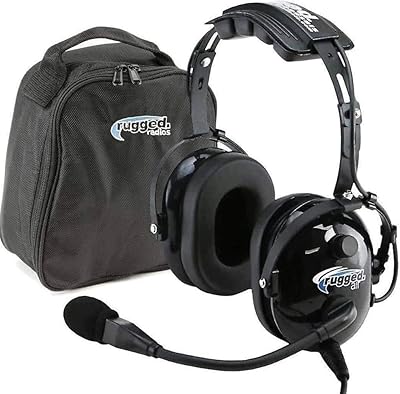
The AIRVOICE PNR Aviation Headset arrived in early 2024 as one of the more approachable options for pilots just getting started in general aviation. It is an over-ear, wired headset with mono audio output — practical for cockpit communication, though not what you want if stereo music listening matters to you. Passive noise reduction means the earpads and cushioning do the physical work, so expect meaningful attenuation rather than the electronic cancellation you get from pricier ANR units. A carrying case is included, a small but welcome bonus for students hauling gear between home, the car, and the flight line.
Features & Benefits
The silicone gel earpads and artificial leather cups distribute pressure well, avoiding the familiar ring of discomfort that cheaper foam cups tend to leave after a long lesson. The electret microphone handles radio communication clearly enough for training environments, and the onboard volume knob lets you make quick adjustments mid-flight without fumbling around. The metal headband carries a corrosion-resistant coating that should hold up to regular handling and the occasional sweat-soaked summer session. Connectivity runs through a standard 3.5mm jack, compatible with most intercom systems and handheld radios that student pilots typically rely on early in training.
Best For
This PNR pilot headset fits naturally for student pilots who need something functional and dependable without committing to active noise reduction before they have even soloed. Recreational flyers doing shorter trips in light aircraft — Cessnas, Pipers, and similar — will find the passive attenuation adequate for typical training noise environments. Flight instructors occasionally pick one up as a backup or loaner when a student arrives unprepared. It is less suited to pilots regularly flying high-performance or turbine aircraft, where engine and propeller noise can exceed what any passive system handles comfortably.
User Feedback
With 88 reviews and a 4.5-star average, early sentiment around this aviation headset skews positive — though 88 ratings is still a modest sample, so patterns matter more than any single opinion. Comfortable extended wear and reliable mic clarity are the most frequently cited strengths, with buyers noting the build feels sturdier than expected at this price tier. On the other side, a few pilots flying noisier aircraft found that passive attenuation alone was not enough. The carrying case gets brief mentions — serviceable, not special. Long-term durability data remains thin given the relatively recent launch date.
Pros
- Silicone gel earpads stay comfortable during full training sessions without leaving pressure marks.
- The electret microphone transmits clearly enough for ATC and intercom communication in light aircraft.
- Metal headband construction feels noticeably sturdier than typical budget headset alternatives.
- Onboard volume knob is easy to reach and adjust mid-flight without distraction.
- Carrying case adds real-world value for students hauling gear between home and the flight line.
- Standard 3.5mm wired connection works with most handheld radios and basic intercom systems.
- At this price tier, comfort and build quality exceed reasonable expectations for a first headset.
- Early buyer ratings skew consistently positive, with few reports of defects or fit issues.
Cons
- Passive noise reduction has a physical limit — louder aircraft will expose the gap quickly.
- Mono audio output means no stereo separation, which matters if you plan to use it beyond the cockpit.
- No Bluetooth support limits flexibility compared to more modern headset options.
- Long-term durability data is thin since the product only launched in early 2024.
- A sample size of 88 reviews is still small, making it hard to judge reliability over years of use.
- The carrying case is functional but basic — do not expect a premium or custom-fitted design.
- Heavier than some competing headsets at just over two pounds, which may matter on longer flights.
- No active noise cancellation means pilots in noisier training environments may need hearing protection supplements.
Ratings
Our AI rating engine analyzed verified buyer reviews for the AIRVOICE PNR Aviation Headset from global sources, actively filtering out incentivized, duplicate, and bot-generated feedback to surface only genuine pilot experiences. Scores reflect both the strengths that earned consistent praise and the pain points that real buyers flagged after hours in the cockpit. Nothing is glossed over — where this PNR pilot headset excels and where it falls short are both transparently represented below.
Comfort & Fit
Passive Noise Reduction
Microphone Quality
Build Quality
Value for Money
Microphone Boom Flexibility
Carrying Case
Cable & Connectivity
Audio Clarity
Headband Adjustability
Weight & Wearability
Setup & Ease of Use
Durability Over Time
Suitable for:
The AIRVOICE PNR Aviation Headset is a practical fit for student pilots who need a reliable, comfortable headset to get through flight school without overspending before they have their certificate in hand. If you are flying light single-engine aircraft — a Cessna 172, a Piper Cherokee, or something similar — the passive noise attenuation handles the cockpit environment reasonably well for training sessions and shorter cross-country flights. Recreational pilots who fly infrequently and cannot justify the cost of an active noise-reduction headset will find this PNR pilot headset covers the basics without compromise on comfort. Flight instructors who want a dependable loaner or backup unit will appreciate the included carrying case, which makes tossing it in a flight bag straightforward. Buyers who prioritize a comfortable fit over extended wear above almost everything else are also well served here, since the silicone gel earpads and pressure-distributing cushioning are genuinely better than what most headsets at this price point offer.
Not suitable for:
Pilots regularly flying high-performance piston aircraft, turboprops, or any environment with sustained, intense engine noise will likely find the AIRVOICE PNR Aviation Headset falls short of what they need — passive systems have a hard ceiling, and 25 dB of attenuation is not always enough in a loud cockpit. If you expect to fly long multi-hour routes frequently, the mono audio output and absence of Bluetooth connectivity may start to feel limiting, especially if you want music or wireless intercom pairing during cruise. Buyers who have already used an active noise-reduction headset and are accustomed to the quiet those units produce should know that stepping down to PNR will feel like a noticeable difference. This aviation headset also lacks the long track record of more established brands, so pilots who want years of proven reliability data before committing may want to wait. Those who care about stereo audio quality for anything beyond radio communication should look elsewhere entirely.
Specifications
- Noise Reduction: Passive noise reduction (PNR) technology provides up to 25 dB of SNR hearing protection through physical ear cup isolation.
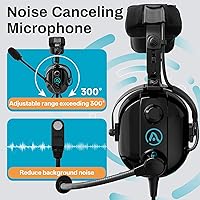
- Microphone Type: An electret condenser microphone with noise-canceling design is included for clear radio and intercom transmission.
- Audio Output: Audio output is mono, which is standard for general aviation communication use.
- Connectivity: Wired connection via a standard 3.5mm jack, compatible with most aviation intercom systems and handheld radios.
- Earpad Material: Earpads are constructed from artificial leather with an inner silicone gel layer for comfort during extended wear.
- Headband: The headband is metal with a high-gloss corrosion-resistant coating to withstand regular handling and environmental exposure.
- Cushioning: Rubber-plastic cushioning is used along the headband to distribute clamping pressure more evenly across the skull.
- Volume Control: An onboard volume control knob allows audio level adjustment without interacting with cockpit avionics.
- Cable Feature: The cable is retractable, which helps manage cord length and reduce cockpit clutter during flight.
- Bluetooth: Bluetooth connectivity is not supported; this is a fully wired headset only.
- Weight: The headset weighs approximately 2.16 pounds (0.98 kg) including all components.
- Form Factor: Over-ear form factor with angular earpiece shaping designed to seat firmly against the head during flight.
- Included Accessories: Package includes the headset, a transmitter unit, and a hard-shell carrying case for storage and transport.
- Compatible Devices: Designed for use with aviation intercom systems and any device equipped with a standard 3.5mm audio jack.
- Earpiece Shape: Earpieces are angular in profile, which aids in consistent seal and passive noise isolation around the ear.
- Package Dimensions: The retail package measures 9.37 x 8.82 x 4.96 inches, sized to accommodate the headset and carrying case.
- First Available: This headset was first made available for purchase in April 2024.
- Manufacturer: Designed and sold by AIRVOICE, a manufacturer specializing in aviation audio accessories.
Related Reviews
Kore Aviation P1 Aviation Pilot Headset
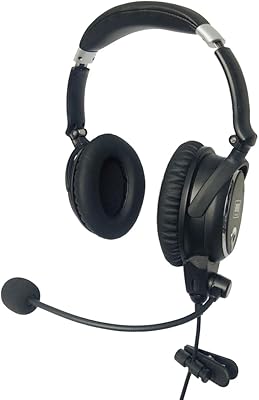
UFQ A7 ANR Aviation Headset
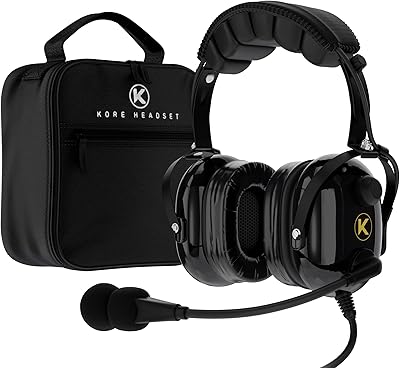
Kore Aviation KA-1 Aviation Headset
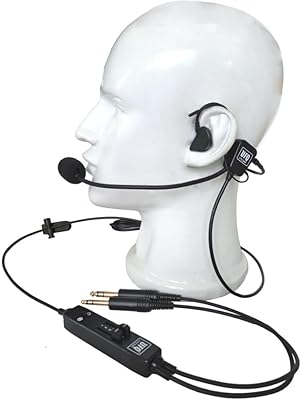
UFQ L1 In-Ear Aviation Headset
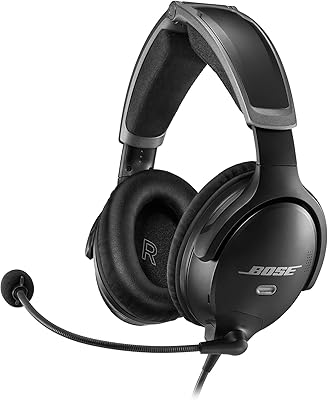
Bose A30 Aviation Headset (Dual Plug)
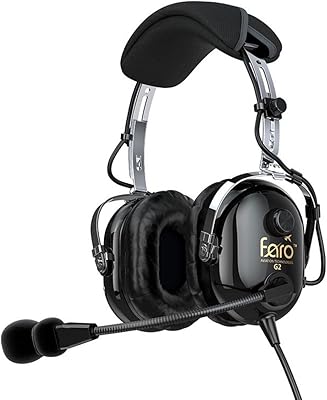
Faro G2 ANR Pilot Aviation Headset
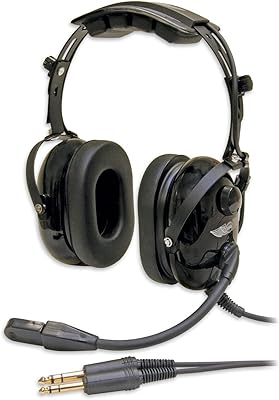
ASA HS-1 Aviation Headset
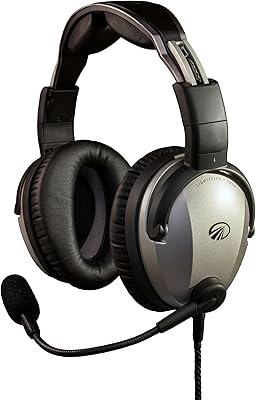
Lightspeed Zulu 3 Aviation Headset
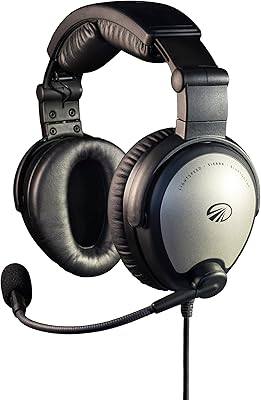
Lightspeed Aviation Sierra ANR Aviation Headset