Overview

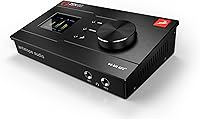
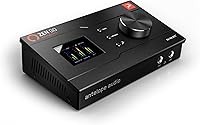
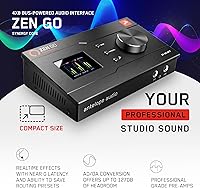
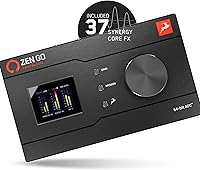
The Antelope Audio Zen Go Synergy Core Interface sits in an interesting space — it's a compact, portable unit that genuinely punches above its weight class. Plug it into a laptop via USB-C, no power brick required, and you have a recording rig that would have demanded a full rack of gear not long ago. The key differentiator here is the onboard Synergy Core engine, an FPGA and DSP chip combo that runs analog-modeled effects in real time without touching your computer's CPU. That said, this Antelope interface isn't plug-and-play simple. The companion software takes some getting used to, and buyers should go in with realistic expectations about the learning curve involved.

Features & Benefits

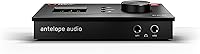
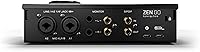
Where the Zen Go really distinguishes itself is in the quality of its signal path. The discrete console-grade preamps deliver up to 127dB of dynamic range, which is frankly impressive for a unit this size — you get a level of transparency in recordings that most mid-range interfaces simply cannot match. Antelope's 64-bit AFC clocking technology, borrowed from high-end post-production hardware, keeps timing rock solid. On top of that, 37 onboard analog-modeled effects — compressors, EQs, reverbs — run entirely on the Synergy Core chip, meaning zero CPU hit on your machine. Routing is 4-in and 8-out, with XLR combo jacks, digital coaxial I/O, and a headphone output rounding out a surprisingly versatile connection set.

Best For

This USB-C audio interface is a natural fit for home studio musicians who are outgrowing their entry-level gear and want a meaningful step up in preamp quality without building out a dedicated rack setup. Podcasters and voiceover artists will appreciate the onboard dynamics processing — being able to shape your voice at the hardware level before it even hits your DAW is a real practical advantage. It's also well-suited to producers tracking guitars or synths who need low-latency hardware monitoring with effects applied in real time. Compared to something like a Focusrite Scarlett or Universal Audio Volt, the Zen Go offers considerably more onboard processing headroom, making it the stronger choice for anyone who wants studio-grade tools in a portable package.

User Feedback

Across more than 200 ratings, this Antelope interface lands at around 4 out of 5 stars — a solid score that reflects genuine hardware quality tempered by some real-world friction. The preamps and the Synergy Core effects library earn consistent praise, with reviewers singling out the vintage compressors and EQs as highlights that make a tangible difference in recordings. Portability scores highly too. Where things get complicated is the software side. Antelope's control application has a reputation for being difficult to set up, and Windows users in particular have flagged intermittent driver stability problems. These aren't dealbreakers, but they're not minor either. If you're expecting a plug-and-play experience, this isn't that unit — budget some time for setup and troubleshooting.

Pros

  • Preamp transparency is exceptional — recordings capture real detail without adding unwanted coloration.
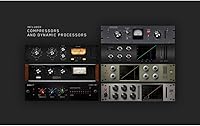
  • The Synergy Core engine runs 37 analog-modeled effects entirely on dedicated hardware, so your CPU stays free.
  • 127dB dynamic range AD/DA conversion puts this Antelope interface in a different league from most portable units.
  • Bus-powered via USB-C means no power adapter to carry — just one cable and you're recording.
  • 64-bit AFC clocking technology gives rock-solid timing stability, borrowed from professional post-production hardware.
  • The vintage compressors and EQs in the effects library are frequently called out by real users as genuine highlights.
  • 4-in/8-out routing gives you meaningful flexibility for monitoring, headphone mixes, and external gear.
  • Compact and lightweight at under two pounds, making it practical for travel without sacrificing build quality.
  • Over 50 optional effect expansions are available if you want to grow the onboard processing library over time.
  • Compatible with both macOS and Windows, covering the vast majority of home studio setups.

Cons

  • Antelope's companion software has a steep learning curve that regularly frustrates first-time users during setup.
  • Windows driver stability issues have been flagged by multiple buyers — occasional crashes or dropouts are a real risk.
  • The software ecosystem feels complex relative to simpler competitors like the Focusrite Scarlett lineup.
  • Only two physical inputs limits simultaneous source recording, which can be restrictive for live band tracking.
  • Unlocking the best effects requires additional purchases on top of an already premium asking price.
  • The control software relies on a persistent connection, meaning offline or minimal-install setups become more complicated.
  • Initial configuration time can be significant — not ideal if you need to be recording quickly out of the box.
  • The Zen Go's value proposition weakens considerably if you never engage with the onboard effects or advanced routing.

Ratings

Our AI rating system analyzed verified global user reviews for the Antelope Audio Zen Go Synergy Core Interface, actively filtering out incentivized, duplicate, and bot-generated submissions to surface what real buyers actually experienced. The scores below reflect a balanced synthesis of genuine praise and recurring frustrations — nothing is inflated to flatter the product, and nothing is understated. Where users consistently flagged pain points alongside strengths, both are represented transparently in every category.

Preamp Quality
93%
Users coming from mid-range interfaces like the Focusrite Scarlett consistently describe the preamps as a revelatory upgrade — vocals sound fuller, acoustic guitars retain detail that previously got lost, and the noise floor practically disappears. The discrete console-grade circuit design earns genuine trust from home studio owners who previously thought that level of clarity was only achievable in a commercial studio.
A small number of users with very high-gain dynamic microphones noted they had to push the preamps harder than expected, which introduced a subtle noise floor at extreme gain settings. This is an edge case, but worth knowing if you rely on power-hungry mics like the Shure SM7B without a dedicated booster.
Onboard Effects
88%
The Synergy Core effects library — particularly the vintage compressors and optical-style EQs — is frequently described as the feature that seals the deal for buyers on the fence. Recording vocals or guitars with a hardware compressor applied in real time, at near-zero latency, genuinely changes how tracking sessions feel and sound without touching the computer's CPU.
The included 37 effects are excellent, but users quickly discover that the most coveted expansions — higher-end amp simulators and vintage channel strips — cost extra on top of an already premium asking price. The optional bundle pricing structure has frustrated buyers who expected a more complete out-of-the-box library at this tier.
Software Experience
54%
46%
Once users invest the time to learn Antelope's control software, they report that the routing flexibility and effects management it enables are genuinely powerful for a unit this size. Experienced engineers who have worked with complex DAW environments tend to adapt more quickly and ultimately appreciate the depth of control on offer.
For newcomers, the software is a consistent source of frustration — the interface is dense, documentation is scattered, and the initial setup process can take hours rather than minutes. Several users describe spending a full day troubleshooting signal routing before getting a clean, working session, which is a significant barrier compared to simpler competitors.
Windows Stability
57%
43%
Windows users who took the time to install the correct driver version and disable conflicting system audio settings generally report stable operation once their setup is dialed in. Antelope does release driver updates to address reported issues, and for users on stable Windows builds who avoid frequent OS updates mid-project, daily reliability improves noticeably.
Driver instability on Windows is the single most cited complaint across the user base — crashes, dropouts, and post-OS-update failures appear often enough to be a genuine systemic concern rather than isolated incidents. Users running time-sensitive sessions or live-streamed recordings have found this unreliability particularly damaging, and the fix cycle from Antelope can be slow.
Portability
91%
At under two pounds and powered entirely through a single USB-C cable, the Zen Go is one of the most genuinely portable interfaces at this quality level — users describe slipping it into a laptop bag alongside their interface and a condenser mic with room to spare. Traveling musicians and remote workers who record in hotels, rehearsal spaces, or treated living rooms consistently rate this as a defining practical strength.
The unit's dimensions, while compact for its feature set, are slightly larger than ultra-minimal interfaces like the Apogee Duet, which some mobile-focused users would have preferred. There is also no carrying case included, which feels like an oversight for a product so clearly aimed at users who move between locations.
Build Quality
83%
The chassis feels substantial and purposefully engineered — users describe it as noticeably more solid than plasticky entry-level units, with knobs and jacks that inspire confidence during repeated use. The clean, uncluttered front panel design is appreciated by users who want quick access to essential controls without navigating a maze of unlabeled buttons.
A few long-term users noted that the main monitor knob developed a slight detent wobble after extended daily use, suggesting the hardware, while good, may not be quite at the durability level of dedicated rackmount studio gear. The minimal button layout, while intentional, can occasionally feel limiting when you want quick access to a specific function without opening the software.
AD/DA Conversion
89%
The 127dB dynamic range figures translate into audibly cleaner recordings compared to most portable interfaces in this class — users mixing between the Zen Go and older interfaces in the same session describe the difference as immediately apparent on transient-heavy sources like drums and acoustic guitar. The 64-bit AFC clocking keeps timing artifacts out of the picture entirely.
At standard 44.1kHz and 48kHz sample rates the performance is outstanding, but users who work exclusively at higher sample rates for film scoring or classical recording have noted the unit is not specifically marketed around those extended specifications, so confirmation from Antelope's documentation is advisable before assuming suitability.
Ease of Setup
49%
51%
Mac users on supported macOS versions tend to have a smoother initial experience, particularly those who follow Antelope's official setup guide closely and install the software components in the correct order. For this segment, basic recording functionality can be up and running within a reasonable timeframe.
For the majority of first-time Antelope users — especially those moving up from simpler interfaces — setup is genuinely difficult. The installation involves multiple software components, a registration process, and a control app that does not behave like conventional audio driver software, leading to widespread confusion documented across user forums and review threads.
Latency Performance
86%
With onboard monitoring engaged through the Synergy Core engine, users report monitoring latency that feels effectively instantaneous — singers tracking with reverb applied in hardware describe the experience as indistinguishable from monitoring through a physical outboard chain. This is a meaningful practical advantage over software-only monitoring setups.
Round-trip DAW latency, which depends heavily on the host computer, driver settings, and buffer size, can climb at lower buffer configurations on Windows machines experiencing driver instability. Users expecting the hardware monitoring performance to translate into universally low DAW latency regardless of system setup may find the results more variable than anticipated.
Value for Money
72%
28%
For users who fully engage with the Synergy Core effects ecosystem and take advantage of the preamp quality, the Zen Go represents strong value when measured against what you would spend on comparable outboard hardware to achieve the same signal chain. Power users treating this as a combined interface and effects processor see a clear return on the investment.
Buyers who primarily need a clean two-channel interface for basic recording and never engage the onboard effects are effectively paying a significant premium for capabilities they will never use. The additional cost of expanding the effects library beyond the included 37 plugins further stretches the total cost of ownership beyond initial expectations.
Monitoring Options
81%
19%
The 8-output routing provides meaningful flexibility for setting up multiple headphone mixes or feeding external monitoring chains, which is more than most portable interfaces offer at this size. Users running home studios with a reference monitor setup and a separate headphone rig appreciate having the routing headroom to manage both simultaneously.
With only one physical headphone output on the unit itself, users who need simultaneous independent headphone mixes for tracking with another musician — a vocalist and a guitarist, for example — need to route through additional hardware, which partially undercuts the all-in-one appeal for that specific use case.
Mac Compatibility
87%
macOS users report a considerably more stable and consistent experience than their Windows counterparts — driver updates tend to arrive in better alignment with major macOS releases, and the day-to-day reliability on supported Mac systems is described as solid by the majority of Mac-based reviewers. Logic Pro and Pro Tools users on Mac report particularly clean integration.
Even on macOS, major operating system version updates occasionally break compatibility temporarily until Antelope releases a corresponding software patch. Users who update their OS on day one of a major release have sometimes found themselves without a working interface for days or weeks, which is a recurring but manageable frustration.
Input Flexibility
69%
31%
The two XLR combo jacks handle microphone, line-level, and high-impedance instrument signals in a single connector type, which covers the majority of source types a home studio musician works with on any given session. The addition of digital coaxial I/O extends connectivity options for users integrating external preamps or digital gear.
Two inputs is a hard ceiling that frustrates users who occasionally need to record more than two sources simultaneously — a drum overhead pair alongside a kick and snare mic, for instance, is simply not possible without additional hardware. This limitation is not a surprise given the form factor, but it does narrow the use-case ceiling compared to larger desktop interfaces.
Customer Support
61%
39%
Antelope Audio maintains an active user community and knowledge base, and experienced users report that the combination of official documentation and community forums provides workable solutions to most configuration challenges over time. The company does engage with technical issues and has a track record of releasing updates that address reported bugs.
Response times from official Antelope support have drawn repeated criticism from users dealing with driver failures or activation issues — wait times described in reviews range from several days to over a week for complex cases. For users mid-project and unable to record, this level of support responsiveness is a meaningful operational risk.

Suitable for:

The Antelope Audio Zen Go Synergy Core Interface is built for serious home studio musicians, singer-songwriters, and producers who have outgrown the preamps on their entry-level gear and are ready to invest in a meaningfully better signal chain. If you're tracking vocals, acoustic instruments, or direct-input guitars and you want that recording to sound polished without heavy post-processing, the discrete preamps here will make an immediate, audible difference. Podcasters and voiceover artists who need broadcast-grade dynamics processing baked into their hardware — rather than handled entirely in software — will find the onboard effects library genuinely useful for everyday work. The bus-powered USB-C design makes this Antelope interface a strong choice for musicians who move between locations, whether that's a home studio, a rehearsal room, or a hotel room on tour. If you're upgrading from something like a Focusrite Scarlett 2i2 or a Universal Audio Volt and you want significantly more processing headroom without buying a dedicated outboard rack, the Zen Go is a logical and compelling next step.
Not suitable for:

Buyers expecting a true plug-and-play experience should look elsewhere — the Antelope Audio Zen Go Synergy Core Interface requires a real time investment to configure its companion software, and that learning curve is not trivial for newcomers. Windows users in particular should be aware that driver stability issues have been reported by a meaningful portion of the user base, which can introduce frustrating troubleshooting sessions at the worst moments. If your workflow is entirely in the box and you have no interest in using hardware-level effects during tracking, you'd be paying a premium for capabilities you'd never touch, and something simpler would serve you better at a lower cost. Casual hobbyists or beginners who just need a basic way to get a microphone into their computer will likely find this Antelope interface overwhelming and over-specified for their actual needs. Similarly, producers who work primarily with MIDI and virtual instruments — with little need for high-quality analog preamps — won't get full value from what makes this unit special.
Specifications

  • Form Factor: Compact desktop unit designed for home studio and mobile recording use.
  • Dimensions: The unit measures 11.7 x 19.8 x 5.8 inches and weighs 1.54 pounds.
  • Connection Type: Bus-powered via USB-C, requiring no external power supply for operation.
  • OS Compatibility: Fully compatible with both macOS and Windows operating systems.
  • Audio Inputs: Two XLR combo jack inputs accept microphone, line-level, and instrument signals simultaneously.
  • Audio Outputs: Eight total outputs including headphone out and digital coaxial connections for flexible monitoring and routing.
  • Routing: Supports a 4-in and 8-out signal routing configuration for versatile studio workflows.
  • Connector Types: Physical connectors include XLR Combo Jack TRS and Digital Coaxial ports.
  • Dynamic Range: AD/DA conversion delivers up to 127dB of dynamic range for high-fidelity, transparent recordings.
  • Onboard Processing: The Synergy Core engine combines FPGA and DSP chips to run analog-modeled effects natively on the hardware.
  • Included Effects: 37 analog-modeled audio effect plugins are included at no additional cost.
  • Optional Expansions: Over 50 additional effect bundles, including vintage EQs, compressors, and amp simulators, are available for purchase separately.
  • Clocking Tech: 64-bit Antelope Frequency Clocking (AFC) technology ensures precise, stable timing inherited from professional post-production hardware.
  • Preamp Type: Discrete console-grade microphone preamps provide a transparent signal path with low noise and high headroom.
  • Release Date: The product was first made available in January 2021.

Related Reviews

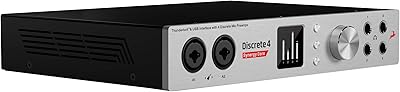
Antelope Discrete 4 Synergy Core Audio Interface
71%
88%
Preamp Quality
83%
Onboard DSP Performance
47%
Software Stability
74%
Included Plugin Library
86%
Connectivity & I/O Depth
More
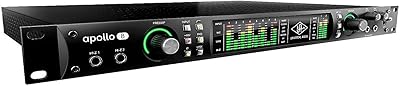
Universal Audio Apollo 8 QUAD Audio Interface
79%
93%
Preamp Quality
91%
DSP Performance
89%
Audio Conversion
92%
Build Quality
74%
Software & Console 2.0
More
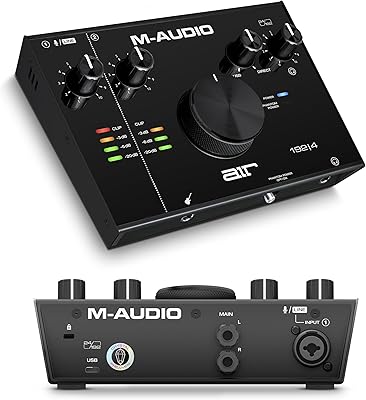
M-Audio AIR 192|4
M-Audio AIR 192|4
85%
93%
Build Durability
91%
Tactile Control Experience
88%
Preamplifier Transparency
87%
Recording Latency
86%
Software Bundle Value
More
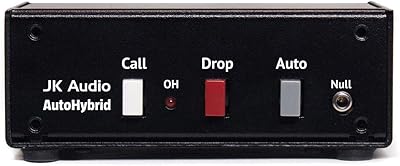
JK Audio Autohybrid Telephone Audio Interface
75%
88%
Audio Signal Clarity
84%
Sidetone Rejection
86%
Build Quality
61%
Ease of Setup
31%
VoIP Compatibility
More
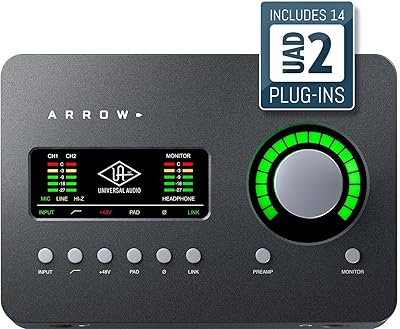
Universal Audio Arrow Thunderbolt 3 Audio Interface
77%
93%
Audio Conversion Quality
91%
Unison Preamp Performance
88%
Real-Time UAD Processing
58%
Thunderbolt 3 Connectivity
61%
Windows Compatibility
More
Universal Audio Apollo X16 Audio Interface
82%
94%
Conversion Quality
91%
UAD DSP Performance
89%
Build & Hardware Quality
92%
Low-Latency Tracking
88%
I/O Flexibility
More
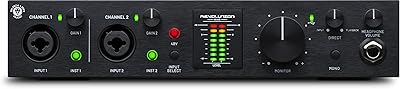
Black Lion Audio Revolution 2x2 Audio Interface
75%
88%
Preamp Quality
91%
Audio Transparency
86%
Clocking Performance
87%
Build Quality
73%
Value for Money
More
M-Audio M-Track 2X2 USB Audio Interface
76%
84%
Build Quality
76%
Preamp Performance
82%
Ease of Setup
58%
Driver Stability
79%
Value for Money
More
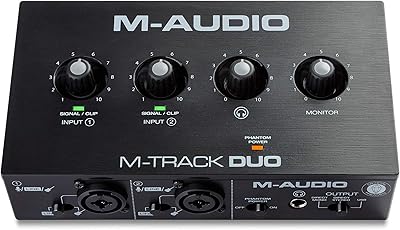
M-Audio M-Track Duo
M-Audio M-Track Duo
83%
88%
Preamp Clarity
93%
Value for Money
62%
Build Quality
91%
Ease of Installation
87%
Portability
More
M-Audio M-Track Eight USB Audio Interface
67%
78%
Preamp Quality
84%
Channel Count Value
53%
Driver Stability
58%
Build Quality
76%
Ease of Setup
More

FAQ

No — the Zen Go draws all the power it needs directly from your computer through the USB-C connection, so there is no separate power brick required. This makes it genuinely convenient for travel or desktop setups where cable clutter is a concern.

Yes, the Zen Go supports macOS alongside Windows. That said, it is always worth checking Antelope Audio's official support page for the latest driver and software compatibility notes, as major macOS updates can occasionally require a corresponding software update on Antelope's end.

It is a real concern worth taking seriously, not dismissing. A meaningful number of Windows users have reported intermittent driver crashes or dropouts, particularly after OS updates. Antelope Audio does release driver patches, but the fix is not always immediate. If your entire workflow depends on Windows stability and you cannot tolerate occasional troubleshooting, that is worth factoring into your decision.

The Synergy Core is a combination of FPGA and DSP chips built directly into the hardware. In practical terms, it means the interface can run complex audio effects — compressors, EQs, reverbs — entirely on its own processor, without using any of your computer's CPU. For producers who run large sessions with many plugins, that kind of processing offload can make a real difference to system performance and latency.

Yes, the unit has two XLR combo jack inputs, so you can connect two microphones, two instruments, or one of each simultaneously. If you need to record more than two sources at once, this interface is not the right tool for that job.

Honestly, it takes some patience. The Antelope Audio Zen Go Synergy Core Interface is not a plug-and-play device in the way that something like a basic Focusrite Scarlett is. The control software has a lot of routing and effects options, which is powerful once you understand it, but the initial learning curve is real. Budget an afternoon for setup and expect to consult the documentation or online tutorials.

Yes — that is actually one of the more compelling features of the Zen Go. You can monitor your input signal in real time with effects like compression, EQ, or reverb applied at the hardware level, which means no noticeable latency and no CPU load on your machine. Vocalists and guitarists who want to hear themselves with processing applied while recording benefit from this significantly.

It depends on your expectations. For a hobbyist podcaster, it is probably more hardware than necessary. But for anyone producing a professional podcast who wants broadcast-quality voice recordings with onboard compression and EQ applied before the signal even hits the recording software, this Antelope interface is genuinely well-suited to that workflow.

The preamps on the Zen Go are a noticeable step up in transparency and headroom compared to the Scarlett range. The more meaningful comparison is value: the Scarlett is simpler, more stable, and easier to set up, while this USB-C audio interface offers significantly more onboard processing capability. Which matters more depends entirely on how you work.

The interface itself and the 37 included effects are ready to use out of the box once you install the companion software. You will need your own USB-C cable, microphone, and any cables appropriate for your setup, as those are not included. The optional effects expansions are exactly that — optional — and the included library is substantial enough to get serious work done without spending anything extra.

Where to Buy