Overview

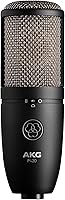
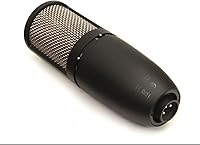
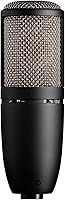
The AKG P420 Multi-Pattern Condenser Microphone sits in a sweet spot within AKG's Project Studio lineup — serious enough for professional work, accessible enough for dedicated home studio users. AKG has been a trusted name in studio audio for decades, and this mic reflects that heritage without the price tag of their flagship models. What genuinely sets it apart at this tier is the dual-diaphragm capsule with three switchable polar patterns — a feature you'd normally pay considerably more for. The included shock mount and case aren't afterthoughts; they're practical tools you'll actually use on day one. Think of this as a versatile workhorse, not a single-purpose specialist.
Features & Benefits

The ability to switch between cardioid, omnidirectional, and figure-eight polar patterns is the P420's defining strength. Cardioid handles standard vocal and instrument tracking; figure-eight opens up mid-side recording or two-source sessions; omnidirectional captures room ambience and ensemble spread convincingly. The transformerless output keeps the signal clean and transparent — no added coloration, just the source. A switchable 20dB pad lets you point it at a trumpet or snare drum without issue, handling up to 155dB SPL. The 79dB signal-to-noise ratio means quiet sources like nylon-string guitar or a whispered voice-over come through with real clarity. Phantom power is required, so a compatible interface or mixer is essential.

Best For

This multi-pattern mic punches above its weight for home and project studio owners who record a wide range of sources and can't justify buying a different microphone for every situation. Acoustic instruments in particular — grand piano, woodwinds, brass — benefit from the omnidirectional and figure-eight options, capturing natural room tone more convincingly than a fixed-cardioid mic can. Voice-over artists and podcasters stepping up from USB condensers will find the low noise floor genuinely useful. Drummers benefit from the pad's headroom. ASMR creators and ambient recordists will appreciate the pattern flexibility. It's an ideal first serious upgrade for intermediate musicians who've outgrown budget condensers.

User Feedback

With over 6,000 ratings averaging 4.7 stars, the pattern in owner feedback is hard to dismiss. Most praise centers on build quality and clarity relative to the price — buyers consistently note it sounds more expensive than it costs, and the metal construction feels reassuringly solid. The included accessories earn specific appreciation; owners are genuinely glad not to source a shock mount separately. On the critical side, some vocalists find the P420 can skew slightly bright or forward, particularly on brighter female voices — worth auditioning if warmth is a priority. Long-term owners report it holds up well over years of regular use. Compared to rivals like the AT4040 or Rode NT1, the P420 wins on versatility but may trail slightly on vocal warmth.

Pros

  • Three switchable polar patterns offer genuine recording flexibility rarely found at this price tier.
  • The included shock mount and aluminum carrying case add real practical value right out of the box.
  • Solid metal build quality feels professional and holds up well with regular long-term use.
  • The 20dB attenuation pad makes it usable on loud sources like brass, drums, and guitar cabinets.
  • Clean, transparent sound signature suits acoustic instruments and detailed source capture well.
  • A strong signal-to-noise ratio keeps quiet sources like nylon-string guitar or soft vocals clear and usable.
  • Thousands of verified long-term owners report consistent performance with no significant reliability issues.
  • Competitive against pricier rivals when recording acoustic ensembles or ambient environments.
  • The figure-eight pattern opens up mid-side recording and two-source sessions for more advanced users.

Cons

  • Requires phantom power, so it's useless without a compatible audio interface or mixer.
  • Can sound slightly bright or forward on certain vocal types, particularly brighter female voices.
  • No USB connectivity means it's not suited for quick plug-and-play recording setups.
  • The sound character may not suit vocalists who prefer a warmer, more colored microphone tone.
  • At its size and weight, it may feel bulky compared to sleeker small-diaphragm alternatives for instrument spot-miking.
  • The pattern versatility adds cost — buyers with single-source recording needs may be overpaying for features they'll never use.
  • No built-in low-cut filter or high-pass switch, which some competing mics at this tier do include.
  • Not ideal for untreated rooms, as the omnidirectional and figure-eight patterns will pick up reflections aggressively.

Ratings

The AKG P420 Multi-Pattern Condenser Microphone has been analyzed by our AI rating system after processing thousands of verified global user reviews, with spam, bot-generated, and incentivized submissions actively filtered out. The scores below reflect a balanced synthesis of real ownership experiences — capturing both the aspects buyers consistently praise and the friction points that genuinely affect day-to-day use. Nothing has been softened or inflated; the ratings reflect what actual users encounter in home studios, vocal booths, and instrument recording sessions worldwide.
Sound Clarity
88%
Owners across instrument and vocal applications consistently describe the output as detailed and transparent, with a clean high-frequency response that flatters acoustic guitar, piano, and woodwinds particularly well. The transformerless circuit keeps the signal open and honest without adding unwanted coloration, which recording engineers working in home studios tend to appreciate immediately.
That same brightness and forward presence can feel excessive on already crisp or sibilant voices, leading some vocalists to spend extra time with de-essing in post-production. A handful of users recording exclusively female vocals found the upper-mid emphasis fatiguing over long sessions compared to warmer-voiced rivals.
Polar Pattern Versatility
93%
Having three genuinely usable polar patterns in a single mic at this price tier is the P420's most-praised attribute across thousands of reviews. Users highlight how the figure-eight mode opened up mid-side recording techniques they'd never tried before, and the omni pattern gets consistent praise for capturing grand piano and ensemble sessions with natural room depth.
Switching between patterns requires manually rotating a collar on the body, which can be slightly fiddly during a live session when you need to change quickly. A small number of users noted that the pattern labels can be difficult to read under dim studio lighting without a flashlight or phone.
Build Quality
86%
The all-metal construction is one of the first things buyers mention when they unbox it — there's a reassuring heft and rigidity that immediately distinguishes it from budget plastic condensers. Long-term owners regularly report that their units have held up without issues through years of regular studio use and occasional transport.
A few users noted minor finishing inconsistencies on the body, including paint imperfections near the pattern selector, which don't affect performance but feel slightly below expectations for a mid-range professional product. The mic can also show light scratching on the body surface over time when stored improperly.
Value for Money
91%
The combination of a capable large-diaphragm capsule, three polar patterns, a functional shock mount, and a hard-shell aluminum carrying case at this price point strikes most buyers as genuinely strong value. Reviewers frequently note that sourcing a comparable shock mount and case separately would add meaningful cost, making the bundled package feel like a smart deal.
Buyers who primarily record a single source type — vocals only, for instance — often reflect that they paid a premium for pattern flexibility they never use, and feel a fixed-cardioid competitor might have been a sharper purchase for their specific workflow.
Noise Floor Performance
82%
18%
The 79dB signal-to-noise ratio holds up well in practical use, particularly for ASMR creators and acoustic instrument recordists who noted that quiet passages come through without an intrusive hiss layer beneath them. Compared to entry-level condensers in the sub-100 range, the improvement in low-level clarity is something users describe as immediately audible.
It is not class-leading in this regard — microphones like the Rode NT1 offer a measurably lower noise floor, and a handful of technically focused reviewers point this out when comparing recordings side by side. For critical audiophile-grade recordings of very quiet sources, the difference is noticeable.
SPL Handling
89%
The switchable 20dB pad is a practical asset that drummers, brass players, and guitar cabinet users appreciate in real sessions — being able to capture a loud snare or trumpet without clipping gives users confidence when placing the mic in challenging high-volume positions. Percussionists in particular call this feature out positively in their feedback.
A small number of users noted that the pad switch feels slightly loose and could inadvertently be knocked during a session, though this appears to be an isolated complaint rather than a widespread design flaw. There is no low-cut filter built in, which some users working with low-frequency sources said they missed.
Included Accessories
87%
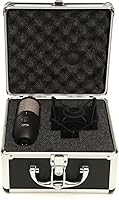
Unlike many microphones in this range that include a basic plastic clip or nothing at all, the spider shock mount and aluminum case here are both functional and durable. Reviewers regularly express relief at not having to immediately spend more money on protective gear, with the case in particular getting praise for protecting the mic during travel and storage.
The shock mount, while serviceable, uses a slightly non-standard thread that can make it incompatible with some third-party boom arms without an adapter. A couple of users also noted the case latch can loosen with repeated opening, though this appears to be a minority experience.
Ease of Setup
78%
22%
For anyone with a basic home studio setup — an audio interface, a mic stand, and phantom power — getting the P420 up and recording takes only a few minutes. Most buyers describe the initial setup experience as straightforward, especially those upgrading from a dynamic or entry-level condenser who already understand the XLR signal chain.
Beginners without an existing audio interface setup face an additional learning curve and financial barrier, since the mic is entirely dependent on phantom power and XLR connectivity. Several newer users left frustrated reviews specifically because they expected a more plug-and-play experience and didn't realize they needed additional equipment.
Vocal Performance
74%
26%
For many vocal types — baritone voices, narration work, and spoken-word content — the P420 delivers clear and detailed reproduction that satisfies voice-over artists and podcasters looking for a significant step up from USB mics. The cardioid pattern handles typical close-mic vocal placement well in a treated recording space.
The mic's tendency toward brightness makes it a mixed fit for singers with forward or sibilant voices, and this is one of the more consistent criticisms in user feedback. Several vocalists who tried it against the Rode NT1 or AT4040 chose those alternatives specifically for a warmer, more flattering vocal character on their voice.
Instrument Recording
92%
This is arguably where the P420 earns its strongest reviews — acoustic piano, woodwind instruments, and brass all come through with natural detail and dynamic accuracy that users describe as impressive at this price tier. The ability to deploy omni or figure-eight patterns for ensemble or room recording genuinely extends what's possible in a home or small project studio.
It is not optimized for close-miked electric guitar cabinets in the way a dynamic like an SM57 would be, and users chasing that specific application found the results less convincing. For purely percussive or high-transient instrument recording, the character can occasionally feel slightly thin in the low-mids.
Durability & Longevity
84%
A meaningful portion of the review base reflects ownership periods of three or more years, with users reporting that the capsule performance and output reliability remain consistent with regular use and proper storage. The metal body resists the physical wear that plagues cheaper microphones over time.
Like all large-diaphragm condensers, the capsule is sensitive to humidity and dust, and a few users in humid climates reported gradual performance changes when the mic was not stored in the included case. There is no serviceable capsule replacement program available through standard retail channels.
Brand Reputation
83%
AKG's long track record in professional audio — from broadcast to studio to live performance — gives buyers confidence that the engineering behind the P420 is informed by serious acoustic expertise rather than consumer-market shortcuts. Many buyers cite brand trust as a factor that tipped their purchase decision.
Some users feel the P420 represents a step down from AKG's higher-tier flagship models in ways that are noticeable when comparing recordings side by side, and the brand premium can set expectations that the Project Studio line doesn't always fully satisfy for audiophile-grade buyers.
Compatibility
81%
19%
The standard XLR output and 48V phantom power requirement align with virtually every audio interface, mixer, and preamp on the market, meaning integration into an existing studio chain is straightforward for anyone with existing gear. Users with Focusrite, PreSonus, Universal Audio, or Motu interfaces all report hassle-free compatibility.
The complete absence of USB or digital connectivity is a hard blocker for users who work exclusively on mobile setups or who want to record directly to a laptop without an interface. Content creators working in non-traditional environments consistently flag this as a limitation.

Suitable for:

The AKG P420 Multi-Pattern Condenser Microphone is an excellent match for home and project studio owners who record a wide variety of sources and want a single, reliable mic that can handle most of them well. If you're tracking acoustic instruments — grand piano, woodwinds, brass, strings — the ability to switch between cardioid, omnidirectional, and figure-eight patterns gives you real creative and technical options that a fixed-pattern mic simply can't offer. Voice-over artists and podcasters moving beyond USB condensers will find the low noise floor and clean output a meaningful step up. ASMR creators and ambient recordists who need pattern flexibility and quiet electronics will feel right at home here. Drummers and percussionists benefit from the switchable pad, which handles high-volume sources without distorting. It's also a strong first serious microphone for intermediate musicians who've outgrown budget condensers and want something built to last.
Not suitable for:

The AKG P420 Multi-Pattern Condenser Microphone is not the right call for everyone, and it's worth being honest about where it falls short. Vocalists who prioritize warmth and body in their sound — particularly those with naturally bright voices — may find this mic skews slightly forward in the high-mids, and might be better served by something like the Rode NT1 or Audio-Technica AT4040. It's also not a fit for beginners who don't yet have a compatible XLR audio interface or mixer with phantom power, since the mic is entirely dependent on that external power source. Podcasters or streamers looking for a simple plug-and-play USB solution should look elsewhere. If your recording needs are narrow and specific — say, exclusively close-miked vocals in a treated room — the multi-pattern versatility you're paying for may simply go unused, making a more specialized single-pattern condenser a smarter buy for that use case.
Specifications

  • Capsule Type: The microphone uses a large one-inch dual-diaphragm condenser capsule designed to capture detail across a wide dynamic range.
  • Polar Patterns: Three selectable polar patterns are available: cardioid, omnidirectional, and figure-eight, switchable via a front-panel selector.
  • Frequency Response: The P420 covers a full 20Hz to 20kHz frequency range, suitable for recording both low-end instruments and high-frequency transients.
  • Signal-to-Noise Ratio: The microphone delivers a 79dB signal-to-noise ratio, supporting clean capture of quiet acoustic sources with minimal background noise.
  • Max SPL: With the 20dB pad engaged, the microphone handles sound pressure levels up to 155dB, making it safe to use on high-volume sources.
  • Attenuation Pad: A switchable 20dB pad is built into the body, allowing the mic to be used on loud sources without signal clipping or distortion.
  • Connector: The microphone terminates in a standard 3-pin XLR connector and requires 48V phantom power from a compatible audio interface or mixer.
  • Dimensions: The microphone body measures 165mm in length and 54mm in diameter, consistent with standard large-diaphragm condenser sizing.
  • Weight: The microphone body weighs 1.2 pounds, which is typical for a metal-bodied large-diaphragm condenser of this class.
  • Body Material: The microphone chassis is constructed from metal, contributing to its solid feel and resistance to physical wear over long-term use.
  • Output Circuit: A transformerless output design minimizes coloration and self-noise, producing a clean and transparent signal at the output stage.
  • Power Source: The microphone is entirely passive and requires external 48V phantom power; it cannot operate without a compatible power source.
  • Included Accessories: The package includes a spider-style shock mount and an aluminum protective carrying case for storage and transport.
  • Manufacturer: The P420 is manufactured by AKG Pro Audio, a brand with a long-standing history in professional studio and live sound equipment.
  • Product Line: The P420 belongs to AKG's Project Studio series, which targets serious home studio and semi-professional recording applications.
  • Item Model: The official AKG model number for this microphone is 3101H00430, and its Amazon identifier is ASIN B00167UQMI.
  • Availability: The product has not been discontinued by the manufacturer and has been available in the market since April 2008.

Related Reviews
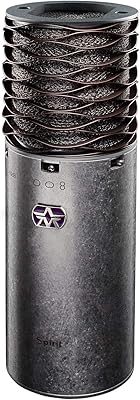
Aston Microphones Spirit Large-Diaphragm Condenser Microphone

85%
93%
Sound Quality
96%
Build Quality
89%
Polar Pattern Versatility
88%
Built-in Pop Filter
84%
Value for Money
More
Audio-Technica AT2050
79%
88%
Sound Quality & Clarity
92%
Versatility & Polar Patterns
86%
Build Quality & Durability
83%
Value for Money
68%
Background Noise Rejection
More
Rode NT55 Multi-Pattern Condenser Microphone
82%
93%
Sound Transparency
91%
Transient Detail
88%
Pattern Flexibility
86%
Instrument Versatility
89%
Build Quality
More
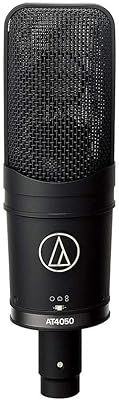
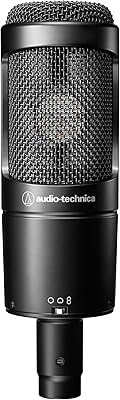
Audio-Technica AT4050 Multi-Pattern Condenser Microphone
83%
91%
Sound Quality
93%
Polar Pattern Versatility
88%
Vocal Recording
58%
Room Sensitivity
74%
Value for Money
More
Rode K2 Tube Condenser Microphone
81%
94%
Sound Quality
92%
Vocal Performance
91%
Noise Performance
53%
Setup & Ease of Use
77%
Value for Money
More
Senal SCM-660 Large-Diaphragm Condenser Microphone

71%
83%
Sound Quality
91%
Polar Pattern Versatility
86%
Build Quality
78%
Noise Performance
88%
SPL Handling
More
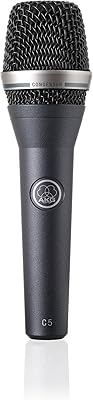
AKG C1000S Small-Diaphragm Condenser Microphone
78%
88%
Build Quality
74%
Sound Quality
83%
Versatility
81%
Battery Power
71%
Value for Money
More
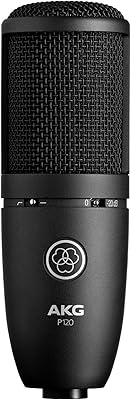
AKG C5 Condenser Vocal Microphone
79%
88%
Sound Clarity
86%
Feedback Rejection
83%
Build Quality
81%
Handling Noise
78%
Plosive Control
More
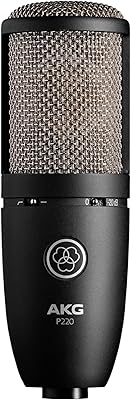
AKG P120 Condenser Microphone
78%
88%
Sound Clarity
84%
Value for Money
74%
Build Quality
61%
Room Sensitivity
79%
Ease of Setup
More
AKG C3000 High-Performance Condenser Microphone
86%
93%
Sound Quality
88%
Build Quality
90%
Durability
85%
Ease of Use
72%
Noise Handling
More

FAQ

You will need an audio interface or mixer that supplies 48V phantom power — the mic has an XLR connector and no USB option. It will not work plugged directly into a computer. A basic audio interface like those from Focusrite or PreSonus will get you up and running without any issues.

The pad reduces the input signal level by 20dB, which is useful when recording very loud sources like a trumpet right up close, a snare drum, or a loud guitar cabinet. If you mostly record vocals or quiet acoustic instruments, you likely won't need it often, but it's genuinely handy to have when you do.

Yes, it works well for podcasting, particularly if you're recording in a reasonably treated space. Use it in cardioid mode to focus on your voice and reject sound from behind the mic. Just keep in mind that you'll need an audio interface with phantom power — it's not a plug-and-play USB mic.

Cardioid is the most common choice for solo acoustic guitar — it focuses on the source and rejects room noise. If you want to capture more of the room ambience or are recording with another instrument simultaneously, figure-eight or omnidirectional can produce a more natural, open sound.

The Rode NT1 tends to be warmer and smoother on vocals, which some singers prefer. The P420 leans a bit brighter and more forward in the upper mids, which can add clarity but may feel harsh on already bright voices. The P420 wins on versatility thanks to its multiple patterns, while the NT1 is more of a dedicated vocal specialist.

Yes, and the built-in pad is specifically useful here. In omnidirectional mode it works well as a room or overhead mic, capturing the full kit with natural spread. The high SPL handling means you won't have to worry about transients from snare or kick causing problems.

The included spider shock mount is genuinely functional and not a cheap throwaway accessory. It will isolate the mic from stand vibrations effectively in most home studio setups. If you're doing ultra-critical work in a professional environment, an aftermarket mount might offer marginally better isolation, but for most users the included one is perfectly adequate.

In cardioid mode it does a reasonable job of rejecting off-axis sound, but like any large-diaphragm condenser, it will pick up room reflections if your space is untreated. In omnidirectional mode it captures everything around it equally, so room treatment matters even more. A well-placed mic in a quiet, treated space will get you the best results.

Long-term owners generally report strong durability — the metal body handles regular use without significant wear, and the capsule maintains its performance over time when stored properly. Keeping it in the included aluminum case when not in use helps protect it from dust and humidity, both of which can affect condenser capsules over time.

It's genuinely useful if you know how to use it. Figure-eight is ideal for mid-side recording, which gives you flexible stereo width in post-production, and it's also practical for recording two people facing each other across one mic. For a solo vocalist or instrumentalist who always records the same way, it may go unused — but for anyone who experiments with recording techniques, it opens up real creative options.

Where to Buy