Overview
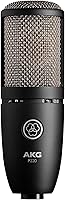
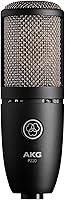
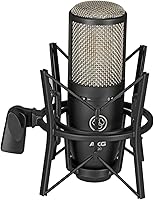
The AKG P220 has long served as a reliable entry point for those stepping into the AKG Project Studio lineup. It is a traditional large-diaphragm condenser that feels surprisingly substantial, sporting a heavy duty metal body that suggests it can handle years of use. While many affordable microphones cut corners on materials, this condenser mic retains a premium, pro-grade weight in the hand. It offers a clear path for home recordists to achieve studio-quality results without a massive financial hurdle. The build quality alone sets a high bar for its price bracket, making it a dependable choice for anyone setting up their first real vocal booth or dedicated recording space.
Features & Benefits
At the heart of this XLR studio microphone sits a true one inch capsule that does a fantastic job of picking up the finer details in a performance. One of the most practical additions is the switchable 20dB attenuation pad, which allows you to record loud sources like brass or drums without worrying about clipping. If you are dealing with low-end rumble or the muddy proximity effect typical of close-up vocals, the 300Hz bass-cut filter provides a quick fix at the source. The cardioid polar pattern is also tight enough to ignore most background chatter, focusing purely on what is directly in front of the diaphragm for a cleaner mix.
Best For
Aspiring vocalists will find that this condenser mic delivers the studio-grade clarity needed to make a track stand out. It also shines when placed in front of an acoustic guitar, where it captures the natural string resonance and body warmth with ease. For podcasters working in less-than-perfect rooms, the directional nature of the P220 helps minimize room reflections and ambient noise. Its rugged construction means it is not just limited to a quiet booth; musicians can confidently take this XLR studio microphone on stage to mic up instruments where a tougher build is required. It bridges the gap between delicate studio tools and road-ready gear.
User Feedback
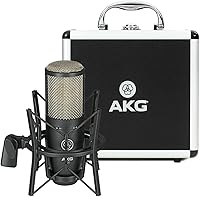
Long-term owners frequently mention the crisp top end response, which adds a nice shimmer to vocals right out of the box. Many users are pleasantly surprised by the tank like construction, often comparing it to much more expensive industry standards. The inclusion of a dedicated spider-type shock mount and a sturdy aluminum carrying case is often cited as a massive bonus, providing extra value that usually costs a premium elsewhere. However, it is important to remember that this XLR studio microphone is not a plug-and-play USB device; it requires a proper interface capable of providing 48V phantom power. It is a serious tool that rewards those with the right supporting hardware.
Pros
- The heavy-duty all-metal body provides a level of durability rarely seen in this price bracket.
- A true one-inch condenser capsule delivers professional-grade clarity and detail for vocals and instruments.
- The included spider-type shock mount effectively isolates the capsule from stand-borne vibrations and thumps.
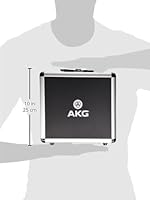
- A dedicated aluminum carrying case is included, offering genuine protection for storage or transport.
- The switchable 20dB pad allows you to record incredibly loud sources like brass without distortion.
- Its 300Hz bass-cut filter is a practical tool for removing unwanted low-end rumble at the source.
- The cardioid polar pattern provides reliable off-axis rejection to keep your tracks clean in home studios.
- It offers a massive performance upgrade over entry-level microphones without a professional-tier price tag.
Cons
- Requires a dedicated 48V phantom power source, making it incompatible with simple computer mic inputs.
- The bright high-end frequency boost can emphasize sibilance or harshness on naturally sharp voices.
- At over one pound, this condenser mic requires a robust, high-quality stand to prevent sagging.
- The physical toggle switches for the pad and filter feel somewhat stiff and are difficult to flip.
- No XLR cable is included in the box, which can be an annoying surprise for first-time buyers.
- The 300Hz cutoff on the high-pass filter can sometimes feel too aggressive for deeper male vocals.
- Side-address sensitivity is high enough that it still requires a relatively quiet room for the best results.
- Replacing the elastic bands on the included shock mount can be difficult once they eventually lose tension.
Ratings
Our scoring for the AKG P220 is the result of an exhaustive AI-driven analysis of verified buyer experiences from across the globe, specifically filtered to remove incentivized or bot-generated noise. This transparent breakdown provides a realistic look at the strengths and common pain points encountered by real musicians and creators in their day-to-day recording sessions.
Build Quality
Vocal Clarity
Acoustic Instrument Capture
High SPL Handling
Noise Rejection
Low Frequency Control
Included Accessories
Ease of Setup
Value for Money
Reliability
Suitable for:
The AKG P220 is an ideal match for home studio enthusiasts who are ready to transition from basic USB setups to a more professional XLR signal chain. Vocalists and acoustic guitarists will particularly appreciate the way its true one-inch capsule brings a crisp, detailed shimmer to their recordings. Because of its rugged all-metal construction, it is also a great fit for musicians who need a reliable microphone that can pull double duty in both a controlled studio environment and on a live stage. Podcasters working in semi-treated rooms will find the tight cardioid pattern and bass-cut filter incredibly useful for managing ambient noise and vocal boominess.
Not suitable for:
This is not the right choice for casual creators who want a simple, plug-and-play recording solution, as the AKG P220 requires a separate audio interface or mixer with 48V phantom power. Mobile vloggers or travelers might find the 1.13-pound weight and mandatory XLR cabling too cumbersome for a lightweight setup. It is also worth noting that the naturally bright frequency response may be a dealbreaker for vocalists with very sibilant or piercing voices. Those who lack a sturdy, high-quality microphone stand should be cautious, as the heavy chassis can easily cause cheap, lightweight boom arms to sag or tip during use.
Specifications
- Capsule Type: This model features a true one-inch large-diaphragm condenser capsule for high-resolution audio capture.
- Polar Pattern: The fixed cardioid pickup pattern focuses on sound directly in front of the mic while rejecting noise from the rear.
- Frequency Range: The frequency response spans from 20Hz up to 20000Hz to cover the full audible spectrum.
- Sensitivity: The audio sensitivity is rated at 20 mV/Pa or approximately 33.9 dB.
- Maximum SPL: It can handle sound pressure levels up to 155dB when the internal attenuation pad is engaged.
- Attenuation Pad: A switchable 20dB pre-attenuation pad allows for distortion-free recording of extremely loud instruments.
- Bass Cut Filter: The switchable 300Hz low-cut filter effectively eliminates low-end rumble and mechanical vibrations.
- Build Material: The chassis is constructed from rugged aluminium and brass for professional-grade durability.
- Connectivity: Standard three-pin XLR wired connectivity is used for balanced signal transmission to an interface.
- Power Requirements: This microphone requires 48V phantom power to operate its internal electronics.
- Impedance: The electrical impedance is 200 Ohms with a recommended load impedance of 1000 Ohms or higher.
- Signal-to-Noise: The signal-to-noise ratio is 78 dB-A based on an equivalent noise level of 16 dB-A.
- Weight: The net weight of the microphone itself is 1.13 lbs or roughly 0.53 kilograms.
- Dimensions: The microphone body measures 6.5″ in length with a diameter of 2.13″.
- Included Accessories: The package comes with a spider-type shock mount and a custom aluminum carrying case.
Related Reviews
AKG K52 Closed-Back Over-Ear Headphones
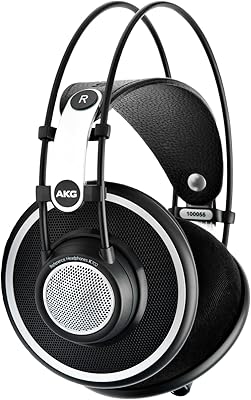
AKG K702 Open-Back Studio Headphones
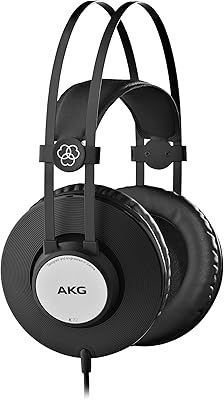
AKG K72 Closed-Back Studio Headphones
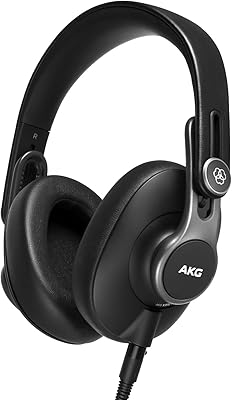
AKG K371
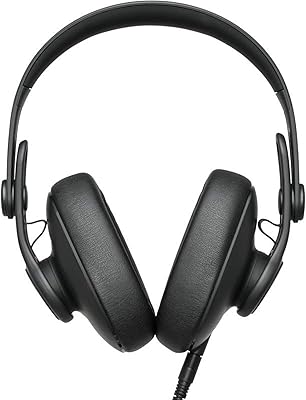
AKG K361 Closed-Back Studio Monitor Headphones
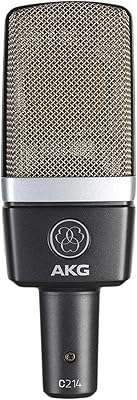
AKG C214
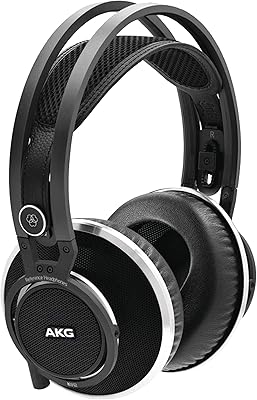
AKG K812PRO Audiophile Headphones

AKG C1000S Small-Diaphragm Condenser Microphone