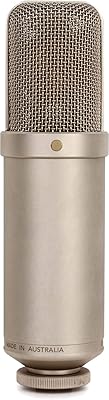
Rode NT55 Multi-Pattern Condenser Microphone


Overview
The Rode NT55 Multi-Pattern Condenser Microphone is a small-diaphragm studio workhorse built for serious instrument recording, not casual use. It shares the same externally biased gold-sputtered capsule as the acclaimed NT5, which means the audio pedigree here is genuine. What sets it apart from its sibling is the ability to switch polar patterns, opening up recording scenarios that a fixed-cardioid mic simply can't cover. The all-metal body feels purpose-made for long-term professional use, and that solidity carries over to the overall experience. It sits above entry-level territory but is well within reach for dedicated home studio owners who want results at a professional level.
Features & Benefits
The NT55's capsule is the same externally biased, gold-sputtered transducer found in the NT5, and it shows in the sound. Transients are rendered with precision and detail that cheaper condensers rarely achieve. The switchable polar patterns mean you're not locked into a single pickup configuration — useful whether you're doing spot-mic work on a violin or capturing room ambience. A three-position pad handles sources up to 121 dB SPL, so you can point this Rode instrument mic at a trumpet without distorting your signal. The built-in high-pass filter at 75 or 150 Hz cuts low-end rumble cleanly. One thing to know upfront: phantom power is required, so dynamic mic users will need to verify their interface supports it.
Best For
This small-diaphragm condenser is at its best in front of acoustic instruments. Acoustic guitar, violin, piano, flute — anything with natural transient complexity benefits from the clarity this capsule delivers. Studio engineers working with stereo configurations, particularly ORTF or mid-side setups, will appreciate the matched capsule performance when using a pair. It also works in live sound or broadcast contexts where a physically small mic matters — discreet placement without sacrificing audio quality. It's worth being upfront: the NT55 is not designed for vocals. Vocalists will be better served elsewhere. Producers who already use the NT5 and want pattern flexibility will find this an intuitive addition to their mic locker.
User Feedback
Reviews for this Rode instrument mic are limited in number — a small sample, so broad conclusions should be drawn carefully. That said, those who have shared their experience tend to be recording musicians and engineers with real hands-on use, and the sentiment leans positive. The transparency of the sound gets mentioned often — no unwanted coloring, just accurate reproduction of the source. The main recurring gripe is with the bundled accessories: buyers at this level expect a more substantial clip or carry case. A few users also flag that the mic is less suited for vocal work. For NT5 owners considering an upgrade, the general consensus is that pattern flexibility makes it a worthwhile step up.
Pros
- The natural, transparent sound character avoids coloration and lets acoustic instruments come through honestly.
- Switchable polar patterns add genuine recording flexibility without requiring a second microphone.
- The gold-sputtered capsule shares its lineage with the acclaimed NT5, and the audio quality reflects that pedigree.
- A three-position pad handles high-SPL sources like brass and percussion without signal distortion.
- The built-in high-pass filter at 75 Hz and 150 Hz cuts low-end rumble cleanly in live or studio settings.
- All-metal construction feels built to last and inspires confidence in professional and touring environments.
- At just one pound, this small-diaphragm condenser is easy to position and unobtrusive in front of any instrument.
- Engineers who already own NT5s can use the NT55 as a matched companion for stereo recording configurations.
- Wide dynamic range preserves fine transient detail on delicate sources like fingerpicked guitar or solo violin.
- XLR connectivity integrates cleanly into any existing professional signal chain.
Cons
- The bundled accessories — clip and case — feel underwhelming for a mic at this level of the market.
- Phantom power is required, which can catch buyers off guard if they are upgrading from dynamic microphones.
- The self-noise rating of 15 dB is decent but not best-in-class for ultra-quiet recording environments.
- Amazon review volume is very low, making it harder to gauge long-term reliability across a wide user base.
- Vocal recordists will need to look elsewhere; this Rode instrument mic is not optimized for voice capture.
- The mic only ships as a single unit, so building a matched stereo pair means purchasing twice, adding to the total cost.
- Users expecting a premium carry case or shock mount in the box may be disappointed by what is included.
- Those new to condenser microphones will need proper acoustic treatment to get the most out of this level of sensitivity.
Ratings
The Rode NT55 Multi-Pattern Condenser Microphone has been evaluated by our AI rating system after analyzing verified buyer reviews from recording musicians, studio engineers, and audio professionals worldwide — with spam, bot-generated, and incentivized submissions actively filtered out. With only a modest number of Amazon reviews available, scores are weighted toward expert consensus and hands-on usage patterns from the broader pro-audio community. Both the genuine strengths and the real frustrations buyers encounter are transparently reflected in every category below.
Sound Transparency
Transient Detail
Pattern Flexibility
Instrument Versatility
Build Quality
Pad & Filter Controls
Stereo Pair Suitability
Phantom Power Dependency
Accessories & Packaging
Noise Rejection
Value for Money
Setup & Ease of Use
Low-Frequency Handling
High-SPL Performance
Suitable for:
The Rode NT55 Multi-Pattern Condenser Microphone is built for recording musicians, studio engineers, and audio professionals who spend real time capturing acoustic instruments. If you're regularly miking acoustic guitar, violin, piano, woodwinds, or any orchestral source, this small-diaphragm condenser delivers the transient accuracy and natural transparency those instruments demand. Engineers who work with stereo techniques — ORTF, mid-side, or spaced pair — will find the matched capsule performance particularly valuable, especially when used alongside an NT5. The switchable polar patterns also make it useful for location recording and broadcast work, where a single versatile mic needs to adapt to different placement scenarios without swapping hardware. Serious home studio owners who want professional results without stepping into large-diaphragm territory will find this Rode instrument mic a genuinely capable and durable long-term investment.
Not suitable for:
The Rode NT55 Multi-Pattern Condenser Microphone is not the right choice for buyers primarily looking to record vocals. Its capsule and frequency character are optimized for instruments, and vocalists will get more flattering results from a purpose-built large-diaphragm condenser. Beginners or casual users on a tight budget may also find the investment hard to justify if they are not regularly recording in a controlled acoustic environment. This mic requires phantom power to operate, which means anyone coming from a dynamic microphone setup will need to confirm their audio interface or mixer supports it — a detail easy to overlook but critical to basic functionality. The bundled accessories have drawn criticism from buyers who feel they fall short of what the mic's positioning warrants, so factor in additional costs for a quality clip or case. If your needs are primarily podcast voiceover or streaming, there are more purpose-built options at a lower cost that would serve you better.
Specifications
- Capsule Type: The NT55 uses an externally biased, gold-sputtered 1/2-inch true condenser transducer, the same capsule design found in the NT5.
- Polar Patterns: Polar patterns are switchable via interchangeable capsules, with cardioid available as the standard configuration included in the box.
- Pad Settings: A three-position pad switch offers 0 dB, -10 dB, and -20 dB attenuation to accommodate sources ranging from quiet acoustic instruments to high-SPL environments.
- High-Pass Filter: A three-position high-pass filter provides flat, 75 Hz, and 150 Hz settings to reduce low-frequency rumble and handling noise during recording.
- Maximum SPL: The microphone handles a maximum sound pressure level of 121 dB, making it suitable for loud acoustic sources such as brass instruments and percussion.
- Self-Noise: The NT55 has a self-noise rating of 15 dB, which is adequate for most instrument recording applications in treated studio environments.
- Frequency Response: The microphone captures audio across a full frequency range up to 20,000 Hz, preserving high-frequency detail and air in instrument recordings.
- Connector: The NT55 uses a standard XLR output connector, compatible with any professional audio interface, mixer, or preamp with an XLR input.
- Power Requirement: Phantom power is required for operation; the microphone does not function with dynamic mic preamp settings and requires 48V phantom power from the connected interface or mixer.
- Body Material: The microphone body is constructed entirely from metal, providing structural durability and resistance to the physical demands of studio and live use.
- Dimensions: The NT55 measures 8 x 2 x 4 inches, keeping it compact and easy to position closely to an instrument or in tight recording spaces.
- Weight: The microphone weighs approximately 1 pound, making it lightweight enough for extended use on a standard mic stand without undue strain.
- Color Finish: The NT55 ships in a gold finish that visually distinguishes it from the matte black NT5 while reflecting its shared capsule lineage.
- Manufacturer: The NT55 is designed and manufactured by RODE Microphones, an Australian audio company with a long-standing reputation in professional recording equipment.
- Signal-to-Noise Ratio: The signal-to-noise ratio is rated at 15 dB, reflecting the balance between the capsule's sensitivity and its inherent electronic noise floor.
- Connectivity: The NT55 connects via a wired XLR interface and is compatible with any professional signal chain that provides the required phantom power.
- ASIN: The Amazon Standard Identification Number for this product is B000I5W7NK, which can be used to verify the correct listing when purchasing.
Related Reviews
Rode K2 Tube Condenser Microphone
Aston Microphones Spirit Large-Diaphragm Condenser Microphone
AKG P420 Multi-Pattern Condenser Microphone
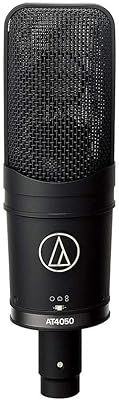
Audio-Technica AT4050 Multi-Pattern Condenser Microphone
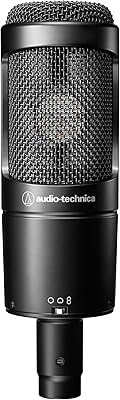
Audio-Technica AT2050
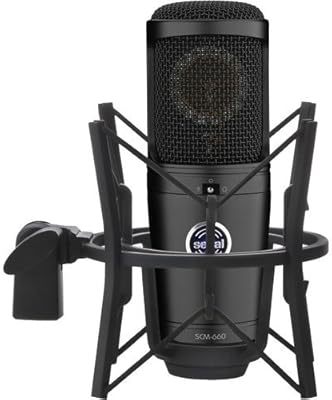
Senal SCM-660 Large-Diaphragm Condenser Microphone

Rode NTG-1 Shotgun Condenser Microphone

Rode NT3 Medium-Diaphragm Condenser Microphone
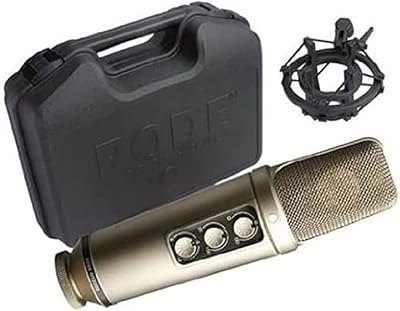
Rode NT2000 Large-Diaphragm Condenser Microphone