Overview

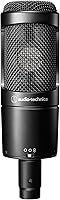
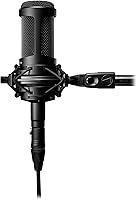
If you are putting together a serious recording space, the Audio-Technica AT2050 deserves a spot on your shortlist. We regularly see creators struggling with USB setups, but stepping up to this condenser mic opens up a completely new level of clarity. It is a highly versatile studio workhorse built around a smart multi-pattern design that easily adapts to different recording environments. Before you buy, remember that this is a professional piece of equipment. You will absolutely need an existing audio interface and an XLR cable because it strictly requires phantom power to operate. Once plugged in, the leap in audio quality is immediately noticeable. It balances solid construction with a surprisingly practical learning curve, making it an excellent anchor for any growing home studio setup that needs reliable, daily performance.

Features & Benefits

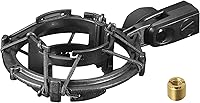
The real draw of the studio microphone is its flexibility, giving you three switchable polar patterns: omnidirectional, cardioid, and figure-of-eight. This means you can record a solo podcast, capture a roundtable discussion, or track a vocal duet without switching gear. The large diaphragm construction ensures smooth and natural vocal reproduction across the board. To help you manage tricky environments, it includes a built-in 80 Hz high-pass filter that effectively eliminates low-end room rumble like traffic or air conditioning. If you are recording louder sound sources like an acoustic guitar or an animated streamer, the switchable 10 dB pad prevents nasty distortion. Plus, the brand generously includes a dedicated shock mount right in the box. This drastically reduces accidental handling noise and saves you from buying expensive third-party accessories.

Best For

Finding the best multi-pattern condenser mic for home studio use usually means compromising on either price or performance, but not here. This versatile audio gear is custom-made for vocalists and musicians needing a reliable, adaptable studio tool. It also shines brightly for podcasters and streamers aiming to upgrade their audio to professional levels. Because it is highly sensitive, it performs best for creators with a treated room and an existing audio interface setup. If your recording space echoes terribly or faces a busy street, a dynamic option might be safer. However, if you have taken the time to hang some acoustic panels and want to capture every nuance of your voice, this unit will reward your efforts with incredibly rich, detailed, and broadcast-ready sound quality.

User Feedback

Looking through buyer experiences, reviewers consistently praise the rugged build quality and long-term reliability of this microphone. Many musicians note how it delivers excellent, low-noise sound quality as long as they record in quiet spaces. Users frequently highlight the bundled accessories as a significant value addition that gets them recording immediately. On the downside, a few beginners mention a steep learning curve when configuring their outboard gear to match the mic sensitivity. Others point out that it picks up unwanted background noise if the environment lacks proper acoustic treatment. Despite these minor learning hurdles, the overwhelming consensus is positive. Most buyers feel they received premium performance at a highly competitive price point, cementing its reputation as a smart, long-lasting investment for serious audio production.

Pros

  • Delivers smooth, natural vocal reproduction that dramatically elevates the quality of your podcasts and streams.
  • Three switchable polar patterns make this versatile audio gear adaptable to solo vocals or group interviews.
  • The built-in 80 Hz high-pass filter effectively eliminates annoying low-end room rumble and air conditioner hum.
  • Features a rugged die-cast aluminum build that ensures years of reliable daily performance.
  • Includes a high-quality dedicated shock mount that drastically reduces accidental desk bumps and handling noise.
  • The switchable 10 dB pad allows you to safely record loud instruments without nasty audio distortion.
  • The Audio-Technica AT2050 provides premium, professional-grade studio features at a highly competitive mid-tier price point.

Cons

  • Strictly requires an external audio interface and an XLR cable, adding hidden costs for beginners.
  • The highly sensitive capsule mercilessly picks up background noise like clicking keyboards and street traffic.
  • At nearly two pounds, it requires a heavy-duty boom arm to prevent standard desk stands from sagging.
  • Beginners often face a steep learning curve when configuring outboard gear to match its sensitivity.
  • The recessed filter and pad switches are quite small and somewhat difficult to toggle quickly.
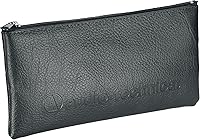
  • The included soft pouch offers zero structural protection against drops or crushing impacts during transit.

Ratings

To help you decide if the Audio-Technica AT2050 is the right fit for your home studio, we have analyzed thousands of verified global user reviews. These AI-generated scores actively filter out spam and incentivized feedback to give you a transparent look at real-world performance. You will find both the standout strengths and the frustrating pain points clearly outlined below.

Sound Quality & Clarity
88%
Vocalists and podcasters consistently praise the smooth, natural audio reproduction provided by the large diaphragm. When recording spoken word or singing, this condenser mic captures a rich depth and presence that instantly elevates the professionalism of your tracks.
The high sensitivity means it demands a proper recording environment to truly shine. If you are tracking in an untreated bedroom with bare walls, you will likely notice harsh reflections and a thinner overall vocal tone than expected.
Versatility & Polar Patterns
92%
The ability to switch between omnidirectional, cardioid, and figure-of-eight patterns makes this versatile audio gear incredibly adaptable. Users love being able to record a solo podcast one minute and an acoustic duo the next without swapping equipment.
Some creators mention that they rarely use the figure-of-eight or omni modes, making the extra cost less justifiable for solo streamers. If you only ever record alone from the front, these additional patterns might just sit completely untouched.
Build Quality & Durability
86%
Constructed from high-strength die-cast aluminum and high-grade steel, the studio microphone feels substantial and rugged in hand. Reviewers frequently note its long-term reliability, surviving years of daily use in busy project studios without any degradation in performance.
At nearly two pounds, it is notably heavy and requires a heavy-duty boom arm or sturdy mic stand to stay positioned. Cheaper, entry-level desktop stands often sag under its weight, forcing buyers to upgrade their mounting hardware unexpectedly.
Value for Money
83%
Buyers feel they are getting premium, professional-grade features at a highly competitive mid-tier price point. The inclusion of three polar patterns and onboard attenuation switches makes it a smart, long-lasting investment that grows with your audio production skills.
The hidden costs can surprise beginners who only budget for the microphone itself. Since it strictly requires an external audio interface, an XLR cable, and a sturdy boom arm, the total setup price ends up significantly higher.
Background Noise Rejection
68%
32%
When set to the cardioid polar pattern, it does an adequate job of focusing on the sound source directly in front of the capsule. In heavily treated spaces, it captures incredibly clean, low-noise audio that requires minimal post-processing.
Because it is a highly sensitive condenser, it mercilessly picks up computer fans, clicking keyboards, and street noise. Streamers in noisy apartments often find themselves frustrated by the amount of background bleed compared to using a dynamic alternative.
Ease of Setup for Beginners
61%
39%
For experienced creators who already own an audio interface, plugging in this versatile audio gear is a fast, straightforward process. The physical switches on the microphone body are clearly labeled and easily accessible for quick adjustments on the fly.
Newcomers often face a steep learning curve when configuring outboard gear to match the mic sensitivity. Figuring out phantom power, gain staging, and acoustic treatment can feel overwhelming if you are used to simple plug-and-play USB devices.
Included Accessories (Shock Mount)
84%
Users frequently highlight the bundled custom shock mount as a massive value addition. It effectively isolates the capsule from desk vibrations and accidental bumps, ensuring your recordings stay clean without needing to buy expensive third-party suspension systems.
The elastic bands on the shock mount can wear out or snap over time with heavy daily adjustments. A few reviewers also noted that threading the mount onto specific boom arms can be slightly finicky right out of the box.
Low-Frequency Management
79%
21%
The built-in 80 Hz high-pass filter is a lifesaver for eliminating low-end room rumble like air conditioning units or distant traffic. Engaging this switch instantly cleans up muddy vocal tracks, saving editors significant time during the mixing phase.
The filter switch itself is quite small and recessed, making it somewhat difficult to toggle quickly without a fingernail or a small tool. Furthermore, applying it to very deep voices can occasionally thin out the desired vocal warmth.
High-SPL Handling
81%
19%
Engaging the switchable 10 dB pad allows for recording significantly louder sound sources without clipping or nasty distortion. This makes the studio microphone perfectly capable of tracking loud rock vocals, electric guitar cabs, or energetic brass instruments.
For standard podcasting and conversational streaming, this feature is rarely utilized. Some users report initially leaving the pad engaged by accident, resulting in incredibly quiet recordings that introduce noticeable hiss when digitally boosted later in post-production.
Portability & Storage
64%
36%
The manufacturer includes a padded protective pouch that keeps dust off the capsule when not in active use. It provides peace of mind when storing the unit in a drawer or packing it for a quick trip to another studio.
This condenser mic is definitely not designed for travel or mobile vlogging setups due to its bulk and reliance on phantom power. The soft pouch offers zero structural protection against drops or crushing impacts during serious transit.

Suitable for:

The Audio-Technica AT2050 is an excellent choice for serious musicians, vocalists, and podcasters who want to upgrade their home studio with professional-grade audio equipment. It is particularly beneficial for creators who already own an audio interface and understand how to manage XLR connections and phantom power. Because it features three switchable polar patterns, it is incredibly useful for hosts who frequently switch between solo streaming, face-to-face interviews, or recording acoustic instruments. If you have taken the time to acoustically treat your recording room, this condenser mic will reward you with incredibly rich, detailed, and broadcast-ready sound. It is a fantastic long-term investment for anyone ready to graduate from basic USB setups.

Not suitable for:

If you are a beginner looking for a simple plug-and-play solution for casual gaming or video calls, you should completely avoid the Audio-Technica AT2050. It strictly requires an external audio interface and an XLR cable to function, which significantly increases the total cost of your setup. Furthermore, because it is a highly sensitive condenser microphone, it is a poor choice for creators recording in noisy apartments, echoey bedrooms, or near loud computer fans. Travelers and mobile vloggers will also find it far too bulky and entirely impractical for on-the-go recording. Solo streamers who only ever record their own voice straight-on might find the extra multi-pattern features unnecessary, making a dedicated cardioid dynamic microphone a smarter, more cost-effective buy.

Specifications

  • Microphone Type: This unit is a condenser microphone designed primarily for detailed studio recording environments.
  • Connection Interface: It strictly requires a standard XLR connection to transmit audio signals.
  • Polar Patterns: Users can switch between omnidirectional, cardioid, and figure-of-eight pickup patterns.
  • Power Requirements: The microphone must be powered by a phantom power source via a connected audio interface.
  • Frequency Response: It captures a wide frequency range from 20 to 20,000 Hz.
  • Signal-to-Noise Ratio: The internal electronics provide a signal-to-noise ratio of 77 dB.
  • Low-Cut Filter: A built-in 80 Hz high-pass filter helps eliminate unwanted low-end room rumble.
  • Attenuation Pad: A switchable 10 dB pad allows for recording louder sound sources without clipping.
  • Construction Materials: The housing is built from high-strength die-cast aluminum and high-grade steel.
  • Item Weight: The microphone alone weighs approximately 1.9 pounds.
  • Physical Dimensions: The overall dimensions are 9.75 by 9.75 by 2.75 inches.
  • Included Accessories: The package includes a custom shock mount, a threaded adapter, and a soft protective pouch.

Related Reviews
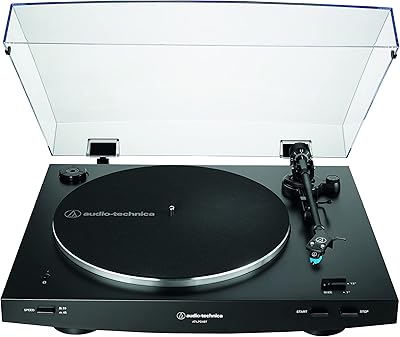
Audio-Technica AT-LP3XBT
82%
88%
Sound Quality (Wired)
74%
Bluetooth Audio Quality
93%
Ease of Setup
91%
Fully Automatic Operation
67%
Build Quality
More
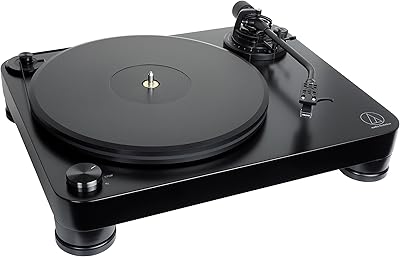
Audio-Technica AT-LP7 Turntable
86%
94%
Sound Quality
92%
Build Quality
80%
Ease of Setup
88%
Manual Control Experience
90%
Tracking Accuracy
More
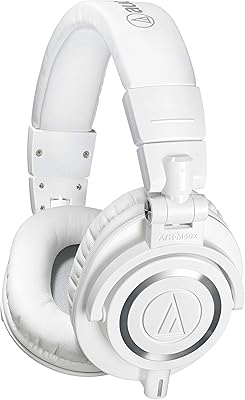
Audio-Technica ATH-M50xWH
87%
94%
Sound Quality
89%
Build Quality
82%
Comfort for Extended Use
91%
Noise Isolation
88%
Durability of Detachable Cable
More
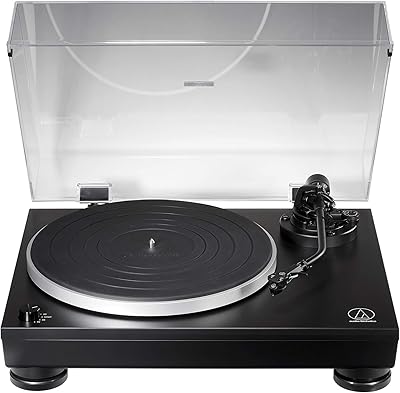
Audio-Technica AT-LP5X
84%
93%
Build Quality
91%
Sound Quality
94%
Motor & Speed Stability
88%
Cartridge & Stylus
89%
Tonearm Performance
More
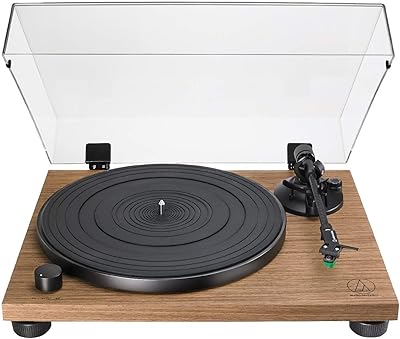
Audio-Technica AT-LPW40WN
82%
91%
Sound Quality
88%
Build Quality
89%
Tonearm Performance
86%
Speed Accuracy & Stability
74%
Ease of Setup
More
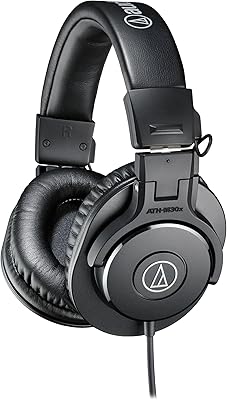
Audio-Technica ATH-M30x
78%
83%
Sound Accuracy
88%
Mid-Range Clarity
61%
Bass Response
72%
Comfort & Fit
74%
Build Quality
More
Audio-Technica ATH-M20x
82%
88%
Audio Accuracy
84%
Passive Sound Isolation
94%
Value for Money
81%
Long-Session Comfort
87%
Studio Build Durability
More
Audio-Technica AT829CW Lavalier Microphone
88%
94%
Sound Quality
88%
Build Quality
91%
Ease of Use
89%
Portability
93%
Connectivity Stability
More
Audio-Technica AT831b Lavalier Microphone
86%
94%
Sound Quality
91%
Build Quality
89%
Noise Cancellation
85%
Ease of Use
93%
Connectivity (XLR Performance)
More
Audio-Technica AT-PEQ30 Phono Equalizer
86%
91%
Sound Performance
88%
Build Quality
80%
Ease of Use
94%
Noise Reduction
87%
Input Versatility
More

FAQ

Yes, you absolutely will. This is an XLR microphone, meaning it cannot plug directly into a USB port. You will need to purchase an audio interface that supplies phantom power, along with a standard XLR cable to connect everything together.

You certainly can, provided you have a relatively quiet room. Because it is a highly sensitive condenser, it will pick up the sound of your mechanical keyboard, mouse clicks, and computer fans much more easily than a dynamic mic would.

The figure-of-eight pattern records audio from both the front and the back of the capsule while aggressively rejecting sound from the sides. This is incredibly useful if you want to record two people speaking face-to-face across a table using just a single microphone.

It might technically thread on, but we highly recommend against using a budget arm. At nearly two pounds, the studio microphone is quite heavy and will likely cause cheaper desk stands to sag or droop while you are trying to record.

First, try flipping the small 80 Hz low-cut switch located on the microphone body. This instantly rolls off deep, low-end rumble like HVAC units or distant street traffic, which immediately makes your vocals sound much cleaner.

The attenuation pad physically reduces the microphone's sensitivity by 10 decibels. You should only switch this on if you are recording something exceptionally loud, like a screaming vocal take or a blaring guitar amplifier, to prevent the resulting audio from distorting.

No, it does not include a pop filter in the box. While the included custom shock mount is fantastic for reducing desk vibrations, you will still need to buy a separate mesh or metal pop filter to stop harsh breath sounds and plosives from hitting the capsule.

It depends heavily on your budget and your willingness to learn. While the sound quality is a massive upgrade over entry-level gear, the required external interface and acoustic treatment make the learning curve noticeably steeper than a basic plug-and-play USB option.

You can absolutely keep it mounted on your boom arm, but you should ideally cover the capsule with the included protective pouch when you are done. Stopping dust from settling on the sensitive diaphragm will help maintain your pristine sound quality over the years.

Absolutely, this studio microphone excels at capturing acoustic instruments. The large diaphragm and wide frequency response ensure that you capture all the natural warmth and bright details of the guitar strings perfectly.