Overview

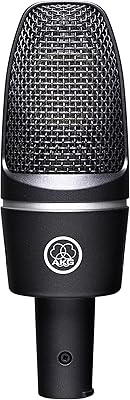
The AKG C5 Condenser Vocal Microphone has been a reliable choice for live performers since AKG introduced it in 2005, and it still holds its own in a competitive market. AKG carries real credibility in professional audio, and the C5 sits in their mid-to-upper tier of stage microphones — not their entry-level offering, but not their flagship either. What separates it from most handheld mics in this range is its supercardioid polar pattern, which focuses tightly on what is directly in front while pushing away off-axis noise. This is a stage-first design, built for PA systems and live monitors, not for laying down tracks in a quiet studio.
Features & Benefits

The supercardioid pickup pattern is the headline here — on a loud stage with instruments bleeding from all directions, having a mic that stays focused on the source directly in front is genuinely practical. The gold-plated XLR connector and transducer case resist corrosion from sweat and humidity far better than standard contacts, which matters if you gig regularly. The spring steel wire-mesh grill is noticeably tough without feeling bulky, and it handles plosives and wind noise better than many expect from a condenser. The built-in shock mount keeps handling noise to a minimum, and at 1.25 pounds, this vocal mic is comfortable to hold through an entire set.

Best For

This condenser stage mic makes the most sense for vocalists who perform live frequently — think weekly gigs, touring bands, or anyone running a professional PA rig. Its tight pickup pattern is a genuine asset in loud venues where feedback and stage bleed are constant problems. If you are moving up from a standard dynamic mic and want more detail in your vocal tone without switching to something fragile, the AKG C5 hits that middle ground well. Sound engineers running monitor-heavy setups will also appreciate its feedback rejection. One caveat worth flagging: condensers require phantom power from your mixer or preamp, so confirm your gear supports it before purchasing.

User Feedback

With a 4.4-star rating, most buyers are satisfied, and the patterns across reviews are fairly consistent. Vocalists who gig regularly tend to praise the sound clarity and how well this vocal mic holds up physically after months of real use. When criticism does appear, it often centers on sensitivity in extremely loud SPL environments, or how the mic compares to similarly priced options from Shure or Sennheiser at that tier. A handful of buyers mention being caught off guard by the phantom power requirement when connecting to older or simpler rigs. Notably, long-term users tend to rate it higher than first-impression reviewers — a pattern that usually reflects genuine build and performance quality.

Pros

  • The supercardioid pattern keeps feedback under control even on loud stages with active monitor wedges.
  • Gold-plated connector contacts resist corrosion from sweat and humidity, which matters after months of gigging.
  • The integrated shock mount noticeably reduces handling noise during dynamic, active vocal performances.
  • At 1.25 pounds, this condenser stage mic is comfortable to hold through a full set without fatigue.
  • The spring steel grill is built to take knocks and drops without compromising sound quality.
  • Vocal clarity is a consistent standout — buyers frequently note how much more detail comes through compared to typical dynamic mics.
  • The 78 dB signal-to-noise ratio keeps the audio clean even in loud, chaotic live environments.
  • Long-term users tend to rate the AKG C5 higher after extended use, suggesting it holds up well over time.
  • Works reliably with professional PA systems and is easy for sound engineers to work with front-of-house.
  • AKG has a well-established track record in pro audio, and this vocal mic reflects that pedigree in its construction.

Cons

  • Phantom power is required and not always available on simpler or older mixers — easy to overlook before purchase.
  • In very high-SPL environments, the condenser sensitivity can be harder to manage than a rugged dynamic mic.
  • At this price point, strong alternatives from Shure, Sennheiser, and Audio-Technica make the buying decision genuinely competitive.
  • Not suited for studio use, which limits its versatility for musicians who record and perform equally.
  • Some users report that the mic picks up more room noise than expected when phantom power sources introduce interference.
  • The included accessories are minimal, so budget for a quality stand adapter and case if you travel with it.
  • Buyers upgrading from budget dynamics may find the learning curve around condenser mic placement and gain staging steeper than expected.
  • Only one color option available, which is a minor but real limitation for performers with specific stage aesthetics.

Ratings

The scores below for the AKG C5 Condenser Vocal Microphone were generated by our AI after analyzing verified global buyer reviews, actively filtering out incentivized, spam, and bot-generated feedback to surface what real performers actually experience. Each category reflects both the genuine strengths and the honest pain points reported by working vocalists, sound engineers, and touring musicians. Nothing has been smoothed over — where buyers ran into real limitations, those are reflected transparently in the scores.

Sound Clarity
88%
Vocalists consistently report that the C5 delivers noticeably more detail and presence than the dynamic mics they upgraded from, particularly in the mid and upper-mid frequency ranges where vocals sit. On a live stage, that clarity translates directly into a voice that cuts through a mix without needing excessive EQ from the front-of-house engineer.
A handful of users note that the enhanced sensitivity, while great for clarity, also means the mic is less forgiving with poor mic technique — singers who work the mic inconsistently may find the sound character shifts more than expected during a performance.
Feedback Rejection
86%
The supercardioid polar pattern is the real workhorse here, and most gigging vocalists praise how manageable feedback stays even with monitor wedges pointed directly at the performer. Sound engineers running live rigs specifically call out how easy the C5 is to dial in without constant ringing.
In extremely loud stage environments — particularly where multiple wedges are running at high volume — some users find that the condenser sensitivity still requires more careful gain management than a comparable dynamic mic would. It handles feedback well, but it is not entirely immune.
Build Quality
83%
Long-term users are consistently more positive about the build than short-term buyers, which is a reliable sign of genuine durability rather than just a good first impression. The spring steel grill and gold-plated internals hold up through regular transport, nightly gigs, and the general roughness of touring life.
A few users mention that the finish shows cosmetic wear — scuffs and surface marks — after extended road use, even when the mic itself continues to perform well. The body does not feel as tank-like in hand as some competing mics at a similar price point.
Handling Noise
81%
19%
The integrated shock mount does meaningful work here — vocalists who move around a lot on stage, grip the mic tightly, or tap the body occasionally report that the noise floor stays clean and does not bleed into the performance. For active performers, this is a practical daily benefit.
While the shock mount reduces most handling noise effectively, very aggressive handling or accidental drops during energetic performances can still produce audible thumps. It is not a fully isolated suspension system like what you would find on a studio mic stand mount.
Plosive Control
78%
22%
The spring steel wire-mesh grill manages plosives and wind noise better than many buyers expect from a condenser mic, particularly for vocalists who work close to the mic. Several reviewers coming from cheaper mics note that the built-in pop filtering is noticeably effective without requiring an external pop screen.
For vocalists with naturally heavy breath or aggressive P and B consonants, the grill alone may not be sufficient — some users still recommend positioning the mic slightly off-center or using an additional external filter for studio-adjacent recording situations.
Phantom Power Compatibility
71%
29%
For buyers with modern professional or semi-professional mixers, phantom power compatibility is a non-issue — the C5 draws standard 48V and behaves predictably across a wide range of live rigs. Sound engineers report no unusual noise or interference from the phantom power connection under normal live conditions.
This is a consistent pain point in buyer feedback: a meaningful number of purchasers did not realize condensers require phantom power and were caught off guard when connecting to older or more basic mixers that lack it. The product listing could communicate this requirement more prominently upfront.
Value for Money
74%
26%
For working musicians who gig regularly, the combination of build durability, sound clarity, and feedback rejection represents a solid return on the investment — particularly for vocalists stepping up from entry-level dynamic mics who notice the improvement immediately on stage.
At this price tier, buyers are genuinely weighing the C5 against options from Shure, Sennheiser, and Audio-Technica, and the decision is not always clear-cut. Some reviewers feel that certain competing mics offer a more distinctive sonic character or better value depending on specific vocal types and stage setups.
Weight & Comfort
84%
At 1.25 pounds, this condenser stage mic is light enough to hold comfortably through a full set without the fatigue that heavier mics can cause, especially during longer performances or multi-set gigs. Performers who switch between multiple songs without mic stands appreciate the balance and grip.
A small number of users with smaller hands note that the dimensions feel slightly wider than they expected for a handheld vocal mic, which can affect grip comfort over very long sessions — though this is a minor and subjective complaint in the overall feedback picture.
Pop & Wind Noise Suppression
77%
23%
The wire-mesh grill handles typical stage wind noise and plosive bursts reasonably well for a mic without a dedicated foam windscreen, which is a practical advantage in outdoor live settings where a pop filter is not always feasible to mount.
Outdoor performances in breezy environments push the grill's limits — some users report needing to add a foam windscreen accessory for open-air gigs where gusts are unpredictable, which is an extra cost and step that buyers should factor in if they perform outside frequently.
Corrosion Resistance
89%
The 24-carat gold-plated XLR connector and transducer case are genuine long-term durability features that touring musicians notice over time — connectors that tarnish or oxidize are a common failure point on cheaper mics, and this vocal mic avoids that problem reliably.
There is very little negative feedback specific to the corrosion resistance — it is one of the stronger performing attributes of the mic. The main caveat is that no connector is entirely immune to damage from moisture over years of heavy use without proper storage.
Sensitivity & Dynamics
76%
24%
The C5 picks up a wide dynamic range with good sensitivity, which is a genuine benefit for vocalists with nuanced, expressive performances where subtlety matters — quieter passages come through with presence rather than getting lost in the stage mix.
That same sensitivity becomes a liability for vocalists who perform in extremely loud environments or who have inconsistent mic technique. High-SPL stages amplify any handling or environmental noise more than a standard dynamic mic would, which requires a more disciplined approach to gain management.
Stage Monitor Compatibility
80%
20%
Sound engineers running monitor-heavy live setups specifically call out how cooperatively the C5 behaves in those configurations — the tight pickup pattern reduces the amount of monitor signal entering the mic, which gives engineers more headroom to push monitor levels without fighting feedback.
The C5 is not immune to monitor-related challenges in very compact stage setups where monitors are necessarily close and pointed directly at the mic. In those configurations, its advantages narrow compared to dynamic alternatives that are fundamentally less sensitive.
Accessories Included
52%
48%
The mic itself is the focus here, and buyers who already own quality XLR cables, mic clips, and cases will not feel the lack of included accessories as a significant gap. What is in the box is functional and allows immediate use with a compatible stand.
The included accessories are minimal — no carrying case, no extra cable, and no stand are included, which means additional purchases are essentially required for any gigging performer. At this price point, buyers reasonably expect a more complete package out of the box.
Long-Term Reliability
85%
One of the more consistent patterns across reviews is that users who have owned the AKG C5 for a year or more tend to rate it higher than buyers writing first impressions, suggesting the mic genuinely holds its performance quality over sustained use and nightly wear.
Long-term reliability data is naturally limited given the smaller total number of reviews on Amazon, so the sample size for multi-year ownership feedback is narrower than for more widely sold microphones. The trend is positive, but the evidence base is not as deep as it would be for a top-100 bestseller.

Suitable for:

The AKG C5 Condenser Vocal Microphone is built for working vocalists who spend real time on real stages — not bedroom performers or hobbyists looking for a weekend mic. If you play live regularly, whether in small clubs, larger venues, or on a touring circuit, the tight supercardioid pickup pattern directly addresses the feedback and stage bleed problems that come with those environments. Sound engineers managing monitor-heavy live rigs will find this vocal mic cooperative and predictable to dial in. It also makes strong sense for backing vocalists who need clarity and separation without a mic that picks up everything around them. Artists stepping up from a standard dynamic mic will notice a meaningful improvement in vocal detail and sensitivity, and the build quality is solid enough to justify the investment for anyone gigging more than casually.

Not suitable for:

The AKG C5 Condenser Vocal Microphone is not the right call if your primary use case is studio recording — it was never designed for that environment, and purpose-built studio condensers will outperform it there. Buyers who do not have phantom power available on their mixer or preamp will also hit an immediate compatibility wall, since condenser mics require it and there is no workaround. If you mostly perform in extremely loud, high-SPL environments — think metal shows with significant stage volume — the sensitivity of this condenser stage mic can actually work against you compared to a robust dynamic. Budget-conscious buyers who are only starting out and gigging occasionally may also find that the value proposition does not justify the price when more affordable dynamics can serve entry-level live use quite well. And if you are comparing options at this price tier, it is worth auditioning alternatives from Shure, Sennheiser, and Audio-Technica before committing, as the competition is genuine.

Specifications

  • Microphone Type: Condenser vocal microphone designed specifically for live stage performance.
  • Polar Pattern: Supercardioid (unidirectional), providing tight front-focused pickup with strong off-axis rejection.
  • Connector: XLR connector with 24-carat gold-plated pins for corrosion resistance and reliable signal transfer.
  • Transducer Case: 24-carat gold-plated transducer case engineered for optimum conductivity and resistance to humidity and corrosion.
  • Grill Material: Spring steel wire-mesh construction provides rugged durability while managing plosives and wind noise.
  • Signal-to-Noise Ratio: 78 dB signal-to-noise ratio delivers clean, detailed audio reproduction in loud live environments.
  • Channels: Single-channel (mono) output, standard for handheld vocal microphones used in live PA applications.
  • Form Factor: Handheld design sized at 7.87 x 2.76 x 5.51 inches, suited for extended live vocal use.
  • Weight: The mic weighs 1.25 pounds, keeping it comfortable to hold through a full performance set.
  • Power Source: Requires corded electric power via phantom power (typically 48V) supplied through the connected mixer or preamp.
  • Shock Mount: Integrated internal shock mount reduces mechanical handling noise transmitted during active vocal performance.
  • Compatible Devices: Designed for use with professional PA systems and live sound rigs with XLR-equipped inputs.
  • Brand: Manufactured by AKG, a professional audio brand distributed under JBL and the broader Harman portfolio.
  • Model Number: Model C5, first made available in November 2005 and not discontinued by the manufacturer.
  • Amazon Rating: Holds a 4.4 out of 5 star rating from verified purchasers on Amazon as of available data.

Related Reviews
AKG C1000S Small-Diaphragm Condenser Microphone
78%
88%
Build Quality
74%
Sound Quality
83%
Versatility
81%
Battery Power
71%
Value for Money
More
Neumann TLM 102
Neumann TLM 102
86%
93%
Vocal Clarity & Presence
97%
High SPL Handling
89%
Build Quality & Durability
86%
Form Factor & Size
88%
Noise Rejection & Isolation
More
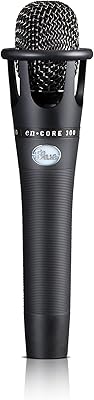
Blue Encore 300 Vocal Condenser Microphone
80%
88%
Vocal Sound Quality
91%
Build Quality
84%
Handling Noise Rejection
79%
Stage Feedback Resistance
67%
Gain Requirements
More
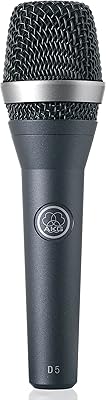
AKG D5
AKG D5
89%
94%
Feedback Rejection
91%
Vocal Clarity
96%
Build Durability
87%
Handling Noise
93%
Value for Money
More
AKG C3000 High-Performance Condenser Microphone
86%
93%
Sound Quality
88%
Build Quality
90%
Durability
85%
Ease of Use
72%
Noise Handling
More
AKG P120 Condenser Microphone
78%
88%
Sound Clarity
84%
Value for Money
74%
Build Quality
61%
Room Sensitivity
79%
Ease of Setup
More
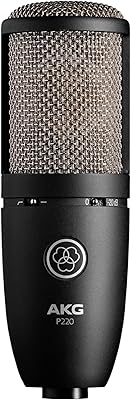
AKG P220
AKG P220
88%
94%
Build Quality
88%
Vocal Clarity
86%
Acoustic Instrument Capture
91%
High SPL Handling
83%
Noise Rejection
More
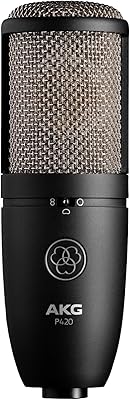
AKG P420 Multi-Pattern Condenser Microphone
85%
88%
Sound Clarity
93%
Polar Pattern Versatility
86%
Build Quality
91%
Value for Money
82%
Noise Floor Performance
More
Sennheiser e865-S
Sennheiser e865-S
84%
94%
Vocal Clarity & Detail
88%
Feedback Rejection
92%
Build Quality & Durability
86%
Switch Functionality
73%
Handling Noise
More
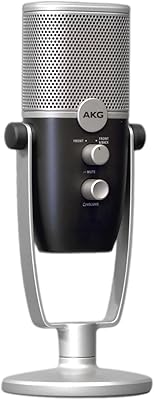
AKG Ara USB-C Condenser Microphone
77%
83%
Audio Quality
88%
Polar Pattern Flexibility
92%
Ease of Setup
79%
Build Quality
86%
Value for Money
More

FAQ

Yes, like all condenser microphones, the AKG C5 requires phantom power — typically 48V — supplied by your mixer, audio interface, or preamp. Most professional and semi-professional mixers include phantom power as a standard feature, but if you are using a basic or older mixer, it is worth double-checking the specs before purchasing. Running the mic without phantom power will result in no signal or a very weak output.

The main difference you will notice is clarity and sensitivity — this condenser stage mic picks up more detail and nuance in your voice than most dynamic mics do. The trade-off is that condensers are more sensitive overall, which means gain staging and monitor placement matter more. If you are used to the forgiving nature of a dynamic mic on a loud stage, expect a short adjustment period.

It can capture audio in a studio environment, but it was not designed for that purpose. Purpose-built studio condensers will generally outperform it in quiet recording settings where room acoustics and off-axis sensitivity become more significant factors. This vocal mic is at its best in live performance scenarios.

Quite well, which is one of the reasons working vocalists tend to recommend it. The supercardioid polar pattern rejects sound from the sides and rear more aggressively than a standard cardioid mic, which helps reduce feedback when monitors are placed correctly. That said, no mic eliminates feedback entirely — proper gain structure and monitor positioning still matter.

Yes, as long as the PA system or connected mixer supplies phantom power, the AKG C5 Condenser Vocal Microphone will work with most standard PA setups. It connects via a standard XLR cable, which is the universal connector used across virtually all live sound equipment.

Based on what long-term users report, yes. The spring steel wire-mesh grill and gold-plated internal components are built to handle the wear of regular gigging, including transport and nightly use. It is not indestructible, but it is meaningfully more durable in construction than budget-tier microphones.

A standard XLR cable, which is the most common type used in live audio. The mic does not come with a cable included, so if you do not already have one, pick up a quality balanced XLR cable in the length that suits your stage setup.

This is one area where the mic has some limitations. Condensers are inherently more sensitive than dynamics, so in very high-SPL environments — like a metal stage with a loud monitor mix — managing gain carefully becomes more important. Some users in those scenarios find a dynamic mic easier to control. For moderate to loud stages, though, most vocalists find it handles well.

The included accessories are minimal, so do not expect a carrying case in the box. If you plan to travel with this vocal mic regularly, investing in a separate mic pouch or hard case is a practical step to protect it during transport.

At this price tier, the competition is real — options from Shure and Sennheiser are frequently compared to the C5, and each has its own sonic character and strengths. The AKG C5 tends to be praised for its clarity and tight rejection pattern, but the best choice ultimately comes down to your voice, your stage setup, and personal preference. If possible, auditioning them side by side through your actual PA is the most reliable way to decide.

Where to Buy

B&H Photo Video Audio
In stock $299.00
Full Compass Systems
In stock $299.00
Pro Audio Solutions
In stock $216.00
World Music Supply
In stock $229.99
Farralane Lighting & Audio
In stock $299.00