Overview

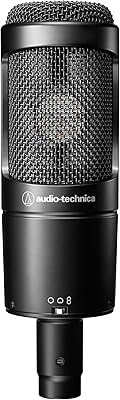
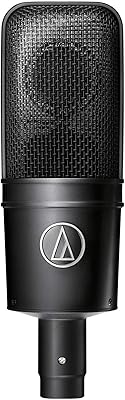
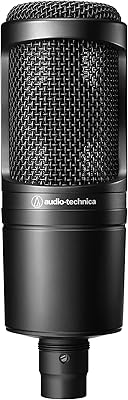
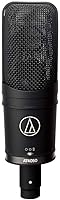
The Audio-Technica AT4050 Multi-Pattern Condenser Microphone has been a fixture in professional studios since 2004 — a track record few microphones at any price can match. This large-diaphragm condenser occupies the premium tier, making it a serious tool for dedicated recordists rather than a casual first purchase. What sets it apart from many single-pattern competitors is its switchable polar patterns: the ability to move between omni, cardioid, and figure-of-eight modes opens up recording situations that fixed-pattern mics simply cannot handle. The included AT8449 shock mount and hard-shell carrying case add tangible value. One honest caveat: the AT4050 rewards a treated recording space and a capable preamp — without both, you won't fully realize what this studio mic can deliver.
Features & Benefits

At the heart of the AT4050 is a dual large-diaphragm capsule with 2-micron-thick, vapor-deposited gold diaphragms — a construction detail that directly influences how the mic handles transients and preserves tonal accuracy over years of use. Audio-Technica puts those diaphragms through a five-step aging process before the mic leaves the factory, contributing to consistency you can actually hear over time. The transformerless circuit design keeps low-frequency coloration in check and improves how the mic captures fast-moving transients compared to transformer-coupled alternatives. With a 77 dB signal-to-noise ratio and 100-ohm output impedance, it pairs well with most quality preamps without introducing noise floor issues. One critical point: the AT4050 requires XLR and 48V phantom power — there is no USB option, so an audio interface is mandatory.

Best For

This large-diaphragm condenser is a natural fit for studio vocalists who want accurate reproduction without the hyped presence peaks that some competing mics add. It works equally well for broadcasters and podcasters operating in properly treated spaces — the low self-noise and transparent character translate directly into clean, professional voice recordings. Recording engineers will appreciate the figure-of-eight mode for mid-side stereo work or capturing duets, while the omni pattern handles ambient room recordings and ensemble sources. That said, the AT4050 is not a forgiving mic for untreated rooms. If you are recording in a live space without acoustic treatment, room noise and reflections will show up in your tracks. An audio interface and a decent preamp are non-negotiable parts of this signal chain.

User Feedback

Owners of the AT4050 consistently highlight its natural, open sound — accurate without being clinical, which is a tricky balance to strike at any price point. The shock mount earns specific praise too; unlike some bundled accessories, it is described as solidly built and actually useful in real sessions. On the critical side, a few users are caught off guard by just how sensitive this studio mic is — any acoustic shortcomings in the recording space will be picked up without mercy. Some vocalists also note that the AT4050's neutral frequency response does not add the flattering presence boost that certain competing condensers offer, which is a preference rather than a flaw. Across 83 ratings, the 4.2-star average reflects strong satisfaction with reservations mostly rooted in context rather than quality.

Pros

  • Three switchable polar patterns — omni, cardioid, and figure-of-eight — give this studio mic rare versatility for diverse recording scenarios.
  • Dual gold-vapor-deposited diaphragms deliver a transparent, natural sound that holds up well across vocals, strings, and acoustic instruments.
  • Transformerless circuit design keeps low-frequency coloration minimal and transient response tight and accurate.
  • A 77 dB signal-to-noise ratio means quiet sources like fingerpicked guitar or soft vocals come through cleanly without a noisy floor.
  • The AT8449 shock mount included in the box is sturdy and functional — not a cheap plastic afterthought.
  • Build quality is consistently praised by buyers who compare it favorably against similarly priced competitors.
  • A five-step diaphragm aging process contributes to long-term tonal consistency that cheaper mics rarely offer.
  • The hard-shell carrying case makes storage and transport practical for engineers who move between sessions.
  • 100-ohm output impedance pairs well with a wide range of preamps without requiring exotic gear.
  • Five-year limited warranty from Audio-Technica provides meaningful peace of mind for a premium purchase.

Cons

  • Requires XLR connectivity and 48V phantom power — no USB option exists, so a separate audio interface is mandatory.
  • Highly sensitive to room acoustics; any untreated space will make the mic work against you rather than for you.
  • Vocalists who want a hyped presence boost or a naturally flattering sound will find this mic too neutral for their preferences.
  • At 3.4 pounds, it is on the heavier side and needs a robust mic stand that can hold the weight securely.
  • With only 83 ratings on Amazon, there is a relatively limited pool of real-world user feedback to draw from compared to more widely reviewed mics.
  • No onboard pad or high-pass filter switch, which limits flexibility when tracking loud or bass-heavy sources.
  • New buyers without a quality preamp may not hear the mic perform at its actual capability, leading to disappointment.
  • The neutral sound character, while technically accurate, may feel uninspiring to users coming from more colored or character-driven condensers.

Ratings

The scores below reflect an AI-driven analysis of verified buyer reviews for the Audio-Technica AT4050 Multi-Pattern Condenser Microphone, drawn from a global pool of real user feedback with spam, bot-generated content, and incentivized reviews actively filtered out. Each category captures both the strongest points users praised and the genuine friction points they experienced — nothing has been softened or inflated. The result is a balanced, data-grounded picture of where this studio mic excels and where it asks something more from the buyer.

Sound Quality
91%
The natural, open character of this large-diaphragm condenser is consistently the most praised trait across buyer feedback. Whether tracking a soft soprano or a baritone broadcaster, the mic captures what is actually there without adding artificial brightness or low-mid warmth — an honest representation that experienced engineers actively seek out.
That transparency can work against users expecting a voice that sounds polished straight from the mic. Vocalists used to condensers with a built-in presence peak may find the AT4050 sounds comparatively flat until they shape the tone deliberately in post-production.
Polar Pattern Versatility
93%
Three switchable patterns — cardioid for focused solo sources, figure-of-eight for face-to-face sessions or mid-side stereo work, and omni for capturing natural room ambiance — give this studio mic a flexibility that most single-pattern condensers simply cannot offer. Producers regularly cite this as the deciding factor over comparably priced alternatives.
Switching between patterns requires stopping the session and physically moving the toggle on the body, which creates a minor but real friction point mid-session. There is no remote or software-based pattern control, making spontaneous pattern changes during a live take impractical.
Vocal Recording
88%
Studio vocalists and broadcasters consistently rank the AT4050 as a strong choice for voice work in treated rooms, praising the way it captures nuance — breath control, subtle vibrato, and consonant articulation — without over-sharpening the highs. It tends to sit naturally in a mix without requiring heavy corrective EQ after tracking.
Vocalists who want a mic that flatters immediately — adding shimmer to the top end or softening rough edges — may find this mic's neutrality underwhelming during raw playback. It rewards singers with strong technique but can feel unforgiving for those still developing vocal control.
Room Sensitivity
58%
42%
In a properly treated recording space, the AT4050's high sensitivity translates into a natural sense of depth and spatial detail that less sensitive mics would miss entirely. Engineers working in treated rooms cite this as a meaningful advantage that adds air and character to recordings without artificial reverb.
In untreated rooms, this sensitivity becomes the mic's most significant liability. HVAC hum, parallel wall reflections, traffic noise, and computer fan noise all appear in recordings — often surprising first-time owners who expected a premium microphone to be more forgiving of their environment.
Value for Money
74%
26%
For a mic that has remained professionally relevant since 2004, the AT4050 holds its value better than most large-diaphragm condensers at similar price points. Buyers who have used it across years of diverse sessions tend to feel the cost was justified by its versatility and long-term sonic consistency.
The upfront cost is meaningful, and that figure does not include the audio interface and preamp the mic demands to function at all. For buyers who need to budget for those additional components separately, the total investment climbs significantly before a single note is recorded.
Build Quality
87%
The nickel body feels solid and appropriately weighted for a professional instrument, and buyers who have owned the mic for multiple years consistently report no signs of physical degradation. It gives a strong impression of something engineered to outlast several product cycles in active use.
At 3.4 pounds, it is heavier than many competing condensers, which means budget or lightweight boom stands may struggle to hold it steady — particularly with the arm extended at an angle. It is not a dealbreaker, but it is a real consideration when planning a studio setup.
Transient Accuracy
94%
The transformerless circuit allows the mic to capture fast-moving transients — the initial attack of a picked guitar string, a consonant pop in spoken word, or the snap of a snare — with a precision that transformer-based designs often soften or slightly smear. Engineers tracking percussive acoustic sources consistently single this out.
That transient precision captures plosives, breath noise, and sudden loud peaks with equal fidelity. Without a pop filter and careful placement technique, tracking vocals close to the capsule can result in harsh plosive spikes that require significant de-essing and editing to make usable.
Long-term Consistency
92%
Buyers who have owned this studio mic for five or more years describe essentially the same tonal character as the day they unboxed it — a claim that is genuinely rare among large-diaphragm condensers at any price. The vapor-deposited gold capsule and aged diaphragms contribute directly to that reliability.
Long-term consistency requires deliberate care — the mic should always be stored in its included case in a climate-controlled environment. Humidity swings, temperature extremes, and physical shocks can alter capsule behavior over time, and professional condenser repairs are not inexpensive when they become necessary.
Capsule Longevity
89%
The five-step diaphragm aging process that Audio-Technica applies during manufacturing stabilizes the capsule characteristics before the mic ever reaches a studio. Long-term owners frequently note that the sound remains consistent across years of regular sessions — a quality that cheaper condensers rarely replicate over time.
The aging process does not make the capsule immune to damage from moisture, rough handling, or exposure to high-SPL sources without attenuation. Capsule repairs for professional condensers are costly, and storing the mic carelessly without its included case can cause problems over extended periods of use.
Self-Noise Performance
79%
21%
A 77 dB signal-to-noise ratio means the mic stays quiet on its own — fingerpicked acoustic guitar, whispered vocals, and delicate piano passages come through without a noisy floor creeping into the background. Engineers tracking in properly treated rooms consistently note the clean, low-noise floor as a genuine advantage.
The real-world benefit of the mic's self-noise spec depends entirely on the preamp quality in the chain. A noisy or underpowered preamp will introduce hiss that erases any self-noise advantage the mic provides, leaving some buyers frustrated and, in some cases, mistakenly blaming the mic itself.
Instrument Recording
86%
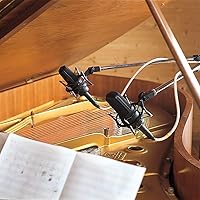
Acoustic guitar, upright piano, orchestral strings, and room-miked drum overheads all respond well to the wide frequency capture and low self-noise. Engineers tracking acoustic instruments frequently note that the mic captures overtones and natural resonance accurately, with minimal phase artifacts even in multi-mic setups.
The mic picks up room imperfections with the same precision it applies to the instrument itself. Tracking acoustic sources in rooms without proper dampening can produce takes where the space becomes as audible as the source — a frustration that surfaces repeatedly in buyer feedback from home studio users.
Preamp Compatibility
84%
With a 100-ohm output impedance, the AT4050 pairs cleanly with a wide range of preamps from mid-range audio interfaces to high-end outboard gear, without significant loading issues or tonal shifts. Engineers who have run it through varied hardware setups describe it as consistently neutral across different preamp brands.
The mic's performance is directly proportional to preamp quality — it will expose a mediocre preamp as readily as it exposes a poor acoustic environment. Buyers pairing this studio mic with entry-level interface preamps may not hear it perform anywhere near its actual capability and may draw false conclusions.
Included Accessories
83%
The AT8449 shock mount ships with the mic and earns consistent praise from buyers who describe it as solidly built — it isolates stand vibration effectively and holds the mic's weight without sagging during longer sessions. The hard-shell carrying case adds practical value for anyone moving the mic between rooms or locations.
The package does not include an XLR cable, a pop filter, or any form of acoustic isolation shield — items most buyers will need to purchase separately. For a premium-priced microphone, some users feel a more complete bundle would make the purchase feel immediately ready to use out of the box.
Ease of Setup
61%
39%
Once the signal chain is properly configured — interface, phantom power, and cables all sorted — the AT4050 is straightforward to position and use. The included shock mount attaches securely, and the polar pattern toggle is clearly labeled on the body, requiring no manual to operate.
This mic is decidedly not plug-and-play. It requires XLR connectivity, 48V phantom power, and a separate audio interface before anything functions — a setup barrier that catches first-time buyers off guard. There is no USB mode, no companion app, and no shortcut for buyers new to professional signal chains.
Warranty & Support
85%
A five-year limited warranty is one of the more generous coverage periods in this product category, and Audio-Technica U.S. has a solid reputation among engineers for honoring claims without excessive friction. Buyers who register promptly and retain proof of purchase generally report straightforward warranty experiences.
The warranty covers manufacturer defects only — not physical damage, moisture exposure, or wear from regular handling. For a mic that lives on a boom stand and gets moved across sessions, the gap between what is covered and what can realistically go wrong is worth factoring into the long-term cost.

Suitable for:

The Audio-Technica AT4050 Multi-Pattern Condenser Microphone is built for recording professionals and serious home studio owners who have already invested in a proper signal chain — meaning a quality audio interface, a capable preamp, and at least some degree of acoustic treatment in their space. Vocalists who prioritize accuracy and tonal transparency over artificially flattering coloration will find this studio mic hits the mark consistently. Broadcasters and podcasters working in treated rooms will appreciate how cleanly it captures voice without adding unwanted character. Recording engineers who regularly track acoustic instruments — guitar, piano, strings, percussion — will get real mileage out of the low self-noise and the ability to switch polar patterns depending on the session. Producers who need a single mic capable of handling mid-side stereo recording or figure-of-eight room capture will find the pattern flexibility genuinely practical rather than a novelty. If you already know how to use a large-diaphragm condenser and want one that holds its own in professional contexts, this is a strong long-term investment.
Not suitable for:

The Audio-Technica AT4050 Multi-Pattern Condenser Microphone is not the right choice for anyone just starting out or recording in an untreated bedroom without acoustic panels or sound dampening. This is a highly sensitive microphone — it will pick up HVAC hum, street noise, parallel reflections, and every imperfection your room has to offer, which can be a frustrating surprise for first-time owners expecting studio results straight out of the box. It also requires a dedicated XLR audio interface with 48V phantom power; there is absolutely no USB connectivity, so plug-and-play setups are not an option here. Vocalists who prefer a mic with a pronounced presence peak or a colored, flattering sound signature may find this studio mic too neutral for their taste — it does not add the lift that some competing large-diaphragm condensers are known for. Budget-conscious buyers who do not yet own an audio interface should factor in that additional cost, as the total investment rises meaningfully before you record a single note. If your current setup is not ready for a professional condenser, the AT4050 will expose those gaps rather than paper over them.
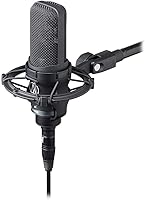
Specifications

  • Polar Patterns: Three switchable polar patterns are available — omni, cardioid, and figure-of-eight — selectable via a dedicated switch on the microphone body.
  • Capsule Type: Dual large-diaphragm capsule design uses vapor-deposited gold elements to deliver consistent tonal character and long-term acoustic stability.
  • Diaphragm Thickness: Each gold diaphragm measures 2 microns thick, supporting high sensitivity and accurate reproduction of fast transient sources.
  • Connectivity: Connects via a standard XLR output and requires 48V phantom power supplied by an audio interface or dedicated preamp.
  • Signal-to-Noise: Signal-to-noise ratio is rated at 77 dB, allowing clean capture of quiet acoustic sources with very low self-noise contribution.
  • Output Impedance: Output impedance of 100 ohms ensures broad compatibility with professional preamps and audio interfaces across different price ranges.
  • Frequency Response: Covers a full frequency range of 20Hz to 20,000Hz, reproducing the complete audible spectrum from sub-bass fundamentals to upper-air detail.
  • Circuit Design: Transformerless internal circuitry minimizes low-frequency distortion and sharpens the accuracy of transient capture compared to transformer-based designs.
  • Weight: The microphone body weighs 3.4 pounds, requiring a sturdy boom stand or arm with a sufficient weight rating for secure positioning.
  • Dimensions: Body measures 9.8 x 11 x 4.5 inches in a side-address form factor standard for large-diaphragm studio condensers.
  • Aging Process: Diaphragms undergo a five-step proprietary aging process at the factory to stabilize their characteristics before the microphone ever reaches a user.
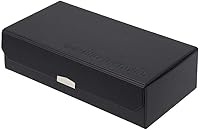
  • In the Box: Includes the microphone body, an AT8449 shock mount, and a hard-shell protective carrying case for storage and transport.
  • Warranty: Covered by a 5-year limited warranty from Audio-Technica U.S. against manufacturer defects under normal operating conditions.
  • Body Material: Microphone housing is constructed from nickel, providing a durable, resonance-resistant shell suited to long-term studio use.
  • Color: Finished in matte black, which keeps visible light reflections minimal in both studio and live recording environments.

Related Reviews

Audio-Technica AT2050
79%
88%
Sound Quality & Clarity
92%
Versatility & Polar Patterns
86%
Build Quality & Durability
83%
Value for Money
68%
Background Noise Rejection
More
Aston Microphones Spirit Large-Diaphragm Condenser Microphone
85%
93%
Sound Quality
96%
Build Quality
89%
Polar Pattern Versatility
88%
Built-in Pop Filter
84%
Value for Money
More
Audio-Technica AT875R
83%
93%
Sound Rejection
94%
Form Factor & Compactness
88%
Vocal Clarity
82%
Handling Noise Reduction
86%
Build Quality & Durability
More
Audio-Technica AT4041 Cardioid Condenser Microphone
81%
93%
Sound Accuracy
91%
Transient Response
94%
Unit Consistency
34%
Accessories & Packaging
78%
Value for Money
More
Audio-Technica ATR6550X Condenser Shotgun Microphone
72%
81%
Audio Clarity
78%
Directionality Control
67%
Build Quality
91%
Ease of Setup
83%
Value for Money
More
Audio-Technica ATM710 Cardioid Condenser Microphone
78%
86%
Vocal Clarity & Detail
74%
Stage Performance
83%
Build Quality
84%
Handling Noise Rejection
81%
Plosive & Sibilance Control
More
Audio-Technica AT4053B Hypercardioid Condenser Microphone
77%
89%
Sound Quality
93%
Off-Axis Rejection
86%
Build Quality
72%
Value for Money
57%
Ease of Setup
More
AKG P420 Multi-Pattern Condenser Microphone
85%
88%
Sound Clarity
93%
Polar Pattern Versatility
86%
Build Quality
91%
Value for Money
82%
Noise Floor Performance
More
Audio-Technica AT2035
87%
91%
Audio Transparency
88%
Build Durability
86%
Self-Noise Levels
93%
High SPL Handling
74%
Environmental Isolation
More
Audio-Technica AT4022 Omnidirectional Condenser Microphone
82%
93%
Sound Accuracy
89%
Build Quality
91%
Noise Floor
78%
Polar Pattern Utility
84%
Compatibility
More

FAQ

You absolutely need an audio interface — or at minimum a standalone preamp with phantom power. This mic uses an XLR connection and requires 48V phantom power to operate, so there is no direct-to-computer USB option. Budget at least for a basic audio interface before adding this mic to your setup.

It can be, but your room matters as much as the mic itself. In a treated space with even basic acoustic panels, this studio mic produces results that hold up in professional contexts. In an untreated room, its high sensitivity will expose every echo, hum, and background noise without mercy. If your space is not ready, the mic will make that obvious.

Cardioid is the standard choice for solo vocal recording — it picks up what is directly in front and rejects sound from behind, which is ideal for most studio setups. Figure-of-eight works well if you have two performers facing each other across a single mic. Omni is useful when you want to capture the natural character of the room itself.

Not by design. The AT4050 is built for transparency, meaning it tries to reproduce exactly what is in front of it without adding a flattering presence boost or artificial warmth. Vocalists who love that hyped, airy top-end shimmer from certain other condensers may find this one too honest. Engineers who prefer to shape tone themselves through EQ generally appreciate that neutrality.

Most quality boom stands handle the 3.4-pound weight without issue, but lightweight or budget desk stands may tip or drift with the arm extended. Check the weight rating of your stand before mounting. A counterweighted boom arm is ideal for long recording sessions where repositioning is frequent.

Technically yes, but results will likely disappoint. This large-diaphragm condenser picks up room noise, reflections, and ambient hum that a cardioid dynamic mic would naturally reject. For untreated home setups, a dynamic mic is often the more practical choice. In a treated space, the jump in voice clarity is immediately noticeable.

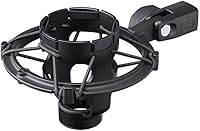
The AT8449 shock mount suspends the mic in an elastic cradle that physically decouples it from vibrations traveling through the stand — things like footsteps, desk bumps, or low-frequency rumble. Users consistently describe it as solidly built and functional, which is not something you can say about all included accessories in this category.

Not as a true stereo pair — that still requires two microphones. However, the figure-of-eight pattern makes it a solid choice as the side mic in a mid-side stereo setup when paired with a second cardioid microphone. Some producers specifically choose the AT4050 for M-S work because of how cleanly its figure-of-eight pattern performs off-axis.

You do not need anything exotic. With 100-ohm output impedance and strong signal-to-noise specs, this studio mic pairs well with most clean, neutral preamps — including those built into mid-range audio interfaces. The key is avoiding noisy or underpowered preamps, which will introduce a noise floor that undercuts the mic's low self-noise advantage.

Audio-Technica U.S. has a solid reputation for honoring warranty claims, and the 5-year limited coverage is one of the more generous policies in this product category. Keep your proof of purchase and register the product after buying. Normal manufacturer defects are covered; damage from drops, moisture, or misuse is not, as is standard with most electronics warranties.

Where to Buy