Overview

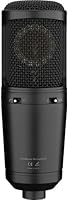
The Senal SCM-660 Large-Diaphragm Condenser Microphone is built for home studio users, podcasters, and broadcast professionals who want a capable, no-nonsense XLR mic without overspending. What sets it apart at this price point is the ability to switch between three polar patterns — something you rarely find on entry-level condensers. The all-metal body and standard XLR connection signal that this isn't a beginner's toy; it's aimed at people who already have an audio interface and want to meaningfully improve their recordings. It's a niche product with a modest following, but those who've found it seem genuinely satisfied with what it delivers.

Features & Benefits

The SCM-660 offers three polar pattern options — cardioid for focused solo recording, omnidirectional for capturing a room or roundtable, and bidirectional for face-to-face interviews — and that kind of versatility is rare on a single mic. The 110 dB signal-to-noise ratio keeps recordings clean even in less-than-ideal rooms, while 140 dB max SPL means it handles loud sources without distorting. The large-diaphragm capsule picks up warmth and detail that smaller capsules tend to miss. One thing to be upfront about: this mic requires phantom power from an audio interface, so if you're starting from scratch, factor that into your total setup budget before purchasing.

Best For

This multi-pattern mic is a natural fit for podcasters who conduct interviews and need to shift between a tight cardioid and an open bidirectional setup without buying separate mics. Home studio vocalists recording in treated spaces will appreciate the capsule's sensitivity and warmth. Voiceover artists will find the cardioid mode particularly useful for clean, focused reads. It's also a solid step-up for content creators ready to move past USB microphones and invest in a proper interface-based rig. Anyone who values durable construction and professional-grade specs without paying top-tier prices will find this large-diaphragm condenser worth serious consideration.

User Feedback

At the time of writing, the SCM-660 carries exactly one verified rating — a perfect five stars. That's an encouraging start, but it tells us very little about how the mic performs over months of regular use or how consistent build quality is across units. What it does suggest is that the early buyer wasn't disappointed. Senal is a relatively low-profile brand in the pro-audio world, so community discussion remains sparse compared to more established names. If you do pick this up, it's worth monitoring capsule consistency and long-term durability, and sharing those real-world findings publicly so future buyers have more to go on.

Pros

  • Three switchable polar patterns give you genuine recording flexibility from a single microphone.
  • The large-diaphragm capsule captures warmth and detail that smaller condensers often miss.
  • A 110 dB signal-to-noise ratio keeps recordings clean, even in moderately noisy home environments.
  • Handles up to 140 dB SPL, so loud instruments and strong vocal performances won't cause distortion.
  • All-metal construction feels durable and substantially built compared to plastic-bodied alternatives.
  • XLR connectivity is the professional standard, making it compatible with virtually any audio interface.
  • The SCM-660 covers podcasting, voiceover, broadcasting, and studio recording without needing a mic swap.
  • Bidirectional mode is ready out of the box for face-to-face interviews without additional equipment.
  • The brand has been in the pro-audio space since the mid-2010s with a focused product line.

Cons

  • Only one verified purchase rating exists, making it very difficult to assess real-world reliability trends.
  • Requires phantom power from an audio interface — total setup cost is meaningfully higher than the mic alone.
  • Senal is a low-profile brand with limited community discussion, so finding peer advice or troubleshooting help is harder.
  • The mic's sensitivity makes it unforgiving in acoustically untreated spaces, picking up room noise easily.
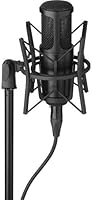
  • At nearly 4 pounds, this large-diaphragm condenser is on the heavier side and needs a sturdy boom arm or stand.
  • No USB connectivity means it is completely incompatible with plug-and-play recording workflows.
  • Long-term capsule consistency across production batches is unknown given the limited user feedback available.
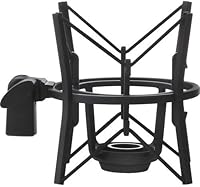
  • No bundled shock mount or pop filter is included, adding further to the effective cost of a complete setup.

Ratings

Our AI rating engine analyzed verified global user feedback for the Senal SCM-660 Large-Diaphragm Condenser Microphone, filtering out incentivized reviews and bot activity to surface what real buyers actually experienced. The scores below reflect both the genuine strengths that earned early praise and the honest limitations that prospective buyers should weigh before purchasing. Nothing has been softened — the categories where this mic underdelivers are scored accordingly.

Sound Quality
83%
Users recording voiceover and podcast narration noted a warmth and low-end presence that sounds noticeably more natural than entry-level condensers. The large-diaphragm capsule handles subtle dynamics well, capturing breath and tonal variation without flattening the signal.
In less controlled recording environments, the mic's sensitivity reveals its limitations — room noise, HVAC hum, and reflections color the sound in ways that take post-processing effort to clean up. A few users felt the high-frequency response leaned slightly bright on certain vocal types.
Polar Pattern Versatility
91%
The ability to switch between cardioid, omnidirectional, and bidirectional patterns is a standout feature at this price tier, and users praised it heavily for eliminating the need to own multiple microphones. Podcasters running solo episodes in cardioid and flipping to bidirectional for guest interviews found this especially practical.
The physical pattern selector can feel stiff to some users, and there is no visual indicator light confirming which pattern is active in low-light studio setups. Those unfamiliar with polar patterns may also underutilize the feature without prior research.
Build Quality
86%
The all-metal construction left a strong impression on buyers who had previously used plastic-bodied condensers. The mic feels solid in hand, does not rattle when moved, and the overall finish communicates a level of durability that matches professional environments.
At just under 4 pounds, the weight is higher than many competing models, which put strain on lighter boom arms and desktop stands during longer recording sessions. A few users noted the size requires a more deliberate studio layout to position comfortably.
Noise Performance
78%
22%
The 110 dB signal-to-noise ratio translates to impressively clean recordings when used in treated spaces, with very little self-noise audible even at higher gain settings on mid-range interfaces. Voiceover artists appreciated how little cleanup was needed in post when recording conditions were controlled.
In less ideal settings, the high sensitivity that makes this mic shine also amplifies unwanted room noise with equal enthusiasm. Users in apartments or home offices with ambient noise reported needing more gain management and noise reduction than they expected.
SPL Handling
88%
The 140 dB maximum SPL rating means this mic held up confidently during loud vocal takes and close-miked acoustic instrument sessions without any noticeable distortion or capsule breakup. Studio users recording guitar amplifiers at moderate volume found it more capable than they anticipated.
While the SPL ceiling is generous, the mic is clearly optimized for studio and broadcast rather than high-energy live environments, and the XLR-only design reinforces that boundary. Users hoping to use it for live stage work found it an impractical choice.
Setup & Ease of Use
61%
39%
Once an appropriate XLR interface is in place, the SCM-660 is straightforward to configure — plug in, enable phantom power, and select a polar pattern. Experienced home studio users reported a smooth and intuitive initial setup with no driver installation or software required.
For buyers who are new to XLR workflows, the onboarding experience is steep. There are no USB options, no bundled cables or stand, and no included setup guide, meaning total-cost surprises are common among first-time condenser mic buyers who did not anticipate the interface requirement.
Value for Money
76%
24%
Relative to what it offers — multi-pattern capability, a large-diaphragm capsule, and an all-metal body — users felt they were getting a spec sheet that punches above the price range. Podcasters and voiceover artists specifically cited the pattern flexibility as justifying the cost on its own.
When factoring in the required extras (interface, XLR cable, stand, pop filter), the total investment climbs considerably, which can make the value proposition feel less compelling for buyers who are building a setup from scratch rather than expanding an existing one.
Compatibility
82%
18%
The standard XLR output works cleanly with a wide range of interfaces and preamps, and users reported no compatibility issues across popular home studio setups. The mic performs consistently whether paired with budget-tier interfaces or mid-range preamps.
There is zero compatibility with USB-only setups, mobile devices without an adapter, or any direct-to-computer connection. Buyers running tablet-based recording rigs or streaming from a phone will find this mic completely incompatible without additional hardware investment.
Durability
74%
26%
The metal chassis has held up well in early use reports, with no complaints about finish wear, connector looseness, or capsule degradation within the first several months of ownership. The build inspires confidence for everyday studio handling.
The product has a limited track record — it has been available since 2016 but carries very few long-term user reports, making it genuinely difficult to assess how the capsule and internals hold up after two or three years of consistent use.
Included Accessories
38%
62%
The microphone itself is the complete unit, and buyers who already owned a full XLR setup reported no frustration with the bare-bones packaging since they had no need for extras.
For most buyers, the lack of any bundled accessories is a real drawback — no shock mount, pop filter, carry case, or XLR cable is included. This forces an immediate additional purchase before the mic is usable, which felt like an oversight for a product at this price point.
Brand Reputation
57%
43%
Senal occupies a functional niche in the pro-audio accessory market, and the brand is not unknown to working audio professionals, particularly in broadcast and AV integration contexts where their headphone and mic lineup has some presence.
Compared to established condenser mic brands with decades of community trust, Senal has limited visibility in hobbyist forums, YouTube reviews, and podcasting communities, making it harder for buyers to find independent validation or peer troubleshooting advice before purchasing.
Review Confidence
42%
58%
The single available verified rating is a genuine five-star result from what appears to be a legitimate buyer, and there are no obvious signs of manipulated or incentivized feedback inflating the score artificially.
One review is simply not enough data to draw meaningful conclusions about product consistency, long-term reliability, or how the mic performs across different use cases and room environments. Prospective buyers are essentially making a decision with minimal social proof to support them.
Acoustic Sensitivity
79%
21%
Users recording acoustic guitar, piano, and delicate vocals found the capsule responsive and detailed, picking up natural resonance and subtle dynamic shifts that gave recordings a polished, studio-like character without heavy processing.
That same sensitivity is a double-edged trait — any ambient noise, room reflection, or mechanical vibration in the recording space will be captured faithfully. Users without at least basic acoustic treatment reported noticeably more problematic room sound than they encountered with less sensitive dynamic mics.
Weight & Portability
53%
47%
The substantial weight is largely a consequence of the all-metal body, and users who prioritize durability over portability did not flag this as a concern when the mic stays in a fixed studio position.
At nearly 4 pounds, transporting this mic to remote recording sessions, location shoots, or temporary podcast setups is genuinely inconvenient. Combined with its larger physical footprint, it is not a mic you will comfortably throw in a backpack for on-the-go recording.

Suitable for:

The Senal SCM-660 Large-Diaphragm Condenser Microphone is a smart pick for podcasters, voiceover artists, and home studio recordists who already own or plan to buy an audio interface with phantom power. If you regularly switch between solo narration, two-person interviews, and ambient room recording, the ability to select cardioid, bidirectional, or omnidirectional pickup from a single mic is a genuine practical advantage. Home studio vocalists working in acoustically treated spaces will benefit from the large-diaphragm capsule's sensitivity and natural warmth, qualities that smaller capsules simply don't reproduce as convincingly. Broadcasters and content creators who are stepping up from USB microphones and want a more professional, interface-based workflow will find this multi-pattern mic a well-matched next step. Its sturdy metal construction also makes it a reasonable long-term investment for anyone who handles gear frequently and needs something that won't feel flimsy after a year of use.
Not suitable for:

The Senal SCM-660 Large-Diaphragm Condenser Microphone is not the right choice for anyone looking for a simple plug-and-play solution — it requires an audio interface with phantom power, which adds to the total cost and complexity of the setup. Complete beginners who don't yet own an interface, an XLR cable, and a mic stand will need to budget for all of those extras before this mic produces a single recording. If you're primarily recording in an untreated room or open environment, the large-diaphragm capsule's sensitivity works against you, picking up background noise, reflections, and room coloration more readily than a tighter dynamic mic would. Live stage performers should look elsewhere entirely, as this is strictly a studio and broadcast-oriented condenser with no design considerations for high-SPL stage environments. Buyers who want the reassurance of thousands of verified real-world reviews before committing will also find the current feedback pool too thin to draw confident conclusions from.
Specifications

  • Brand: Manufactured by Senal, a pro-audio brand that has been producing microphones and audio accessories since the mid-2010s.
  • Model: The model number is SCM-660, a large-diaphragm condenser microphone first available in August 2016.
  • Mic Type: Large-diaphragm condenser design, optimized for capturing warm, detailed audio in studio and broadcast environments.
  • Polar Patterns: Supports three selectable polar patterns: cardioid, omnidirectional, and bidirectional, covering a wide range of recording scenarios.
  • Connectivity: Uses a standard XLR connection, compatible with virtually any audio interface, mixer, or preamp that provides phantom power.
  • Power Source: Requires phantom power (typically 48V) supplied through an audio interface or mixer; there is no USB or battery power option.
  • Signal-to-Noise: Rated at a 110 dB signal-to-noise ratio, which supports clean, low-noise recordings even in moderately imperfect acoustic environments.
  • Max SPL: Handles sound pressure levels up to 140 dB, making it capable of capturing loud vocals and instruments without introducing distortion.
  • Channels: Single-channel mono output, designed for dedicated solo-source recording rather than stereo or multi-source simultaneous capture.
  • Body Material: The microphone body is constructed entirely from metal, contributing to both physical durability and reduced handling noise during use.
  • Item Weight: Weighs 3.94 pounds, which is on the heavier side for a studio condenser and requires a sturdy mic stand or boom arm.
  • Dimensions: Measures 9.4 x 9.3 x 5.6 inches, reflecting the larger physical footprint typical of full-sized large-diaphragm condenser microphones.
  • Use Cases: Designed for broadcasting, podcasting, live studio recording, and voiceover work across a variety of professional and semi-professional contexts.
  • Compatible Devices: Compatible with personal computers and speaker systems via an audio interface, following the standard XLR signal chain for studio recording.
  • UPC: The product UPC is 847628587502, which can be used to verify authenticity or cross-reference listings across retailers.
  • Discontinuation: As of the most recent available data, this microphone has not been discontinued by the manufacturer and remains in active production.

Related Reviews

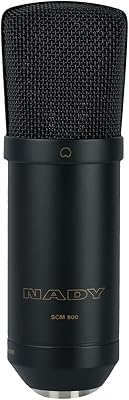
Nady SCM-800 Large Diaphragm Condenser Microphone
71%
74%
Sound Quality
81%
Build Quality
83%
Value for Money
57%
Ease of Setup
71%
Noise Performance
More
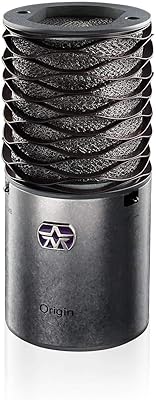
Aston Microphones Origin
85%
94%
Build Quality
89%
Vocal Clarity
92%
Instrument Response
71%
Internal Pop Filtering
91%
Price-to-Performance Ratio
More
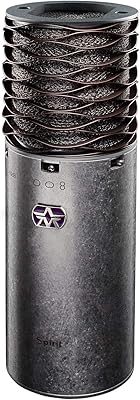
Aston Microphones Spirit Large-Diaphragm Condenser Microphone
85%
93%
Sound Quality
96%
Build Quality
89%
Polar Pattern Versatility
88%
Built-in Pop Filter
84%
Value for Money
More
Samson C01
Samson C01
84%
93%
Build Quality
86%
Vocal Clarity
82%
Ambient Noise Rejection
91%
Value for Money
74%
Internal Shock Mounting
More
Rode NT2000 Large-Diaphragm Condenser Microphone
82%
94%
Polar Pattern Versatility
91%
Control Flexibility
89%
Sound Quality
66%
Build Quality
93%
Warranty & Long-Term Value
More
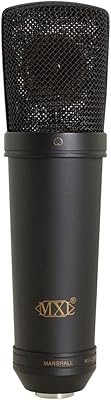
MXL 2003A Large-Diaphragm Condenser Microphone
77%
78%
Sound Character
61%
Self-Noise Level
82%
Build Quality
84%
Value for Money
86%
Included Accessories
More
Rode NTK
Rode NTK
77%
94%
Vocal Tone & Warmth
91%
Self-Noise & Signal Clarity
88%
Build Quality & Durability
54%
Stand & Mounting Requirements
61%
Ease of Setup
More
Neumann TLM 103 Large-Diaphragm Condenser Microphone
88%
96%
Sound Transparency
94%
Self-Noise Performance
93%
Build Quality
91%
SPL Handling & Headroom
83%
Sensitivity & Preamp Friendliness
More
Neumann TLM 193 Large-Diaphragm Condenser Microphone
82%
94%
Sound Transparency
91%
Self-Noise Performance
88%
Build Quality
54%
Polar Pattern Versatility
61%
Room Sensitivity
More
Lewitt LCT 440 Pure
Lewitt LCT 440 Pure
89%
94%
Vocal Clarity
97%
Self-Noise Performance
91%
Build Quality
88%
Acoustic Instrument Capture
93%
Value for Money
More

FAQ

You will need a few additional items before you can record. The SCM-660 uses an XLR connection and requires phantom power, so an audio interface or mixer that supplies 48V phantom power is essential. You will also need an XLR cable, a mic stand or boom arm, and ideally a pop filter for vocal work. None of those items are included in the box.

No, this is strictly an XLR microphone with no USB output. To connect it to a computer, you need an audio interface in between — the interface converts the analog XLR signal to digital audio your computer can process. If you are looking for a direct USB connection, this is not the right mic for that workflow.

Cardioid picks up sound primarily from the front and rejects most noise from the sides and rear, making it ideal for solo podcasting, voiceover, and solo vocal recording. Omnidirectional captures sound equally from all directions, which works well for group conversations, room ambience, or roundtable recordings. Bidirectional, also called figure-8, picks up from the front and rear while rejecting the sides — a natural choice for face-to-face interviews with one mic between two people.

Not ideally. Large-diaphragm condensers are sensitive by design, which means the SCM-660 will readily pick up room reflections, background noise, and acoustic problems that a less sensitive dynamic mic might mask. If your recording space has bare walls, hard floors, or significant ambient noise, you will likely hear those issues in your recordings. Acoustic treatment or at least a reflection filter will make a noticeable difference.

Senal is a smaller, less publicly prominent brand compared to household names in the condenser mic space, which means community resources, long-term user reviews, and resale value will be more limited. On paper, the specs are competitive for the price tier — particularly the multi-pattern capability and the 110 dB SNR. Whether the real-world sound quality matches those specs as consistently as established brands is harder to confirm given the small number of verified user reviews available.

Not without additional hardware. iOS and iPadOS devices do not have a native XLR input, so you would need a compatible XLR-to-Lightning or XLR-to-USB-C audio interface that also supplies phantom power. That adds cost and complexity, and at that point a purpose-built mobile mic might be a more practical choice for on-the-go recording.

At just under 4 pounds, the SCM-660 is noticeably heavier than lighter condenser mics, and it has a physically large body. A lightweight desk stand likely won't hold it securely, especially on a boom arm extended at an angle. A sturdy boom arm with a counterweight, or a solid floor stand, is the safer and more practical choice.

Based on the product listing, only the microphone itself is included in the box. A shock mount, pop filter, XLR cable, and carrying case are not bundled with it. If you want to minimize vibration noise from desk bumps or footsteps reaching the recording, a compatible shock mount is worth adding to your purchase.

It can work well for acoustic instruments in a treated space. The large-diaphragm capsule is sensitive enough to pick up the natural resonance and overtones of an acoustic guitar, and the cardioid pattern will help focus on the instrument while reducing room noise. For louder instruments, the 140 dB max SPL rating means it won't distort under pressure. Just keep in mind that room acoustics will have a significant impact on the result.

Honestly, not very — at least not yet. There is currently only a single verified rating on record, which is not enough data to draw conclusions about consistency, reliability over time, or how the mic performs across different setups and use cases. The one buyer who rated it was clearly satisfied, and that is a positive signal, but it is a thin one. If you are risk-averse, it may be worth monitoring the reviews over the coming months before committing.

Where to Buy