Overview

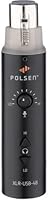
The Polsen XLR-USB-48 XLR to USB Audio Interface is a compact, no-frills adapter built for anyone who wants to plug a professional XLR microphone directly into a computer without buying a full mixer or preamp. It's plug-and-play on Windows — no driver installation required — which keeps the setup process short and painless. One thing worth flagging early: Windows-only compatibility is listed, so Mac users should look elsewhere before buying. The unit includes selectable 48V phantom power, which is the voltage certain condenser microphones need to operate, and it ships with a USB cable and a one-year limited warranty.
Features & Benefits

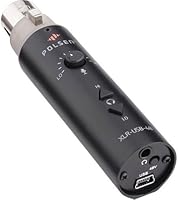
The 48V phantom power toggle is arguably the most practical feature here — it lets you power condenser microphones directly from the adapter without a separate preamp or power supply. The built-in 3.5mm headphone output with its own level control means you can monitor your audio in real time, which is genuinely useful during recording. At just 1.6 ounces and barely under an inch on each side, this XLR-to-USB adapter is small enough to toss in a bag without a second thought. Two channels offer some basic flexibility, and the included USB cable means you can get started the moment it arrives.

Best For

This compact audio interface makes the most sense for first-time XLR mic users who are stepping up from a USB microphone but aren't ready to invest in a full audio interface setup. Podcasters and streamers running solo shows will appreciate its straightforward connection approach — plug in, hit record, done. Voice-over artists who record sporadically and don't want a large piece of gear taking up desk space will also find it practical. If you already own a condenser microphone and just need phantom power on a budget, this adapter covers that specific need without overcomplicating things. It also doubles as a portable backup option for travel.

User Feedback

With 34 ratings and a 3.5-star average, buyer sentiment on the Polsen interface is decidedly mixed — and with a sample size that small, it's worth tempering expectations about any firm consensus. On the positive side, users tend to appreciate ease of setup and how little space it takes up. The friction comes from audio quality concerns and questions around build durability, which are common pain points at this price tier. Some buyers expecting cleaner preamp performance report disappointment. It's also worth repeating: this is a Windows-only device, and that limitation alone rules it out for a significant portion of potential buyers. Approach it as a functional starter tool, not a long-term solution.

Pros

  • Plug-and-play setup on Windows means you can be recording within minutes of unboxing.
  • Selectable 48V phantom power lets you run condenser microphones without any extra hardware.
  • At 1.6 ounces, this XLR-to-USB adapter is light enough to forget it is in your bag.
  • A USB cable is included, so there are no surprise accessory purchases on day one.
  • The built-in 3.5mm headphone output lets you monitor your audio while recording.
  • Headphone volume control is a small but genuinely useful addition for real-time adjustments.
  • One-year limited warranty provides basic peace of mind for a budget-tier device.
  • Near-zero learning curve makes it approachable for people with no audio engineering background.
  • Compact dimensions mean it takes up virtually no desk space in a small home studio setup.

Cons

  • Windows-only compatibility immediately disqualifies this adapter for Mac users.
  • Audio quality has drawn criticism, and the 3.5-star average reflects real buyer dissatisfaction.
  • Build durability concerns appear in user feedback, raising questions about long-term reliability.
  • Only one XLR input limits you to single-microphone setups with no room to expand.
  • Preamp performance is not strong enough for buyers who need clean, professional-grade gain.
  • With only 34 ratings total, there is not enough data to confidently call the consensus reliable.
  • No mention of Linux compatibility, leaving a segment of users without a clear answer.
  • Buyers who outgrow basic recording needs will likely need to replace it sooner than expected.
  • Lack of dedicated gain control on the XLR input reduces flexibility during recording sessions.

Ratings

Our AI-generated scores for the Polsen XLR-USB-48 XLR to USB Audio Interface are based on a thorough analysis of verified buyer reviews from around the world, with spam, bot-generated, and incentivized feedback actively filtered out to ensure accuracy. The ratings below reflect a transparent picture of where this compact audio interface genuinely delivers and where real users have run into frustration. Both strengths and shortcomings are represented honestly, so you can make a confident, informed decision.
Ease of Setup
86%
Users consistently praise how quickly this XLR-to-USB adapter gets them up and running on Windows — plug it in, open your recording software, and it appears as an audio device with zero driver hunting. For beginners who dread technical setup, that immediacy is a genuine relief.
The plug-and-play experience is Windows-specific, and buyers who attempted setup on Mac reported confusion and failure without any clear warning from the packaging. That oversight frustrates users who reasonably assumed broad OS compatibility.
Audio Quality
58%
42%
For basic voice recording — think podcast drafts, simple voice memos, or casual streaming — the Polsen interface captures intelligible, usable audio that is a clear step up from a built-in laptop microphone. Casual creators who are not mixing professionally find it acceptable.
Buyers with any intermediate recording experience note audible noise, weak gain, and a preamp that struggles to bring quieter microphones up to a clean signal level. For anyone recording in a production context where audio quality matters, this adapter falls noticeably short.
Build Quality
52%
48%
The extremely compact form factor is appreciated by users who want something unobtrusive on their desk or easy to drop into a laptop bag. Its small footprint means it does not compete for space with other gear in a cramped home studio setup.
Multiple buyers raise concerns about the feel and durability of the housing, describing it as lightweight in a way that inspires little confidence over time. A device that lives at the end of an XLR cable and a USB cable takes mechanical stress daily, and this one does not feel built to absorb it.
Value for Money
67%
33%
At its price point, this compact audio interface delivers on its single core promise — connecting an XLR mic to a computer — and includes a USB cable, which removes one small additional expense. For an absolute beginner with a very tight budget, the math works on day one.
Spend just a little more and you enter the territory of well-regarded entry-level interfaces from established audio brands that offer better preamp performance, sturdier builds, and Mac support. The value proposition weakens considerably the moment a buyer starts comparing alternatives side by side.
Phantom Power Performance
71%
29%
The selectable 48V phantom power toggle is one of the adapter's most functional features, allowing users to power condenser microphones without a separate supply or mixer. Content creators who own a condenser mic and just need it to work find this feature delivers on its promise.
There is limited user data on whether the phantom power output is clean and stable at 48V under real recording conditions, and some condenser microphones with higher sensitivity may expose noise in the power delivery. It works, but it is not held to the standard of a dedicated preamp.
Headphone Monitoring
63%
37%
Having a 3.5mm headphone output with a dedicated level knob is a practical addition that allows users to check their levels while recording without switching back to speakers. Podcasters who need to hear themselves during a recording session appreciate having that control on the unit itself.
Software-based monitoring latency is a common complaint at this hardware tier, and this adapter does not appear to offer true zero-latency direct monitoring. For users sensitive to hearing themselves with even a slight delay, that gap becomes distracting during longer recording sessions.
Portability
84%
Weighing just 1.6 ounces and barely exceeding three-quarters of an inch on any side, the Polsen interface is remarkably easy to carry. Users who record in multiple locations or need a backup unit for travel find its near-invisible footprint in a bag to be a practical advantage.
The compact size, while great for portability, also limits connection options and leaves little room for robust input or output controls. Users who need even modest flexibility in their recording chain will quickly feel constrained by what fits on a device this small.
Compatibility
41%
59%
On Windows, the adapter works with a wide range of recording software that supports standard USB audio devices, including popular free tools like Audacity and broadcast software like OBS. That breadth of Windows software compatibility is genuine.
The hard Windows-only restriction is a significant compatibility failure for a large segment of potential buyers. Mac users who purchase this without reading the fine print report it simply does not work, and there is no Linux support mentioned either, making the compatibility footprint narrower than most modern interfaces.
Microphone Versatility
69%
31%
The single XLR input supports both dynamic and condenser microphones, and the phantom power toggle means users are not locked into one microphone type. A hobbyist who switches between a dynamic and a condenser mic for different recording scenarios can do so with the same unit.
Only one microphone can be connected at a time, which rules out interview-style podcast setups, co-hosted shows, or any recording scenario requiring more than one input. Users who buy this hoping to expand into two-person recordings will need to replace it sooner than expected.
Noise Floor
54%
46%
For voice-over work in a quiet, treated room where the microphone being used is reasonably sensitive, the background noise level of this XLR-to-USB adapter is manageable enough that basic noise reduction in post-processing can clean up the final file.
In less controlled environments or with lower-output dynamic microphones that require high gain, the adapter introduces noticeable hiss and interference. Users recording in home environments with ambient electrical noise report that the noise floor becomes an active problem rather than a background nuisance.
Software Included
38%
62%
The plug-and-play nature means users can immediately open whatever recording software they already own or prefer without needing to learn a new bundled application or activate licenses. That flexibility suits buyers who already have a preferred DAW or recording tool.
No recording software is included in the box, which is a missed opportunity at any price point when competitors increasingly bundle entry-level software with their interfaces. First-time buyers who do not already have recording software installed face an additional step that is not addressed anywhere in the packaging.
In-Box Contents
72%
28%
Including a USB cable in the box is a small but meaningful detail that removes one potential barrier for first-time buyers who may not have the right cable on hand. It signals that the product is intended to be ready-to-use immediately upon unboxing.
Beyond the USB cable, nothing else of substance is included — no software, no XLR cable, and no carrying pouch or case for protection during travel. For a device marketed partly on portability, the absence of any protective accessory feels like a gap.
Warranty & Support
61%
39%
A one-year limited warranty is a baseline assurance that Polsen stands behind the product against manufacturing defects, which provides some peace of mind for budget-conscious buyers taking a chance on a lesser-known brand.
One year is a fairly short coverage window for an audio device, and user reports on after-sales support quality for Polsen are sparse. Buyers who experience issues outside the warranty period or who need responsive customer support may find the experience lacking compared to better-established audio brands.

Suitable for:

The Polsen XLR-USB-48 XLR to USB Audio Interface is a solid match for beginners who have just purchased their first XLR condenser microphone and need the simplest possible path to getting it working on a Windows PC. If you are a solo podcaster, occasional voice-over artist, or a streamer who records one track at a time and has no interest in learning a complex signal chain, this XLR-to-USB adapter removes almost every barrier between you and a working setup. It is especially practical for content creators who already own a condenser mic that requires phantom power but do not want to spend significantly more on a dedicated audio interface with features they will never use. The compact size and negligible weight also make it a reasonable choice as a backup or travel unit for anyone who needs a quick, portable recording solution on the road. For pure simplicity on a tight budget, it delivers on its core promise.
Not suitable for:

The Polsen XLR-USB-48 XLR to USB Audio Interface has meaningful limitations that will frustrate certain buyers from the start. Mac users need to stop here — the listed compatibility is Windows only, and that is not a minor caveat. Intermediate or advanced recordists who care about preamp quality, low noise floors, or clean gain staging will almost certainly find this compact audio interface lacking, as its hardware tier does not support that level of performance. Musicians wanting to record instruments alongside vocals, or anyone needing more than one XLR input, will quickly hit a hard ceiling. If you are producing content where audio quality is a professional differentiator — think broadcast journalism, commercial voice-over, or music production — the Polsen interface is not the tool for that job, and spending a bit more on a reputable mid-range interface would be a smarter long-term investment.
Specifications

  • Brand: Manufactured by Polsen, a brand focused on entry-level audio accessories for musicians and content creators.
  • Model Number: The exact model designation is XLR-USB-48, which also reflects its core function and phantom power voltage.
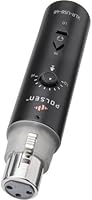
  • Connectivity: Connects to a host computer via USB, with a standard XLR female input on the opposite end for microphone connection.
  • XLR Inputs: The unit features one XLR input, supporting a single microphone connection at a time.
  • Phantom Power: Offers selectable 48V phantom power, which can be toggled on or off depending on whether your microphone requires it.
  • Headphone Output: Includes a 1/8″ (3.5mm) headphone jack for real-time audio monitoring during recording sessions.
  • Headphone Control: A dedicated level control knob allows users to adjust headphone output volume independently from the recording signal.
  • Channels: The device supports two channels, providing basic flexibility for simple stereo or dual-mono recording configurations.
  • Driver Requirement: Operates as a plug-and-play USB audio device on Windows, requiring no additional driver installation.
  • OS Compatibility: Officially compatible with Windows operating systems only; Mac compatibility is not listed or supported by the manufacturer.
  • Item Weight: The adapter weighs just 1.6 ounces, making it one of the lightest options in its category.
  • Dimensions: The unit measures 0.85 x 0.85 x 0.85 inches, giving it an exceptionally small, cube-like form factor.
  • Color: Available in black only, with a straightforward industrial finish typical of budget audio hardware.
  • In The Box: Each unit ships with the XLR-to-USB adapter and a USB cable; no additional accessories are included.
  • Warranty: Covered by a one-year limited warranty from Polsen against manufacturing defects.
  • User Rating: Holds an average rating of 3.5 out of 5 stars based on 34 ratings on Amazon as of the time of review.
  • Market Rank: Ranked #144,462 in Musical Instruments and #4,183 in Microphone Cables on Amazon, reflecting niche but active placement.
  • Release Date: First made available for purchase on August 29, 2016, placing it as an established if aging entry-level product.

Related Reviews
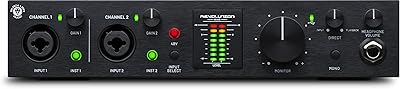
M-Audio M-Track 2X2 USB Audio Interface
76%
84%
Build Quality
76%
Preamp Performance
82%
Ease of Setup
58%
Driver Stability
79%
Value for Money
More
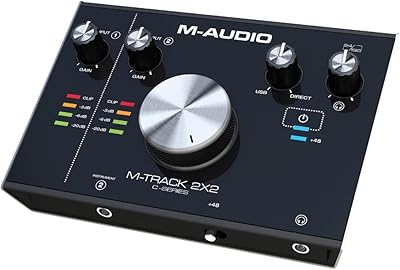
Black Lion Audio Revolution 2x2 Audio Interface
75%
88%
Preamp Quality
91%
Audio Transparency
86%
Clocking Performance
87%
Build Quality
73%
Value for Money
More
M-Audio M-Track Duo
M-Audio M-Track Duo
83%
88%
Preamp Clarity
93%
Value for Money
62%
Build Quality
91%
Ease of Installation
87%
Portability
More
Antelope Audio Zen Go Synergy Core Interface
76%
93%
Preamp Quality
88%
Onboard Effects
54%
Software Experience
57%
Windows Stability
91%
Portability
More
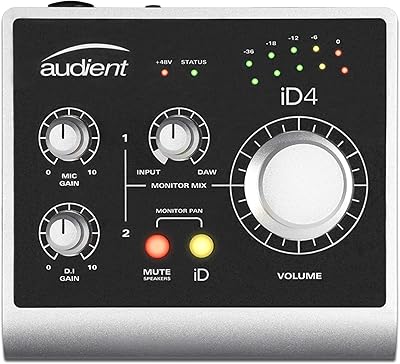
Audient iD4 USB Audio Interface
80%
93%
Preamp Quality
88%
Build Quality
71%
Value for Money
91%
Ease of Setup
84%
Headphone Performance
More
MOTU 8pre USB Audio Interface
80%
86%
Preamp Quality
91%
Build Quality
88%
Channel Count & I/O
79%
Value for Money
61%
CueMix DSP Software
More
Roland Rubix22 USB Audio Interface
81%
93%
Build Quality
84%
Preamp Performance
81%
Noise Floor
88%
MIDI Functionality
91%
Ease of Setup
More
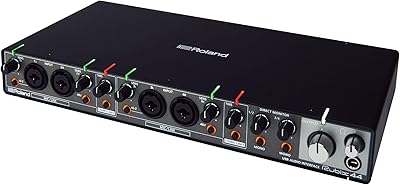
Roland Rubix44 4-In/4-Out USB Audio Interface
80%
91%
Preamp Quality
94%
Build Quality
88%
Noise Performance
58%
Windows Driver Experience
74%
Value for Money
More
MOTU M2
MOTU M2
92%
96%
Audio Conversion Quality
98%
Visual Monitoring
93%
Build Construction
91%
Driver Stability
94%
Loopback Functionality
More
Audient EVO 4
Audient EVO 4
89%
96%
Ease of Setup
92%
Preamplifier Clarity
89%
Software Loopback
94%
Portability & Form Factor
71%
Build Materials
More

FAQ

It is listed as Windows-only by the manufacturer, so Mac users should not assume compatibility. There is no official Mac support, and buying it hoping it will just work on macOS is a gamble not worth taking. If you are on a Mac, look for an interface that explicitly lists macOS compatibility.

Phantom power is a small electrical voltage, in this case 48V, that travels through the XLR cable to power certain types of microphones, specifically condenser mics. Dynamic microphones, like the Shure SM58, do not need it and are not harmed by it being on. If you own a condenser microphone, you almost certainly need phantom power, and this adapter provides it via a toggle switch.

No. Despite having two channels listed in the specs, the unit only has one physical XLR input, so you can only connect one microphone at a time. The two-channel spec likely refers to stereo USB audio output rather than two simultaneous mic inputs.

On Windows, no driver installation is needed. It is designed to be recognized automatically as a USB audio device when plugged in. Just connect it, open your recording software, select it as your input device, and you should be ready to go.

The adapter does include a 3.5mm headphone output with a level control, which allows you to monitor audio during recording. Whether you experience noticeable latency will depend on your recording software settings, but at this hardware tier some delay through software monitoring is common. For truly zero-latency monitoring, you would typically need a more advanced interface.

User feedback suggests the build quality is modest, which is consistent with what you would expect at this price point. It is a compact, lightweight plastic unit, not a rugged piece of studio gear. It should hold up fine for light, occasional use, but if you plan to use it daily or travel with it frequently, treat it with care.

It is compatible with any software that supports standard USB audio interfaces on Windows, which covers most popular options including Audacity, Adobe Audition, OBS, and similar applications. Proprietary or niche software that does not support generic USB audio devices may not recognize it, but that scenario is uncommon.

You can absolutely use it with a dynamic microphone. Dynamic mics do not require phantom power, so you would simply leave the 48V switch off and plug in your mic as normal. The adapter works as a straightforward XLR-to-USB bridge regardless of whether phantom power is engaged.

The product listing does not specify the exact length of the included USB cable. Given the compact adapter size, it is reasonable to assume a standard cable length is included, but if your computer is more than a few feet from your desk setup, you may want to have a longer USB cable on hand just in case.

For basic recording where audio quality is not critical, this compact audio interface gets the job done. However, spending modestly more on an entry-level dedicated interface from brands like Focusrite or PreSonus will typically get you noticeably better preamp quality, lower noise, more reliable build, and broader OS compatibility. If you plan to record seriously or grow your setup, the upgrade is usually worth it.

Where to Buy