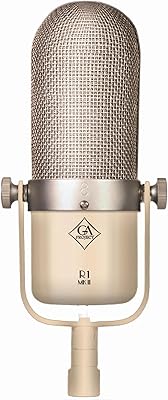
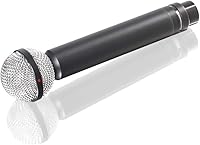
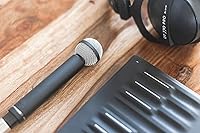
Beyerdynamic M160 Double Ribbon Microphone





Overview
The Beyerdynamic M160 Double Ribbon Microphone occupies a genuinely unusual corner of the mic world — most ribbon designs default to a figure-8 polar pattern, but beyerdynamic took a different path with a hypercardioid design. That decision, combined with the brand's decades of German engineering tradition, has earned this mic a loyal following among broadcast engineers and studio professionals since its debut in 2004. It's compact, feels reassuringly solid in hand, and produces a tone that is warm and organic in the way good ribbon mics always are — without the hyped brightness you often get from condensers. Make no mistake: this is a specialist microphone, built for those who already know what they need.
Features & Benefits
What sets the M160 apart technically starts with its double ribbon transducer. Two ribbon elements working together produce better output sensitivity and improved durability compared to a conventional single-ribbon design — a meaningful advantage for anyone who has ever babied a fragile ribbon mic through a session. The hypercardioid pattern handles off-axis rejection cleanly, without the rear-lobe bleed associated with figure-8 designs. Frequency response runs from 40 to 18,000 Hz — respectable for a ribbon, which traditionally rolls off earlier than condensers. The 76 dB signal-to-noise ratio is solid, but this beyerdynamic microphone is passive, so a high-gain preamp is not optional — it is essential. On the upside, no phantom power is required.
Best For
The M160 genuinely earns its reputation in a handful of specific scenarios. Studio vocalists and voice-over artists benefit from ribbon warmth without worrying about rear-lobe bleed — the hypercardioid pattern keeps the pickup focused. Overhead drum miking is another strong suit; the smooth transient response avoids the harsh, over-detailed top-end you sometimes get from small-diaphragm condensers in that position. Point it at a guitar amp and the controlled pickup pattern does a solid job isolating the cab without bleeding into neighboring sources. Broadcast and television crews also reach for this ribbon mic when they need a compact, natural-sounding option. If you already own a capable preamp, this is a compelling way to bring ribbon character into your recordings.
User Feedback
With only 23 ratings on Amazon, the feedback pool here is small — but the people who buy this ribbon mic tend to know what they are doing, and that shows in the quality of their comments. The dominant theme is a natural, unfussy sound that sits in a mix without demanding extensive EQ work. Durability comes up repeatedly too; buyers note the build feels unusually robust for a ribbon design. The honest caveat: several owners flag that an underpowered or noisy preamp will drag performance down noticeably. A few users also note it is better suited to controlled studio environments than live stages. The 4.4-out-of-5 average reflects genuine satisfaction among a knowledgeable audience — with clear-eyed caveats about preamp dependency.
Pros
- Produces a warm, natural tone that sits comfortably in a mix with minimal EQ work.
- The hypercardioid polar pattern rejects off-axis noise better than typical figure-8 ribbon designs.
- Double ribbon construction improves both output sensitivity and durability over single-ribbon alternatives.
- No phantom power required, making it safe and straightforward to integrate into almost any signal chain.
- Compact and genuinely solid build — unusually rugged for a ribbon microphone.
- Frequency response extends to 18,000 Hz, which is notably broad for a passive ribbon design.
- A strong fit for guitar amp miking, where its controlled pattern cleanly isolates the source.
- Comes with a carrying bag included, adding practical value for transport and storage.
- Ranked among the top ribbon microphones on Amazon, backed by a track record stretching back to 2004.
Cons
- Absolutely requires a high-gain, low-noise preamp — budget interfaces will expose the noise floor.
- Not well suited to live performance environments where physical handling or wind can stress the ribbon elements.
- Only 23 Amazon ratings available, so buyer consensus is limited compared to mainstream microphone options.
- Passive design means no built-in active electronics, making it more dependent on the quality of downstream gear.
- Not ideal for buyers who want a bright, detailed, condenser-style sound signature.
- The niche hypercardioid ribbon format means fewer reference recordings or tutorials exist for new users.
- Positioning and room acoustics matter significantly — it will not flatter a poorly treated recording space.
- Phantom power safety is better than most ribbons, but careless signal chain setup can still risk damage.
Ratings
The Beyerdynamic M160 Double Ribbon Microphone has been scored below by our AI system after analyzing verified buyer reviews from multiple global sources, with spam, incentivized, and bot-generated feedback actively filtered out. Scores reflect the honest consensus of real users — engineers, producers, voice-over artists, and broadcast professionals — weighted by review depth and verified purchase status. Both the genuine strengths and the friction points are represented transparently, so you can make an informed decision before buying.
Sound Character
Build Quality
Polar Pattern Performance
Preamp Dependency
Transient Response
Frequency Response
Ease of Use
Phantom Power Safety
Vocal Recording Performance
Value for Money
Durability Over Time
Studio Versatility
Size & Portability
Broadcast Suitability
Suitable for:
The Beyerdynamic M160 Double Ribbon Microphone is best matched to recording engineers, producers, and serious hobbyists who already have a capable signal chain and are looking to add genuine ribbon character to their toolkit. Studio vocalists and voice-over professionals in particular stand to gain a lot — the hypercardioid pattern delivers the warm, natural tone of a ribbon mic without the rear-lobe bleed that makes figure-8 designs awkward in untreated rooms. It also performs exceptionally well on guitar amplifiers, where its controlled pickup pattern isolates the source cleanly without picking up the room. Overhead drum recording is another natural fit, as the M160 handles transients smoothly and avoids the brittle high-end that condensers can introduce in that position. Broadcast engineers and television sound crews who need a compact, low-profile mic with a natural sound signature will find it a reliable workhorse in controlled environments.
Not suitable for:
The Beyerdynamic M160 Double Ribbon Microphone is not the right call for buyers who are just starting out or working with a basic audio interface and no dedicated preamp. As a passive ribbon design, the M160 demands a clean, high-gain preamp to perform at its best — pair it with something underpowered and you will hear the noise floor creep in. It is also not a live performance microphone; ribbon mics in general are more fragile than dynamics, and while the M160 is more robust than most, the stage is still a risky environment for it. Podcasters or home studio beginners who want a plug-and-play USB or XLR solution will find its requirements and learning curve frustrating rather than rewarding. If you are hunting for a bright, airy, or detailed condenser-style sound, this ribbon mic will likely disappoint — its warmth is a feature for some and a limitation for others.
Specifications
- Transducer Type: The M160 uses a double ribbon transducer, where two ribbon elements work together to improve output sensitivity and mechanical durability compared to traditional single-ribbon designs.
- Polar Pattern: Pickup is hypercardioid, providing a tight front-focused capture zone with strong rejection of sound arriving from the sides and rear.
- Frequency Response: The M160 covers a range of 40 Hz to 18,000 Hz, which is notably extended for a passive ribbon microphone.
- Signal-to-Noise Ratio: Rated at 76 dB, the signal-to-noise ratio is solid for a passive ribbon design, though it remains sensitive to the quality of the connected preamp.
- Connector: The microphone terminates in a standard 3-pin XLR connector, compatible with professional audio interfaces, mixers, and standalone mic preamps.
- Power Source: The M160 is a fully passive microphone requiring no phantom power to operate, though it is designed to tolerate accidental phantom power better than many ribbon designs.
- Dimensions: The microphone body measures 1.5 x 1.5 x 6.1 inches, making it compact enough to position in tight recording spaces or close to drum overhead positions.
- Weight: The M160 weighs 0.51 lbs (8.2 oz), light enough for flexible positioning without placing stress on mic stands or boom arms.
- Color: Available in a satin black finish that blends into most studio and broadcast environments without drawing visual attention.
- Channels: The M160 is a single-channel microphone, capturing one mono audio signal per unit.
- Included Items: Each unit ships with the microphone itself and a soft carrying bag for storage and transport.
- Manufacturer: Designed and manufactured by beyerdynamic, a German audio company with a long-standing reputation in professional studio and broadcast equipment.
- Model Number: The official model number for this microphone is AMS-M160, also referenced as BEYM160OB in some retail listings.
- Market Rank: As of available data, the M160 holds a position of approximately #35 in the Ribbon Microphones category on Amazon.
- Availability: The M160 has been commercially available since July 2004 and is confirmed as not discontinued by the manufacturer.
- Form Factor: The M160 is a standalone microphone only; no shock mount, stand adapter beyond standard threading, or additional mounting hardware is included in the box.
Related Reviews
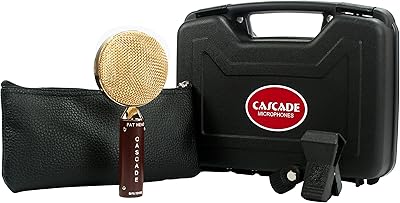
Cascade Microphones FAT HEAD Ribbon Microphone
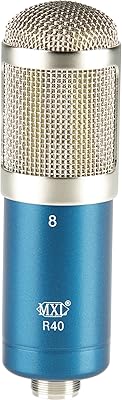
MXL R40 Ribbon Microphone
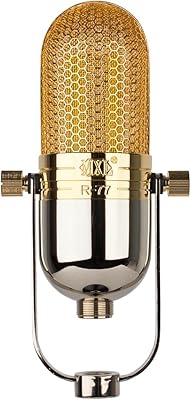
MXL R77 Ribbon Microphone
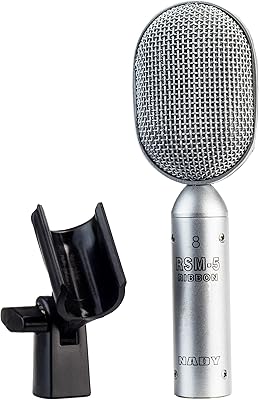
Nady RSM-5 Ribbon Microphone
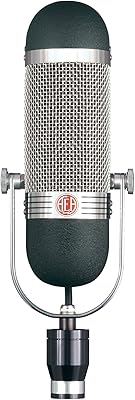
AEA R84 Passive Ribbon Microphone
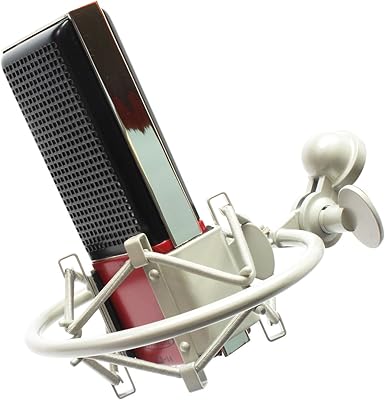
Avantone CR-14 Ribbon Microphone
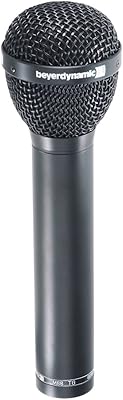
Beyerdynamic M88 TG Dynamic Microphone

Beyerdynamic M201 TG Dynamic Hypercardioid Microphone