Overview
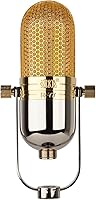
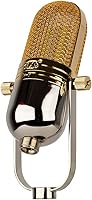
The MXL R77 Ribbon Microphone has been a quiet fixture in budget studio setups since 2001 — a lifespan that says something real about its staying power. Ribbon mics occupy their own category: warmer and smoother than condensers, less colored than most dynamics, with a natural high-frequency roll-off that works in your favor on harsh sources. This ribbon mic wears its heritage on its sleeve, literally — the chrome and gold finish is genuinely striking, more so in person than in photos. It targets home and project studio users who want that vintage ribbon character without spending a fortune on boutique alternatives.
Features & Benefits
The figure-8 polar pattern is one of the R77's most practically useful traits — it picks up sound from both front and back while naturally rejecting anything coming from the sides, making it ideal for mid-side setups or Blumlein stereo pairs. The ribbon capsule handles high-SPL sources like guitar cabs, brass, and percussion without flinching, and its inherent smoothness softens harshness before it even hits the preamp. The aluminum body measures 65mm x 180mm and connects via standard XLR. One important caveat: with a 1500 Ohm impedance and modest sensitivity, this MXL ribbon genuinely needs a clean, high-gain preamp to perform at its best.
Best For
This ribbon mic earns its keep most on sources where condensers tend to be too bright or aggressive. Electric guitar cabinet recording is where many engineers first reach for the R77 — it softens the fizz and bite that can make a guitar track fatiguing to listen to over a long session. Brass players and horn sections benefit from that same natural roll-off, keeping the tone present but never piercing. Vocalists or podcasters who find condenser mics too clinical will appreciate its warmer character. Engineers running mid-side or Blumlein setups can pair two of these at relatively modest cost, and that retro chrome body also photographs beautifully on camera.
User Feedback
Buyers recording guitar amps and horns tend to be the most satisfied with this MXL ribbon — the warmth it brings to those sources comes up consistently in positive reviews. The main friction point is preamp dependency: without a low-noise, high-gain front end, the output sounds thin, which catches some users off guard. A recurring concern involves ribbon fragility — unlike condensers, ribbon elements can be permanently damaged by phantom power or strong air blasts, and not everyone reads the manual before plugging in. The included yoke mount works fine in fixed desk setups but frustrates users on standard boom arms. Opinions on overall value remain genuinely split.
Pros
- Natural ribbon warmth tames harsh or bright guitar amp tones without heavy post-processing EQ.
- The figure-8 polar pattern opens up creative options like mid-side and Blumlein stereo recording techniques.
- Handles loud sources — guitar cabs, horns, percussion — without distortion or signal problems.
- Chrome and gold aluminum body feels solid and looks genuinely impressive on camera or in photos.
- Has remained a consistent product in the budget ribbon segment since 2001, which signals real staying power.
- Vocalists switching from bright condensers often find this MXL ribbon immediately more flattering on their voice.
- Compatible with standard XLR setups and works with most audio interfaces, consoles, and recording hardware.
- Brass and horn recordings benefit noticeably from the smooth transient response and natural high-end softening.
Cons
- Low output sensitivity means you need a quality high-gain, low-noise preamp — budget interfaces will struggle badly.
- Ribbon elements are physically fragile and can be permanently damaged by accidental phantom power or strong air blasts.
- The included yoke mount is functional but awkward on many standard boom arm setups commonly used in home studios.
- No built-in pop filter or shock mount means extra accessories are needed for vocal recording applications.
- The figure-8 polar pattern requires careful room treatment — bad acoustics will be captured just as clearly as the source.
- At this price tier, some buyers feel the overall build quality and output consistency fall short compared to pricier ribbon alternatives.
- Requires more setup knowledge than a plug-and-play condenser, making it a poor fit for beginners without audio engineering background.
- Natural high-frequency roll-off that helps on guitars and brass can make acoustic instruments like piano sound dull or lifeless.
Ratings
Our AI-generated scores for the MXL R77 Ribbon Microphone are derived from analysis of verified global buyer reviews, with spam, bot activity, and incentivized feedback actively filtered out to ensure accuracy. The ratings below reflect a balanced synthesis of both what users genuinely love and where real frustrations consistently emerge — nothing is glossed over. Strengths in sound character and design are scored alongside honest assessments of setup complexity and accessory limitations.
Sound Character
Preamp Compatibility
Build Quality
Polar Pattern Utility
Ease of Setup
Value for Money
Fragility & Durability
Mount & Positioning
Aesthetic Design
High-SPL Handling
Vocal Performance
Stereo Recording Potential
Longevity in Market
Suitable for:
The MXL R77 Ribbon Microphone is a strong fit for home and project studio engineers who already understand ribbon mic behavior and have a decent preamp to pair it with. Guitar players recording their own amplifiers will get immediate value from the natural warmth and high-frequency smoothing that ribbon capsules are known for — it takes the edge off fizzy or bright-sounding rigs without heavy EQ in post. Brass and horn players who have struggled with condenser harshness or sibilance should also take a serious look at the R77. Vocalists and podcasters who find most condenser mics too clinical or fatiguing will appreciate the laid-back, smooth character this MXL ribbon brings to voice work. Engineers interested in mid-side or Blumlein stereo recording can pick up two of these without a painful budget hit, which is harder to say about most ribbon options. The chrome and gold body is also a legitimate plus for video creators who care how their setup looks on camera.
Not suitable for:
The MXL R77 Ribbon Microphone is not a smart first microphone purchase for someone just starting out, and it is genuinely the wrong tool for several common recording scenarios. Anyone using a basic audio interface with modest preamp gain will likely be underwhelmed — the low output level and 1500 Ohm impedance demand a quiet, high-gain preamp to sound its best, and weak preamps will result in a thin, noisy signal that defeats the purpose of the mic entirely. Phantom power is a real concern here: if you are unfamiliar with ribbon mic care, accidentally engaging the 48V phantom power on your interface can permanently destroy the ribbon element, and there is no coming back from that. Live sound applications are also a poor match — the figure-8 pattern picks up too much room bleed for most stage setups, and the ribbon element is vulnerable to wind, plosives, and physical handling. Podcasters or streamers who need plug-and-play USB simplicity should look elsewhere entirely. If your main use case is recording detailed acoustic sources like piano or orchestral strings where high-frequency air and sparkle matter, the natural roll-off of this ribbon may leave recordings sounding dull.
Specifications
- Microphone Type: The R77 uses a ribbon transducer design, which produces a naturally warm and smooth frequency response compared to condenser or dynamic microphones.
- Polar Pattern: Bidirectional figure-8 pattern captures audio from the front and rear of the microphone while rejecting sound from the sides.
- Frequency Response: The microphone covers a frequency range up to 20 kHz, with a natural high-frequency roll-off typical of ribbon capsule designs.
- Signal-to-Noise Ratio: Rated at 78 dB, providing a reasonably clean signal when paired with a suitable low-noise preamplifier.
- Impedance: Output impedance is 1500 Ohm, which requires a preamp with sufficient input impedance and gain headroom for optimal performance.
- Connector: Standard 3-pin XLR output connector, compatible with virtually all professional audio interfaces, mixing consoles, and recording systems.
- Power Source: Passively powered through the signal chain — no phantom power required or desired, as applying phantom power can permanently damage the ribbon element.
- Body Material: Machined aluminum construction with a chrome and gold metal finish gives the mic a durable, visually distinctive appearance.
- Dimensions: The microphone body measures 65mm x 180mm (approximately 2.56 inches x 7.09 inches), a compact and manageable form factor for studio use.
- Weight: The R77 weighs 0.86 kg (1.89 lbs), which is substantial enough to feel premium but light enough for standard mic stands and boom arms.
- Mount Included: Ships with a traditional yoke-style mount that attaches to standard mic stand threading.
- Channels: Mono single-channel output — the mic captures one audio stream at a time through its XLR connection.
- Compatibility: Works with audio interfaces, standalone mixing consoles, hardware recording interfaces, and any XLR-equipped preamplifier.
- Manufacturer: Designed and distributed by Marshall Electronics under the MXL brand, a company known for producing accessible studio microphones.
- Availability: First listed in October 2001, making the R77 one of the longer-running budget ribbon microphone models currently still in production.
Related Reviews
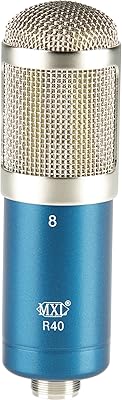
MXL R40 Ribbon Microphone
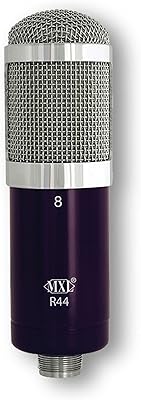
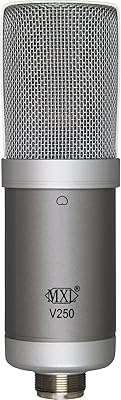
MXL V250 Condenser Microphone
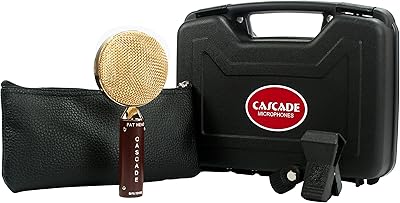
Cascade Microphones FAT HEAD Ribbon Microphone
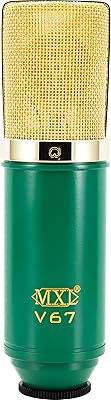
MXL V67G Large-diaphragm Condenser Microphone
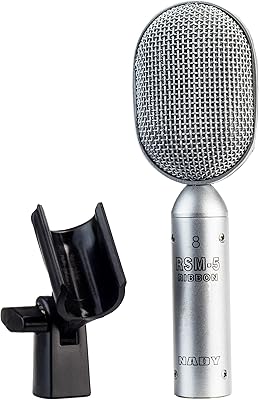
Nady RSM-5 Ribbon Microphone
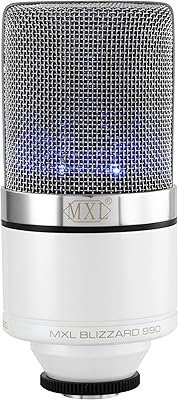
MXL 990 Blizzard Condenser Microphone
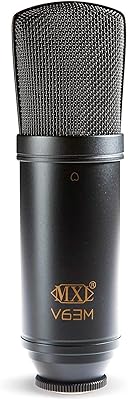
MXL V63M Condenser Studio Microphone

Beyerdynamic M160 Double Ribbon Microphone