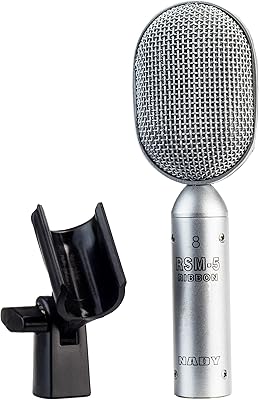
MXL R40 Ribbon Microphone
Overview
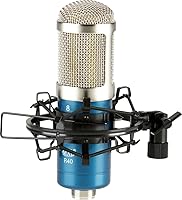
The MXL R40 Ribbon Microphone is MXL's push into affordable ribbon territory — a category long dominated by mics costing several times more. MXL has built a solid reputation delivering budget-to-mid-range microphones that punch above their weight, and the R40 follows that same philosophy. Unlike condenser mics that tend toward brightness and clinical detail, ribbon mics carry a naturally warm, rounded character that flatters vocals and instruments alike. The bidirectional figure-8 pattern is a core part of this design — not just a spec on a page — and it has real implications for how and where you position it. Expect smooth, vintage-flavored sound rather than razor-sharp accuracy.
Features & Benefits
The R40's onboard transformer is what gives it that classic ribbon warmth — it shapes the low end in a way that feels musical rather than artificially hyped. The bidirectional polar pattern captures audio from both the front and rear of the capsule, which opens creative recording possibilities but also means your room acoustics matter more than usual. With a 76 dB signal-to-noise ratio, it performs respectably in treated spaces, though it is not the mic to drop into a noisy room without acoustic treatment. One non-negotiable: this mic runs on XLR only and needs a preamp with serious gain. Phantom power must stay off — applying 48V can permanently destroy the ribbon element.
Best For
This ribbon mic is a natural fit for home studio vocalists who find condenser mics too bright or sibilant on their voice. It works especially well for podcasters doing face-to-face interviews — the figure-8 pattern picks up both speakers naturally, no complicated setup required. Acoustic instruments respond well to it too: guitar amps, brass, and strings all benefit from the way the R40 softens transients and rolls off harshness. That said, it is not a beginner's first mic. You need a preamp capable of delivering clean, high-gain amplification — something like a Cloudlifter or a capable studio interface — to get the best out of MXL's ribbon offering.
User Feedback
With only 9 ratings on Amazon, the sample size is too small to draw firm conclusions — but a 4.4 out of 5 average is an encouraging sign. Buyers tend to appreciate the warm vintage tone and the solid physical build relative to what they paid. On the flip side, the most common frustration is output level: ribbon mics are inherently quiet, and the R40 is no exception. If your preamp lacks enough clean gain, you will hear noise before you hear this mic doing its job well. Some buyers also weigh it against dynamic options in a similar price bracket — and honestly, if you need a workhorse for loud, punishing sources, a dynamic mic may serve you better.
Pros
- Produces a naturally warm, vintage tone that flatters vocals and softens harsh-sounding instruments.
- The bidirectional figure-8 pattern is genuinely useful for interview-style recording setups with two speakers.
- Onboard transformer contributes real low-end character without needing additional EQ or processing.
- Solid physical build for the price — feels substantial on a stand and not flimsy or plasticky.
- 76 dB signal-to-noise ratio performs well in acoustically treated home studio environments.
- XLR connectivity means it integrates cleanly into any professional or semi-professional signal chain.
- Holds a 4.4 out of 5 aggregate rating, suggesting buyers are generally satisfied with what they receive.
- A practical entry point for producers curious about ribbon mic character without a significant financial commitment.
Cons
- Requires a high-gain, low-noise preamp — budget audio interfaces often cannot drive the R40 cleanly.
- Phantom power left on will permanently damage the ribbon element, making interface discipline non-negotiable.
- Only 9 ratings on Amazon means there is not enough real-world feedback to fully trust the aggregate score.
- The figure-8 polar pattern picks up room noise from both sides, so poor acoustics hurt the recording noticeably.
- No USB option and no built-in headphone monitoring — setup complexity is higher than most plug-and-play mics.
- Low output sensitivity means you may need an additional gain booster, adding cost and signal chain complexity.
- At 1.85 pounds and over 12 inches long, the R40 is bulky and may need a heavier-duty mic stand or shock mount.
- Not suited for loud or high-SPL sound sources — ribbon elements are delicate and can be damaged by air blasts.
Ratings
Our AI rating system analyzed verified buyer reviews for the MXL R40 Ribbon Microphone from around the world, actively filtering out incentivized, bot-generated, and spam submissions to surface what real users genuinely think. The scores below reflect both where this ribbon mic earns its praise and where it falls short — no sugarcoating. With a small but consistent review pool to draw from, we have weighted each category carefully against known ribbon microphone benchmarks at this price tier.
Tonal Character
Build Quality
Preamp Compatibility
Phantom Power Safety Risk
Polar Pattern Versatility
Value for Money
Ease of Setup
Output Level
Vocal Recording Performance
Instrument Recording Performance
Physical Size & Stand Compatibility
Review Confidence
Durability Concerns
Suitable for:
The MXL R40 Ribbon Microphone is a strong match for home studio vocalists who find condenser microphones too bright, harsh, or sibilant on their voice — the warm, rounded character of a ribbon naturally smooths those rough edges without requiring heavy post-processing. Podcasters running face-to-face interview setups will appreciate the bidirectional figure-8 polar pattern, which picks up both host and guest naturally from a single mic placed between them. Acoustic instrument players recording guitar amps, brass, or orchestral strings will also find that the R40 tames transients and reduces harshness in ways that other mic types simply do not. Producers and engineers who already own a quality preamp — one capable of delivering clean, high-gain amplification — are the core audience here, because the mic rewards a well-equipped signal chain. If you are deliberately stepping toward a vintage, old-school recording character and have the supporting gear to back it up, this ribbon mic delivers that aesthetic at an accessible price point.
Not suitable for:
The MXL R40 Ribbon Microphone is not the right tool for beginners who expect to plug straight into a basic audio interface and start recording. Ribbon mics produce a lower output signal than dynamics or condensers, and without a high-gain, low-noise preamp — or an in-line gain booster like a Cloudlifter — you will likely end up amplifying noise rather than your source. Anyone who frequently forgets to check their interface settings should also think carefully: accidentally engaging 48V phantom power can permanently destroy the ribbon element, and there is no coming back from that. Buyers who need a versatile, all-purpose microphone that can handle loud live sources, high-SPL environments, or mobile recording will find the R40 too fragile and too specialized. If your priority is crisp, airy detail on vocals or instruments — the kind of sound that condensers deliver so well — this mic will feel dull by comparison, since warmth and smoothness are the whole point here.
Specifications
- Brand: Manufactured by MXL, a brand under Marshall Electronics known for accessible professional-grade microphones.
- Model Number: The official model designation is MXL-R40, as listed by the manufacturer.
- Microphone Type: This is a ribbon microphone, using a thin metallic ribbon element suspended in a magnetic field to capture sound.
- Polar Pattern: Features a bidirectional (figure-8) polar pattern, capturing audio equally from the front and rear of the capsule while rejecting sound from the sides.
- Connectivity: Connects via a standard XLR connector, requiring an external audio interface or mixer with a dedicated mic preamp input.
- Signal-to-Noise Ratio: Rated at 76 dB signal-to-noise ratio, indicating clean performance in acoustically controlled recording environments.
- Output Channels: Outputs a single mono channel, making it a dedicated single-source recording tool rather than a stereo microphone.
- Power Source: Operates as a corded electric device powered passively through the XLR signal chain — phantom power (48V) must never be applied.
- Included Component: Ships with an onboard transformer, which is integral to the mic's warm tonal character and output impedance matching.
- Housing Material: The microphone body incorporates a microfiber material, contributing to both acoustic properties and the overall build structure.
- Item Weight: Weighs 1.85 pounds, which is substantial enough to require a sturdy microphone stand or boom arm for stable positioning.
- Dimensions: Measures 12.4 x 6.4 x 2.85 inches (L x W x H), making it a full-sized studio microphone not suited for compact or portable setups.
- Compatible Devices: Designed for use with personal computers when connected through an appropriate XLR-equipped audio interface or preamp.
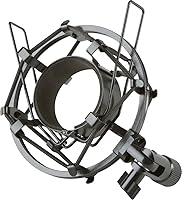
- Form Factor: Sold as a microphone-only unit, with no included stand adapter, shock mount, pop filter, or carrying case specified in the listing.
- First Available: This model has been available on the market since December 2012, giving it a moderately long product lifespan.
- Manufacturer Status: As of the available listing data, this model has not been discontinued by the manufacturer.
- UPC: The Universal Product Code for this item is 801813148688, useful for verifying product authenticity at retail.
- Phantom Power: Phantom power compatibility is strictly none — applying 48V DC phantom power to this ribbon mic can cause permanent, irreparable damage to the ribbon element.
Related Reviews
MXL R77 Ribbon Microphone
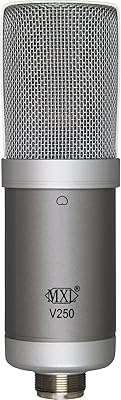
MXL V250 Condenser Microphone
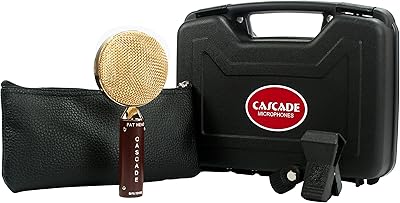
Cascade Microphones FAT HEAD Ribbon Microphone
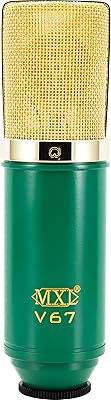
MXL V67G Large-diaphragm Condenser Microphone
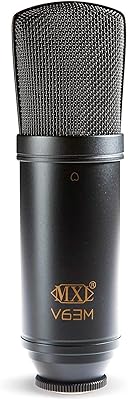
MXL V63M Condenser Studio Microphone

Beyerdynamic M160 Double Ribbon Microphone
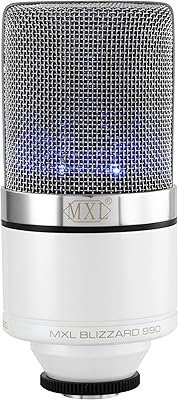
MXL 990 Blizzard Condenser Microphone
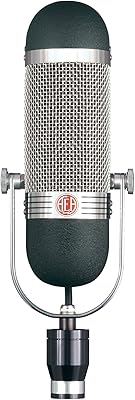
AEA R84 Passive Ribbon Microphone