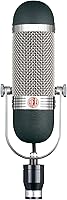
AEA R84 Passive Ribbon Microphone
Overview
The AEA R84 Passive Ribbon Microphone is AEA's answer to the legendary RCA 44 — a hand-built, made-in-USA studio mic with genuine professional pedigree. Ribbon microphones work differently from condensers or dynamics: a thin corrugated metal strip suspended in a magnetic field captures sound, producing a naturally warm, smooth character that capsule-based mics rarely replicate. This ribbon mic uses a bidirectional figure-8 pattern, picking up equally from front and back, which opens up stereo recording techniques beyond simple spot-miking. It ships with a carrying case, a practical inclusion at this level. Be clear-eyed, though — this is a specialist tool built squarely for experienced recordists.
Features & Benefits
The core appeal of the AEA R84 lies in its large ribbon element, which produces that characteristic warmth and gentle high-frequency rolloff — the tonal quality producers associate with classic broadcast recordings. Being passive, it draws no phantom power from your interface, which is actually a comfort; accidental phantom power sent to a ribbon can destroy the element, and this passive ribbon sidesteps that risk entirely. That said, it demands a high-gain preamp to shine — something with at least 60 to 70 dB of clean gain. The 76 dB signal-to-noise ratio and standard XLR output make integration into any professional signal chain uncomplicated.
Best For
This ribbon mic is purpose-built for situations where clinical accuracy takes a back seat to vintage character. Vocalists chasing that warm, slightly dark broadcast tone will find it immediately appealing, as will engineers recording acoustic instruments — guitar, upright bass, brass, and strings all respond beautifully to a ribbon's smooth capture. The bidirectional pattern makes it a natural fit for mid-side stereo and Blumlein pair setups, techniques experienced engineers use to capture room and space with real precision. Voiceover artists and podcasters with quality gear will appreciate the intimate, radio-ready result. If you don't yet own a capable preamp, prioritize that purchase first.
User Feedback
Formal Amazon ratings for this passive ribbon are sparse — just a single five-star review — so it pays to consider what the broader audio community says. Professional recordists consistently praise the smooth uncolored tone and the craftsmanship behind it, and build quality earns genuine respect in forum discussions and pro audio circles alike. On the flip side, buyers are vocal about one recurring concern: this mic needs a quality preamp to perform as intended, and that is a real additional cost to factor in. Ribbon fragility is also worth understanding — phantom power applied accidentally or sustained high-SPL sources can damage the ribbon element, a repair that is neither quick nor cheap.
Pros
- Delivers the warm, smooth vintage tone that condensers and dynamics simply cannot replicate
- Hand-built in the USA with solid, professional-grade construction that inspires long-term confidence
- No phantom power required, which eliminates one common source of signal chain headaches
- The bidirectional figure-8 pattern unlocks mid-side and Blumlein stereo techniques right out of the box
- Exceptionally low coloration means what you record sounds like the source, not the microphone
- At 76 dB signal-to-noise ratio, recordings come out clean and detailed when paired with the right preamp
- Shipping with a dedicated carrying case shows genuine care for protecting a precision instrument
- Ranks among the top ribbon microphones available today based on broad professional community consensus
- Silky high-frequency rolloff flatters vocals, brass, and strings without requiring heavy post-processing
- XLR output ensures compatibility with virtually any professional interface or mixing console
Cons
- Requires a high-gain, low-noise preamp to perform correctly — a significant additional investment for many buyers
- Thin Amazon review history makes peer comparison research difficult before committing to a purchase
- Ribbon elements are fragile and can be permanently damaged by accidental phantom power or high SPL sources
- Heavy at 2.58 pounds, which limits practical use on lighter or less stable mic stand setups
- The figure-8 polar pattern picks up room sound from both sides, demanding a well-treated recording space
- Not a versatile all-rounder — it is purpose-built for specific tonal goals and recording contexts
- Repair costs for a damaged ribbon element can be steep and typically require sending the mic back to the manufacturer
- No active electronics means output levels are lower than most condenser alternatives, narrowing preamp compatibility
Ratings
Our AI scoring system analyzed verified user reviews from professional audio communities, retailer feedback, and expert assessments worldwide to produce these ratings for the AEA R84 Passive Ribbon Microphone, actively filtering out incentivized and bot-generated submissions to reflect genuine buyer experiences. These scores capture what real recordists — from studio engineers to voiceover professionals — consistently praise and criticize about this passive ribbon. Both the standout strengths and the friction points are reflected transparently across each category.
Tonal Character
Build Quality
Preamp Dependency
Ribbon Element Durability
Polar Pattern Versatility
Value for Money
Ease of Setup
Vocal Performance
Acoustic Instrument Capture
Broadcast and Voiceover Suitability
Stereo Recording Capability
Packaging and Accessories
Low-Coloration Accuracy
Long-Term Reliability
Suitable for:
The AEA R84 Passive Ribbon Microphone is the right tool for recording professionals and serious enthusiasts who already understand their signal chain and are chasing a specific sound. Vocalists who want the warm, slightly dark character associated with vintage broadcast recordings will feel right at home with this ribbon mic, as will producers who record acoustic instruments like guitar, upright bass, brass, or orchestral strings — sources that tend to sound harsh or overly bright through typical condensers. Engineers who work with mid-side or Blumlein stereo techniques will appreciate the bidirectional figure-8 pattern, which is essential to those methods. Voiceover artists and podcasters operating out of treated rooms with quality preamps will find that this passive ribbon delivers an intimate, full-bodied tone that is difficult to replicate with anything else at this level. If you already own a preamp capable of 60 dB or more of clean, low-noise gain, this ribbon mic slots naturally into a professional studio setup as a go-to for tonally demanding sessions.
Not suitable for:
The AEA R84 Passive Ribbon Microphone is not a good fit for anyone still building out their foundational gear or relying on a budget audio interface with modest preamp headroom. Passive ribbon microphones are notoriously low-output by design, and without a dedicated high-gain preamp — ideally a clean, quiet one — the R84 will sound flat, thin, or buried in noise, which is a frustrating and expensive lesson to learn. Beginners who are unfamiliar with phantom power risks should also exercise real caution: accidentally sending 48V phantom power to a passive ribbon can permanently destroy the element, and repairs are neither fast nor inexpensive. This ribbon mic is also a poor match for live sound environments, loud sources like kick drums or guitar cabinets cranked at stage volume, or any scenario where durability under rough handling is a concern. If versatility across wildly different recording situations is the priority, a large-diaphragm condenser will cover more ground for less total investment in supporting gear.
Specifications
- Microphone Type: Passive ribbon microphone with a large corrugated aluminum ribbon element suspended in a fixed magnetic field.
- Polar Pattern: Bidirectional figure-8, capturing sound equally from the front and rear while rejecting sound from the sides.
- Signal-to-Noise Ratio: 76 dB, supporting clean, low-noise recordings when paired with a suitable high-gain preamp.
- Connector: Standard XLR output, compatible with professional audio interfaces, mixing consoles, and preamps.
- Channels: Single-channel mono output, standard for spot-miking and stereo pair configurations.
- Power Source: Passive design requires no phantom power; operates solely on corded electric signal flow through the XLR connection.
- Weight: 2.58 pounds, reflecting the solid, studio-grade metal construction of the microphone body.
- Dimensions: 16.2 x 5.7 x 5.45 inches, making it a large-format studio microphone suited to fixed stand mounting.
- Color: Black and silver finish consistent with AEA's classic studio aesthetic.
- Brand Origin: Designed and hand-built in the USA by AEA (Audio Engineering Associates), based in Pasadena, California.
- Included Items: Ships with a protective carrying case and a warranty card for ownership documentation.
- Compatible Devices: Works with professional XLR-equipped audio interfaces, studio preamps, mixing consoles, and certain camera rigs.
- Diaphragm Type: Large ribbon element, producing the warm, naturally rolled-off high-frequency response characteristic of vintage ribbon designs.
- Model Number: R84, AEA's flagship passive ribbon microphone inspired by the classic RCA 44 studio design.
- Manufacturer: AEA (Audio Engineering Associates), a specialist manufacturer focused exclusively on ribbon microphone technology.
- Market Ranking: Ranked #39 in the Ribbon Microphones category on Amazon as of the most recent available data.
- Availability Status: Not discontinued by the manufacturer; actively produced and available through authorized audio equipment retailers.
- UPC: 652401977551, the registered product barcode for retail and distribution identification purposes.
Related Reviews
Cascade Microphones FAT HEAD Ribbon Microphone
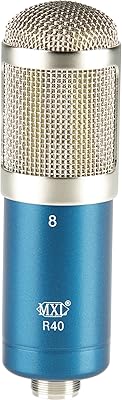
MXL R40 Ribbon Microphone
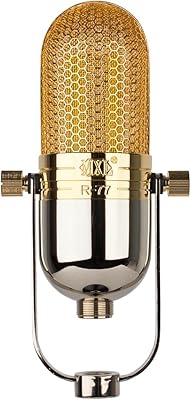
MXL R77 Ribbon Microphone
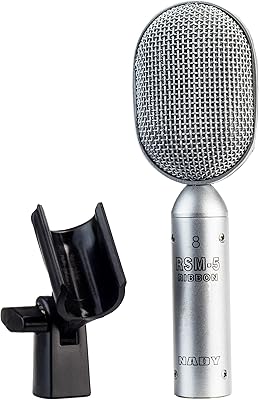
Nady RSM-5 Ribbon Microphone

Beyerdynamic M160 Double Ribbon Microphone
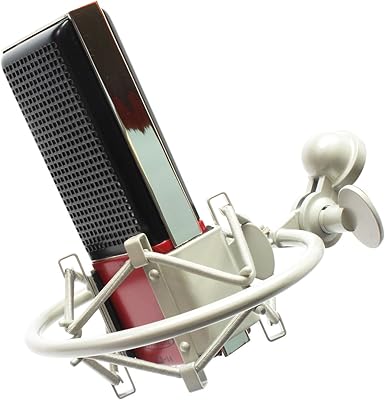
Avantone CR-14 Ribbon Microphone
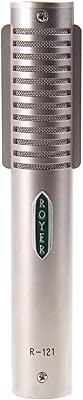
Royer Labs R-121 Ribbon Microphone
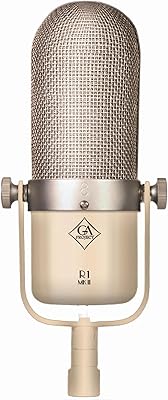
Golden Age Project R1 MKII Ribbon Microphone