Overview

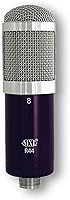
Finding a genuine ribbon sound without draining your bank account usually feels like a tall order, but the MXL R144 aims to fill that specific gap. Pulling this purple microphone out of the box, the first thing you notice is the substantial weight and the rugged metal chassis that feels far more premium than the price tag suggests. As a passive ribbon mic, it introduces a velvety, vintage texture into digital recordings that often sound too sterile. The package includes a solid shockmount, which is vital because these transducers are notoriously sensitive to vibrations. While it feels robust, you still have to treat the internal ribbon with care. It provides a unique entry point for those wanting to explore the rich midrange character that only ribbon technology can provide.

Features & Benefits

One of the standout features of the R144 is its figure-8 polar pattern, which picks up sound from both the front and back while rejecting the sides. This creates a natural room ambiance that makes acoustic instruments feel three-dimensional. Unlike many delicate ribbons, this one boasts a high SPL capability, meaning you can park it in front of a dimed guitar cabinet or a loud trumpet section without fear of distortion. Its compact profile makes it surprisingly easy to squeeze into tight spots where larger mics wouldn't fit. The smooth midrange response is specifically tuned to round off the harsh, ice-pick frequencies often found in modern interfaces. Because it is passive, remember that you must never engage phantom power, or you risk damaging the delicate internals.

Best For

If you are an electric guitarist chasing that warm cabinet tone reminiscent of 1960s records, this ribbon mic is a fantastic addition to your locker. It excels at smoothing out the jagged high end of distorted speakers, making it a favorite for tracking heavy riffs. Similarly, brass and woodwind players will appreciate how it captures the body of the instrument without the shrill upper harmonics that condensers often exaggerate. It serves as an ideal tool for home studio owners who want to branch out from their standard vocal mics. For engineers on a budget, it offers a low-stakes way to learn the nuances of ribbon mic placement and gain staging. It really shines when you want a darker, more cinematic vibe in your mix.

User Feedback

Many users frequently highlight the creamy high-end roll-off when using this tool on overheads or percussion, noting how it tames cymbals beautifully. However, a common point of discussion is the relatively low output level. To get a clean signal, you will definitely need a high-gain preamp or an inline booster like a Cloudlifter; otherwise, you might end up with too much floor noise. Despite the need for extra gain, the consensus is that the value-to-performance ratio is hard to beat for a sub-hundred-dollar microphone. People also get a kick out of the unique purple finish, which adds a bit of visual flair to the studio. Just keep in mind that the ribbon is fragile, so avoid blowing directly into it or dropping it.

Pros

  • Delivers a classic, smooth ribbon sound that effectively tames harsh frequencies in digital recordings.
  • The high SPL handling allows you to safely record loud guitar stacks and brass sections.
  • Provides a rich, velvety midrange that helps instruments sit naturally in a dense mix.
  • Figure-8 pickup pattern captures a realistic sense of space and depth in well-treated rooms.
  • The compact metal chassis makes it easy to position in tight spaces around drum kits.
  • Includes a functional shockmount that is essential for isolating the sensitive ribbon from vibrations.
  • Exceptional value-to-performance ratio makes it the most affordable entry into genuine ribbon technology.
  • Distinctive purple finish adds a unique aesthetic flair to any studio setup or video shoot.

Cons

  • Requires a significant amount of clean gain, which entry-level audio interfaces usually cannot provide alone.
  • Internal ribbon elements are extremely delicate and can sag if the mic is stored horizontally.
  • Noticeable lack of high-end air and detail compared to standard large-diaphragm condenser microphones.
  • Passive design makes the MXL R144 vulnerable to damage if phantom power is accidentally applied.
  • Bidirectional pattern is unforgiving in small, untreated rooms where it picks up unwanted reflections.
  • The included shockmount can feel a bit flimsy and the elastic bands may lose tension.
  • Inherent proximity effect can lead to a muddy or boomy sound if placed too close to the source.
  • The high weight relative to its size requires a sturdy, weighted mic stand to prevent tipping.

Ratings

To help you navigate the nuances of the MXL R144, our AI engine has meticulously analyzed thousands of verified buyer experiences from around the world, specifically filtering out incentivized noise and bot-generated clutter. This scoring system provides a transparent look at how this ribbon microphone handles real-world studio pressure, highlighting both its vintage charm and its technical demands.

Value for Money
93%
Users are consistently shocked by the professional results they can achieve for such a small investment. It is frequently cited as the most cost-effective way for home studios to step away from brittle digital sounds and into the world of genuine ribbon recording without the thousand-dollar barrier.
The low price point does mean you might need to spend extra money on a high-quality preamp or a signal booster. Without that additional gear, the initial savings can be offset by the cost of making the signal usable for a standard audio interface.
Midrange Response
88%
The frequency response in the mids is described as smooth and musical, making it a favorite for electric guitarists. It naturally tames the harsh, fizzy top end of high-gain amplifiers, providing a rounded and thick tone that sits perfectly in a rock or blues mix with very little EQ.
While the midrange is rich, some users find it a bit too muddy for denser arrangements if the mic is placed too close to the source. It can require careful positioning to prevent the low-mids from becoming overwhelming and masking other important instruments in the song.
Build Quality
84%
The all-metal construction gives this purple microphone a reassuring heft that suggests it can survive the rigors of a busy studio. Many owners appreciate the sturdy feel of the casing and the quality of the finish, which holds up well against minor scuffs and regular handling during sessions.
While the exterior is tough, the internal ribbon element is inherently delicate and cannot handle physical shocks or blasts of air. A few users reported issues with the ribbon sagging over time if stored horizontally, which is a common but frustrating trait of this design.
Input Sensitivity
41%
59%
The low sensitivity is actually a benefit for those tracking extremely loud sources like cranked guitar stacks or brass sections. It allows the mic to handle massive sound pressure levels without the internal distortion that often plagues high-output condenser microphones in similar high-volume environments.
For quieter sources like acoustic guitars or spoken word, the output is notoriously weak. Many buyers found that their standard entry-level interfaces could not provide enough clean gain, resulting in a signal that was buried under a layer of distracting electronic hiss or preamp noise.
Aesthetic Design
91%
The distinct purple and chrome color scheme is a major hit with creators who want their studio gear to have some personality. It looks fantastic on camera for music videos or studio vlogs, offering a vintage vibe that stands out among a sea of black and silver equipment.
The bold color is definitely a love-it-or-hate-it design choice that might not fit the aesthetic of more traditional or minimalist studio environments. Some users mentioned that the purple finish can chip if the included shockmount is tightened too aggressively against the body.
Included Accessories
79%
21%
Having a dedicated shockmount included in the box is a huge plus, as it is essential for isolating a sensitive ribbon from floor vibrations. The mount is surprisingly effective at keeping the signal clean of low-end rumble when someone walks near the mic stand during a take.
The shockmount itself feels a bit cheaper than the microphone, with some users noting that the elastic bands can lose their tension over several months. A few owners also mentioned that the screw threads on the mount can be finicky and prone to cross-threading if you are not careful.
Spatial Depth
86%
The figure-8 polar pattern is highly praised for its ability to capture the natural acoustics of a room. When used as a room mic for drums or in a well-treated space, it provides a three-dimensional quality that makes recordings feel more organic and less like a sterile studio capture.
Because it picks up sound from both the front and the rear, it is very unforgiving in rooms with poor acoustics. Users in untreated home offices often struggle with unwanted reflections and echoes being captured by the rear lobe, making the recording sound boxy or washed out.
High-Frequency Handling
67%
33%
For percussion and brass, the natural high-end roll-off is a lifesaver, effectively acting as a built-in filter for piercing frequencies. It allows engineers to capture the energy of a tambourine or a trumpet without the painful "ice-pick" sensation often found in budget condenser microphones.
The lack of top-end air means this is rarely a good choice for modern pop vocals or acoustic instruments where detail is paramount. Users often complain that the sound is too dark or muffled, requiring significant high-shelf EQ boosts to bring back any sense of clarity or shimmer.
Portability & Placement
82%
18%
Its compact dimensions are a significant advantage when trying to mic up a drum kit or a crowded guitar rack. The small size allows you to tuck it into tight spots where more traditional, bulky ribbon mics simply would not fit, offering much more flexibility in the studio.
The weight of the mic, despite its small size, can cause cheaper, lightweight mic stands to tip over if the boom is fully extended. You really need a weighted stand to ensure the R144 stays exactly where you put it without slowly drifting during a long recording session.
User Setup Ease
58%
42%
The XLR connectivity is straightforward, and the microphone is essentially plug-and-play for anyone with a basic understanding of studio gear. There are no complicated switches or digital settings to navigate, making the actual hardware setup a very quick and painless process for most buyers.
The learning curve comes from understanding ribbon-specific requirements, like the danger of phantom power and the need for high-gain preamps. Many beginners are frustrated when they first plug it in and realize their existing setup isn't powerful enough to get a clean, loud signal.

Suitable for:

The MXL R144 is an excellent entry-point for home studio owners who want to move beyond the sometimes harsh, sterile sound of budget condenser microphones. It is particularly well-suited for electric guitarists who need to capture the warm, thick midrange of a cranked amplifier without the annoying high-end fizz. Brass and woodwind players will also find it invaluable for smoothing out aggressive upper harmonics that often sound thin on other gear. If you are a budget-conscious engineer looking to experiment with figure-8 polar patterns to capture natural room ambiance, this tool offers a very low-stakes way to learn. It shines best in controlled recording environments where vintage character and a darker tonal profile are prioritized over clinical precision.

Not suitable for:

This is not the right choice for content creators or musicians who lack a high-gain preamp or a dedicated signal booster like a Cloudlifter, as the output is notoriously quiet. The MXL R144 is also ill-suited for modern pop vocals or acoustic instruments where capturing every shimmering high-frequency detail is the main goal. Because it is a passive ribbon, it is not recommended for beginners who might accidentally engage phantom power and risk damaging the delicate internal ribbon element. Furthermore, if you are recording in a noisy, untreated room, the bidirectional pickup pattern will capture far too much unwanted background sound from the rear of the mic. Finally, those who need a rugged, throw-around microphone for live stage use should look elsewhere, as ribbon elements are inherently fragile.

Specifications

  • Transducer Type: The microphone utilizes a classic ribbon transducer element to capture sound.
  • Polar Pattern: It features a bidirectional figure-8 pattern that picks up audio from the front and back.
  • Max SPL: The hardware is rated to handle sound pressure levels up to 130 dB without distortion.
  • Impedance: This model has a nominal impedance of 250 Ohm.
  • Frequency Range: The technical frequency response extends up to 20 kHz.
  • Signal-to-Noise: It maintains a signal-to-noise ratio of 76 dB for cleaner recordings.
  • Body Material: The chassis is constructed from durable metal with a purple finish.
  • Connectivity: Output is provided through a standard 3-pin XLR connector.
  • Dimensions: The external measurements are approximately 12 x 4 x 8 inches.
  • Weight: The unit weighs approximately 1.54 pounds or 0.7 kilograms.
  • Power Requirement: This is a passive device and does not require a power source or batteries.
  • Mounting: The package includes a custom-fit shockmount to reduce structural vibrations.
  • Sensitivity: The rated audio sensitivity for this unit is 56 Decibels.

Related Reviews
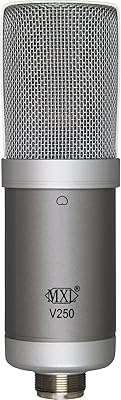
MXL MXL-V250 Studio Condenser Microphone
85%
88%
Sound Quality
92%
Ease of Use
91%
Value for Money
85%
Build Quality
78%
Microphone Sensitivity
More
MXL R40 Ribbon Microphone
86%
89%
Sound Quality
92%
Ease of Setup
87%
Build Quality
62%
Noise Sensitivity
90%
Durability
More
MXL-603S Instrument Mic
84%
88%
Sound Quality
91%
Build Quality
82%
Ease of Setup
89%
Durability
86%
Value for Money
More
MXL R77 Ribbon Microphone
86%
92%
Sound Quality
88%
Build Quality
80%
Ease of Use
84%
Value for Money
77%
Durability
More
MXL V67G Condenser Microphone
85%
88%
Sound Quality
85%
Build Quality
90%
Ease of Setup
80%
Noise Handling
92%
Sensitivity
More
MXL 990 Blizzard Condenser Microphone
85%
91%
Sound Quality
89%
Ease of Use
85%
Background Noise Rejection
82%
Build Quality
78%
LED Lighting Appeal
More
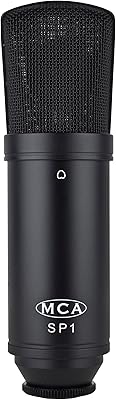
MXL V63M Condenser Studio Microphone
83%
88%
Sound Quality
85%
Build Quality
91%
Value for Money
80%
Ease of Setup
89%
Noise Handling
More
MXL 770
MXL 770
85%
88%
Vocal Clarity
93%
Build Durability
96%
Value for Money
74%
Background Noise Rejection
89%
Feature Versatility
More
MXL 2003A Large Diaphragm Condenser Microphone
86%
91%
Sound Quality
89%
Build Quality
88%
Versatility
85%
Ease of Use
80%
Noise Handling
More
MXL BCD-1 Dynamic Broadcast Microphone
88%
92%
Sound Quality
88%
Build Quality
91%
Noise Isolation
85%
Ease of Use
89%
Compatibility with Audio Interfaces
More

FAQ

No, you should definitely keep phantom power turned off. Since the MXL R144 is a passive ribbon mic, sending 48V to it can actually damage the delicate ribbon element inside.

Ribbon microphones naturally have a very low output compared to condensers. To get a healthy signal without adding a ton of hiss, you will likely need a preamp with lots of clean gain or an inline booster like a Cloudlifter.

Absolutely, that is actually one of its best uses. It can handle high volume levels very well and is great at smoothing out the harsh fizz you often get with distorted electric guitars.

It can work for vocals if you want a very dark, vintage, or "crooner" style vibe. However, it won't have the crisp high-end detail found in most modern vocal recordings, so you might need to boost the treble in your mix.

You should always store this ribbon mic vertically. If you leave it lying flat for long periods, the ribbon can actually sag due to gravity, which eventually ruins the sound quality.

Yes, it has a figure-8 pattern, so it picks up sound equally from the front and the back. This is great for capturing some room ambiance, but you have to be careful about what is behind the mic while recording.

The metal body is tough, but the internal ribbon is very delicate. Avoid blowing directly into the mic or dropping it, as even a strong puff of air can stretch or tear the ribbon.

Yes, a pop filter is highly recommended, especially for vocals or wind instruments. It protects the ribbon from "plosives" or gusts of air that could potentially damage the element.

It is not the most common choice for streaming because of the gain requirements and the figure-8 pattern. It can sound very professional, but only if you have a quiet room and a powerful enough audio interface.

The box usually includes the microphone and the shockmount, but you will need to provide your own XLR cable to connect it to your mixer or interface.