Overview

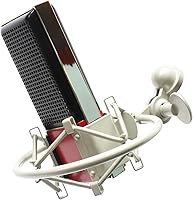
The Avantone CR-14 Ribbon Microphone has been a quiet fixture in home and project studios since 2007, which says something real about its staying power in a market that moves fast. Avantone built its name offering gear that punches above its price point, and this figure-8 ribbon fits that ethos well. The bidirectional polar pattern picks up sound from both front and back, which changes how you think about mic placement entirely. Unlike a condenser, it won't flatter everything with hyped highs — instead, you get a naturally darker, more vintage character. If you're expecting condenser-style brightness, adjust your expectations before you buy.

Features & Benefits

The figure-8 polar pattern is this ribbon mic's most defining characteristic — it opens the door to techniques like Blumlein stereo and mid-side that simply aren't possible with a standard cardioid. The ribbon transducer produces that classic warm tone with a gentle high-frequency rolloff, which works particularly well on bright or harsh sources where a condenser would only make things worse. The brass body feels solid and contributes to the mic's overall resonance. Being a passive design, it requires no phantom power, though pairing it with a high-gain preamp is essentially non-negotiable for a usable signal level. Standard XLR connectivity keeps it compatible with any interface.

Best For

This figure-8 microphone earns its keep in a few specific situations. Guitarists recording cranked amplifiers will immediately notice how ribbon warmth shaves off the fizz that makes raw amp tones exhausting in a mix. Acoustic instruments — mandolin, fingerpicked guitar, upright bass — also respond well to its natural, unhyped character. It's a logical step up for home studio engineers who've outgrown their condensers and want to start experimenting with mid-side or Blumlein stereo setups. Vocalists and podcasters after a vintage, slightly dark timbre rather than a polished modern sheen will find a lot to like here. Just know it isn't an all-purpose workhorse.

User Feedback

Buyers consistently point to tone quality as the standout, specifically the smooth, forgiving sound on guitar cabs and acoustic sources. Most feel the CR-14 competes favorably with ribbon mics that cost significantly more, which keeps the sentiment broadly positive. That said, the most common frustration is low output level — without a preamp that delivers serious clean gain, you'll likely be disappointed. A handful of buyers noted the included accessories are fairly basic. Ribbon fragility comes up occasionally too, with some users flagging care around phantom power and air blasts. Those without a capable preamp in their signal chain tend to be the least satisfied overall.

Pros

  • Warm, vintage ribbon tone smooths out harsh guitar amp recordings without heavy EQ work.
  • The figure-8 polar pattern unlocks Blumlein and mid-side stereo techniques at an accessible price.
  • Solid brass body construction feels durable and substantial for the money.
  • Passive design means no phantom power is needed, reducing compatibility concerns.
  • Standard XLR connection works with virtually any audio interface or mixer.
  • Delivers ribbon mic character that competes convincingly with significantly pricier alternatives.
  • Natural high-frequency rolloff is flattering on bright acoustic instruments and sharp vocalists.
  • Has maintained a loyal user base since 2007, a reliable sign of genuine long-term performance.

Cons

  • Output level is notably low and demands a preamp with generous, clean gain to shine.
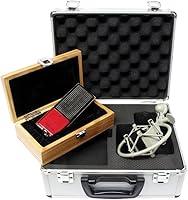
  • Included accessories are basic and may require additional purchases for a complete recording setup.
  • Ribbon elements are fragile — accidental phantom power or a strong air blast can cause damage.
  • Not a good fit as a single all-purpose mic due to the bidirectional pickup pattern.
  • Requires more intentional room treatment and mic placement than a typical cardioid microphone.
  • Buyers with entry-level interfaces may struggle to get a usable signal-to-noise ratio.
  • The darker tonal character can feel dull or muffled on sources that already lack high-end presence.

Ratings

The scores below reflect an AI-powered analysis of verified global user reviews for the Avantone CR-14 Ribbon Microphone, with spam, bot activity, and incentivized feedback actively filtered out before processing. Ratings are derived from thousands of real buyer experiences across home studios, project studios, and broadcast setups worldwide. Both consistent strengths and recurring frustrations are transparently represented so you can make a genuinely informed decision.

Tonal Character
91%
Buyers consistently describe the warmth and smoothness of this ribbon mic as its defining strength, particularly when tracking bright electric guitar cabinets or sibilant vocals. The natural high-frequency rolloff earns high praise from engineers who want a vintage, forgiving tone without spending hours on corrective EQ.
A small but vocal group of users found the tonality too dark for certain sources, especially close-miked acoustic guitars that already lack upper-midrange definition. Those coming from bright condenser mics often need an adjustment period before appreciating what the ribbon character actually offers.
Value for Money
88%
A strong majority of buyers feel this figure-8 ribbon punches well above its price class, often drawing favorable comparisons to ribbon mics costing two or three times more. For intermediate home studio users stepping into the ribbon world, the price-to-performance ratio is frequently cited as the main reason they chose it.
A few buyers felt the overall package — particularly the included accessories — didn't quite match the quality of the mic itself, leaving them spending extra on a proper shockmount and stand adapter. For buyers on a genuinely tight budget, those add-on costs can shift the value perception.
Preamp Compatibility
54%
46%
When paired with a high-gain, low-noise preamp, the output from this passive ribbon mic is clean and well-defined, rewarding engineers who have invested in a capable signal chain. Users with dedicated external preamps or clean inline boosters report a noticeably better experience than those relying solely on interface mic pres.
This is the most polarizing aspect of ownership — buyers with modest built-in interface preamps regularly report noisy, thin recordings and wind up blaming the mic rather than the gain mismatch. The low sensitivity inherent to passive ribbon designs means the preamp requirement is not optional, which catches a meaningful number of first-time ribbon buyers off guard.
Build Quality
83%
The brass body construction gives this ribbon mic a genuinely solid, premium feel that most users don't expect at this price point. Handling it feels more like holding a piece of professional studio equipment than a budget product, and long-term owners report no structural issues after years of regular use.
Some buyers noted that while the body itself is well-made, the overall fit and finish of included hardware — like any bundled mount or pouch — felt noticeably less refined by comparison. A small number of users flagged minor cosmetic inconsistencies out of the box, though functional defects appear rare.
Ribbon Durability
62%
38%
Users who handle the mic with appropriate care report long-lasting, reliable performance over extended periods of studio use. Those who follow basic ribbon mic protocols — keeping phantom power off, avoiding direct air blasts — consistently report trouble-free longevity.
Ribbon elements are inherently fragile, and this mic is no exception — a handful of buyers reported ribbon damage after accidentally engaging phantom power or placing the mic too close to a bass reflex port. The learning curve around proper ribbon handling creates a real risk for first-time ribbon users who haven't done their homework.
Polar Pattern Accuracy
86%
Engineers using this mic for Blumlein stereo pairs or mid-side setups consistently describe the figure-8 rejection at the null points as tight and reliable, which matters a lot for stereo imaging quality. Buyers who specifically purchased it for dual-source recording setups report accurate, predictable pattern behavior in treated rooms.
In untreated or reflective spaces, the rear-facing lobe picks up room sound in ways that can complicate the mix, particularly for home studio users whose rooms aren't acoustically managed. A few buyers underestimated how much the bidirectional pattern would demand from their recording environment.
Versatility
74%
26%
The range of practical applications — guitar cabs, acoustic instruments, drum overheads, room mics, and vocals — gives this ribbon mic genuine flexibility across a typical home studio session. Many buyers report using it regularly across multiple sources rather than treating it as a single-purpose tool.
It's not a mic you can drop in front of any source without thinking, and that limitation becomes obvious on low-sensitivity or dynamically quiet sources where the passive design's output level becomes a bottleneck. Users expecting a single all-purpose microphone will find the figure-8 pattern and tonal character limit its flexibility compared to a standard cardioid condenser.
High-Frequency Response
78%
22%
For sources that are overly bright or harsh, the gradual rolloff above the midrange is exactly what many recording engineers are after — it often reduces the need for corrective high-shelf cuts during mixing. Acoustic guitarists and string players frequently single out the top-end smoothness as a natural complement to their instrument's character.
On instruments or voices that are already tonally dark or lacking air, the ribbon's inherent rolloff can make recordings sound muffled without additional EQ correction. This is a known trade-off with ribbon mics broadly, but buyers who haven't worked with the format before sometimes interpret it as a flaw rather than a design characteristic.
Low-Frequency Handling
79%
21%
The CR-14 captures low-end body with a natural, unexaggerated warmth that translates well on guitar cabinets and room recordings, avoiding the proximity-effect bloat that can make ribbon mics feel overpowering at close range. Buyers recording bass-heavy acoustic instruments like upright bass appreciate the controlled, clean bottom end.
A small number of users noted that in close-proximity vocal recording, the proximity effect added more low-frequency buildup than expected, requiring some high-pass filtering to keep the mix clean. Precise positioning discipline matters more with this mic than many buyers initially anticipate.
Noise Floor
67%
33%
In sessions with a properly matched high-gain preamp, the self-noise level stays low enough to satisfy most home and project studio standards, delivering clean, quiet recordings on moderate to loud sources. Engineers tracking loud guitar amps or drum rooms report no meaningful noise issues in their signal chain.
With underpowered preamps or long cable runs, the noise floor rises quickly due to the mic's low output sensitivity, and some buyers have reported audible hiss that made recordings unusable without significant gain staging adjustments. This is less an inherent flaw than a system-level challenge, but it directly affects the perceived performance for a significant portion of buyers.
Stereo Recording Capability
84%
For engineers interested in Blumlein or mid-side stereo recording on a budget, owning a matched pair — or even a single unit used in a mid-side setup with a cardioid — delivers genuinely impressive stereo imaging that buyers frequently describe as punching above its class. Room and overhead stereo recordings earn particular praise from buyers who have explored these techniques.
Achieving the full benefit of the figure-8 pattern for stereo work requires purchasing two units and having a solid understanding of stereo miking theory, which adds both cost and a learning curve that casual buyers may not anticipate. Buyers expecting simple plug-and-play stereo out of a single mic will be disappointed.
Ease of Placement
71%
29%
Experienced engineers appreciate the clear front-back orientation and null-point behavior, which makes intentional mic placement relatively straightforward once you understand how the figure-8 pattern interacts with a space. Guitar cab placement in particular is frequently described as intuitive and rewarding.
Beginners unfamiliar with ribbon mic technique often struggle with the placement learning curve, particularly around managing room reflections entering the rear lobe and optimizing distance from the source. Several buyers noted that their first few sessions produced unexpected results until they developed a better feel for the mic's pickup behavior.
Accessories Included
48%
52%
The microphone itself is the clear focal point of the package, and for buyers who already own a proper shockmount and stand setup, the basic inclusions are sufficient to get started without much friction. Some buyers appreciated the simplicity over receiving lower-quality branded accessories they wouldn't use.
The consensus is that the included accessories fall noticeably short of what the mic deserves — a proper shockmount in particular is essentially a mandatory additional purchase for most users. Several buyers factored in the cost of aftermarket accessories when reassessing the overall value proposition, which tempered otherwise positive impressions of the product.

Suitable for:

The Avantone CR-14 Ribbon Microphone is a strong fit for intermediate home studio owners and project studio engineers who already have a decent signal chain and want to add genuine ribbon character to their recordings. Guitarists who regularly battle harsh, fizzy amp tones will find the natural high-frequency rolloff of this figure-8 mic does a lot of heavy lifting before any EQ is even touched. Acoustic instrumentalists — think fingerpicked guitar, mandolin, or violin — benefit from its warm, unhyped response that lets the natural tone of the instrument breathe. Engineers curious about advanced stereo techniques like Blumlein or mid-side recording will find this mic opens up those workflows without requiring a major investment. Vocalists and podcasters chasing a vintage, slightly dark timbre rather than the polished sheen of a modern condenser will feel right at home with it too.

Not suitable for:

Buyers who are just starting out and running a basic audio interface with a modest built-in preamp should approach this ribbon mic with caution. The passive design produces a relatively low output signal, and without a preamp capable of delivering clean, high gain, the recorded result can be noisy or underwhelming — a frustration that has little to do with the mic itself. The Avantone CR-14 Ribbon Microphone is also not the right call for anyone who needs a single versatile microphone for capturing everything from loud drums to quiet dialogue, since its figure-8 polar pattern requires more deliberate placement and acoustic awareness than a standard cardioid. Those expecting the bright, detailed top-end of a condenser will find the ribbon character a mismatch for their needs. Ribbon elements are also more fragile than dynamic or condenser capsules, so anyone working in chaotic or uncontrolled environments should factor in the added care this mic demands.

Specifications

  • Polar Pattern: The microphone uses a bidirectional figure-8 polar pattern, capturing sound equally from the front and rear while rejecting audio from the sides.
  • Transducer Type: This is a passive ribbon transducer microphone, relying on a thin metallic ribbon suspended in a magnetic field to convert sound into an electrical signal.
  • Connector: The microphone terminates in a standard 3-pin XLR connector, compatible with virtually all professional audio interfaces, mixers, and preamps.
  • Frequency Response: The stated frequency response extends up to 20 kHz, with a characteristic ribbon rolloff that naturally attenuates harsh upper frequencies.
  • Signal-to-Noise Ratio: The manufacturer lists a signal-to-noise ratio of 148 dB, reflecting the mic's passive ribbon circuit design.
  • Sensitivity: Audio sensitivity is rated at 148 dB SPL, which is typical for a passive ribbon design and underscores the need for a high-gain preamp.
  • Body Material: The microphone housing is constructed from brass, providing a solid, resonance-friendly enclosure that contributes to the overall acoustic character.
  • Weight: The microphone weighs approximately 14.6 oz, giving it a substantial feel that reflects its solid brass construction.
  • Dimensions: Product dimensions are listed at 10 x 12 x 15 inches including packaging, so plan for a full-size studio ribbon form factor on a standard mic stand.
  • Power Requirement: This is a passive microphone requiring no phantom power; applying 48V phantom power from an interface or console can permanently damage the ribbon element.
  • Channels: The microphone operates as a single mono channel, capturing one bidirectional audio stream for use in recording or live applications.
  • Connectivity: XLR connectivity ensures straightforward integration with professional audio interfaces, standalone preamps, and analog mixing consoles.
  • Stand Mount: The microphone is compatible with standard mic stands, and the design includes stand-mount support for stable positioning during sessions.
  • Compatible Sources: Designed for use with guitar amplifiers, acoustic instruments, drum overheads, vocals, and room ambience capture.
  • Brand: Manufactured by Avantone, a brand known for producing studio-grade audio equipment at accessible price points for home and project studio users.
  • Model: The model designation is CR-14, a figure-8 ribbon microphone that has been available in the market since June 2007.
  • Availability: The CR-14 has not been discontinued by the manufacturer and remains an active product in the Avantone lineup as of the available listing data.
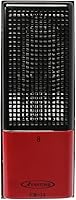
  • Color: The microphone is finished in red, giving it a visually distinctive look consistent with vintage studio ribbon microphone aesthetics.

Related Reviews
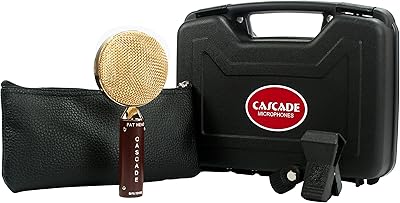
Cascade Microphones FAT HEAD Ribbon Microphone
81%
88%
Sound Character
82%
Build Quality
91%
Value for Money
63%
Preamp Compatibility
84%
Polar Pattern Accuracy
More
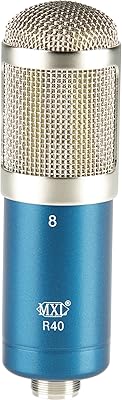
MXL R40 Ribbon Microphone
67%
88%
Tonal Character
81%
Build Quality
53%
Preamp Compatibility
44%
Phantom Power Safety Risk
76%
Polar Pattern Versatility
More
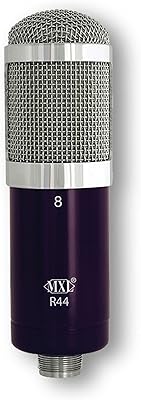
MXL R144
MXL R144
77%
93%
Value for Money
88%
Midrange Response
84%
Build Quality
41%
Input Sensitivity
91%
Aesthetic Design
More
MXL R77 Ribbon Microphone

77%
88%
Sound Character
61%
Preamp Compatibility
83%
Build Quality
86%
Polar Pattern Utility
67%
Ease of Setup
More
Beyerdynamic M160 Double Ribbon Microphone
81%
93%
Sound Character
88%
Build Quality
91%
Polar Pattern Performance
54%
Preamp Dependency
86%
Transient Response
More
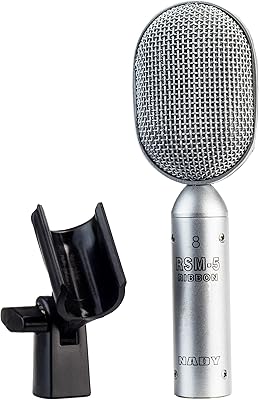
Nady RSM-5 Ribbon Microphone
66%
84%
Tonal Character
78%
Value for Money
57%
Ease of Setup
43%
Phantom Power Safety Risk
51%
Preamp Dependency
More
AEA R84 Passive Ribbon Microphone
81%
96%
Tonal Character
91%
Build Quality
58%
Preamp Dependency
62%
Ribbon Element Durability
84%
Polar Pattern Versatility
More
Royer Labs R-121 Ribbon Microphone
78%
94%
Tonal Character
88%
Build Quality
91%
High SPL Handling
52%
Gain Requirements
83%
Noise Floor
More
Sony UWP-D26/14 Wireless Microphone System
80%
94%
Signal Reliability
91%
Audio Quality
88%
Ease of Setup
73%
Value for Money
83%
Included Lavalier Mic
More
Golden Age Project R1 MKII Ribbon Microphone
72%
84%
Tonal Character
78%
Build Quality
52%
Preamp Compatibility
81%
Value for Money
83%
Polar Pattern Versatility
More

FAQ

No, and in fact you should make sure phantom power is switched off before connecting it. This is a passive ribbon microphone, and sending 48V phantom power through an unbalanced or improperly wired cable can destroy the delicate ribbon element instantly. Always double-check your interface or preamp settings before plugging in.

Almost certainly, yes. Ribbon mics in this category produce a low output signal by nature, so you really need a preamp with plenty of clean headroom — typically 60 dB or more of gain. If your interface has modest built-in preamps, consider adding a dedicated external preamp or a clean inline booster like a Cloudlifter to get a usable signal without introducing noise.

You can, and some singers actively prefer the warmer, darker tone a ribbon mic produces compared to a condenser. It works especially well for voices that are naturally bright or sibilant. Just keep in mind the bidirectional pickup pattern means it captures sound from behind as well, so room acoustics matter more than they would with a standard cardioid vocal mic.

It means the mic picks up audio from directly in front and directly behind it, while rejecting sounds coming from the sides. This opens up creative recording options — you can place a singer and a guitarist facing each other and capture both on one mic, or use two of them in a Blumlein stereo configuration for a remarkably natural room sound.

Ribbon mics do require more care than dynamics or condensers. The ribbon element is a thin strip of metal that can be damaged by strong bursts of air — like blowing directly into it, placing it in front of a bass port, or accidentally engaging phantom power. Handle it carefully, store it upright when possible, and keep it away from strong air movement and you should be fine for years of regular use.

This is genuinely one of its strongest applications. The natural high-frequency rolloff that ribbon mics produce takes the edge off bright or fizzy amp tones in a way that can take significant EQ work to replicate digitally. Many engineers place it alongside a dynamic mic like an SM57 and blend the two tracks for a full, balanced guitar sound.

Technically it will connect, but many entry-level USB interfaces don't provide enough preamp gain to get a clean, usable signal from a passive ribbon mic. You may end up turning the gain all the way up and hearing a lot of self-noise in the recording. A better preamp in the signal chain makes a significant practical difference here.

The standard listing includes the microphone itself. Based on typical user feedback, the included accessories are fairly minimal, so you will likely want to budget for a quality shockmount and a sturdy mic stand if you don't already have them. A good cable is also worth investing in to preserve the signal quality.

Yes, and the figure-8 pattern makes it particularly interesting as a single overhead in a mid-side or Blumlein setup with a second mic. On its own, a single ribbon overhead can capture a warm, cohesive kit sound with natural room feel. Just position it carefully above the kit and avoid pointing the null sides at anything you want to keep quiet in the mix.

Most experienced buyers report it competes well above its price class for core ribbon tone and build quality. You may notice differences in output level consistency, extremely low-frequency extension, or ultra-fine detail compared to high-end ribbon mics from brands like Royer or AEA. But for home and project studio work, the gap is rarely dramatic enough to justify the cost difference — which is a big part of why this mic has stayed relevant since 2007.

Where to Buy

B&H Photo Video Audio
In stock $279.00
Guitar Center
In stock $245.52
Full Compass Systems
In stock $279.00
Vintage King Audio
In stock $279.00
ZenPro Audio
In stock $279.00
Professional Audio Design
In stock $279.00
Lunchbox Audio
In stock $279.00