Overview

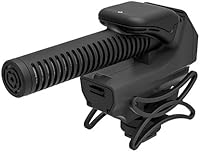
The Azden SMX-15 Shotgun Video Microphone arrived in early 2016 as a practical answer to one of the most persistent complaints among DSLR videographers: terrible built-in camera audio. This on-camera shotgun mic sits comfortably in the prosumer tier — not a toy, but not a broadcast-grade investment either. What separates it from similarly priced competitors is its built-in +20dB gain booster, which directly targets the weak preamps found in most consumer cameras. Solo videographers, vloggers, and event shooters who want noticeably cleaner audio without hauling around a separate recorder will find it a compelling option to consider seriously.
Features & Benefits

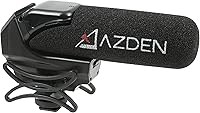
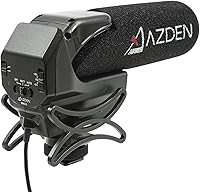
The SMX-15 offers three gain positions — -10dB for louder sources, 0dB as a neutral baseline, and +20dB when your camera preamp simply isn't doing the job. That gain booster is genuinely useful in real conditions: if you've cranked your Canon or Nikon input and heard hiss under your subject's voice, this hardware fix addresses the problem before the signal reaches your camera. A 120Hz low-cut filter handles low-frequency rumble from footsteps and handling, while the unidirectional polar pattern pushes away off-axis noise like crowd chatter and nearby HVAC. Two AA batteries power everything, and output quality reportedly stays consistent across the full battery lifespan.

Best For

This on-camera shotgun mic is a natural fit for DSLR and mirrorless owners who've noticed their footage sounds hollow or hissy but aren't ready to invest in a full audio rig. It suits solo run-and-gun shooters especially well — the kind of videographer who mounts, hits record, and works without a dedicated sound person. Interviews in a home office, indoor b-roll, and small corporate events are environments where it performs reliably. Outdoor use in wind is a different story; the included foam windscreen handles light drafts but isn't built for open-air conditions. If you're currently using no external mic at all, this Azden mic will be a clear step forward.

User Feedback

Buyers consistently highlight two things: the improvement over built-in camera audio is immediately noticeable, and setup takes under a minute. Canon and Nikon DSLR users in particular appreciate the hardware gain boost for cutting preamp noise without touching software. The criticisms are worth knowing upfront, though. Some owners report background hiss in very quiet environments when the +20dB mode is active — that's an inherent tradeoff of boosting a low-level signal, and it's worth testing against your specific camera body. Build quality draws mixed reactions; the plastic construction keeps weight low but raises questions about durability under daily professional use. Battery life, to its credit, generates very few complaints.

Pros

  • Immediately noticeable audio upgrade over any built-in DSLR or mirrorless microphone.
  • The +20dB hardware gain booster directly addresses weak preamp noise on Canon and Nikon bodies.
  • Three gain positions give you quick, practical control without digging into camera menus.
  • The 120Hz low-cut filter reliably reduces foot traffic rumble and handling noise during real shoots.
  • Unidirectional polar pattern keeps distracting off-axis sounds — AC units, crowd noise — out of your recording.
  • Mounts and connects in under a minute; no drivers, apps, or complex configuration required.
  • Battery output stays consistent from fresh cells to nearly depleted, so you won't hear audio drift mid-shoot.
  • Lightweight at 5.6 oz, so it does not noticeably affect camera balance during handheld or gimbal work.
  • Comes ready to shoot out of the box with a foam windscreen, shoe mount, and output cable included.
  • Strong sales rank in its category suggests a large install base and reliable availability of user feedback to reference.

Cons

  • Activating the +20dB boost in a quiet room can introduce audible background hiss, particularly noticeable in dialogue content.
  • The plastic housing raises genuine concerns about durability under frequent travel or daily professional use.
  • The included foam windscreen is adequate indoors but largely ineffective in any meaningful outdoor wind.
  • Mono output only, which limits flexibility if your post-production workflow benefits from a stereo room signal.
  • No built-in low-noise preamp of its own means audio quality is still partly dependent on your camera body.
  • The 3.5mm TRS connection can be a weak point if the cable is repeatedly bent or stressed at the jack.
  • No onboard headphone monitoring means you cannot verify your recorded signal without reviewing footage after the fact.
  • Shooters who outgrow the entry-level tier will likely need to replace it entirely rather than supplement it.

Ratings

The scores below reflect an AI-driven analysis of verified global buyer reviews for the Azden SMX-15 Shotgun Video Microphone, with spam, bot-submitted, and incentivized feedback actively filtered out before scoring. Each category is evaluated on real-world performance patterns reported by actual users across a range of shooting environments and camera setups. Both consistent strengths and recurring frustrations are represented transparently — nothing is softened to protect an overall impression.

Audio Quality Improvement
83%
Across hundreds of reviews, the single most repeated observation is how dramatically cleaner the recorded audio sounds compared to a camera's built-in mic. DSLR shooters doing sit-down interviews or indoor b-roll describe the difference as immediately obvious even to untrained ears, with voices sounding fuller and more focused.
The improvement is relative — users coming from higher-tier microphones or dedicated audio recorders often find the overall clarity underwhelming. In quiet rooms with minimal ambient noise, the mic's own noise floor becomes audible, especially at higher gain settings.
Gain Booster Effectiveness
78%
22%
The +20dB hardware boost is genuinely appreciated by Canon and Nikon DSLR owners who have long struggled with noisy preamps. Being able to run the camera input gain lower while the mic handles the signal lift is a practical, real-world fix that saves time in post-production for many solo shooters.
The boost introduces its own background hiss in very quiet environments, which several users flag as a meaningful drawback for dialogue-heavy content like podcasts or voiceovers. It works best when there is some ambient room noise to mask the noise floor, not in near-silent recording spaces.
Ease of Setup
93%
Setup speed is one of the most consistently praised aspects of this on-camera shotgun mic. Users describe sliding it onto the hot shoe, plugging in the cable, and being ready to shoot in under a minute — no apps, no pairing, no menu diving required, which matters enormously for run-and-gun shooting situations.
There is almost nothing negative reported about setup itself, though a small number of users note the output cable feels short for certain camera configurations where the mic sits higher on an extended cold shoe bracket.
Off-Axis Noise Rejection
76%
24%
The unidirectional polar pattern performs meaningfully better than omnidirectional built-in camera mics in real environments. Users shooting in rooms with background conversations, HVAC systems, or light foot traffic report that the mic keeps the subject clearly dominant in the mix without heavy post-processing.
The rejection is not surgical. Users in louder or more reverberant environments — gyms, open offices, event halls — report that significant off-axis noise still bleeds into recordings. It is a practical shotgun for controlled spaces, not a broadcast-grade interference tube.
Low-Cut Filter Utility
81%
19%
Shooters who work on hard floors or handhold their camera regularly report that the 120Hz low-cut filter makes a noticeable difference, removing the low-end thud and handling rumble that would otherwise require cleanup in editing software. For everyday video use, having it as a hardware switch is faster than applying it in post.
The filter slope at 3dB per octave is relatively gentle, meaning it does not aggressively cut rumble the way steeper filters on higher-end mics do. In particularly vibration-heavy situations — vehicles, active sets — it reduces but does not fully eliminate the problem.
Build Quality
57%
43%
The lightweight plastic body is consistently noted as an advantage for everyday carry and hot shoe use, since it adds minimal weight to the camera setup. For occasional shooters or beginners, the construction is adequate for normal indoor use without putting stress on the mic input jack.
Long-term durability is a recurring concern among buyers who use it frequently. The plastic housing shows scuffs and wear with regular packing and unpacking, and several users report the shoe mount feeling loose over time. Professionals or heavy travelers tend to view the build as a meaningful limitation.
Windscreen Performance
48%
52%
The included foam windscreen does its job in a climate-controlled indoor environment, handling the light air movement from open windows or fans without much trouble. For the target use case of indoor interviews and studio-adjacent setups, it is adequate and saves you from having to buy one separately at this level.
Any real outdoor use exposes the foam windscreen's limits quickly. Users shooting in open air, near doorways, or on location in any kind of breeze report wind noise bleeding through clearly. A dedicated fur windscreen is effectively a required additional purchase for outdoor work, which some buyers feel should be flagged more prominently.
Camera Compatibility
89%
The standard 3.5mm TRS output means this Azden mic connects cleanly to virtually every camera body that accepts an external mic — Canon, Nikon, Sony, Fujifilm, Panasonic, and most action cameras with a mic input. Users rarely report compatibility issues, and the plug-and-play nature is a genuine convenience.
A small number of users with certain Sony and Panasonic bodies report needing to adjust input settings to avoid a slight stereo imbalance, since the mono TRS signal feeds a stereo input. It is a minor configuration issue rather than a true incompatibility, but it can trip up first-time users.
Battery Performance
86%
Battery life draws very few complaints, which is notable. Users running the mic through full-day event shoots or back-to-back recording sessions report that a fresh pair of AA batteries lasts comfortably through extended use without any degradation in audio quality as the cells drain — a practical design choice.
Because it requires its own batteries independent of the camera, there is one more thing to monitor and remember before a shoot. A handful of users have been caught off-guard by dead batteries mid-session because the mic has no battery indicator or low-power warning of any kind.
Value for Money
79%
21%
Relative to what built-in camera audio delivers, the performance jump this on-camera shotgun mic provides is considered strong value by the majority of buyers. For a first external microphone purchase, most users feel the investment is clearly justified by the immediate improvement in their video content.
As buyers become more experienced and start comparing it to slightly pricier competitors, the value perception softens. The combination of a modest noise floor, plastic build, and limited outdoor capability leads some users to wish they had invested a bit more upfront rather than upgrading again within a year.
Size & Portability
88%
At 5.6 oz and a compact shotgun form factor, the SMX-15 does not throw off camera balance during handheld shooting or on a small gimbal. Travel vloggers and solo creators specifically appreciate that it fits in a camera bag pocket and adds no meaningful bulk to their kit.
A handful of users shooting with very compact mirrorless bodies or action cameras find the mic looks visually oversized relative to the camera, which matters for creators who care about the aesthetic of their on-camera setup. It is a personal preference issue rather than a functional one.
Handling Noise
69%
31%
With the low-cut filter engaged, the SMX-15 manages handling noise reasonably well during normal handheld shooting. Shooters doing slow, deliberate movements report that the audio remains largely clean, which is a practical benefit for travel and documentary-style footage captured on the move.
More dynamic handheld use — fast pans, quick repositioning, or walking shots — does let through noticeable handling and mechanical noise. Without a shock mount (not included), any vibration transmitted through the shoe mount reaches the capsule directly, which becomes apparent in active shooting scenarios.
Included Accessories
71%
29%
The package includes the essentials a beginner needs to get started without extra purchases: a foam windscreen, a shoe mount, and a 3.5mm output cable. For someone setting up their first external audio solution, having all three in the box reduces the friction of getting started immediately.
The output cable is on the short side for some camera configurations, and the foam windscreen, as noted by many users, is the bare minimum for anything beyond still indoor air. Buyers who shoot outdoors or in any dynamic environment will need to replace or supplement both accessories fairly quickly.

Suitable for:

The Azden SMX-15 Shotgun Video Microphone is a strong match for hobbyist and early-career videographers who are tired of the hollow, noisy audio that comes standard from DSLR and mirrorless camera built-in mics. It's particularly well-suited to solo content creators — travel vloggers, YouTube producers, and small-event videographers — who need something they can mount on a hot shoe, plug in, and trust without fiddling with complicated settings. If your typical shooting environment is indoors or semi-controlled, like a home studio interview, a conference room presentation, or a small product demo, this on-camera shotgun mic will handle those conditions reliably. Shooters using Canon or Nikon DSLRs with notoriously weak preamps will find the hardware gain booster especially practical, since it tackles preamp noise at the source rather than forcing you to clean it up in post. For someone stepping up from no external mic at all, the improvement in audio quality will be immediately obvious and well worth the investment.
Not suitable for:

The Azden SMX-15 Shotgun Video Microphone is not the right tool for every situation, and being clear-eyed about its limits will save you frustration. If you shoot primarily outdoors in variable wind conditions, the included foam windscreen will not be enough — you'll need a separate furry windscreen, and even then this mic was not designed with field recording in mind. Users who record in very quiet, acoustically controlled environments and push the gain to +20dB may notice a background hiss that becomes distracting, especially in dialogue-heavy content where silence between sentences is clearly audible. The plastic build also makes it a questionable choice for professionals who need gear that can withstand daily heavy use, travel abuse, or the occasional on-set knock. If you're a working videographer or audio engineer who needs broadcast-quality results or plans to use the mic as a primary audio source for paid client work, this Azden mic sits below the threshold you likely need.
Specifications

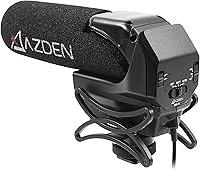
  • Polar Pattern: The SMX-15 uses a unidirectional (shotgun) polar pattern, capturing sound primarily from the front while rejecting noise coming from the sides and rear.
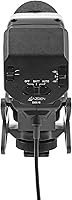
  • Level Adjustment: A three-position gain switch offers -10dB for loud sources, 0dB as a neutral setting, and +20dB to compensate for weak camera preamps.
  • Low-Cut Filter: An onboard low-cut filter engages at 120Hz at 3dB per octave, reducing low-frequency rumble from handling, footsteps, and environmental vibration.
  • Frequency Response: The microphone covers a frequency range of 20Hz to 20kHz, spanning the full range of typical speech and ambient audio.
  • Signal-to-Noise Ratio: The rated signal-to-noise ratio is 20dB, which is functional for general video work but lower than higher-tier shotgun microphones.
  • Output Connector: Audio is delivered via a 3.5mm TRS stereo mini-jack, compatible with the standard microphone input found on most DSLR and compact cameras.
  • Power Source: The mic runs on two AA batteries and is designed to maintain consistent audio output quality across the full lifespan of the batteries.
  • Channels: The SMX-15 records in mono (single channel), which is standard for on-camera shotgun microphones in this category.
  • Weight: The unit weighs 5.6 oz (0.35 lbs), keeping the overall load on the camera hot shoe minimal during handheld or gimbal shooting.
  • Dimensions: Physical dimensions are 7 x 2.5 x 4 inches, making it a compact but full-length shotgun form factor suited for on-camera use.
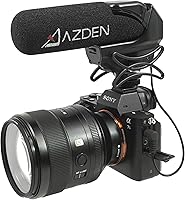
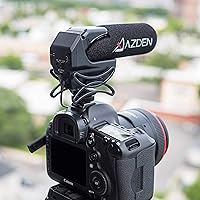
  • Mounting: The included shoe mount attaches the mic directly to a standard camera hot shoe, requiring no additional mounting hardware for basic setup.
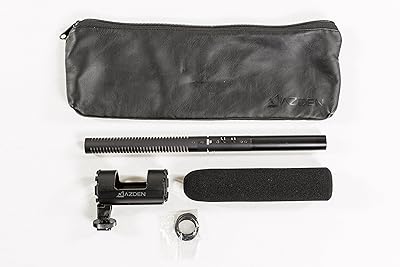
  • Included Accessories: The package includes a foam windscreen for light indoor use, a shoe-mount adapter, and a 3.5mm output cable for connecting to the camera.
  • Compatible Devices: Designed for DSLR cameras and compact video cameras with a standard 3.5mm microphone input and a hot shoe mount.
  • Manufacturer: The SMX-15 is manufactured by Azden Corporation, a company with a long track record in consumer and prosumer audio equipment for video.
  • Model Number: The official model number is SMX-15, which should be used when sourcing replacement parts, accessories, or manufacturer support.
  • Availability: The SMX-15 was first made available in February 2016 and is listed as not discontinued by the manufacturer as of the latest product data.
  • Best Sellers Rank: It holds a rank of approximately #412 in the Professional Video Microphones category on Amazon, indicating sustained and consistent sales performance.
  • UPC: The Universal Product Code for this item is 095528122242, which can be used to verify authenticity at retail or when cross-referencing listings.

Related Reviews
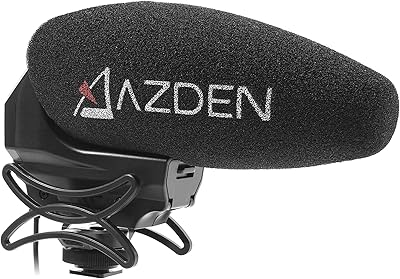
Azden SMX-30 Stereo/Mono Video Microphone
74%
83%
Versatility
67%
Audio Clarity
61%
Mono Shotgun Performance
58%
Stereo Width & Quality
84%
Gain Control
More
Azden SGM-1X Shotgun Microphone
72%
72%
Audio Quality
54%
Build Quality
79%
Value for Money
86%
Polar Pattern Versatility
53%
Durability
More
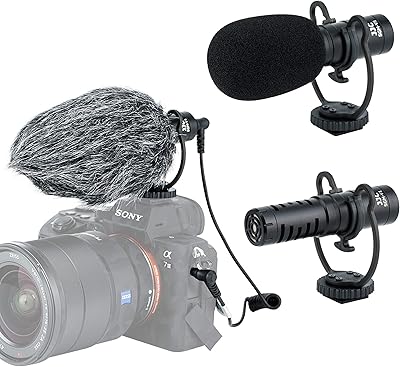
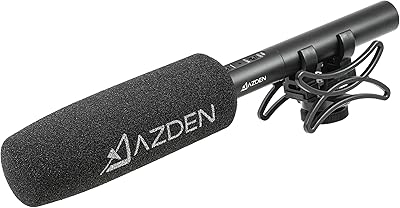
JJC SGM-V1 Shotgun Video Microphone
84%
83%
Vocal Clarity
88%
Build Quality
94%
Portability
91%
Plug-and-Play Convenience
79%
Wind Noise Reduction
More
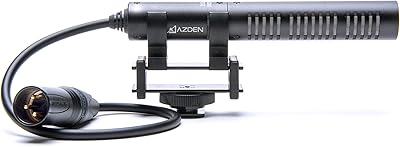
Azden SGM-PDII Shotgun Microphone
72%
83%
Audio Clarity
76%
Noise Rejection
67%
Build Quality
91%
Ease of Setup
78%
XLR Compatibility
More
Azden SGM-250 Shotgun Microphone
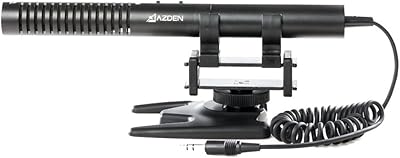
80%
86%
Audio Clarity
83%
Noise Rejection
89%
Build Quality
91%
Dual Power Flexibility
82%
Low-Cut Filter
More
Azden SMX-10 Stereo Condenser Microphone
74%
73%
Audio Quality
81%
Stereo Separation
93%
Ease of Setup
59%
Build Quality
61%
Wind Noise Rejection
More
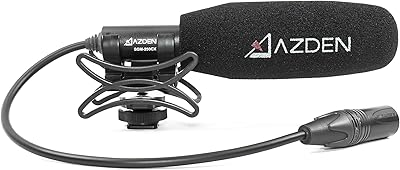
Azden SGM-250CX Compact Shotgun Microphone
73%
84%
Audio Clarity
91%
Build Quality
93%
Size & Portability
58%
Phantom Power Setup
76%
Value for Money
More
Comica VM20
Comica VM20
81%
83%
Audio Clarity
78%
Noise Rejection
88%
Build Quality
81%
Low-Cut Filter Performance
76%
Gain Control
More
Rode VideoMic with Rycote Lyre
83%
92%
Vocal Clarity
94%
Vibration Isolation
89%
Build Durability
91%
Ease of Use
58%
Power Management
More
Comica VM40
Comica VM40
83%
88%
Audio Quality
93%
32-Bit Float Recording
82%
Wireless Performance
91%
Onboard Backup Recording
89%
Build Quality
More

FAQ

Yes, as long as your camera has a standard 3.5mm microphone input jack, the SMX-15 will connect and function normally. Sony mirrorless bodies like the A7 series and ZV-E line all use that standard input, so compatibility is generally straightforward. Just make sure to set your camera input level appropriately and test before a real shoot.

The SMX-15 requires its own power from two AA batteries — it does not draw power from the camera. You will need to switch it on manually before shooting. The upside is that the mic works independently of your camera body, so you get the same signal quality regardless of which camera you use.

Use +20dB when you notice your recorded audio sounds thin, quiet, or noisy even at your camera's maximum input gain — this is common with Canon Rebel and Nikon entry-level DSLRs that have weak preamps. The 0dB setting is the safe starting point for most situations, giving you clean audio with a reasonably loud subject at a normal distance. Avoid +20dB in very quiet recording environments if you are sensitive to noise floor hiss.

It works well enough for indoors or lightly drafty spaces, but for any real outdoor shooting with moving air, it will not provide adequate protection. Wind noise will still bleed through the foam in even modest breezes. If you plan to shoot outside regularly, budget for a fur-style dead cat windscreen that fits over the mic body.

No, it records in mono. The output connector is a 3.5mm TRS plug, which may feed both channels of a stereo input on your camera, but the audio source itself is a single mono channel. For most video work — interviews, vlogging, event coverage — mono is perfectly adequate and presents no practical problem.

Azden rates the SMX-15 to maintain consistent audio quality across the full lifespan of the batteries, and real-world users generally report no complaints about battery longevity. Standard AA batteries will comfortably power the mic through multiple full shooting days. It is still worth carrying a spare pair if you are heading into a long event or all-day shoot.

Technically yes — the mic will capture audio from any position you place it in. However, it is designed and optimized for hot shoe mounting, and it does not include a standard boom pole adapter out of the box. If you want to use it off-camera, you would need a separate shock mount and XLR adapter or a compatible boom pole with a 3.5mm connection, which adds cost and complexity.

Yes, especially if you are shooting in a space with HVAC noise, on a hard floor where footsteps rumble, or while handholding the camera and bumping the body slightly. Engaging the 120Hz filter removes that low-end drone that often makes indoor recordings sound muddy. For controlled studio-style setups, you may not need it, but it is a useful tool to have available.

It will help significantly, which is one of the main reasons Canon shooters gravitate toward this Azden mic in the first place. The +20dB hardware booster raises the mic signal before it hits your camera input, which means you can run your camera gain lower and avoid the worst of the preamp noise. It is not a perfect fix, but the improvement over using no external mic — or a passive mic without a booster — is clearly audible to most users.

This is one area where expectations should be managed. The housing is plastic, which keeps weight down but does not feel particularly rugged. For a dedicated travel vlogger who packs and unpacks gear frequently, the construction may show wear over time. It is not fragile, but it is not built to the same standard as professional broadcast microphones. Storing it in a padded pouch when not mounted on the camera is a sensible precaution.

Where to Buy