Overview

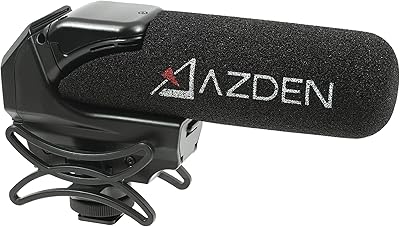
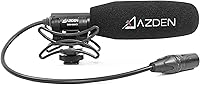
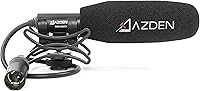
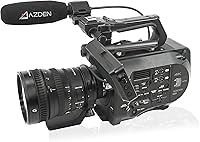
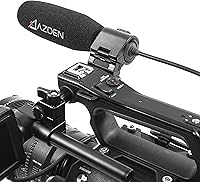
The Azden SGM-250CX Compact Shotgun Microphone is a short-body, phantom-powered XLR mic built specifically for filmmakers who mount audio directly on their camera rather than running a separate boom setup. At just 6 inches long, the compact form factor is no accident — it's engineered to sit cleanly atop small cinema bodies without throwing off balance or blocking monitors. The SGM-250CX sits within Azden's broader SGM-250 family, with the CX variant distinguished by its attached mini XLR cable rather than a standard full-size connector. It requires 48V phantom power, so this is not a plug-and-play solution for every rig. The 10-year manufacturer warranty is a genuine differentiator — rare at this price point and a strong confidence signal from a Japan-crafted brand.

Features & Benefits

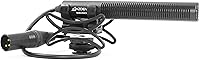
The SGM-250CX uses a supercardioid polar pattern, which tightens the pickup angle and pushes background noise to the sides — useful when shooting in a busy location or anywhere with ambient sound you'd rather not capture. Its frequency response spans the full 20 Hz to 20 kHz range, and with a 76 dB signal-to-noise ratio, the condenser element handles quiet dialogue cleanly without introducing much self-noise. The attached 13-inch mini XLR cable is a thoughtful touch — it keeps your rig tidy without requiring a separate patch cable to reach a camera's input. Worth noting plainly: there's no low-cut filter, so handling noise or low-frequency rumble will not be rolled off automatically. At 3 oz, this compact shotgun mic adds virtually no perceptible weight to even a small cinema body.

Best For

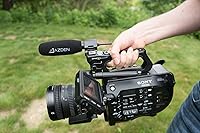
This compact shotgun mic is a natural fit for anyone shooting on a BMPCC, Z Cam, or similarly sized cinema body where a large mic would look and feel out of place. It suits controlled environments well — think narrative short films, sit-down interviews, or structured YouTube productions where the subject stays within the pickup field and ambient noise stays manageable. Because it runs on 48V phantom power exclusively, pairing it with a camera that has a built-in preamp or an external recorder like a Zoom or Sound Devices unit is a hard requirement. Wireless shooters or run-and-gun operators working without a mixer may find the setup more demanding. For filmmakers who prioritize clean cable management and long-term reliability, Azden's cine-focused on-camera mic is a considered and durable choice.

User Feedback

With a 4.3-out-of-5 rating across 31 reviews, the SGM-250CX earns its marks mostly through consistent praise for build quality and size — buyers frequently note how well it integrates physically on compact rigs without adding bulk. Audio cleanliness gets positive mentions too, particularly from those upgrading from a camera's built-in mic. On the flip side, the absence of a low-cut filter surfaces as a practical gripe for anyone shooting outdoors or in less controlled acoustic spaces. The phantom power dependency is another recurring topic — a handful of buyers were caught off guard by needing an additional preamp or recorder to drive the mic. The review pool is smaller than mass-market competitors, but the feedback is consistent and skews toward professional use cases rather than casual recording.

Pros

  • Supercardioid pattern rejects off-axis noise effectively, keeping dialogue clean in moderately busy environments.
  • Full 20 Hz to 20 kHz frequency response means audio reproduction is natural and uncolored across the board.
  • At just 3 oz, the SGM-250CX adds virtually no perceptible weight to compact cinema rigs or gimbal setups.
  • The attached 13-inch mini XLR cable removes the need for a separate patch cable, keeping the rig tidy.
  • A 10-year manufacturer warranty is genuinely rare in this category and signals serious long-term brand commitment.
  • Handcrafted in Japan — build quality consistently draws praise from buyers upgrading from cheaper on-camera mics.
  • 76 dB signal-to-noise ratio means the condenser element handles quiet dialogue without introducing distracting self-noise.
  • The 6-inch body fits cleanly on small cinema bodies without blocking monitors or obstructing the viewfinder.
  • Sits at a competitive rank in professional video microphones, reflecting consistent buyer satisfaction over time.

Cons

  • No low-cut filter means wind, handling noise, and low-frequency rumble pass through unfiltered to your recording.
  • Strict 48V phantom power dependency rules out use with basic camera inputs that lack a proper preamp.
  • No battery option whatsoever — without phantom power available, the mic is completely non-functional.
  • The mini XLR connector is less universal than a standard full-size XLR, which can complicate adapter choices in the field.
  • Only 31 reviews available, making it harder to assess long-term reliability patterns compared to more established competitors.
  • No included windscreen or shock mount — accessories needed for practical outdoor or handheld use add to the total cost.
  • Not suited for wireless audio workflows; buyers needing transmitter-compatible or battery-powered solutions must look elsewhere.
  • The fixed attached cable limits cable length flexibility — shooters needing more reach between mic and recorder have no built-in option.

Ratings

Our AI-generated scores for the Azden SGM-250CX Compact Shotgun Microphone are derived from a rigorous analysis of verified global buyer reviews, with spam, bot activity, and incentivized feedback actively filtered out before scoring. Each category reflects both the genuine strengths buyers consistently praised and the real frustrations that surfaced across multiple use cases and shooting environments. Nothing has been smoothed over — the scores transparently capture where this compact shotgun mic earns its reputation and where it falls short.

Audio Clarity
84%
Buyers shooting narrative shorts and sit-down interviews consistently noted that dialogue captured through the SGM-250CX sounded natural and intelligible without heavy post-processing. The 76 dB SNR delivers a low noise floor that holds up well in quiet interior environments, making clean audio a realistic outcome rather than a lucky one.
In less controlled settings — a room with HVAC noise, a café, or any space with reflective surfaces — the mic picks up more ambient detail than some buyers anticipated. Without a low-cut filter, low-frequency coloration from room tone can creep into recordings and require corrective EQ in editing.
Build Quality
91%
The Japan-crafted construction drew repeated praise from buyers who had previously used budget on-camera mics that felt plasticky or fragile. The body feels solid and purposeful in hand, and several reviewers specifically mentioned that the mic showed no signs of wear or performance degradation after extended regular use on set.
A small number of buyers noted the body can feel overly minimal compared to mics that include rubberized grip sections or more industrial-grade housing textures. At this price point, the lack of any included protective pouch or case means buyers need to source their own storage solution to protect the mic between shoots.
Size & Portability
93%
The 6-inch body is one of the genuine standout traits of this mic — buyers mounting it on Blackmagic Pocket cameras or similarly compact cinema bodies consistently praised how unobtrusively it sits on the hot shoe without blocking EVFs, monitors, or adding visible camera drag. At 3 oz, it adds almost nothing to gimbal-balanced rigs.
The compact form factor does mean a shorter interference tube compared to full-size shotgun mics, which translates to less aggressive off-axis rejection at longer distances. Shooters expecting boom-level reach from a 6-inch body will find the pickup range more limited than anticipated.
Phantom Power Setup
58%
42%
For buyers already running a Zoom F-series recorder, Sound Devices unit, or a cinema camera with proper 48V support in their kit, the setup process is clean and the mic performs exactly as expected from the moment it is powered up. Those familiar with professional audio chains found the XLR integration straightforward.
The strict 48V phantom power requirement created genuine friction for a notable portion of buyers who discovered their camera or interface did not supply full phantom power after purchase. The absence of any battery fallback means a dead phantom power source equals a completely non-functional mic, which is a real on-set risk if the primary recorder fails.
Value for Money
76%
24%
Buyers who understood what they were purchasing — a Japan-made, phantom-powered on-camera shotgun for structured cinema work — generally felt the pricing was fair given the build quality and the 10-year warranty backing the investment. The warranty alone distinguishes it from several competing mics at similar or higher prices.
For buyers who purchased without fully accounting for the need for a phantom-capable recorder or additional accessories like a shock mount and windscreen, the effective total cost felt higher than expected. Those comparing it against competing mics that include more in the box found the accessory situation less compelling at this price tier.
Off-Axis Rejection
79%
21%
The supercardioid polar pattern does a credible job of pushing ambient noise from the sides out of the primary capture zone, which proved useful for buyers shooting interviews in office environments or lightly busy indoor locations. Subjects positioned directly on-axis came through noticeably cleaner than background chatter.
The rejection performance is solid for on-camera placement but falls short of what a full-length shotgun with a longer interference tube achieves. Buyers shooting in noisier environments noticed that off-axis sound still bleeds in more than they wanted, particularly when subjects were more than a few feet from the camera.
Cable & Connectivity
82%
18%
The attached 13-inch mini XLR cable was a practical detail that buyers running compact cinema setups appreciated — it keeps the rig visually tidy and eliminates the need to source a separate short patch cable for close-mounted audio inputs. Several reviewers specifically called out the cable as a thoughtful design choice.
The fixed cable length offers no flexibility for setups where the recorder or input is positioned further from the camera body. Buyers using the mic in non-standard configurations — rigged further from the hot shoe or mounted on a cage — found 13 inches limiting and had to add their own extension cable.
Low-Frequency Handling
47%
53%
In completely controlled indoor environments with solid flooring and no HVAC or traffic noise nearby, the absence of a low-cut filter is rarely a problem — the mic captures clean, balanced audio that requires little corrective work in post-production.
The lack of any built-in high-pass or low-cut filter is a concrete limitation that surfaced repeatedly in feedback from outdoor and location shooters. Wind rumble, footstep vibration, and low-frequency ambient noise all pass through unfiltered, pushing the burden of correction entirely into post-production or external preamp processing.
Ease of Use
63%
37%
Once a compatible phantom-powered device is in the chain, the SGM-250CX is straightforward — mount it, plug it in, and it works without menus, switches, or setup complexity. Buyers who shoot structured, repeatable setups found the workflow refreshingly simple after initial configuration.
The learning curve for buyers new to phantom-powered XLR mics can be steep. A meaningful share of negative reviews stemmed not from mic defects but from buyers not understanding the power requirements before purchase, which points to a real usability barrier for less experienced videographers.
On-Camera Integration
88%
The SGM-250CX was purpose-designed for compact cinema camera mounting, and that intentionality shows — buyers consistently described a snug, balanced fit on small bodies that did not interfere with controls, LCD articulation, or viewfinder access. The proportions feel right in a way that longer mics simply do not on these camera bodies.
Compatibility is inherently narrow by design. Buyers attempting to use this mic on larger camera bodies, DSLRs with top handles, or in boom configurations found the short body and mini XLR output less convenient than a standard-sized shotgun would be for those applications.
Warranty & Support
89%
A 10-year manufacturer warranty on a professional audio product is genuinely uncommon and gave buyers real confidence at the point of purchase. Several reviews mentioned that knowing Azden stands behind the product for a decade made the decision easier compared to competing mics with one- or two-year coverage.
Because this is a niche product with a relatively small review base, real-world warranty claim experiences are not widely documented online. Buyers outside major markets may find that accessing warranty service involves more logistical friction than with larger, globally distributed audio brands.
Handling Noise
61%
39%
In static tripod or locked-off camera setups where the camera body is not being touched during a take, handling noise is rarely a complaint. Buyers shooting scripted content from a fixed position found the mic performed cleanly without any special isolation measures.
Without an included shock mount, the SGM-250CX transmits vibration from handheld movement, camera adjustments, and footsteps more readily than mics sold with isolation accessories. Buyers who shoot handheld regularly noticed a meaningful uptick in low-level mechanical noise in their audio tracks.
Accessories Included
39%
61%
The attached mini XLR cable is a practical inclusion that reduces the accessory burden for straightforward on-camera setups, and buyers appreciated not needing to source a short patch cable separately for standard mounting configurations.
Beyond the cable, the box is essentially bare — no windscreen, no shock mount, no storage pouch, and no adapter for cameras with full-size XLR inputs. For a product at this price point, buyers across multiple reviews flagged that the out-of-box experience requires additional spending before the mic is truly field-ready.

Suitable for:

The Azden SGM-250CX Compact Shotgun Microphone is purpose-built for indie filmmakers and video producers who shoot on compact cinema bodies like the Blackmagic Pocket Cinema Camera and want a tidy, reliable on-camera audio solution without running a separate boom pole or wireless system. If your workflow involves structured, controlled environments — think scripted short films, sit-down interviews, corporate video, or well-managed YouTube productions — this mic's supercardioid pickup pattern and 76 dB SNR will serve you well. The attached mini XLR cable is a practical advantage for anyone who hates cable clutter on a small rig, and the 3 oz body means it won't throw off your balance on a gimbal. Shooters who already own a phantom-power-capable recorder or camera with a proper preamp will find the setup straightforward. Anyone prioritizing long-term durability and brand accountability will also appreciate the decade-long warranty backing a Japan-made product in a category where most competitors offer far less.

Not suitable for:

The Azden SGM-250CX Compact Shotgun Microphone is a poor match for run-and-gun operators who need quick, flexible audio solutions in unpredictable environments — its strict 48V phantom power requirement means you cannot simply plug it into a basic camera input or a battery-powered device without the right preamp or recorder in your chain. Outdoor shooters or documentary filmmakers dealing with wind, traffic, or ambient low-frequency noise will feel the absence of a low-cut filter acutely, as there is no built-in way to roll off rumble before it hits your recording. Content creators looking for a simple plug-and-record microphone — something USB or TRS that works straight out of the box — will find the XLR-only setup unnecessarily demanding. Vloggers or solo run-and-gun creators who frequently shoot in varied, uncontrolled locations are likely better served by a mic with a battery option and built-in high-pass filtering. With only 31 reviews on record, buyers who rely heavily on large community consensus before committing may also want to look at more widely reviewed alternatives in this category.

Specifications

  • Microphone Type: Supercardioid condenser shotgun microphone designed for on-camera mounting on compact cinema bodies.
  • Polar Pattern: Supercardioid (unidirectional), providing tight front pickup and strong rejection of off-axis ambient sound.
  • Frequency Response: Covers the full audible spectrum from 20 Hz to 20 kHz with no stated roll-off or peak coloration.
  • Signal-to-Noise Ratio: Rated at 76 dB, indicating a low self-noise floor suitable for quiet dialogue and controlled recording environments.
  • Power Source: Requires 48V phantom power exclusively; there is no battery option and the mic will not operate without it.
  • Connector: Outputs via a 3-pin mini XLR connector with a factory-attached 13″ cable — no separate patch cable required for most on-camera setups.
  • Body Length: Measures 6 inches (153 mm) in length, making it one of the more compact shotgun body sizes available for cinema use.
  • Weight: Weighs 3.0 oz (85 g), light enough for gimbal-mounted or handheld use without meaningfully affecting camera balance.
  • Impedance: Output impedance is rated at 100 Ohm, compatible with standard professional preamp and recorder inputs.
  • Low-Cut Filter: No low-cut filter is included; low-frequency noise and handling rumble will pass through to the recording unfiltered.
  • Channels: Mono output with a single channel — standard for on-camera dialogue and narration applications.
  • Origin: Handcrafted in Japan, reflecting Azden's commitment to precision manufacturing for professional audio tools.
  • Warranty: Backed by Azden's 10-year manufacturer warranty, which is significantly longer than the industry standard for microphones in this category.
  • Battery Option: No battery option exists; the mic depends entirely on phantom power supplied by a connected recorder, preamp, or compatible camera.
  • Market Rank: Holds a Best Sellers Rank of #423 in the Professional Video Microphones category on Amazon.

Related Reviews
Azden SGM-PDII Shotgun Microphone
72%
83%
Audio Clarity
76%
Noise Rejection
67%
Build Quality
91%
Ease of Setup
78%
XLR Compatibility
More
Azden SGM-1X Shotgun Microphone
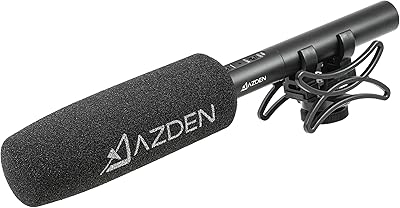
72%
72%
Audio Quality
54%
Build Quality
79%
Value for Money
86%
Polar Pattern Versatility
53%
Durability
More
Azden SGM-250 Shotgun Microphone
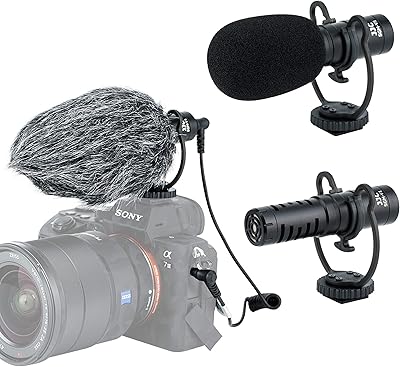
80%
86%
Audio Clarity
83%
Noise Rejection
89%
Build Quality
91%
Dual Power Flexibility
82%
Low-Cut Filter
More
Sony ECM-B1M
Sony ECM-B1M
86%
93%
Sound Quality & Voice Isolation
96%
Form Factor & Portability
64%
Camera Compatibility
98%
Battery Independence
89%
Recording Versatility
More
JJC SGM-V1 Shotgun Video Microphone
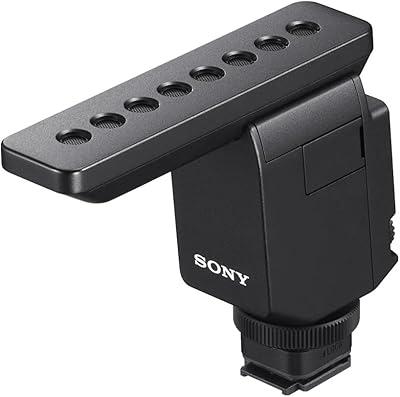
84%
83%
Vocal Clarity
88%
Build Quality
94%
Portability
91%
Plug-and-Play Convenience
79%
Wind Noise Reduction
More
Azden SMX-15 Shotgun Video Microphone
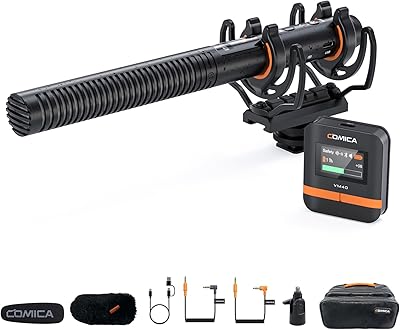
77%
83%
Audio Quality Improvement
78%
Gain Booster Effectiveness
93%
Ease of Setup
76%
Off-Axis Noise Rejection
81%
Low-Cut Filter Utility
More
Pixel M80 Shotgun Microphone
74%
74%
Audio Clarity
71%
Noise Rejection
38%
Wind Resistance
67%
Build Quality
83%
Value for Money
More
Saramonic VMICMINI Mini Shotgun Microphone
76%
72%
Audio Quality
94%
Ease of Use
83%
Build Quality
88%
Value for Money
86%
Device Compatibility
More
Rode VideoMic with Rycote Lyre
83%
92%
Vocal Clarity
94%
Vibration Isolation
89%
Build Durability
91%
Ease of Use
58%
Power Management
More
Comica VM40
Comica VM40
83%
88%
Audio Quality
93%
32-Bit Float Recording
82%
Wireless Performance
91%
Onboard Backup Recording
89%
Build Quality
More

FAQ

Either works, as long as the device supplying power outputs a stable 48V phantom signal. Many compact cinema cameras like the Blackmagic Pocket Cinema Camera have preamps but may not supply full 48V, so it is worth confirming your camera's specs. If your camera does not support phantom power, a small field recorder like a Zoom H5 or Sound Devices MixPre placed between the mic and camera will handle it cleanly.

The key distinction is the cable configuration. The CX variant ships with an attached 13-inch mini XLR cable rather than the standard full-size XLR connector found on the base SGM-250. This makes it a better physical match for compact cinema cameras that use mini XLR inputs, reducing the need for adapters and keeping the rig cleaner.

It can work outdoors in calm conditions, but there are real limitations to keep in mind. There is no built-in low-cut filter, so wind rumble and handling noise will not be rolled off before they hit your recording. You would want a quality windscreen or deadcat — neither of which is included — and ideally a shock mount to reduce vibration transfer. For heavy outdoor or run-and-gun work, a mic with a built-in high-pass filter would be a more forgiving choice.

Technically yes, but it is not the ideal tool for that job. The SGM-250CX is optimized for on-camera use, and its mini XLR output means you would need an adapter and a phantom-power-capable interface to connect it to a computer. A large-diaphragm condenser or even a dynamic mic designed for broadcast use would be a more practical and cost-effective choice for static studio recording.

A supercardioid pattern has a narrower acceptance angle than a standard cardioid, which means you get better side rejection but you also need to aim more precisely. Keep the mic pointed directly at your subject's mouth and try to minimize lateral movement. The tighter pattern is genuinely useful in locations with ambient noise on the sides, but it does require more care during handheld or moving shots.

Based on the product listing, the included components are limited to the mic itself and the attached cable. A windscreen and shock mount are not included. For any serious on-camera use — especially outdoors or when handheld — budgeting for a foam windscreen and a compatible cold shoe mount adapter is a practical next step.

It depends entirely on whether your specific camera model supplies 48V phantom power through its microphone input. Most consumer mirrorless cameras do not — they typically provide plug-in power at a much lower voltage, which is not compatible with this mic. You would generally need an external recorder or preamp with proper phantom power between the SGM-250CX and a consumer mirrorless body to make the setup work reliably.

For a Japan-manufactured audio product from a brand like Azden, the 10-year warranty is a genuinely meaningful commitment. It suggests confidence in the build quality of the condenser element and body — components that can degrade over time in cheaper mics. That said, always confirm warranty terms directly with Azden, as coverage conditions and geographic limitations can vary.

The two mics target a similar on-camera niche but differ in some meaningful ways. The SGM-250CX requires 48V phantom power, while the VideoMicro draws power directly from the camera's microphone input without needing phantom power — making the Rode the easier plug-and-play option for many setups. The SGM-250CX's mini XLR output and Japan build quality may appeal more to shooters already running a phantom-capable recorder in their rig, while the Rode suits simpler, lighter setups with fewer accessories.

Handling noise is a known consideration with any on-camera shotgun mic, and the SGM-250CX does not include a built-in shock isolation system. Mounting it using a proper shock mount or a vibration-dampening cold shoe adapter will make the biggest difference. Avoiding touching the camera body while recording, and ensuring the mic is securely seated rather than loose in its mount, will also help reduce unwanted mechanical noise in your recordings.