
Overview

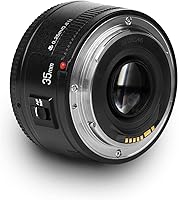
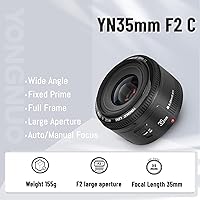
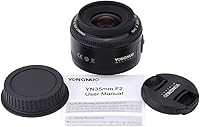
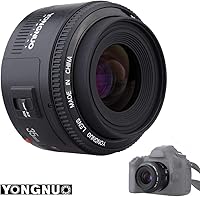
The YONGNUO YN35mm F2 Wide-Angle Prime Lens is Yongnuo's answer to Canon shooters who want a fast prime without spending a fortune. The brand has carved out a real niche making Canon-compatible glass at prices that genuinely undercut the competition, and this 35mm prime fits squarely in that tradition. At 35mm, you get a natural, versatile field of view that works equally well for street shooting, travel, and everyday use — it's close to how the human eye sees the world, which makes framing feel intuitive. With a 4.2-star average across nearly 2,500 buyer reviews, real people are clearly using and recommending it. Just go in knowing it competes on value, not optical prestige.

Features & Benefits

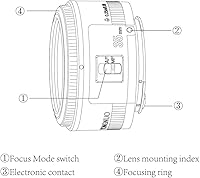
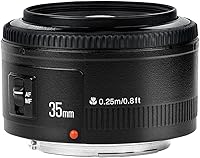
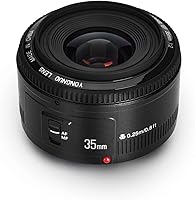
The F/2 maximum aperture is the headline feature here — it opens up enough to shoot in dim indoor light or create background blur on a portrait, something kit lens owners will notice immediately. An AF/MF switch on the barrel lets you flip between autofocus and manual control without diving into menus, a practical touch. This budget wide-angle lens weighs just 6.3 oz and measures 73×59mm, compact enough to forget you are carrying it after an hour. The 52mm filter thread is a widely available size, making compatible ND and polarizing filters easy to source affordably. A minimum focusing distance of 0.25m also lets you get closer to small subjects than many primes in this class allow.

Best For

This 35mm prime makes the most sense for Canon DSLR owners on a tight budget who want to move past the kit zoom and experience what a fast prime actually feels like to shoot with. Street photographers and travellers will appreciate the light build and the 63-degree angle of view — wide enough to capture context, tight enough to avoid distortion. It also works well for students experimenting with depth of field and manual exposure without the anxiety of an expensive lens. Casual vloggers needing wider, brighter glass for run-and-gun clips will find it capable. Where it falls short is in professional or commercial contexts where consistent AF reliability and edge-to-edge sharpness are non-negotiable — for those demands, save up.

User Feedback

Buyers are largely positive, with center-frame sharpness — particularly stopped down to F/5.6 — drawing consistent compliments from users shooting in decent light. On the other side, autofocus hunting in low-contrast or low-light conditions is a real and frequently mentioned frustration. Wide open at F/2, expect visible corner vignetting and some chromatic aberration along high-contrast edges; both are typical at this price point and manageable in post-processing, but worth knowing upfront. Build quality divides opinion — the plastic construction feels noticeably lighter than Canon's own glass, though most buyers report it holding together fine under regular use. The dominant theme across reviews is strong value rather than remarkable optics.

Pros

  • The F/2 aperture delivers genuinely useful low-light performance that kit lens owners will notice immediately.
  • Center-frame sharpness is strong when stopped down to F/4 or F/5.6, producing clean, detailed images.
  • At just 6.3 oz, this budget wide-angle lens is light enough to carry all day without fatigue.
  • The AF/MF switch is quick and physical — no menu diving required to change focus modes.
  • A 0.25m minimum focusing distance lets you get closer to subjects than many competing budget primes allow.
  • The 52mm filter thread is a widely available size, keeping the cost of compatible filters low.
  • Nearly 2,500 buyer reviews with a 4.2-star average reflects real-world satisfaction across a large user base.
  • The 35mm focal length covers street, travel, casual portraits, and video with a single versatile lens.
  • Price point makes it a low-risk entry into prime lens shooting for beginners still building their kit.

Cons

  • Autofocus hunting in low-contrast or low-light scenes is a recurring and well-documented frustration.
  • Visible corner vignetting wide open at F/2 requires correction in post if clean edges matter to you.
  • Chromatic aberration along high-contrast edges at F/2 is noticeable and can be tricky to remove cleanly.
  • The plastic build feels noticeably cheap compared to Canon-branded lenses at even modest price points.
  • AF speed is inconsistent enough that action, wildlife, or event photographers should look elsewhere.
  • Edge and corner sharpness falls off significantly at wider apertures, limiting usable frame area.
  • No weather sealing of any kind — rain, dust, or humid conditions pose a real risk to the lens.
  • Long-term build durability is uncertain; the mount and barrel show wear faster than metal-construction alternatives.
  • The YN35mm F2 offers no image stabilization, which compounds the challenge of handheld shooting in low light.

Ratings

Our AI rating system analyzed thousands of verified global reviews for the YONGNUO YN35mm F2 Wide-Angle Prime Lens, actively filtering out incentivized, bot-generated, and outlier feedback to surface what genuine buyers actually experience. The scores below reflect both the real strengths that keep this lens consistently popular and the honest pain points that matter when you are deciding whether to buy. Nothing has been softened.

Value for Money
93%
This is where the YN35mm F2 earns its reputation without argument. Buyers repeatedly describe it as the most impactful upgrade they made to their Canon kit relative to what they spent, and the sheer volume of positive sentiment around pricing is striking across every market where it sells.
A small but vocal group of buyers feel the value equation shifts if you factor in long-term reliability concerns, arguing that spending more upfront on a Canon or Sigma alternative would have been smarter. For shooters who push gear hard, the math can look different after a year of regular use.
Image Sharpness
74%
26%
Center-frame sharpness stopped down to F/4 through F/8 draws genuine praise — users shooting street scenes and travel portraits in good light consistently report results that look clean and detailed at standard web and print sizes. Many beginners are genuinely surprised by the output quality relative to their previous kit zoom.
Wide open at F/2, corner and edge softness is real and measurable, and experienced photographers shooting subjects that fill the full frame will notice it. For anyone making large prints or doing significant cropping in post, the inconsistency across the frame is a limitation that better glass at a higher price avoids.
Autofocus Performance
58%
42%
In well-lit, high-contrast situations — outdoor street shooting on a bright day, for instance — the AF motor locks on reliably and fast enough that most casual shooters would not feel held back. Users shooting static or slow-moving subjects in good light rarely report problems.
Low-contrast and low-light autofocus hunting is the single most consistently reported frustration across buyer reviews worldwide. The motor audibly searches back and forth before settling, and sometimes fails to lock entirely, which costs real shots during indoor events, evening outings, or any scene lacking clear tonal contrast.
Build Quality
61%
39%
The metal EF mount interface connects solidly to camera bodies without wobble, and the physical AF/MF switch feels positive and reliable in everyday use. Buyers who treat the lens with normal care generally report it holding together without mechanical failures over months of regular shooting.
The polycarbonate barrel is the primary complaint — it feels noticeably lightweight and plasticky compared to any Canon-branded equivalent, and the focus ring has a looseness that erodes confidence during manual use. Anyone upgrading from even a mid-range Canon lens will feel the material downgrade immediately.
Low-Light Capability
71%
29%
The F/2 aperture makes a genuinely practical difference indoors and in evening conditions, letting shooters raise shutter speed or lower ISO in situations where a kit zoom would force a compromise. Users shooting family gatherings, cafe interiors, and evening street scenes cite this as a meaningful real-world upgrade.
Because the autofocus system struggles in low contrast conditions that often accompany low-light scenes, the aperture advantage is partially offset by AF unreliability — you may get the exposure right but miss focus. Shooters who rely on fast, accurate AF in dim environments will find this combination frustrating in practice.
Vignetting Control
54%
46%
Corner darkening at F/2 is predictable and consistent, which means it is easy to correct with a single lens profile adjustment in Lightroom or Capture One. On APS-C bodies the crop sensor naturally avoids the worst-affected edges of the image circle, making vignetting a smaller concern for Rebel and mid-range DSLR users.
On full-frame Canon bodies shooting wide open, the vignetting is pronounced enough to be visually obvious without correction, which adds a mandatory post-processing step that many buyers do not want to deal with. Those shooting JPEG-only with no post-editing workflow will see the darkened corners in every wide-open frame.
Chromatic Aberration
59%
41%
Stopped down to F/5.6 and beyond, chromatic aberration is well-controlled for a lens at this price point, and most buyers shooting in raw format report that lens correction profiles handle fringing effectively without manual intervention.
At F/2, color fringing along high-contrast edges — tree branches against bright sky, window frames, hair against white walls — is visible and occasionally stubborn to remove cleanly in post. Buyers shooting high-contrast architectural or backlit subjects wide open will encounter this limitation regularly.
Portability
91%
At 6.3 oz and 73×59mm, this budget wide-angle lens disappears on a DSLR body in a way that heavier primes simply do not. Travel and street photographers frequently mention that the lightweight profile made them more likely to bring the camera along, which directly translates to more shots taken.
The compact dimensions mean the focus ring real estate is narrow, which some users with larger hands find fiddly when switching to manual focus during a shoot. It is a minor ergonomic trade-off, but worth noting for anyone who relies on manual focus regularly.
Versatility
82%
18%
The 35mm focal length earns consistent praise for covering a wide range of shooting situations — street, travel, casual portraits, indoor events, and even light video work — without requiring a lens swap. Buyers who use it as their primary walking-around lens on a crop-sensor body get especially broad mileage from the 56mm equivalent field of view.
On full-frame bodies, 35mm is genuinely wide, which means it is less ideal as a portrait-only lens without some distortion management. Shooters who want a single lens to cover both wide environmental shots and flattering close portraits will find the 35mm perspective requires more intentional positioning than a 50mm or 85mm alternative.
Manual Focus Experience
62%
38%
The physical AF/MF switch is a practical and appreciated feature that makes mode changes fast and tactile, and in good light the focus ring gives enough feedback for street-zone-focusing techniques that experienced photographers use to prefocus and shoot quickly.
The focus ring throw is short and the damping feels loose, making precise manual focus pulls difficult without using live view magnification as a crutch. Video shooters who rely on smooth manual focus racks for cinematic shots will find the ring behavior frustrating and imprecise compared to dedicated cine lenses or even mid-range photo lenses.
Filter Compatibility
88%
The 52mm filter thread hits a sweet spot — it is small enough to keep filter costs low and common enough that most photographers already own compatible filters from other lenses in their kit. Buyers adding ND filters for outdoor video or polarizers for landscape work report straightforward, no-surprises compatibility.
Photographers who own a mix of lenses using larger filter diameters — 67mm or 77mm, for instance — will need step-up rings to reuse existing filters, adding a minor inconvenience and a small additional cost that not all buyers anticipate before purchasing.
Video Usability
66%
34%
The combination of 35mm field of view and F/2 aperture makes this 35mm prime a workable choice for casual vlogging and run-and-gun footage in decent light, and several buyers specifically praise the natural perspective for handheld walking shots and environmental video content.
The AF motor noise is audible during focus pulls and bleeds into in-camera audio recordings, which is a real problem for solo vloggers using the built-in microphone. Continuous autofocus behavior during video is also inconsistent, with focus hunting appearing during slow pans across scenes with varying contrast.
Long-Term Durability
63%
37%
The majority of buyers who have owned the lens for one to two years report no mechanical failures under normal casual use conditions, and the metal mount interface — the most mechanically stressed part of any lens — holds up without reported play or loosening over time.
There is a meaningful minority of reviews describing focus motor failures, AF irregularities, and barrel wear appearing within the first year under heavier or more professional-level use. The absence of weather sealing also means that any exposure to moisture or heavy dust is a genuine risk the owner must actively manage.

Suitable for:

The YONGNUO YN35mm F2 Wide-Angle Prime Lens is a strong fit for Canon DSLR owners who are ready to move beyond their kit zoom but are not yet prepared to spend heavily on first-party glass. Hobbyists, students, and enthusiasts who shoot street scenes, travel, or everyday life will find the 35mm focal length naturally intuitive — it frames the world in a way that feels neither cramped nor exaggerated. The F/2 aperture is a meaningful real-world upgrade for anyone who has struggled shooting indoors or in fading evening light with a slower kit lens. Beginners learning to control depth of field manually will also get a lot of educational mileage here without the anxiety of damaging an expensive optic. Casual videographers and vloggers who need wider, brighter glass for handheld footage on a budget will find this 35mm prime a capable and lightweight choice.

Not suitable for:

The YONGNUO YN35mm F2 Wide-Angle Prime Lens is not the right tool for photographers who depend on fast, confident autofocus — wedding shooters, sports photographers, or anyone working in low-contrast or low-light environments will run into frustrating AF hunting that costs real shots. Professionals who require consistent edge-to-edge sharpness for commercial, architectural, or print work will notice the optical limitations, particularly the vignetting and chromatic aberration that appear wide open at F/2. If you are already shooting Canon L-series glass and expect a similar tactile build and weather resistance, the plastic construction here will feel like a significant step down. This budget wide-angle lens also lacks the AF fine-tuning consistency that experienced photographers often need when shooting wide open. Anyone planning to make large prints or use aggressive crops in post will likely be disappointed by corner performance that simply cannot match pricier alternatives.

Specifications

  • Focal Length: This lens has a fixed 35mm focal length, providing a diagonal angle of view of 63 degrees on a full-frame Canon EF-mount body.
  • Maximum Aperture: The maximum aperture is F/2, wide enough for low-light shooting and moderate background separation in everyday conditions.
  • Minimum Aperture: The lens stops down to F/22, giving photographers full control over depth of field across a broad exposure range.
  • Lens Mount: Designed exclusively for Canon EF-mount cameras, making it compatible with Canon APS-C and full-frame DSLR bodies.
  • Optical Formula: The optical construction consists of 7 individual elements arranged in 5 groups, balancing sharpness and compactness at this price tier.
  • Focus Distance: The minimum focusing distance is 0.25m (approximately 0.8ft), enabling closer framing of small subjects than many comparable budget primes.
  • Magnification: Maximum optical magnification reaches 0.23x, offering mild close-up capability without entering true macro territory.
  • Filter Thread: The front element accepts 52mm threaded filters, a widely available and affordable standard size for ND, UV, and polarizing filters.
  • Dimensions: The lens body measures 73mm in diameter and 59mm in length, keeping the overall package compact and well-balanced on mid-sized DSLR bodies.
  • Weight: At approximately 179g (6.3 oz), this is a genuinely lightweight prime that causes no meaningful fatigue during extended handheld shooting sessions.
  • Focus Modes: A physical AF/MF switch on the barrel toggles between autofocus and full manual focus control without requiring any in-camera menu changes.
  • Angle of View: The diagonal angle of view measures 63 degrees on a full-frame sensor, narrowing to approximately 39 degrees on an APS-C crop-sensor body.
  • Manufacturer: The lens is designed and manufactured by YONGNUO, a Chinese optical brand widely known for producing affordable Canon-compatible lenses and flashes.
  • Weather Sealing: No weather sealing or dust-resistant gaskets are present, so the lens should be kept away from rain, heavy humidity, and dusty conditions.
  • Image Stabilization: The YN35mm F2 does not include any optical image stabilization, so sharp handheld results at slow shutter speeds depend entirely on technique or in-body stabilization.
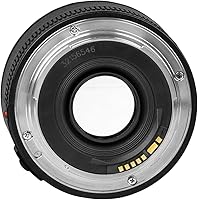
  • Build Material: The barrel and mount housing are primarily constructed from polycarbonate plastic, with a metal EF lens mount interface connecting to the camera body.
  • Availability Date: This lens was first made commercially available in April 2015 and remains in active production as of the time of this review.

Related Reviews
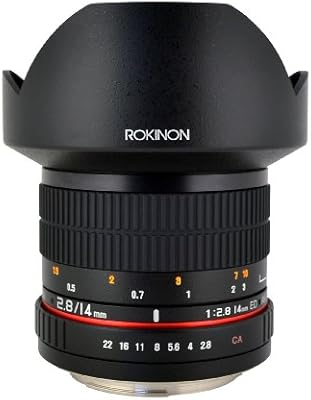
Rokinon 14mm F2.8 Wide Angle Lens
71%
83%
Optical Sharpness (Center Frame)
58%
Edge & Corner Sharpness
52%
Vignetting Control
61%
Chromatic Aberration
74%
Flare & Ghosting Resistance
More
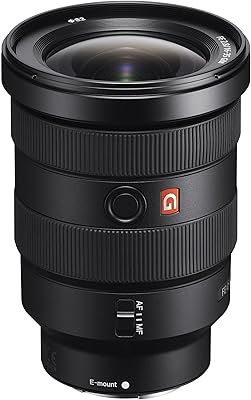
Sony FE 16-35mm F2.8 GM Zoom Lens
82%
94%
Optical Sharpness
91%
Aperture Consistency
89%
Autofocus Performance
88%
Build Quality & Weather Sealing
86%
Distortion Control
More
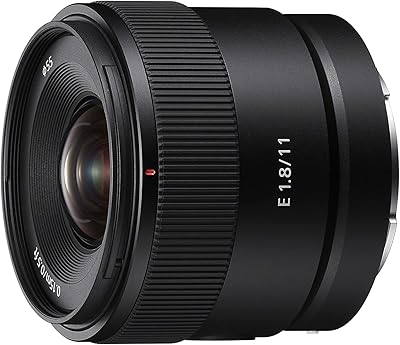
Sony E 11mm F1.8 APS-C Ultra-Wide-Angle Prime Lens
87%
93%
Autofocus Speed
91%
Image Quality
89%
Portability
74%
Low-Light Performance
88%
Build Quality
More
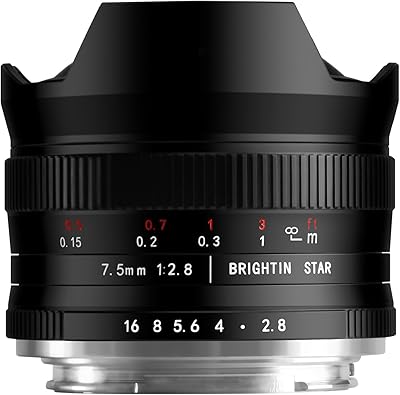
Brightin Star 7.5mm F2.8 III Fisheye Lens
75%
78%
Image Sharpness
88%
Value for Money
71%
Low-Light & Astrophotography Performance
82%
Build Quality & Construction
61%
Manual Focus Usability
More
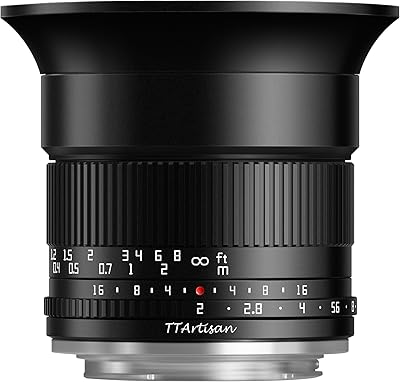
TTArtisan 10mm F2 APS-C Wide-Angle Lens
78%
78%
Optical Sharpness
84%
Aperture Performance
86%
Build Quality
91%
Value for Money
73%
Distortion Control
More
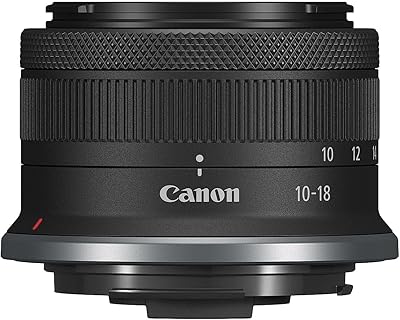
Canon RF-S10-18mm F4.5-6.3 IS STM Zoom Lens
83%
91%
Image Sharpness
84%
Autofocus Performance
88%
Image Stabilization
76%
Build Quality & Handling
93%
Vlogging Usability
More
Yongnuo YN50mm F1.8 Prime Lens
71%
93%
Value for Money
78%
Image Sharpness
58%
Autofocus Speed
61%
Autofocus Accuracy
76%
Bokeh Quality
More
Canon RF 28mm F2.8 STM Wide-Angle Lens
79%
96%
Portability & Form Factor
78%
Image Sharpness
82%
Autofocus Performance
91%
Video Usability
58%
Build Quality
More
Viltrox AF 50mm F2.0 FE Lens
86%
89%
Image Quality
77%
Autofocus Performance
85%
Build Quality
91%
Low-Light Performance
96%
Portability/Weight
More
Sony FE 50mm F2.5 G Prime Lens
83%
93%
Image Sharpness
91%
Build Quality
88%
Autofocus Performance
97%
Portability & Size
67%
Bokeh & Background Blur
More

FAQ

Yes, the YONGNUO YN35mm F2 Wide-Angle Prime Lens is built for the Canon EF mount, which covers the full Rebel lineup, the 90D, and essentially every Canon DSLR made in the past two decades. On an APS-C body like the Rebel series, the 35mm focal length behaves more like a 56mm equivalent due to the 1.6x crop factor, which makes it slightly less wide but well-suited for portraits and street work.

In good light with reasonable subject contrast, the AF locks on reliably and quickly enough for casual shooting. The trouble shows up in low-light scenes or when pointing at low-contrast subjects like a plain wall — in those situations, the motor hunts back and forth before settling, and sometimes gives up. If fast, confident autofocus in tricky conditions is something you depend on, this lens will frustrate you.

On a crop-sensor Canon, the effective field of view shifts to around 56mm equivalent, so it frames more like a short portrait lens than a wide-angle. On full frame, you get the true 35mm perspective with the wider 63-degree diagonal view. Both are usable, but if you specifically want a wide-angle feel, a crop-sensor body narrows that character considerably.

It is visible — corners noticeably darken at F/2, especially on full-frame bodies. For casual shooting it is easy to correct in Lightroom or any raw editor with a single slider adjustment. On APS-C bodies it is less pronounced because the crop sensor uses only the central portion of the image circle. Stop down to F/4 and it largely disappears on its own.

It works reasonably well for casual video. The 35mm focal length gives you a wide enough frame to shoot handheld without the footage feeling cramped, and F/2 helps in indoor settings. The main caveat is that the autofocus motor is audible during focus pulls, so if your camera records sound through its built-in mic, that motor noise may appear in your audio. Using an external mic largely sidesteps that issue.

The honest answer is that the YN35mm F2 feels lighter and cheaper than Canon-branded glass. The barrel is plastic, the focus ring has a slightly loose feel, and there are no weather seals. That said, the mount is metal and connects solidly to the camera body, and most users report it holding up fine for everyday casual use. Treat it reasonably and it should last, but do not expect the same tactile confidence you get from Canon or Sigma glass.

The front element takes 52mm threaded filters, which is a very common and affordable size. You will have no trouble finding UV, circular polarizer, or variable ND filters in 52mm from brands like Hoya, Tiffen, or K&F Concept at reasonable prices.

For web use, social media, and standard print sizes up to around 8x10 inches, center sharpness at F/4 to F/8 is genuinely good. For large prints where you need consistent sharpness from center to corner — think A2 or bigger — the edge performance wide open is not reliable enough to count on without stopping down significantly. If large-format printing is a regular goal, the optical compromises here will become apparent.

Manual focus is functional but not particularly refined. The focus ring moves smoothly enough, though the throw is short and can feel imprecise when trying to nail critical focus on a still subject. For street or documentary shooting where exact manual focus precision matters less, it is fine. For careful focus work like tabletop or close-up photography, using live view magnification on your camera will help significantly.

It is genuinely one of the better starting points for a Canon DSLR shooter on a tight budget. The 35mm focal length is versatile enough to cover a wide range of shooting situations, and the F/2 aperture teaches you immediately what a fast prime can do compared to a kit zoom. The low price also means you can experiment freely without worrying about damaging an expensive piece of glass. Just go in knowing it is a learning tool and a capable everyday lens, not a professional-grade optic.