Overview

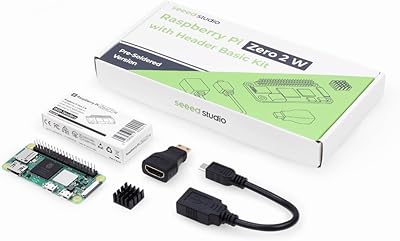
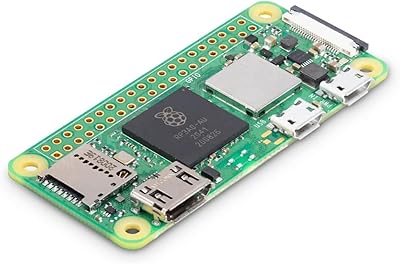
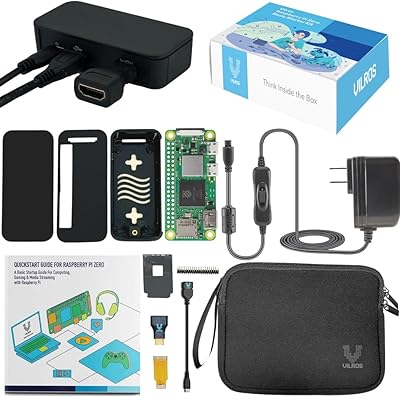
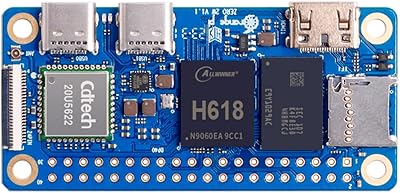
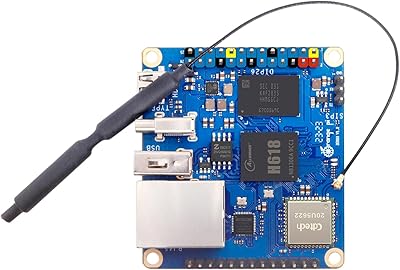
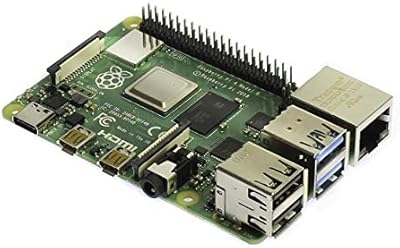
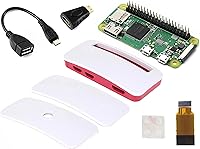
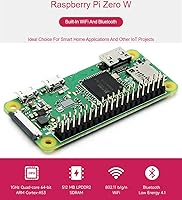
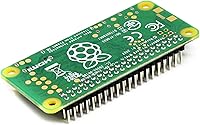
The Waveshare Raspberry Pi Zero WH with Pre-Soldered GPIO Headers is a compact, budget-friendly single-board computer designed for DIY enthusiasts and makers. This model offers built-in WiFi and Bluetooth for easy wireless connectivity, making it a versatile tool for various projects. The pre-soldered GPIO headers allow for effortless customization, so users can start building without worrying about soldering. Whether you're creating a home automation system, a media center, or a simple prototype, this Raspberry Pi board is ready to meet your needs. It’s compatible with many accessories, making it a great choice for makers and educators alike.
Features & Benefits

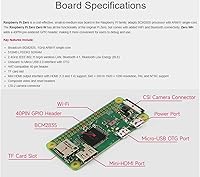
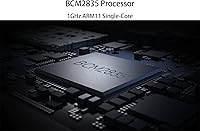
This single-board computer is powered by a 1GHz ARM11 processor, offering sufficient performance for many basic tasks, from simple coding exercises to home automation setups. With 512MB of RAM, it’s well-suited for lightweight applications. The Mini HDMI output supports resolutions up to 1080p, ideal for media projects. The built-in CSI camera connector enables easy camera module integration for projects requiring video input. Flexible GPIO pins provide extensive customization options for hardware interfacing, while the microSD card slot ensures ample storage for all your applications and files. It’s a solid, affordable option for DIYers.

Best For

This Pi Zero WH model is perfect for hobbyists, educators, and developers. Makers looking to build custom electronics will find it especially useful, thanks to the pre-soldered GPIO pins. It’s a great choice for anyone starting out with DIY electronics projects, as well as for more experienced developers building Raspberry Pi-compatible applications. Teachers can introduce students to the world of coding and hardware interfacing with this affordable Raspberry Pi. Compact and energy-efficient, it’s also a top pick for projects that require portability or limited space, such as wearables or remote devices.

User Feedback

Many users appreciate the low cost and portability of this Raspberry Pi board, making it an attractive option for those on a budget. The pre-soldered GPIO headers are another major plus, praised for simplifying the setup process. However, some have pointed out that it may struggle with more intensive tasks, such as heavy multitasking or high-performance applications. Still, it shines in basic computing and educational projects, with positive feedback overall for its use in Raspberry Pi-based prototypes and experiments. For users looking for a reliable, affordable board for DIY projects, this model is a great option.

Pros

  • Compact and lightweight, making it easy to carry for various projects.
  • Pre-soldered GPIO headers save time and make it user-friendly for DIY enthusiasts.
  • Affordable price point, making it a great choice for hobbyists and students.
  • Built-in WiFi and Bluetooth offer seamless connectivity for wireless projects.
  • Perfect for basic coding, hardware interfacing, and simple electronics tasks.
  • Small form factor fits into tight spaces, ideal for space-constrained setups.

Cons

  • Performance is limited, making it unsuitable for more demanding applications.
  • Only 512MB of RAM can feel restrictive for multitasking or heavier projects.
  • Lacks sufficient ports for users who need to connect multiple peripherals.
  • The small size may not be ideal for users looking for a more powerful, expandable board.
  • Not powerful enough for professional-level projects or resource-intensive software.
  • Some users noted occasional difficulty in finding compatible accessories for advanced projects.

Ratings

After analyzing verified user reviews from multiple platforms and languages, the ratings for the Waveshare Raspberry Pi Zero WH with Pre-Soldered GPIO Headers reflect both its strengths and pain points. Feedback from hobbyists, makers, and educators highlighted the device's great value, versatility, and ease of use, especially for basic projects. On the other hand, some users noted limitations in performance for more demanding tasks. All reviews considered were thoroughly filtered to remove spam, bots, or incentivized feedback, ensuring that only high-quality, authentic opinions contributed to the final scores.
Value for Money
92%
Many users feel that this Raspberry Pi board offers outstanding value for money, especially considering its low cost and the wide range of features it includes. The pre-soldered GPIO headers are particularly appreciated, as they save time and make the setup process smoother for DIY enthusiasts. For anyone looking for a budget-friendly yet capable single-board computer, this device delivers on expectations.
However, some users note that while it's great for basic tasks, the performance may fall short when dealing with more resource-intensive applications or multi-tasking. A few buyers also mentioned that the compact design could be limiting for projects requiring additional ports or greater hardware integration.
Ease of Use
89%
The pre-soldered GPIO headers are a standout feature, making this single-board computer especially easy for beginners or anyone new to hardware projects. Users often highlight how quick and simple it is to get started with their Raspberry Pi-based projects, saving them from having to solder headers themselves. This ease of use is a key factor in its popularity among hobbyists and educators.
While the simplicity is appreciated, some users point out that it may not offer as much flexibility as other models when it comes to more complex customizations or expansion. Additionally, beginners may find the initial setup of the OS and software a bit confusing, even though it is Linux-based.
Portability
93%
This device's small and lightweight design makes it an excellent choice for projects that require portability. It's easy to transport and store, allowing makers and developers to take it on the go. Its compact form factor is a major selling point for users who need a convenient and space-saving solution for mobile DIY setups.
On the flip side, the very compact size means limited space for additional connectivity options, which some users find frustrating when attempting to connect more peripherals or accessories. Its small dimensions can also make it difficult for users with larger hands to handle it comfortably during setup.
Performance for Basic Tasks
85%
For everyday computing and simple coding tasks, this Raspberry Pi board performs admirably. Users report that it handles basic operations like web browsing, word processing, and small-scale programming projects without issue. Its 1GHz processor and 512MB of RAM are sufficient for users who don’t need top-tier performance but still expect reliable functionality.
However, some users find that its performance can struggle with more demanding tasks such as video editing or running multiple applications simultaneously. The limited RAM may also cause slower response times for those trying to push it beyond its intended use.
Connectivity (WiFi/Bluetooth)
88%
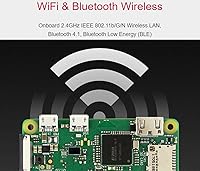
The built-in WiFi and Bluetooth functionality are highly praised by users who need wireless connectivity for their DIY projects. These features enable seamless communication with other devices, sensors, and peripherals, making it ideal for connected projects. The 2.4GHz WiFi and Bluetooth 4.1 support are sufficient for most tasks without noticeable lag.
Some users note that the WiFi connection can be a bit unstable in areas with heavy interference. Additionally, while Bluetooth 4.1 is sufficient for many devices, it may not offer the same level of speed or range as newer versions, limiting its potential for more advanced projects.
Build Quality
84%
The build quality is solid for its price range. Despite its small and lightweight design, it feels durable enough to withstand regular handling, especially for projects on the go. The compact nature doesn’t compromise its reliability, making it a good option for anyone who values functionality in a small form factor.
A few users have expressed concerns over the relatively thin and delicate nature of the board, especially around the GPIO header area. Some also pointed out that the lack of a case means there's a higher risk of physical damage if not handled with care.
GPIO Ease of Customization
91%
The pre-soldered 40-pin GPIO header is a major benefit for users looking to customize their projects without the need for additional soldering. This feature is especially useful for hobbyists and tinkerers who appreciate the convenience and ease of immediate access to the pins. It opens up a wide range of project possibilities without requiring specialized tools or skills.
While the pre-soldered header is convenient for most, some users feel it limits their ability to choose specific header configurations. Those looking for more complex or customized setups may find this feature restrictive, as it locks them into a single configuration from the start.
Software/OS Experience
82%
18%
The device runs a Linux-based operating system, which provides flexibility and a wide variety of software options for users. Many appreciate the ease of installing software and the ability to use familiar programming environments such as Python, making it suitable for both educational and development purposes. The official support from the Raspberry Pi Foundation also ensures a strong ecosystem of software resources.
Not everyone found the Linux OS intuitive, particularly those who are used to more mainstream operating systems like Windows or macOS. While it's not a dealbreaker, some users have noted that the OS setup can be a bit tricky for those unfamiliar with Linux, especially in the initial stages.
Resolution (HDMI/Video Output)
87%
The mini HDMI output supports up to 1080p resolution, which allows for a high-quality display output for compatible projects. Users who need video output for small screens or DIY monitor setups are generally satisfied with the clarity and performance of this feature. It provides great value for the cost, offering a solid video experience without the need for additional hardware.
Some users have mentioned that the mini HDMI port is a bit finicky and can be prone to connection issues if not securely plugged in. Additionally, while the 1080p resolution is sufficient for basic applications, it's not ideal for more advanced or media-heavy use cases, where higher resolutions might be expected.
Camera Module Support
80%
20%
The CSI camera connector offers flexibility for projects that require video or image capture. It's a great feature for users who want to integrate cameras into their Raspberry Pi setups for surveillance, photography, or robotics. The availability of compatible camera modules makes this an attractive option for those looking to experiment with vision-based applications.
However, some users found the camera connector to be more limited than expected, especially when using non-Raspberry Pi branded camera modules. Compatibility issues can arise, and users sometimes struggle to find third-party options that offer seamless integration without additional configuration.
Performance for Intensive Tasks
60%
40%
This device performs well for basic tasks, making it suitable for users who primarily need a low-cost, lightweight solution for simple operations like browsing or light programming. It's a great choice for those who don’t require high processing power but still need the flexibility of a single-board computer.
Performance is the most significant drawback for users who need to run more demanding applications. Reviews consistently mention that the device struggles with more intensive workloads, such as video editing or running complex simulations. Those looking for more power will likely need to upgrade to a more robust model.
Compatibility with Accessories
90%
Many users find that this Raspberry Pi model is compatible with a wide variety of accessories, such as cases, cameras, and sensors. The GPIO pins and mini HDMI output support numerous add-ons, making it a versatile option for users who want to expand their setups with additional functionality. This level of compatibility enhances the device’s utility across different project types.
A few users have mentioned that certain accessories, particularly older ones, may not work as smoothly with this specific model. Compatibility can vary, especially with third-party accessories not explicitly designed for the Pi Zero WH, requiring some troubleshooting and setup adjustments.

Suitable for:

The Waveshare Raspberry Pi Zero WH with Pre-Soldered GPIO Headers is ideal for hobbyists, makers, and educators looking for an affordable and versatile single-board computer. Its compact design and pre-soldered GPIO headers make it perfect for DIY electronics projects, prototypes, and educational purposes. Students working with limited budgets will find this device a great entry point into coding and hardware interfacing, as it provides essential functionality at a low price point. Additionally, its built-in WiFi and Bluetooth support make it highly suitable for IoT projects and remote-controlled devices, where wireless connectivity is key.
Not suitable for:

While the Raspberry Pi Zero WH excels in basic tasks, it may not be the best choice for users who need high performance for resource-intensive applications. Those seeking to run complex simulations, video editing software, or heavy multitasking might find its 1GHz processor and 512MB RAM limiting. Additionally, the compact size may be restrictive for users requiring more ports or advanced expansion options for large projects. Professionals or developers who need more powerful hardware and greater customization flexibility will likely need to look for more robust Raspberry Pi models or alternatives.

Specifications

  • Processor: 1GHz ARM11 processor provides efficient processing power for basic tasks and projects.
  • Memory: 512MB LPDDR2 RAM suitable for lightweight computing and coding applications.
  • Wireless Connectivity: Supports Wi-Fi 2.4GHz and Bluetooth 4.1 for wireless communication and IoT projects.
  • Video Output: Mini HDMI port supports video resolutions up to 1080p for high-quality displays.
  • Camera Support: CSI-2 camera connector enables compatibility with Raspberry Pi camera modules.
  • GPIO Header: Pre-soldered 40-pin GPIO header for easy customization and hardware project integration.
  • Storage: MicroSD card slot for storage expansion and operating system installation.
  • Power Supply: Powered by a micro USB input, providing flexible power options for portable use.
  • Operating System: Linux-based operating system (Raspberry Pi OS) for compatibility with a wide range of software.
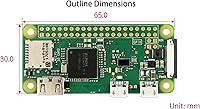
  • Dimensions: Compact dimensions of 2.5 x 1.18 x 0.19 inches, making it highly portable and space-efficient.
  • Weight: Lightweight at only 0.317 ounces, ideal for projects requiring a small and lightweight computing solution.
  • USB Ports: Micro USB OTG port supports external peripherals like keyboards, mice, and other USB devices.
  • Video Output (Composite): Supports composite video output for older displays and analog video setups.
  • Connectivity Standards: IEEE 802.11 b/g/n Wi-Fi standards for reliable wireless connectivity.
  • Form Factor: Single-board design with a compact and efficient layout, perfect for embedded systems and portable projects.
  • Compatibility: Fully compatible with Raspberry Pi Zero accessories and compatible accessories for GPIO expansion.
  • Audio: Audio output supported via HDMI, enabling integration with audio-capable displays or external audio hardware.

FAQ

This single-board computer is designed for DIY electronics projects, education, and prototyping. It’s great for makers, hobbyists, and developers looking to create small-scale hardware projects or experiment with coding and hardware interfacing.

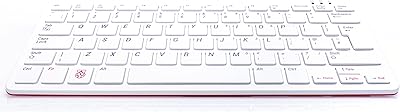
To get started, you’ll need a microSD card (8GB or larger), which will hold the operating system. Install a Linux-based OS like Raspberry Pi OS onto the card, then insert it into the board's microSD slot. Connect the board to a monitor via HDMI, attach a keyboard and mouse, and power it using a micro USB cable. Once powered on, you can follow the on-screen setup instructions.

Yes, this Raspberry Pi board has built-in Wi-Fi (2.4GHz) and Bluetooth (4.1), which makes it ideal for wireless communication and IoT (Internet of Things) projects. You can easily connect it to a network or other Bluetooth devices without the need for additional adapters.

The 512MB RAM is sufficient for basic computing tasks, coding, and lightweight projects. However, it can be limiting for more demanding applications such as running multiple programs simultaneously or handling complex processes. For heavier workloads, you may experience slower performance or instability.

Yes, this model includes a CSI camera connector, allowing you to connect compatible Raspberry Pi camera modules. It's perfect for projects that involve image or video capture, such as surveillance systems, robotics, or time-lapse photography.

The pre-soldered GPIO headers make it much easier for beginners and DIY enthusiasts to get started with hardware projects. You don't need to worry about soldering pins onto the board, saving both time and effort. The GPIO pins are compatible with a wide range of accessories and can be used for custom electronics projects.

This board is ideal for small DIY electronics projects, prototyping, educational purposes, and basic computing tasks. It's commonly used for building robots, creating home automation systems, and experimenting with sensors, displays, and other electronic components.

While it’s possible to run a lightweight Linux desktop operating system like Raspberry Pi OS, keep in mind that the 1GHz processor and 512MB of RAM are not suitable for heavy multitasking or resource-intensive applications. It’s best used for basic tasks, coding, and simple DIY projects.

Some users report performance limitations, especially when running multiple processes or heavier applications. Additionally, there can be compatibility issues with certain accessories or peripherals. However, for basic projects and lightweight tasks, it performs well and remains a popular choice for makers and developers.

Yes, this device is compatible with many standard Raspberry Pi accessories, including displays, sensors, and cameras, particularly when using the 40-pin GPIO header for custom hardware projects. Just make sure the accessories are designed for the Pi Zero series to ensure full compatibility.