Overview

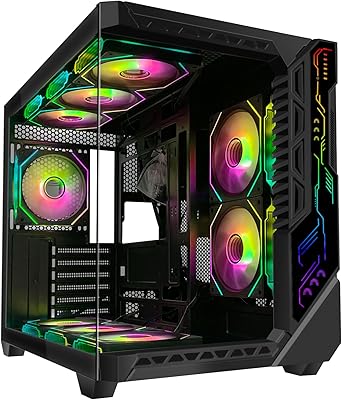
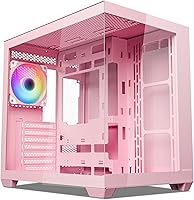
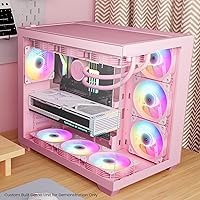
The Vetroo AL900 ATX Mid Tower PC Case launched with clear timing — arriving alongside the RTX 50 and RX 9000 GPU generations to pitch itself as a ready-made home for the latest hardware. It's a mid-range chassis through and through: priced to attract builders who care deeply about looks but aren't ready to spend flagship money. The 270° tempered glass wrapping three sides of the case is the headline feature, and it genuinely earns that spotlight. The pink colorway isn't an afterthought — it's a deliberate nod to a growing wave of style-conscious builders who want their rig to reflect something personal. Expect solid value, not perfection.

Features & Benefits

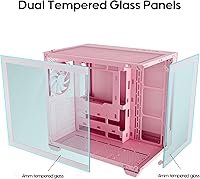
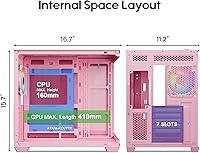
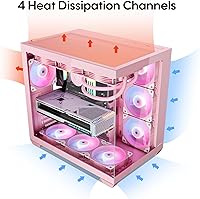
What makes this glass-forward chassis genuinely compelling is how well the specs align with real builder needs rather than just marketing checkboxes. The wrap-around glass panel covers three sides, so your RGB lighting actually gets the stage it deserves instead of being visible through a single side window. Cooling flexibility is serious: there's room for up to ten 120mm fans and a 360mm radiator up top, which means air and liquid cooling users are both well served. The included rear fan uses FDB bearings, so it runs quieter than the cheap sleeve-bearing units often bundled with cases at this price. Front I/O includes Type-C at 10Gbps, and GPU clearance extends to 410mm — enough for the largest current-gen cards.

Best For

The AL900 case hits its stride with first-time or intermediate builders who want visual impact without a steep learning curve. If you're dropping a new RTX 50 or RX 9000 card into a fresh build, the 410mm GPU clearance takes one worry off the table. Serious cooling ambitions are achievable too — this Vetroo mid tower has the mounting points to support a full push-pull 360mm liquid radiator or a dense multi-fan air setup. The pink colorway makes it a strong pick for color-themed builds, and it doesn't feel like a novelty option given the overall build quality. ATX and Micro-ATX boards slot in naturally; E-ATX builders should look elsewhere. Anyone who values a cleaner internal look will appreciate the hidden-connector routing design.

User Feedback

With a 4.6-star average across over 230 ratings, buyer satisfaction here leans clearly positive. The most consistent praise centers on glass panel quality — people are genuinely surprised by how solid and clear it feels at this price tier. Frame rigidity and panel fit earn decent marks too. On the flip side, some buyers expected more fans out of the box, and the single included unit is a real limitation if you're not budgeting for extras separately. A handful of reviewers flagged that cable management depth is tighter than it looks, especially with thicker modular cables. Once additional fans are installed, thermal results reported in reviews are generally favorable, but users note the case performs best when you invest in proper airflow configuration.

Pros

  • The 270° tempered glass wraps three sides, giving RGB builds a genuinely dramatic display from almost any viewing angle.
  • FDB bearing on the included rear fan runs noticeably quieter than the sleeve-bearing units common at this price.
  • Support for up to ten 120mm fans gives builders serious cooling headroom without needing to upgrade the chassis later.
  • A 360mm radiator fits in the top, making this Vetroo mid tower a rare find for liquid cooling at this price tier.
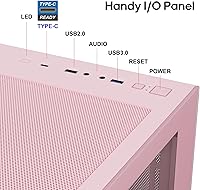
  • The Type-C front port supports 10Gbps transfers, keeping the I/O panel relevant for current and near-future devices.
  • The hidden-connector motherboard design reduces cable clutter visible through the glass panels.
  • GPU clearance of 410mm comfortably fits the longest triple-fan cards from current GPU generations.
  • The pink colorway is well-executed and appeals to a real and growing audience of style-focused PC builders.
  • A 4.6-star average across hundreds of buyers signals consistent build quality and reliable delivery of the core promise.
  • ATX, Micro-ATX, and YTX motherboard compatibility gives this chassis meaningful flexibility for common build configurations.

Cons

  • Only one fan comes included — buyers will need to budget for additional units to achieve decent airflow.
  • Cable management space behind the motherboard tray is tighter than expected, especially with thick modular cables.
  • E-ATX and XL-ATX motherboards are not supported, limiting options for higher-end platform builds.
  • The AL900 case has no dust filters mentioned for the front or bottom intakes, which may concern long-term maintenance planners.
  • At 14 pounds, it is on the heavier side for a mid tower, which can matter if you move your rig frequently.
  • The steel panels feel solid but not premium — minor flex is possible under pressure at the price point.
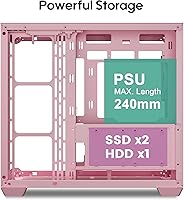
  • PSU length is capped at 200mm, which excludes a small number of longer power supply units.
  • Real-world GPU clearance may be less than the 410mm spec depending on PSU size and cable routing choices.
  • The ARGB lighting ecosystem requires a compatible motherboard header or separate controller to sync properly.

Ratings

The Vetroo AL900 ATX Mid Tower PC Case scores presented here are generated by our AI review engine after analyzing verified global buyer feedback, with spam, bot activity, and incentivized reviews actively filtered out. Across hundreds of real-world build experiences, this glass-forward chassis earns strong marks for aesthetics and cooling flexibility, while a handful of recurring frustrations keep it from a perfect score. Both the highs and the honest friction points are reflected in every category below.

Aesthetic Design
93%
The 270° tempered glass wrap is the single biggest reason buyers choose the AL900 case, and it consistently over-delivers on first impressions. Builders running ARGB fans and lighting strips report that the three-sided visibility makes their setups look like something out of a showcase build, even on modest budgets.
A small number of reviewers note that fingerprints show up quickly on the glass panels during the build process, requiring a microfiber cloth to restore the clean look. The pink colorway, while well-received overall, sits in a narrow market — those wanting black or white options will need to look at other variants.
Build Quality
78%
22%
The steel frame holds up well during assembly, with most buyers noting that panels align properly and there is no worrying flex when the case is moved fully built. For a mid-range chassis, the overall rigidity inspires confidence, particularly around the glass panel mounts which feel secure rather than flimsy.
Some users flag minor sharp edges on internal steel tabs that became noticeable during the cable management phase. The side panels, while functional, lack the premium dampened feel of higher-tier cases, and a handful of buyers reported slight inconsistencies in panel gap alignment out of the box.
Cooling Potential
86%
The layout generously supports up to ten 120mm fans and a 360mm top radiator, which means this Vetroo mid tower can handle serious thermal loads once properly outfitted. Builders running AIO liquid coolers consistently report that radiator installation is straightforward, with enough clearance to avoid the cramped fitment issues common in smaller cases.
The single included rear fan is genuinely insufficient for a gaming build on its own, and buyers who assumed the case came fan-ready were often frustrated. Achieving good airflow requires purchasing at least two or three additional fans, which adds real cost on top of the case price.
Cable Management
63%
37%
The YTX hidden-connector design is a genuine advantage for builders using compatible motherboards, as it eliminates the bulky cable clusters that normally crowd the front of the board. Standard ATX builders also benefit from a reasonable set of routing channels and tie-down anchor points that keep cables reasonably contained.
The clearance behind the motherboard tray is a recurring pain point — buyers using thick modular PSU cable kits frequently describe a tight, frustrating fit that makes panel reinstallation difficult. This is the category where the AL900 case most clearly shows the compromises of its price tier, and it affects the finished build more than any other single factor.
GPU Compatibility
88%
A 410mm GPU length ceiling covers virtually every current triple-fan flagship card, including the longest RTX 50 and RX 9000 series models that buyers are specifically pairing with this case. This removes a major compatibility anxiety for builders upgrading to the latest GPU generation.
The 410mm figure is the maximum spec, not a guaranteed comfortable fit — PSU length and cable routing can reduce practical clearance by 10 to 20mm in real builds. Buyers using longer PSUs paired with large GPUs should measure carefully rather than assume they have headroom to spare.
Fan Inclusion Value
54%
46%
The single included fan is at least a quality unit — the FDB bearing runs quieter and lasts longer than the cheap sleeve-bearing fans bundled with competing cases at this price. Having a functioning rear exhaust pre-installed means the system can at least boot and idle without an immediate fan purchase.
One fan in a case rated for ten is a hard pill to swallow, and buyer expectations consistently outpace reality here. Several reviewers explicitly stated they felt misled, having assumed the case images showing a fully populated fan array reflected the actual box contents.
Front I/O Quality
82%
18%
The Type-C port running at 10Gbps is a meaningful upgrade over the USB 3.2 Gen 1 ports found on many competing cases, and buyers who use high-speed external SSDs regularly call it out as a daily convenience. The port layout is clean and logically positioned at the top edge of the case for easy access.
The USB 2.0 port feels dated alongside the Type-C connection, and some buyers noted that the audio jack produced slight interference when used with certain headsets. The I/O panel is functional but not exceptional compared to cases that include dual USB 3.0 or additional Type-C ports.
Radiator Support
84%
Top-mounted 360mm radiator support at this price tier is uncommon enough that it genuinely differentiates the AL900 from competing mid-range cases. Builders running popular 360mm AIOs like those from Corsair, NZXT, and be quiet! report clean installations with no clearance surprises.
Radiator support at the front is more limited and requires careful planning around fan positioning to avoid airflow conflicts with the glass panel. Builders attempting push-pull radiator configurations in the top should also account for reduced CPU cooler height clearance as a result.
Ease of Assembly
76%
24%
First-time builders specifically appreciate that the case does not demand advanced cable routing skills to produce a clean-looking interior — the hidden-connector design helps even novice builders achieve a tidy result. Panel removal and internal access are straightforward, and the included manual covers the major steps clearly.
Managing thick cable bundles in the rear channel is where newer builders tend to hit a wall, and the learning curve around glass panel reattachment after a build can be fiddly. A few reviewers also noted that standoff placement for Micro-ATX boards required more attention than expected.
Noise Levels
74%
26%
The pre-installed FDB rear fan operates at noticeably lower noise levels than the sleeve-bearing units common in this segment, which sets a solid baseline for idle and light-load operation. Buyers running quiet builds report that the case does not add any resonance or vibration noise at moderate fan speeds.
The tempered glass panels, while visually stunning, provide essentially no acoustic dampening — this glass-forward chassis is louder under load than foam-lined alternatives. Buyers prioritizing quiet computing over aesthetics will find the open glass design works against them at higher fan RPMs.
Value for Money
83%
Considering what buyers get — three-sided tempered glass, generous fan and radiator support, modern Type-C I/O, and GPU clearance rated for the latest hardware — the overall package competes strongly against cases priced noticeably higher. Most buyers explicitly describe this as one of the better deals they found when searching for a visually impressive mid-tower.
The value calculation shifts once you factor in the additional fans most builds will require, which can meaningfully increase the real total cost. Buyers on a strict all-in budget should account for that expansion from the start rather than treating the case price as the final spend.
Motherboard Compatibility
79%
21%
ATX and Micro-ATX coverage handles the overwhelming majority of gaming and productivity builds, and the added YTX support gives the case forward compatibility with an emerging motherboard standard. Builders on mainstream Intel and AMD platforms will find no compatibility surprises.
E-ATX and XL-ATX boards are not supported, which rules the AL900 out for high-end workstation or enthusiast HEDT builds. Buyers upgrading from an E-ATX system to a new build should verify their new board's form factor before purchasing.
Color Execution
87%
Buyers who chose the pink variant consistently report that the color is richer and more consistent in person than in product photos, which is a pleasant reversal of the usual experience. The tone pairs well with white fans and warm ARGB presets, making it a legitimately satisfying choice for themed builds.
The pink finish is available only on the exterior frame and steel elements — internal surfaces remain standard black, which can look slightly incongruous for builders going all-in on a specific color theme. Those expecting a fully matched interior will need to paint or accessorize independently.
Long-Term Durability
71%
29%
The steel frame construction holds up well over the medium term, and buyers who have owned the case for six months or more report no structural degradation or hinge wear on the glass panels. The FDB fan bearing type is a good sign for longevity compared to cheaper sleeve alternatives.
There is limited long-term ownership data available given the case launched in early 2024, which introduces some uncertainty about multi-year durability. A handful of early buyers noted that the glass panel securing mechanism showed minor loosening after repeated removal and reinstallation cycles.

Suitable for:

The Vetroo AL900 ATX Mid Tower PC Case is a strong match for builders who want their system to look as good as it performs, without pushing into premium chassis territory. It's particularly well-suited for first-time or intermediate builders who are stepping up to an ATX or Micro-ATX platform and want generous internal room without an intimidating build process. If you're pairing it with a new RTX 50 or RX 9000 series GPU, the 410mm clearance means you won't have to second-guess fitment for most flagship cards. Builders planning serious cooling setups will also find the fan and radiator mounting options unusually accommodating at this price point. And if you're putting together a pink or color-themed rig — whether as a personal project or a gift — this glass-forward chassis is one of the few cases at this tier that commits to that aesthetic without feeling cheap.

Not suitable for:

The Vetroo AL900 ATX Mid Tower PC Case is not the right call for builders with E-ATX or XL-ATX motherboards, as the case simply does not support those larger form factors. Buyers expecting a ready-to-run fan array out of the box will also be disappointed — only a single rear fan is included, which means additional airflow investment is essentially mandatory for any serious build. The cable management area behind the motherboard tray is tighter than it appears in product photos, which can frustrate builders using thick modular PSU cables or working in a cramped space. If you prioritize tool-free panel access, ultra-clean tempered glass with anti-fingerprint coating, or the kind of build refinement found in enthusiast-grade cases, the AL900 will feel like a step short. It is also worth noting that the 410mm GPU length spec assumes an ideal configuration — PSU size and cable routing can reduce usable clearance in practice.

Specifications

  • Form Factor: Mid tower chassis designed to house ATX, Micro-ATX, and YTX motherboards in a standard desktop footprint.
  • Dimensions: The case measures 16.7 x 11.2 x 15.7 inches (L x W x H), providing a moderate desktop presence without being oversized.
  • Weight: Ships at 14.08 pounds, reflecting a steel-and-glass construction that adds durability without being unwieldy.
  • Glass Panel: A 270° wrap-around tempered glass design covers the front, left side, and top-left portions for three-sided interior visibility.
  • Included Fans: One rear-mounted 120mm ARGB PWM fan with FDB (Fluid Dynamic Bearing) comes pre-installed at the factory.
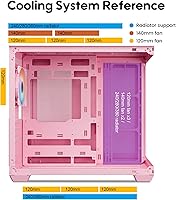
  • Fan Support: The chassis supports up to 10 x 120mm fans total, distributed across the top, front, rear, and bottom mounting positions.
  • Radiator Support: A 360mm liquid cooling radiator can be mounted in the top panel; smaller 240mm and 120mm radiators are also accommodated.
  • GPU Clearance: Maximum graphics card length is rated at 410mm, covering the full range of current triple-fan flagship GPUs from major manufacturers.
  • CPU Cooler Height: Tower air coolers up to 160mm tall will fit without interference from the left-side tempered glass panel.
  • PSU Clearance: The rear-bottom power supply bay supports units up to 200mm in length, which covers the vast majority of standard ATX PSUs.
  • Front I/O: The top I/O panel includes one USB Type-C port (10Gbps), one USB 3.0 port, one USB 2.0 port, and a combined audio/mic jack.
  • Materials: The outer structure is built from steel with tempered glass panels, balancing rigidity with aesthetic transparency.
  • Color: Available in pink with matching frame accents; designed as a cohesive color-themed option for style-focused builds.
  • PSU Mount: The power supply mounts in a rear-bottom position, helping to lower the system center of gravity and isolate PSU heat from the motherboard area.
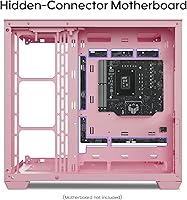
  • Motherboard I/O: Supports the YTX hidden-connector motherboard standard in addition to conventional ATX and Micro-ATX layouts for cleaner cable routing.
  • GPU Compatibility: Explicitly designed and tested to accommodate RTX 50 series and RX 9000 series graphics cards within the stated clearance spec.

Related Reviews
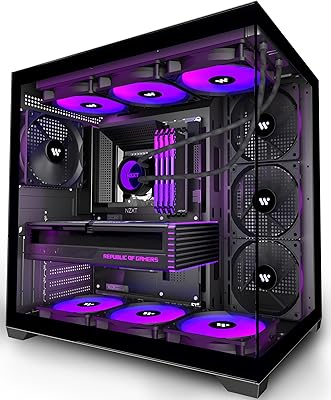
Vetroo AL800 Mid Tower ATX PC Case
76%
78%
Build Quality
84%
Tempered Glass Panel
76%
Airflow Performance
61%
Fan Included & Expandability
69%
Cable Management
More
Zalman S3 ATX Mid-Tower PC Case
74%
83%
Value for Money
71%
Build Quality
58%
Airflow & Cooling Performance
86%
Ease of Assembly
67%
Acrylic Side Panel
More
Zalman S4 Mid-Tower ATX PC Case
75%
72%
Build Quality
88%
Value for Money
91%
Ease of Assembly
67%
Airflow Performance
63%
Cable Management
More
Zalman S2 ATX Mid-Tower PC Case
76%
88%
Airflow Performance
63%
Build Quality
91%
Value for Money
86%
Ease of Assembly
84%
Cooling Expandability
More
SZSKYING CMSVB-1 Mid-Tower PC Gaming Case
74%
91%
Value for Money
88%
Included Fans
86%
Aesthetics & RGB
61%
Build Quality
74%
Airflow Performance
More
SAMA S40 Mid Tower ATX PC Case
79%
88%
Airflow Performance
83%
Included Fan Quality
79%
Build Quality & Finish
92%
GPU Compatibility
61%
Cable Management
More
KEDIERS K4 ATX Mid Tower PC Case
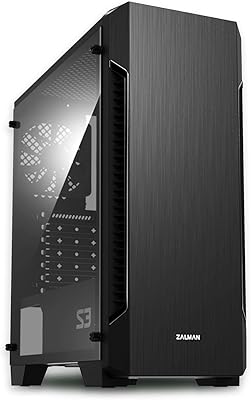
80%
91%
Value for Money
93%
Aesthetic Design
74%
Build Quality
72%
Cooling Performance
84%
Ease of Assembly
More
darkFlash DS900 ATX Mid-Tower PC Case
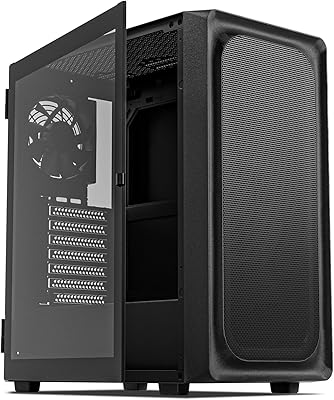
75%
76%
Build Quality
83%
Cooling Potential
91%
Aesthetics & Visibility
88%
Value for Money
74%
Cable Management
More
Zalman Chronix Mid Tower ATX PC Case
78%
88%
Aesthetic Design
74%
Build Quality
83%
Included ARGB Fans
86%
Cooling Potential
84%
Internal Clearance
More
Corsair 3500X ARGB Mid-Tower PC Case
78%
93%
Aesthetic Design
91%
ARGB Lighting
88%
Build Quality
87%
Interior Space
86%
Fan Inclusion
More

FAQ

The AL900 case is rated for GPUs up to 410mm in length, which covers current triple-fan flagship cards from both NVIDIA and AMD. That said, real-world clearance can be slightly less depending on your PSU size and how your cables are routed, so it's worth checking your specific card's length and leaving a little margin in your planning.

Honestly, the single included rear fan is a starting point, not a complete solution. For a mid-range gaming build, you'll want to add at least two or three front intake fans to keep temperatures in check. The good news is the case has mounting points for up to ten 120mm fans, so there's plenty of room to expand.

Yes, the top panel supports a 360mm radiator, which is the standard size for most high-end AIO coolers. Just double-check your specific cooler's mounting hardware and header height to make sure there's no conflict with your RAM or top-mounted components.

The panels use standard thumb screw or latch-based removal depending on the panel position. The three-sided glass design means you have great access once the main side panel is off, though working around glass on multiple sides does require a bit more care than a traditional single-window case.

It's a newer motherboard form factor where power and data connectors are routed through the back of the board rather than plugging in from the front. The result is a much cleaner interior with no visible cable bundles around the motherboard. The case supports both standard ATX boards and this newer YTX standard.

The routing channels and tie-down points are decent for the price tier, but the space behind the motherboard tray is on the tighter side. If you're using a fully modular PSU with thick cables, plan for some patience. Sleeved or flat ribbon cables will make the process noticeably easier.

The front Type-C port supports data transfer at up to 10Gbps, so it's a genuine high-speed connection for external SSDs and modern peripherals — not just a charging port. Your motherboard will need a compatible internal USB 3.2 Gen 2 header to take full advantage of it.

Buyers who have gone for the pink version generally report that the color is consistent and well-applied, not garish or uneven. The pink frame works particularly well with white or pink fans and RGB lighting tuned toward warm tones. It's a genuine aesthetic option, not a novelty finish.

Yes, standard ATX boards are the primary supported format and will install without issue. Micro-ATX boards fit as well. E-ATX and XL-ATX motherboards are not supported, so if you're on a high-end HEDT platform, you'll need a larger chassis.

The consensus across its 230-plus ratings is quite positive, with a 4.6-star average. Most buyers specifically call out the glass panel clarity and frame rigidity as highlights given the price. A recurring criticism is that the cable management area feels tighter than expected, and some wished for more fans out of the box — but overall, the build quality earns consistently good marks for the mid-range segment.

Where to Buy