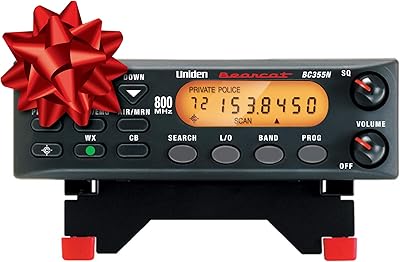
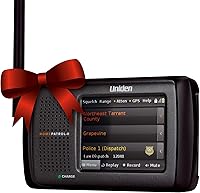
Uniden HomePatrol-2 Digital Police Scanner

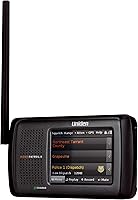
Overview
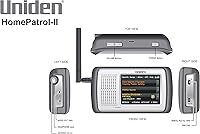
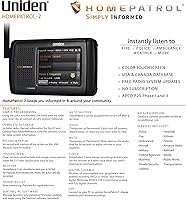
The Uniden HomePatrol-2 Digital Police Scanner arrived on the market back in 2014 and has quietly held its ground ever since — which says something in a category that tends to churn. What sets it apart from older-style scanners isn't raw power; it's the approach. Rather than forcing you to manually enter frequencies one by one, this home scanner pulls from a built-in national database and lets you browse by location. The color touchscreen interface makes that process feel surprisingly approachable, even if you've never touched a scanner before. For anyone who wants to stay connected to local public safety activity without a steep learning curve, the premium price starts to make more sense.
Features & Benefits
The frequency range here is legitimately broad — 25 MHz to 1.3 GHz — covering everything from local police and fire departments to aviation, military, railroad, and NOAA weather channels. It handles APCO P25 Phase 1 and Phase 2 digital protocols, along with Motorola, EDACS, LTR trunking, and conventional analog, so it isn't left behind as agencies upgrade their systems. The built-in S.A.M.E. weather alerting is genuinely useful, giving you county-specific emergency notifications rather than a blanket broadcast. Sentinel software, installed on a PC, keeps the internal database and firmware current. The package includes rechargeable batteries, a rubber antenna, a table stand, and a pre-installed microSD card — ready to use straight from the box.
Best For
This home scanner is a strong fit for people who want to monitor their community without spending hours learning how to program a scanner manually. That means hobbyists curious about police, fire, EMS, aviation, or railroad traffic, as well as emergency preparedness-minded households who appreciate the S.A.M.E. alert system during severe weather. The comprehensive USA and Canada database makes it particularly practical for those who move around or travel. It also works well as a gift for a radio enthusiast — the setup process is accessible enough that it doesn't require technical knowledge to get started. Where it fits less well is with advanced users who want deep manual customization or live in areas dominated by encrypted agency channels.
User Feedback
Owners consistently highlight how fast the initial setup is — many had it running within minutes of opening the box, which is a real contrast to traditional scanners that require hours of manual input. Reception quality draws praise in suburban and rural areas, and most feel the price is reasonable given the convenience of the database-driven approach. On the critical side, some buyers are surprised to find they can't hear encrypted channels — this is a legal limitation, not a product flaw, but it catches people off guard. The Sentinel software works, but the interface feels dated and requires a PC, which is inconvenient if your household has gone mostly laptop or tablet. Long-term owners also note that periodic database updates are necessary to keep local agency data accurate.
Pros
- Setup takes minutes — just enter your zip code and the built-in database populates local agencies automatically.
- The color touchscreen makes browsing radio services intuitive, even for first-time scanner users.
- Covers an impressive range of protocols including P25 Phase 1 and 2, Motorola, EDACS, LTR, and conventional analog.
- S.A.M.E. weather alerting delivers county-specific emergency notifications, not just broad regional broadcasts.
- The 25 MHz to 1.3 GHz frequency range spans police, fire, EMS, aviation, military, railroad, and weather channels.
- Ships with rechargeable batteries, a table stand, microSD card, and antenna — nothing extra to buy to get started.
- Reception quality holds up well in suburban and rural environments according to long-term owners.
- The national USA and Canada database coverage makes it practical for travelers or those who relocate frequently.
- Sentinel software keeps firmware and local agency data current without manual frequency hunting.
Cons
- Encrypted channels are completely inaccessible — a major limitation in cities where most agencies have gone encrypted.
- Sentinel software requires a Windows or Mac PC; tablet-only households are left without an easy update path.
- The Sentinel interface feels dated and clunky compared to what users expect from modern software.
- Without regular database refreshes via Sentinel, local agency data can drift out of date over time.
- The home-oriented form factor makes it awkward for portable or on-the-go use in the field.
- Advanced users who want granular manual programming will find the database-driven approach limiting.
- At this price tier, buyers in high-encryption metro areas may find the real-world utility disappointing.
- The rubber antenna that ships in the box is functional but modest — serious listeners often upgrade it separately.
Ratings
The scores below reflect an AI-driven analysis of thousands of verified owner reviews for the Uniden HomePatrol-2 Digital Police Scanner, with spam, bot-generated, and incentivized feedback actively filtered out before scoring. Each category is rated independently based on what real buyers consistently praised or complained about — strengths and frustrations alike are represented without sugarcoating.
Ease of Setup
Reception Quality
Digital Protocol Coverage
Touchscreen Interface
Sentinel Software
Weather Alerting
Build Quality
Value for Money
Database Accuracy
Included Accessories
Portability
Long-Term Reliability
Suitable for:
The Uniden HomePatrol-2 Digital Police Scanner is purpose-built for people who want meaningful access to local public safety communications without the steep learning curve of traditional scanners. If you've ever wanted to monitor police, fire, EMS, aviation, or weather channels from your home but felt intimidated by manual frequency programming, this is genuinely the easiest entry point into the hobby. Emergency preparedness households will especially appreciate the S.A.M.E. weather alerting, which filters alerts by county rather than broadcasting every regional warning indiscriminately. It's also a strong choice for hobbyists in suburban or rural areas where P25 Phase 1 and 2 digital trunking systems are active — the database-driven setup means you're listening to relevant local traffic almost immediately. Gift buyers looking for something thoughtful and capable for a radio enthusiast won't find many options that are this ready to use straight out of the box.
Not suitable for:
Buyers expecting to monitor encrypted agency channels will be disappointed — the Uniden HomePatrol-2 Digital Police Scanner, like all legal consumer scanners, cannot decode encrypted transmissions, and in heavily encrypted metro areas this can significantly limit what you actually hear. Advanced hobbyists who prefer deep manual control, custom frequency entry, or extensive programming flexibility may find the database-first approach too restrictive for their workflow. The Sentinel update software requires a PC connection, which is a genuine inconvenience for households that have moved entirely to tablets or mobile devices. Users in dense urban markets where most public safety agencies have shifted to encrypted digital systems should research their local radio landscape carefully before committing at this price point. It's also not a portable field device — while it runs on batteries, its compact home form factor and table stand are clearly oriented toward stationary use.
Specifications
- Brand: Manufactured by Uniden, a long-established brand in consumer radio and scanning equipment.
- Model: HomePatrol-2, the second generation of Uniden's database-driven touchscreen scanner line.
- Dimensions: The unit measures 1.5″ deep by 5.9″ wide by 3.3″ tall, making it compact enough for a desk or shelf.
- Weight: Weighs 1.58 pounds fully assembled, light enough to reposition easily around the home.
- Frequency Range: Receives signals from 25 MHz to 1.3 GHz, covering a broad spectrum of public safety, aviation, military, weather, and utility bands.
- Channels: Supports up to 2,525 channels for storing and organizing radio traffic across multiple services and agencies.
- Protocols: Compatible with APCO P25 Phase 1 and Phase 2 digital, Motorola, EDACS, LTR trunking, and conventional analog transmissions.
- Display: Features a color digital touchscreen that allows intuitive navigation of radio services, agencies, and favorites lists.
- Weather Alert: Includes S.A.M.E. (Specific Area Message Encoding) emergency alerting for county-level severe weather and public safety notifications.
- Power: Operates at 6 volts using 4 AA batteries; a set of NiMH rechargeable AA batteries is included in the box.
- Storage: Comes with a microSD card pre-installed for holding the national radio database and user configuration data.
- Software: Bundled with Sentinel, a PC-based application for managing database updates, firmware, and favorites lists.
- Coverage: Ships loaded with a database covering radio systems across the United States and Canada.
- Internal OS: Runs on an embedded Linux operating system for stable, low-overhead internal processing.
- In The Box: Package includes a MiniUSB-to-USB cable, rubber antenna, antenna connector, table stand, pre-installed microSD card, and 4 AA NiMH rechargeable batteries.
- Water Resistance: Not water resistant; intended strictly for indoor home use and should be kept away from moisture.
- Connectivity: Connects to a PC via MiniUSB for Sentinel software access, database updates, and firmware maintenance.
- Availability: First made available in February 2014 and has not been discontinued by the manufacturer as of current listings.
Related Reviews
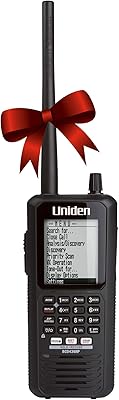
Uniden BCD436HP Digital Handheld Scanner
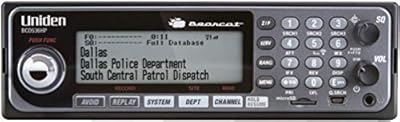
Uniden BCD536HP HomePatrol Desktop Radio Scanner
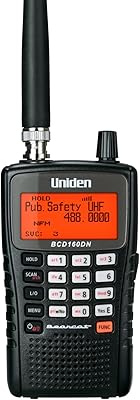
Uniden BCD160DN Handheld Digital Scanner
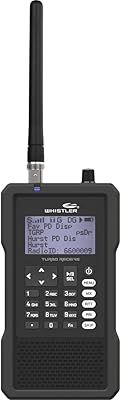
Whistler TRX-1 Handheld Digital Scanner
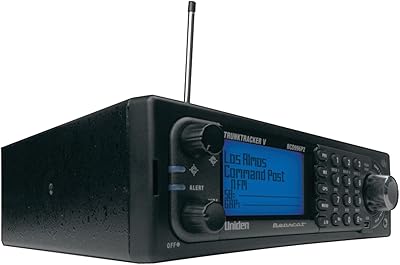
Uniden BCD996P2 Digital Mobile TrunkTracker Scanner
Stetsom IR 160.2 2-Channel Car Amplifier
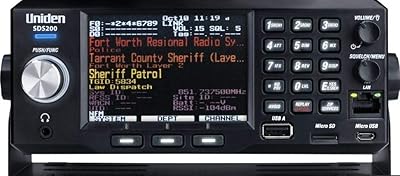
Uniden SDS200 Base/Mobile Digital Scanner
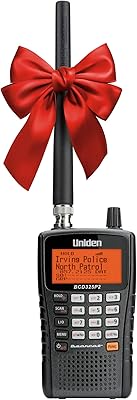
Uniden BCD325P2 Handheld Digital Trunking Scanner
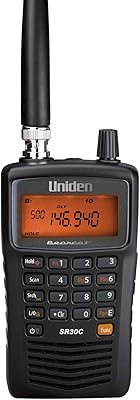
Uniden Bearcat SR30C Handheld Scanner