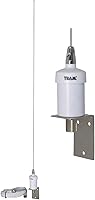

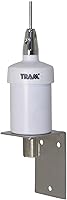
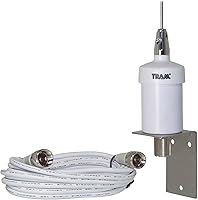
Overview

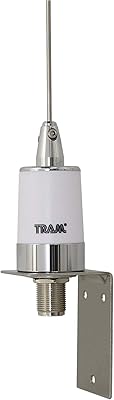
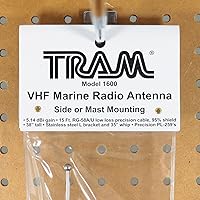
The Tram 1600-HC 35-Inch VHF Marine Antenna has held the #1 Best Seller spot in Marine Antennas for good reason — it has been a trusted fixture on the water since 2006. Built around a fiberglass body with a corrosion-resistant stainless steel whip, this VHF marine antenna is designed to handle the punishment saltwater environments dish out year after year. It ships pretuned and includes an RG58 cable with PL-259 connectors, so you can get it mounted and talking to your radio without a trip to the chandlery. The trade-off is size: at 35 inches, low-profile discretion is the priority here, not maximum range.

Features & Benefits

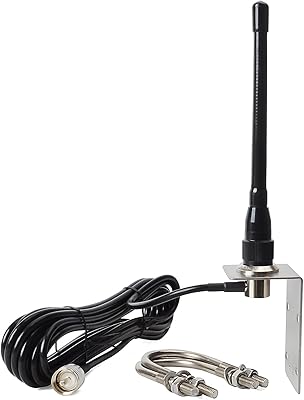
The 6 dB gain is this sailboat antenna's headline spec, and it earns it. The DC ground shunt-fed half-wave design focuses signal energy horizontally — where your radio traffic actually needs to go — rather than wasting it skyward. The bottom-loaded coil keeps the antenna slim and clean, which matters when threading through a crowded marina. That 17-7 PH stainless steel whip isn't just marketing copy; it's a grade that genuinely resists pitting and UV degradation across multiple sailing seasons. The included stainless L-bracket is ready for mast mounting straight out of the box. One planning note: the supplied cable runs only 15 inches, so most installs will need a separate extension lead.

Best For

This VHF marine antenna earns its keep on smaller vessels and sailboats where size and corrosion resistance matter more than sheer antenna height. If your mast is already busy with gear and you want something that mounts cleanly without occupying prime real estate, the compact 35-inch profile makes good sense. It's also a natural fit for anyone who wants to skip the tuning ritual — the pretuned design means you connect it and go. Boaters upgrading from a cheaper, rust-prone antenna will notice the build quality difference immediately. It's less suited to large powerboats where a taller, higher-gain antenna would better serve the distance.

User Feedback

With over 600 ratings averaging 4.5 stars, the Tram 1600-HC has clearly built real trust among boaters over its long run. The most consistent praise centers on signal clarity and the antenna arriving genuinely ready to use — many buyers confirmed it performed without any adjustment straight out of the box. Long-term owners also report it holding up well through multiple seasons of salt air and sun exposure. The main recurring complaint is the short cable run; a notable number of reviewers had to purchase a separate extension, so factor that into your budget. A handful of buyers comparing it to the Tram 1604 cited the higher gain as their deciding factor.

Pros

  • Ships pretuned and ready to install — no SWR meter or technical know-how required.
  • The 6 dB gain delivers noticeably cleaner signal clarity compared to budget-tier antennas.
  • 17-7 PH stainless steel whip holds up exceptionally well against rust and UV degradation season after season.
  • Fiberglass body keeps weight down to just one pound, which matters on a mast.
  • Stainless L-bracket is included, making sailboat mast mounting straightforward out of the box.
  • The 50 Ohm impedance is a direct match for virtually all standard marine VHF radios.
  • Over 600 verified buyers give it 4.5 stars — that kind of track record over nearly two decades speaks for itself.
  • Bottom-loaded coil design keeps the antenna sleek without visibly compromising signal performance.
  • At 35 inches, this sailboat antenna is compact enough to avoid snagging lines or cluttering a busy mast.

Cons

  • The included cable is only 15 inches long — nearly every install will require a separate extension lead.
  • Buyers on larger vessels may find the 35-inch form factor undersized for their communication needs.
  • No AIS frequency coverage, unlike some competing models in the same lineup and price range.
  • Reported maximum range figures are line-of-sight only; real-world conditions will often fall well short of those numbers.
  • The short cable length is not clearly flagged in the product listing, catching some buyers off guard after purchase.
  • No quick-disconnect fitting included, which some competing Tram models offer for easier seasonal removal.
  • For high-traffic offshore routes, the gain ceiling may leave safety-critical communications with less headroom than desired.

Ratings

The scores below reflect an AI-driven analysis of verified buyer reviews for the Tram 1600-HC 35-Inch VHF Marine Antenna, drawn from a global pool of feedback with spam, bot activity, and incentivized reviews actively filtered out. Each category is scored independently to surface both where this antenna consistently impresses and where real-world buyers have run into friction. Nothing is glossed over — the pain points are scored just as transparently as the strengths.

Signal Performance
88%
Buyers consistently report clean, clear audio on VHF channels without static or drop-outs during coastal cruising and marina use. The 6 dB gain design earns specific praise from users who upgraded from lower-gain antennas and noticed an immediate improvement in clarity on busy channels.
A handful of users in areas with significant geographic obstruction found range fell short of expectations. The 35-inch form factor means that in truly challenging conditions, a taller antenna would likely outperform it.
Build Quality
91%
The 17-7 PH stainless steel whip is a material choice that experienced sailors recognize and appreciate — it holds up notably better than the cheaper grades used in budget alternatives. Multiple multi-season owners report no visible corrosion, pitting, or structural degradation even after consistent saltwater exposure.
A small number of buyers noted that the base fitting and cable junction felt less robust than the whip itself, raising some concerns about long-term integrity at that connection point. The fiberglass body, while solid, can show minor cosmetic scuffs after rough handling during installation.
Ease of Installation
86%
The pretuned design is a genuine convenience — most buyers confirm it works without any SWR adjustment straight from the packaging. The included stainless L-bracket covers the most common mast-mounting scenario cleanly, and the PL-259 connectors plug directly into standard marine radios.
The 15-inch cable is the single most-cited frustration at installation time, with many buyers discovering only after purchase that they needed a separate extension lead. Buyers who are not experienced with marine electronics may be caught off guard by this gap.
Corrosion Resistance
93%
This is arguably the antenna's strongest attribute in the eyes of long-term owners. Sailors who leave this VHF marine antenna rigged year-round in wet, salty climates report it weathering multiple seasons without the rust streaking or antenna degradation that plagued their previous hardware.
The stainless whip itself holds up very well, but the cable jacket and connector area are more vulnerable to long-term moisture ingress if not periodically inspected. A marine-grade sealant around the connector junction is a sensible precaution that the documentation does not explicitly recommend.
Value for Money
84%
At its price point, buyers feel they are getting a professional-grade, long-lasting antenna rather than a seasonal throwaway. The inclusion of the L-bracket and a factory-tuned setup removes two common additional costs from the installation budget.
The need to purchase a separate extension cable in almost every real installation effectively adds to the true cost of ownership. Buyers who compare it to a few dollars less for a basic whip sometimes question whether the premium is fully justified for casual weekend use.
Cable & Connector Quality
61%
39%
The RG58 cable is appropriate for VHF frequencies and the PL-259 connectors are solidly crimped out of the box. For buyers who happen to need only a very short cable run — mounting directly adjacent to a radio, for instance — the included hardware is perfectly functional.
Fifteen inches of cable is simply insufficient for any standard installation, and this is the single most consistent negative data point across the review pool. Multiple buyers described the included cable length as puzzling or frustrating, and some felt it should be disclosed more prominently before purchase.
Low-Profile Design
89%
Sailors on busy rigs particularly value that the 35-inch profile stays well clear of running rigging and does not create a snagging hazard aloft. The bottom-loaded coil keeps the antenna slim and visually unobtrusive, which matters to owners who care about the aesthetics of their vessel.
The compact size is a deliberate trade-off, and buyers who later needed maximum range occasionally wished they had chosen a taller option. It is not a flaw, but buyers should consciously choose this form factor rather than assume all marine antennas are similar in size.
Mounting Hardware
79%
21%
The stainless steel L-bracket is a thoughtful inclusion that covers the most common installation scenario without requiring a separate hardware purchase. Buyers mounting to a standard sailboat mast generally report a stable, rattle-free fit after proper fastening.
The bracket is optimized for mast mounting and works less intuitively for rail or transom installations, requiring improvisation or additional hardware. A few buyers noted the bracket's fastener holes could benefit from slightly more adjustment range for odd-diameter mast sections.
Frequency Coverage
77%
23%
The antenna covers the complete VHF marine band reliably, handling all working, calling, and weather channels without any reported tuning issues. For the core use case of voice communications, coverage is complete and consistent.
The absence of AIS frequency coverage is a genuine functional gap compared to the Tram 1604 and similar antennas in this price range. Boaters who want a single antenna to serve both VHF voice and AIS reception will need to look elsewhere or run a second dedicated antenna.
Weight & Form Factor
92%
At one pound, this sailboat antenna adds almost no meaningful load to a mast, which is a real consideration for weight-conscious performance sailors. The compact dimensions also make it easy to store during winter lay-up without dedicated rack space.
There is very little to fault here, though a small number of powerboat owners found the slender profile felt slightly less imposing than the antenna hardware they were used to. This is largely a perception issue rather than a performance one.
Durability Over Time
87%
The combination of fiberglass housing and high-grade stainless steel gives this antenna a noticeably longer service life than budget-tier alternatives. Long-term buyers who have owned the Tram 1600-HC for three or more seasons consistently report it still performing as expected.
The cable and connector junction remains the most age-vulnerable part of the assembly. Buyers in particularly harsh UV environments have occasionally noted the cable jacket becoming brittle over several years, suggesting periodic cable inspection is worthwhile.
Out-of-Box Readiness
83%
Aside from the cable length issue, the antenna is genuinely ready to use without tools, meters, or technical knowledge. The pretuning claim holds up in practice, and buyers who simply want to plug in and get on the water can do exactly that.
The short cable creates a situation where the antenna feels complete right up until the moment you realize you cannot reach your radio. This one gap undercuts what would otherwise be a near-perfect out-of-the-box experience for a meaningful portion of buyers.
Brand Reputation
88%
Tram-Browning has been a recognized name in marine and amateur radio antenna manufacturing for decades, and experienced buyers regard the brand as a reliable choice in the mid-range segment. The long market history of this specific model since 2006 adds an additional layer of confidence.
The brand carries strong recognition among enthusiasts but is less well known to first-time buyers who may not immediately appreciate the manufacturing pedigree behind the product. Some newcomers expressed mild surprise at the short cable after assuming a premium brand would include a more complete kit.

Suitable for:

The Tram 1600-HC 35-Inch VHF Marine Antenna is a practical choice for sailors and recreational boaters who prioritize a clean, low-profile installation over maximum antenna height. It suits anyone running a smaller vessel — a daysailer, a coastal cruiser, or a compact powerboat — where a full-size antenna would feel oversized or create rigging interference. The included stainless L-bracket makes it a natural fit for sailboat mast mounting without hunting for additional hardware. Boaters who want to install their own antenna without any tuning experience will appreciate that it works straight out of the box. It also makes a solid choice for vessel owners who have dealt with rust and corrosion on cheaper antennas and want something built to last through multiple seasons of saltwater exposure.

Not suitable for:

Offshore passage-makers or anyone running a larger powerboat who needs every possible mile of VHF range will likely find this VHF marine antenna limiting. At 35 inches, it trades height — and some potential range — for a tidy profile, which is the right call for some boats and the wrong one for others. The supplied cable measures only 15 inches, meaning almost every real-world install will require a separate extension lead purchased independently; buyers who want a fully self-contained wiring solution should factor in that added cost and planning. If your radio setup involves a significant run between the antenna mount and the helm, the short cable is a genuine inconvenience rather than a minor footnote. Racers or serious offshore sailors comparing this VHF marine antenna against taller, higher-gain alternatives may ultimately decide the performance ceiling is not high enough for demanding conditions.

Specifications

  • Model Number: This antenna is manufactured by Tram-Browning under model number 1600-HC.
  • Antenna Length: The antenna measures 35 inches in total length, making it a compact option for mast and rail installations.
  • Overall Dimensions: Full product dimensions are 1.63″ wide by 2.81″ deep by 39.5″ tall, including the mounting base.
  • Weight: The complete antenna assembly weighs 1 pound, minimizing top-of-mast load on smaller vessels.
  • Body Material: The antenna housing is constructed from fiberglass, chosen for its resistance to saltwater corrosion and UV exposure.
  • Whip Material: The radiating whip is made from 17-7 PH stainless steel, a precipitation-hardened alloy with superior corrosion and fatigue resistance.
  • Gain: This antenna delivers 6 dB of gain using a DC ground shunt-fed half-wave design that focuses signal energy horizontally.
  • Impedance: Input impedance is rated at 50 Ohm, which matches the standard impedance of virtually all marine VHF transceivers.
  • Frequency Coverage: The antenna covers the full VHF marine band, supporting standard ship-to-ship, ship-to-shore, and weather channel communications.
  • Coil Design: A bottom-loaded coil is used to keep the antenna profile low and streamlined without sacrificing radiation efficiency.
  • Cable Type: An RG58 coaxial cable is included, offering adequate signal transfer for typical marine VHF frequency ranges.
  • Cable Length: The included RG58 cable measures only 15 inches, which is sufficient for direct connections but will require an extension in most real installations.
  • Connector Type: Both ends of the included cable are terminated with PL-259 connectors, the standard fitting for marine VHF radio equipment.
  • Mount Hardware: A stainless steel L-bracket is included in the package, designed specifically for attachment to sailboat masts.
  • Mount Type: The antenna is engineered for mast-style mounting, with the supplied bracket accommodating vertical surface installation.
  • Availability: This antenna has been commercially available since April 2006 and is listed as not discontinued by the manufacturer.
  • Best Seller Rank: As of the time of this review, the antenna holds the number one Best Seller ranking in the Marine Antennas category on Amazon.
  • UPC: The product UPC is 727932001614, issued under the Tram-Browning brand.

Related Reviews
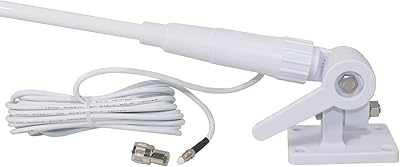
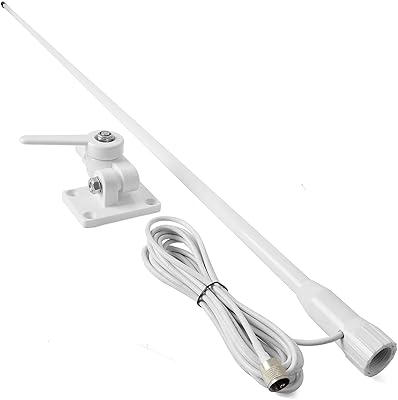
Tram 1607-HC VHF Marine Fiberglass Antenna
77%
91%
Ease of Installation
83%
Signal Performance
78%
Build Quality
72%
Durability in Saltwater
74%
Ratchet Mount Reliability
More
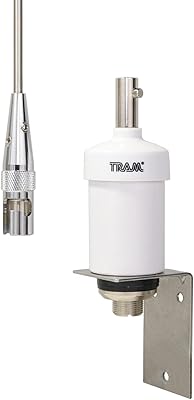
UAYESOK VHF Marine Base Antenna 48 Inch
87%
87%
Performance at Sea
92%
Durability in Harsh Conditions
91%
Installation Ease
89%
Signal Range and Clarity
85%
Compatibility with Marine Radios
More
Tram 1602 VHF Marine Antenna
82%
91%
Build Quality
78%
Signal Performance
93%
Ease of Installation
94%
Quick-Disconnect Usability
62%
Cable Length & Quality
More
Tram 1604 VHF/AIS Marine Antenna
82%
86%
Build Quality
79%
Signal Performance
77%
AIS Reception
91%
Ease of Installation
84%
Corrosion Resistance
More
Shakespeare 5241-R 3-Foot VHF Marine Antenna
82%
88%
Ease of Installation
83%
Build Quality
71%
Signal Performance
86%
Corrosion Resistance
74%
Value for Money
More
HYS VHF Marine Antenna
77%
74%
Signal Performance
91%
Ease of Installation
78%
Build Quality
72%
Cable Quality
63%
Connector Fit
More
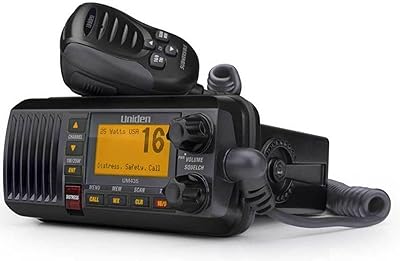
Uniden UM435BK Fixed Mount VHF Marine Radio
80%
93%
Waterproofing & Weather Resistance
88%
Audio Clarity & Reception
84%
Ease of Installation
91%
Channel Coverage & Compatibility
82%
Value for Money
More
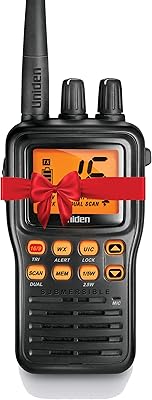
Uniden MHS75 VHF Marine Radio
89%
94%
Waterproof Performance
85%
Range & Signal Strength
88%
Battery Life
90%
Ease of Use
91%
Build Quality
More
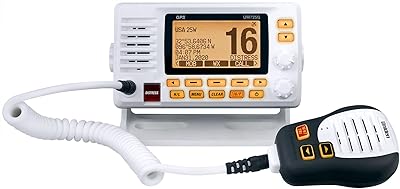
Uniden UM725G Marine VHF Radio
79%
93%
Display Clarity
91%
Built-in GPS
88%
DSC Functionality
86%
Audio Quality
84%
Ease of Installation
More
Tram 1477 Dual-Band VHF/UHF Base Antenna
79%
91%
Ease of Setup
78%
RF Performance
83%
Build Quality
86%
Value for Money
67%
Connector Quality
More

FAQ

It genuinely ships pretuned for the VHF marine band, and the large majority of buyers report using it straight out of the box without any adjustment. If you want to verify SWR for peace of mind, you certainly can, but it isn't required for normal use.

The supplied cable is only 15 inches long, which is honestly just enough to reach a radio mounted immediately adjacent to the antenna. For any real-world installation where there's a run between the mast and your helm or nav station, you will almost certainly need a separate RG58 extension cable with PL-259 fittings. Factor that into your shopping list before you order.

Yes, provided your radio uses a standard PL-259 connector input — which covers virtually every marine VHF radio on the market. The 50 Ohm impedance is the universal standard for marine electronics, so compatibility is rarely an issue.

The main differences are antenna length, gain, and AIS coverage. The 1604 is slightly longer at 39 inches and adds AIS frequency support, which this model lacks. If you use an AIS receiver or transponder, the 1604 is the better choice. If you just need reliable VHF comms on a smaller boat, the 1600-HC delivers higher stated gain and a cleaner low-profile look.

The included L-bracket is designed with mast mounting in mind, but many boaters have adapted it to rail or deck mounting with standard hardware. Just keep in mind that antenna height directly affects your effective range, so mounting it lower than a mast will reduce how far your signal reaches under real conditions.

Long-term owners report it holding up well, which isn't surprising given the 17-7 PH stainless steel whip and fiberglass body. That stainless alloy is notably more corrosion-resistant than the 304 or 316 grades used in cheaper antennas. That said, rinsing it with fresh water after prolonged saltwater exposure is still a good habit to extend the life of the cable and connectors.

Range figures for any VHF antenna are always line-of-sight, and the commonly cited 50-mile figure represents ideal conditions with elevated antennas on both ends. In day-to-day use on the water, you can realistically expect solid communication up to 5 to 15 miles for vessel-to-vessel contacts, and somewhat further when hailing Coast Guard stations on elevated towers.

No, it does not. This VHF marine antenna covers the standard VHF marine band for voice communications but does not extend to the AIS channels at 161.975 and 162.025 MHz. If AIS is part of your electronics setup, you should look at the Tram 1604 or a dedicated AIS antenna instead.

The L-bracket is stainless steel and generally well-regarded by buyers for its build quality. For bluewater passagemaking or rough offshore conditions, it's worth adding a thread-locking compound to the mounting fasteners and checking tension periodically, as vibration over long passages can work any hardware loose over time.

The 35-inch length is a deliberate trade-off rather than a flaw — you get a tidier installation with less chance of tangling lines, at the cost of some theoretical range compared to a taller antenna. For coastal cruising, harbor use, and day sailing, it performs very well. If you are planning extended offshore passages or need maximum range for safety reasons, a taller antenna is the more prudent choice.