Overview

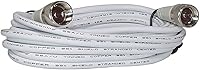
The Tram 1602 VHF Marine Antenna sits in a sweet spot for recreational boaters who want solid, dependable communication without overspending on offshore-grade hardware. It covers all marine VHF frequencies with a 3dBd gain rating — enough for coastal cruising, lake fishing, and river navigation where you are not pushing beyond typical nearshore ranges. What makes it stand out right away is the quick-disconnect design, which lets you pull the whip off in seconds when trailering or stowing the boat for winter. It also ships with 15 feet of RG58A/U coaxial cable and PL-259 connectors already terminated, so there is no extra trip to the marine supply store before you hit the water.

Features & Benefits

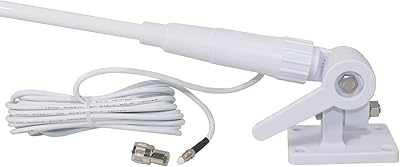
The most immediately noticeable thing about this stainless steel VHF antenna is how substantial the whip feels. At 0.200 inches in diameter, it is noticeably stiffer than the thin, flexible whips that come stock on many entry-level radios — the kind that start drooping the moment you hit open water at speed. Corrosion-resistant construction runs throughout: the L-bracket mount, the whip itself, and the quick-disconnect hardware are all stainless steel, which matters in saltwater environments where cheaper materials degrade fast. The factory-terminated cable is a genuine convenience — RG58A/U with PL-259s already attached means you are not crimping connectors in a cramped helm. At 38 inches overall, it fits neatly on center consoles and bass boats without becoming an obstacle.

Best For

This marine whip antenna is a natural pick for trailerable boat owners — if you pull your rig out after every trip, that twist-off quick-disconnect pays for itself in saved frustration alone. Weekend anglers and casual cruisers on lakes or coastal bays will find the 3dBd gain more than adequate for keeping in touch with marinas, other vessels, and weather channels across typical recreational distances. It is also a solid upgrade for anyone stuck with a factory antenna that bends, wobbles, or simply does not hold up to chop and wind. Just keep in mind that if your helm sits far from the mounting point, additional coax cable may be needed to complete the run comfortably.

User Feedback

Among buyers who have put the Tram 1602 through real use, the conversation tends to center on two things: the stiffness of the whip and how well the quick-disconnect holds up over time. Most find both reassuring — the antenna does not flex or wobble at highway speeds when trailering, which is more than can be said for plenty of alternatives. On the downside, the included 15-foot cable draws the most consistent criticism; it is workable on a small console boat but genuinely limiting on a larger cruiser where the helm sits well away from the transom mount. A handful of offshore-minded buyers have also noted that 3dBd gain falls short for extended open-water passages, which is a fair and honest caveat.

Pros

  • The thick 0.200-inch stainless steel whip stays rigid at speed and does not droop in wind or chop.
  • Easy-twist quick-disconnect makes removing the whip for trailering or storage a genuinely fast, tool-free process.
  • Full stainless steel construction on the whip, bracket, and disconnect hardware resists rust in both salt and freshwater.
  • Comes with factory-terminated coax cable and PL-259 connectors, so most boaters can install it straight out of the box.
  • The 38-inch profile fits neatly on smaller boats without dominating the deck or interfering with overhead clearance.
  • Covers all marine VHF band frequencies, including Channel 16 and weather channels, without any tuning required.
  • At roughly 1 lb, the Tram 1602 adds negligible weight and does not stress lightweight mounts or gunwale brackets.
  • Strong build quality relative to price makes it a noticeable step up from many entry-level or factory-supplied antennas.

Cons

  • The 15-foot coax cable is too short for larger boats where the helm sits well away from the mounting point.
  • 3dBd gain is adequate for nearshore use but will leave offshore or long-range boaters wanting more signal reach.
  • No AIS frequency coverage, so it cannot double as a combination VHF and AIS antenna.
  • The L-bracket mount style limits placement options compared to antennas designed for rail or ratchet-style mounting.
  • Replacement whips or disconnect hardware may be harder to source locally if components are lost or damaged.
  • At 38 inches, it may be slightly long for very small dinghies or tightly rigged kayak setups where space is at a premium.

Ratings

Our AI-generated scores for the Tram 1602 VHF Marine Antenna were built by analyzing verified buyer reviews from multiple global sources, with spam, incentivized posts, and bot activity actively filtered out before any scoring took place. The ratings reflect a candid picture of where this stainless steel whip antenna genuinely excels and where real users have run into limitations — nothing is glossed over. Strengths and pain points are weighted equally so you can make an informed decision based on your actual boating situation.

Build Quality
91%
The thick stainless steel whip is the first thing buyers notice out of the box, and it consistently earns praise for feeling substantial compared to the thin, bendable whips found on cheaper alternatives. Boaters running at speed through chop report that it holds its upright position without vibrating loose or flexing against the hull.
A small number of users noted minor surface oxidation on the L-bracket after extended saltwater exposure, suggesting the bracket finish may not be as robust as the whip itself over multi-season use. This is a minor concern but worth monitoring if the boat lives in the water year-round.
Signal Performance
78%
22%
For inland lakes, rivers, and nearshore coastal routes, the 3dBd gain delivers clean, consistent communication on Channel 16 and weather channels without any noticeable dead spots. Anglers and weekend boaters operating within typical recreational distances from shore report reliable contact with marinas and other vessels.
Buyers who pushed further offshore — beyond 15 to 20 nautical miles — noticed signal degradation that higher-gain fiberglass antennas handle more comfortably. The gain rating is honest for its intended use case, but it draws criticism from users who expected more range than the specs actually promise.
Ease of Installation
93%
The factory-terminated PL-259 connectors and included RG58A/U cable mean most boaters can complete the full install without any splicing, crimping, or special tools. Several first-time antenna installers noted they had the antenna up and connected to their radio in under 20 minutes.
The L-bracket mounting hardware assumes a flat, accessible surface, which can be awkward on boats with curved transoms or limited mounting real estate. Users who needed to route cable through a console or under decking also noted the process becomes more time-consuming than the initial setup suggests.
Quick-Disconnect Usability
94%
The easy-twist quick-disconnect is consistently the most praised feature among trailering boaters, who describe removing the whip as a five-second habit they now do without thinking before every tow. The mechanism stays smooth and secure across multiple seasons without loosening or seizing up.
A handful of users reported that the disconnect collar can feel slightly stiff when brand new, requiring a firm initial break-in twist before it operates as smoothly as expected. This is not a durability issue but can be mildly frustrating during the first few uses.
Cable Length & Quality
62%
38%
The RG58A/U coaxial cable is low-loss construction and the factory terminations are clean, which means signal integrity is solid for the runs the cable can actually reach. Having connectors pre-installed saves buyers from a fiddly termination job that many recreational boaters are not equipped to do themselves.
Fifteen feet is the single most common complaint across all reviews, and it is a legitimate one — on any boat over 20 feet where the helm sits forward of the mounting point, the cable simply does not reach without an extension. Buyers on larger vessels often discover this limitation only after mounting the bracket, making for a frustrating second trip to the marine supply store.
Wind & Speed Stability
89%
The heavier-gauge whip handles highway trailering speeds and open-water running with noticeably less movement than competitors in the same price range. Bass boat owners in particular appreciate that the antenna does not become a distraction or a noise source at higher speeds.
In extreme sustained winds above 40 knots, a few offshore users observed minor oscillation at the whip tip, though this did not appear to affect reception meaningfully. The antenna is not rated for storm conditions, and those boating in consistently harsh weather may want a shorter, lower-profile option.
Corrosion Resistance
84%
The choice of stainless steel throughout — whip, mount, and disconnect hardware — gives this marine whip antenna a clear advantage over antennas that use plated or painted mild steel, which rust visibly within a single season of saltwater use. Most saltwater boaters report the whip looking presentable after two or more seasons.
The L-bracket showed early rust spotting for some users in high-salinity environments, particularly around bolt holes where the protective finish was compromised during installation. A dab of marine-grade sealant around fasteners during install goes a long way toward preventing this.
Value for Money
83%
For recreational boaters who just want a dependable, rugged VHF antenna without chasing maximum gain or premium fiberglass construction, the Tram 1602 delivers solid performance at a price that does not require much deliberation. The included cable and connectors add meaningful practical value by removing extra purchase steps.
Buyers who later realized they needed longer cable or a higher-gain antenna for offshore use felt the overall investment was slightly wasted once they upgraded. For those users, spending a bit more upfront on a more capable antenna would have been the smarter call.
Mounting Flexibility
67%
33%
The stainless L-bracket works well on transoms, cabin sides, and gunwale flats, covering the most common mounting scenarios for smaller recreational boats. The bracket itself is solid and does not flex or shift after a few trips.
There is no rail-mount or ratchet-mount option included, which limits placement choices on boats where a flat mounting surface is not conveniently located near the helm cable run. Boaters wanting to mount on a T-top or a vertical rail will need to source a separate adapter bracket.
Frequency Coverage
88%
Coverage across all standard marine VHF frequencies — including Channel 16, working channels, and NOAA weather bands — is confirmed by users who tested it across multiple radio brands without any tuning adjustments. It works as expected right out of the box across the full intended frequency range.
The absence of AIS frequency support is a real limitation for boaters who want a single antenna to handle both VHF voice communication and vessel tracking. This is not a flaw for its intended purpose, but buyers discovering the AIS gap after purchase tend to feel the product description could have made it clearer.
Packaging & Out-of-Box Experience
74%
26%
The antenna arrives with the cable coiled neatly and all components accounted for, and most buyers report no damage during shipping even in standard packaging. The straightforward contents mean there is no confusion about what goes where during setup.
Instructions are minimal — essentially a diagram rather than a step-by-step guide — which leaves first-time antenna installers relying on online resources or guesswork for routing and grounding best practices. A more detailed install guide would reduce support questions and installation errors.
Long-Term Durability
81%
19%
The majority of buyers who reviewed after one or more full boating seasons reported the whip and disconnect mechanism performing just as well as when new, with no visible degradation in stiffness or connection integrity. The heavy-gauge construction clearly contributes to a longer service life than budget whip antennas.
Multi-year durability data is limited given the product's relatively recent market availability, and a subset of users who subject the antenna to very high-use commercial or charter environments reported faster wear on the disconnect threading. Hobbyist use appears to be the sweet spot for longevity.
Aesthetics & Profile
77%
23%
The clean silver stainless finish and compact 38-inch height give this stainless steel VHF antenna a tidy, purposeful look that suits smaller boats without dominating the visual lines of the vessel. Anglers and bass boaters specifically mention the low-profile as a factor in their purchase.
Buyers with white or color-matched boats sometimes note that the bare metal silver finish does not blend as neatly as a white-coated or painted antenna would. Aesthetics are entirely subjective, but it is a genuine consideration for owners of color-coordinated rigs.

Suitable for:

The Tram 1602 VHF Marine Antenna is built for recreational boaters who spend most of their time on lakes, rivers, and nearshore coastal waters — places where dependable VHF communication matters but offshore-grade performance is overkill. If you trailer your boat regularly, this antenna is particularly practical: the easy-twist quick-disconnect means you can pull the whip off in under a minute and toss it in the cab without hunting for tools or fighting corroded threads. Anglers running bass boats or center consoles will appreciate how the thick stainless steel whip holds its position at speed rather than drooping or vibrating against the hull. Weekend cruisers who want a plug-and-play upgrade over a flimsy stock antenna will also find the included coax cable and ready-to-connect PL-259 fittings make installation refreshingly straightforward. Essentially, if your boating life revolves around day trips and you need a rugged, low-fuss VHF antenna that holds up to weather and repeated removal cycles, this stainless steel VHF antenna covers the brief well.

Not suitable for:

Boaters who venture offshore or regularly operate at extended distances from shore will likely find the Tram 1602 underwhelming for their needs, since the 3dBd gain rating is calibrated for shorter coastal and inland ranges rather than the kind of long-haul communication serious offshore anglers or bluewater cruisers depend on. If your helm, nav station, or radio is mounted far from the antenna mounting point — as is common on larger cabin cruisers, sport fishers, or sailing vessels — the included 15-foot coax cable will almost certainly fall short, requiring you to source additional cable and connectors anyway. This marine whip antenna is also not the right choice for anyone needing AIS reception, as it does not cover those frequencies the way purpose-built combination antennas do. Boaters in full-time saltwater liveaboard situations who need a set-and-forget installation with maximum gain and minimal maintenance would be better served by a higher-gain fiberglass antenna designed for permanent mounting.

Specifications

  • Antenna Gain: The antenna delivers 3dBd of gain, suitable for coastal, lake, and river communication at recreational distances.
  • Whip Material: The whip is constructed from stainless steel for corrosion resistance in both saltwater and freshwater environments.
  • Whip Diameter: The whip measures 0.200 inches in diameter, providing a heavier-duty profile than standard thin whip antennas.
  • Whip Length: The whip element itself measures 35 inches in length from base to tip.
  • Overall Height: The full assembled antenna stands 38 inches tall, making it a compact fit for smaller boats and center consoles.
  • Cable Type: The included coaxial cable is RG58A/U low-loss construction, appropriate for the signal frequencies used across marine VHF bands.
  • Cable Length: The factory-supplied coaxial cable runs 15 feet, sufficient for most small to mid-size helm installations.
  • Connectors: Both ends of the coaxial cable are factory-terminated with PL-259 connectors, compatible with standard marine VHF radio inputs.
  • Mount Type: The antenna ships with a stainless steel L-bracket mount designed for transom, gunwale, or cabin-side installation.
  • Disconnect Type: An easy-twist quick-disconnect mechanism allows the whip to be removed and reattached without tools in seconds.
  • Frequency Coverage: The antenna covers all marine VHF band frequencies, including Channel 16 (156.8 MHz) and NOAA weather channels.
  • Weight: The complete antenna assembly weighs approximately 1 lb, adding negligible load to lightweight mounts or gunwale brackets.
  • Color & Finish: The antenna has a silver finish consistent with the natural appearance of brushed and polished stainless steel components.
  • AIS Compatibility: This antenna does not cover AIS frequencies and is not intended for use as a combined VHF and AIS antenna.
  • Best Sellers Rank: The antenna ranks at number 21 in the Marine Antennas category on Amazon at time of review.
  • Model Number: The official model number is 1602, manufactured by Tram, a brand specializing in mobile and marine antenna products.

Related Reviews
Tram 1607-HC VHF Marine Fiberglass Antenna
77%
91%
Ease of Installation
83%
Signal Performance
78%
Build Quality
72%
Durability in Saltwater
74%
Ratchet Mount Reliability
More
Tram 1600-HC 35-Inch VHF Marine Antenna
84%
88%
Signal Performance
91%
Build Quality
86%
Ease of Installation
93%
Corrosion Resistance
84%
Value for Money
More
Tram 1604 VHF/AIS Marine Antenna
82%
86%
Build Quality
79%
Signal Performance
77%
AIS Reception
91%
Ease of Installation
84%
Corrosion Resistance
More
HYS VHF Marine Antenna
77%
74%
Signal Performance
91%
Ease of Installation
78%
Build Quality
72%
Cable Quality
63%
Connector Fit
More
Shakespeare 5241-R 3-Foot VHF Marine Antenna
82%
88%
Ease of Installation
83%
Build Quality
71%
Signal Performance
86%
Corrosion Resistance
74%
Value for Money
More
UAYESOK VHF Marine Base Antenna 48 Inch
87%
87%
Performance at Sea
92%
Durability in Harsh Conditions
91%
Installation Ease
89%
Signal Range and Clarity
85%
Compatibility with Marine Radios
More
Uniden UM435BK Fixed Mount VHF Marine Radio

80%
93%
Waterproofing & Weather Resistance
88%
Audio Clarity & Reception
84%
Ease of Installation
91%
Channel Coverage & Compatibility
82%
Value for Money
More
Uniden UM725G Marine VHF Radio
79%
93%
Display Clarity
91%
Built-in GPS
88%
DSC Functionality
86%
Audio Quality
84%
Ease of Installation
More
Uniden MHS75 VHF Marine Radio
89%
94%
Waterproof Performance
85%
Range & Signal Strength
88%
Battery Life
90%
Ease of Use
91%
Build Quality
More
Tram 1499 3-Foot Omnidirectional CB Antenna
76%
83%
Build Quality
76%
Signal Performance
88%
Ease of Installation
81%
Weather Resistance
91%
Connector Compatibility
More

FAQ

It comes with 15 feet of RG58A/U coaxial cable already terminated with PL-259 connectors on both ends, so for most small boats you can connect it directly to your radio and mount it without buying anything extra. The only scenario where you might need more cable is if your helm is far from the mounting point — on a larger boat, 15 feet can fall short.

That is actually one of the standout qualities of the Tram 1602 VHF Marine Antenna. The 0.200-inch diameter stainless steel whip is noticeably stiffer than typical thin whips and holds its upright position even at highway speeds when trailering or running hard on the water. Multiple buyers specifically call this out as the reason they switched from a floppier stock antenna.

No tools needed at all. The quick-disconnect uses a simple twist mechanism: you rotate the whip a short turn and it pulls free from the base. To reinstall, you set it back in and twist to lock. Most people can do it in well under a minute, which makes it especially handy if you trailer your boat after every trip.

It is built for saltwater use. The whip, L-bracket mount, and quick-disconnect hardware are all stainless steel, which is specifically chosen for its resistance to the corrosion that eats through lesser materials in marine environments. That said, a quick rinse with fresh water after saltwater outings is always good practice for any metal hardware.

VHF radio range depends on a combination of antenna gain, radio wattage, and terrain — but for a 3dBd gain antenna paired with a typical 25-watt marine radio, you can generally expect reliable communication in the range of 10 to 20 nautical miles under normal conditions. This is well suited to inshore cruising, lake boating, and coastal day trips, but it is not intended for offshore or long-distance passage communication where higher-gain antennas are a better fit.

No, this stainless steel VHF antenna does not cover the AIS frequency range. If you want to receive AIS transmissions, you will need either a dedicated AIS antenna or a combination VHF and AIS antenna such as the Tram 1604. Using this antenna purely for VHF voice communication and weather channels is what it is designed for.

On a 24-foot boat, 15 feet may or may not be enough depending on where the antenna is mounted and how the cable is routed. If the antenna goes on the transom and the radio is at the helm, routing the cable through the gunwale or under the deck can eat up length quickly. It is worth measuring your run before assuming it will reach — if you are short, you can extend using a barrel connector and an additional length of RG58 cable with PL-259 connectors.

Installation is about as straightforward as marine antennas get. You mount the L-bracket to a flat surface on the boat using the included hardware, attach the whip via the quick-disconnect base, and plug the PL-259 connector into the back of your VHF radio. No tuning, no splicing, no soldering — just mount, connect, and you are done. If you have ever hung a shelf or changed a light switch, you have all the skills required.

The main trade-off is gain versus durability in a compact form. Fiberglass antennas typically offer higher gain in longer configurations, which helps for offshore range, and they are naturally flexible rather than rigid. This marine whip antenna trades higher gain for a sturdier, stiffer profile that holds up better in rough conditions and high-speed runs, and the quick-disconnect makes it far more practical for boaters who trailer their vessel. If you are coastal or inland and value toughness and ease of removal over maximum range, this stainless whip is a solid choice.

Yes, the stainless steel L-bracket comes included with the antenna. It is designed to bolt flat against surfaces like a transom, side rail, cabin wall, or any solid vertical or angled surface on the boat. The bracket is not a rail mount, so if you specifically need a rail-clamp style installation you may want a separate rail-mount adapter.

Where to Buy