Overview

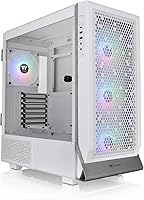
The Thermaltake Ceres 500 Mid Tower ATX Case arrived in early 2023 as a serious option for builders who care about airflow without sacrificing looks. The Snow Edition white finish and tempered glass side panel give it a clean, modern appearance that holds up well next to pricier competitors. What you get out of the box is already solid — four preinstalled fans, a spacious interior, and rotational PCIe slot support. With a 4.6-star rating across nearly 160 reviews, this mid-tower case has clearly connected with builders who want performance and aesthetics without hunting for upgrades on day one.
Features & Benefits

The Ceres 500 ships with four CT140 ARGB PWM fans, and they are not the flimsy stock fans you would expect to swap out immediately — they move real air and sync with standard ARGB controllers. More than 60% of the panel surface is perforated, which means passive airflow is actually working even when the fans run at low speeds. Liquid cooling builders will appreciate the 420mm front radiator support, a spec that puts this chassis ahead of many competitors in its class. The rotational PCIe slots and included GPU holder are a thoughtful touch for anyone planning a vertical graphics card installation.

Best For

This Thermaltake chassis is a natural fit for builders putting together a white-themed system — the Snow Edition look is clean enough that it needs little dressing up. If you are running a 360mm or 420mm radiator, the front panel clearance here is one of the more compelling reasons to choose this case. It handles E-ATX motherboards without complaint, which matters for anyone building on a high-end desktop platform. Compact build enthusiasts should look elsewhere — this is a large chassis for people prioritizing airflow and hardware flexibility over desk space. Vertical GPU builders will find the rotational PCIe design unusually convenient.

User Feedback

Most buyers are satisfied with the Ceres 500, and recurring praise centers on two things: the included fans feel well-made rather than throwaway, and the white finish looks as good in person as in product photos. On the critical side, a handful of reviewers note that cable management near the rear panel is tighter than expected, which can frustrate builders during longer assembly sessions. The 23-pound weight and large footprint have caught a few buyers off guard — worth knowing if desk space is tight or shipping cost matters. Minor radiator fitment issues appear occasionally depending on specific cooler and fan configurations.

Pros

  • Four preinstalled CT140 PWM fans are genuinely capable and unlikely to need immediate replacement.
  • Front panel supports radiators up to 420mm, giving liquid cooling builders serious flexibility.
  • Over 60% perforated paneling promotes strong passive and active airflow across the system.
  • Rotational PCIe slots and a built-in GPU holder make vertical graphics card mounting practical.
  • E-ATX motherboard support gives high-end platform builders comfortable room to work with.
  • The Snow Edition white finish and tempered glass side panel look polished and well-constructed.
  • Bottom-mounted PSU placement keeps heat separated and supports cleaner interior layouts.
  • Three-year warranty provides solid coverage for a chassis in this price tier.
  • Strong community reception with a 4.6-star average across real buyer reviews reinforces reliability.

Cons

  • At 23 pounds, the Ceres 500 is heavier than many competing mid-towers and awkward to move.
  • The large footprint can be a problem for builders with limited desk or floor space.
  • Rear cable management space is tighter than expected and may frustrate during longer builds.
  • Only two USB 2.0 ports on the front I/O panel feels limited for a modern enthusiast chassis.
  • Certain radiator and fan stacking combinations may require fitment adjustments before they seat correctly.
  • The sheer size may be unnecessary overhead for builders not using E-ATX or large cooling setups.
  • No USB 3.1 Type-C port on the front panel is a notable omission at this price point.

Ratings

The scores below reflect our AI-driven analysis of verified buyer reviews for the Thermaltake Ceres 500 Mid Tower ATX Case, sourced globally and filtered to remove incentivized, bot-generated, and outlier feedback. Every category score is calibrated to surface both what this chassis genuinely does well and where real builders have run into friction. The result is an honest picture of what you are actually buying.

Airflow Performance
93%
The combination of over 60% perforated paneling and four preinstalled 140mm PWM fans means the Ceres 500 moves air more effectively than most cases in its class right out of the box. Builders running high-wattage GPUs and overclocked CPUs consistently report that temperatures stay well controlled without any additional fan purchases.
At very low fan speeds, the perforated panels can allow more ambient dust ingress than sealed designs, meaning filter maintenance becomes more important over time. A handful of users in warmer climates noted that the top exhaust area could benefit from a fifth fan slot to further reduce hot air accumulation.
Build Quality
88%
The steel chassis feels solid and well-braced, with no flex or creaking during assembly — something builders notice immediately when routing cables or mounting heavy coolers. The tempered glass side panel in particular receives consistent praise for its thickness and the clean, flush way it sits against the frame.
A small number of users noted that some interior panel edges had minor sharp burrs that required careful handling during the build process. The white powder coat finish, while attractive, can show fine scratches if components are dragged across it carelessly during installation.
Cooling Compatibility
91%
Front-panel support for radiators up to 420mm is a standout capability that directly serves liquid cooling enthusiasts running triple 140mm configurations. Builders transitioning from air to custom loop setups find the interior depth and mounting flexibility genuinely accommodating compared to competing mid-towers.
Some users with specific thick-fan-plus-radiator combinations reported needing to adjust or shim their mounting to get everything to seat correctly at the front. Radiator fitment at the top of the case is more limited, so builders planning complex dual-radiator loops should verify their exact cooler dimensions before committing.
Aesthetic Design
89%
The Snow Edition white finish gives the Ceres 500 a cohesive, premium look that holds up well in person and photographs beautifully through the tempered glass panel — important for builders who share their work online. The all-white fan frames and interior lining make the lighting pop more effectively than it would in a dark chassis.
The aesthetic is inherently specific to white-themed builds, so buyers planning mixed or dark color schemes may find the interior finish clashes with their components. Over extended periods, white surfaces can show dust accumulation more visibly than black interiors, which may bother detail-oriented builders.
Fan Quality
87%
The CT140 ARGB PWM fans are notably better than the generic stock fans most cases include at this price tier, and multiple reviewers noted they had no immediate desire to replace them after comparing airflow and noise output. The PWM control means they respond well to motherboard fan curves, staying quiet during light workloads and ramping up smoothly under load.
The lighting synchronization requires an ARGB-compatible motherboard header or a separate controller, which adds a step for builders without a modern ARGB ecosystem already in place. A few users who swapped to premium aftermarket fans noted the preinstalled units were adequate but not quite at the same level as dedicated enthusiast fans from brands like Noctua or be quiet.
Cable Management
71%
29%
The bottom PSU shroud does a good job hiding power supply cabling, and the routed cable channels behind the motherboard tray are reasonably well thought out for a chassis at this price point. Builders willing to invest time in organizing their wiring can achieve a very clean-looking finished build visible through the glass panel.
The rear panel clearance is tighter than it should be for a case of this size, and some builders with thicker modular cables reported struggling to get the back panel to close flush. This is one of the more consistent complaints across user reviews and is worth acknowledging honestly if cable tidiness matters to you.
Radiator Support
92%
Few mid-tower cases in this price range match the 420mm front radiator clearance, and liquid cooling builders specifically seek out the Ceres 500 for this reason. The front mounting area provides enough depth to accommodate radiators paired with standard-thickness fans without requiring modifications.
While front radiator support is excellent, options for top-mounted radiators are more constrained, limiting builders planning more complex dual-loop or push-pull configurations. It is worth checking your specific all-in-one or custom loop cooler dimensions against the documented clearances before purchasing.
GPU Mounting Flexibility
84%
The rotational PCIe slots and integrated GPU holder make vertical graphics card installation more accessible than in cases that require fully aftermarket solutions. Builders showcasing high-end GPUs through the tempered glass find the vertical orientation visually rewarding and mechanically stable with the included holder.
A PCIe riser cable is still needed for vertical mounting and is not included, which adds to the cost and introduces a potential point of compatibility concern depending on the GPU and slot configuration. The rotational mechanism works well but requires care during adjustment to avoid misaligning the expansion slot bracket.
Interior Space
91%
The spacious interior makes E-ATX builds far less stressful than in tighter mid-towers, with room to maneuver large coolers, wide motherboards, and bulky modular cable sets simultaneously. Builders coming from cramped cases often comment on how much easier the assembly process feels in the Ceres 500.
The generous interior size is a double-edged consideration — builders with standard ATX or smaller boards will find a lot of unused space that contributes to the overall footprint without adding utility. The case is simply larger than many people expect until it is sitting on their desk.
Front I/O Connectivity
58%
42%
The front panel provides audio and microphone jacks alongside the USB ports, which covers basic peripheral connectivity for most users. The port placement is accessible and reasonably well positioned for typical desk setups.
Two USB 2.0 ports on the front I/O panel is a meaningful shortcoming for an enthusiast case in 2024 — the absence of a USB 3.2 Type-C port in particular feels like a significant omission relative to competing options. Builders who frequently connect USB drives, headsets, or charge devices from the front panel will likely feel the limitation in daily use.
Value for Money
83%
When you factor in the four quality preinstalled fans, the 420mm radiator support, and the rotational PCIe slot system, the Ceres 500 delivers a genuinely competitive package for builders who would otherwise need to buy fans and accessories separately. The three-year warranty adds further confidence in the long-term value proposition.
Buyers who do not need E-ATX support or large radiator clearance may find the price harder to justify relative to smaller, simpler cases that cost less and take up less space. The front I/O limitations also sting a little at this price tier, where USB-C connectivity is increasingly expected.
Assembly Experience
78%
22%
The large interior and wide tool access points make installing motherboards, coolers, and drives more comfortable than in tighter enclosures, especially for builders who are not working on a purpose-built PC assembly table. Standoffs and mounting hardware are included and generally well-organized in the accessory packaging.
Some builders reported that the instructions could be clearer, particularly around the rotational PCIe slot mechanism and fan header routing. Minor sharp edges at panel cutouts were flagged by a handful of users as a nuisance that required light filing before comfortable handling.
Noise Levels
81%
19%
At moderate fan speeds, the Ceres 500 is reasonably quiet for a case with four 140mm fans — a size that inherently favors lower RPM operation for equivalent airflow compared to 120mm alternatives. Builders who set conservative PWM curves report a comfortable ambient noise level during everyday use.
At full fan speed, the case is audible in quiet rooms, and the open perforated panels do less to dampen fan noise than acoustically padded designs. Builders who prioritize near-silent operation may want to replace the preinstalled fans with lower-noise alternatives or invest in a sound-dampening mat for the surrounding environment.
Dust Filtration
66%
34%
The bottom of the case includes a removable dust filter beneath the PSU area, which helps catch particulates from floor-level intake. The perforated panels do allow airflow to move freely, which reduces the pressure differential that can force dust into tighter spots.
The extent of perforated coverage that makes airflow so effective also means dust filtration across the main intake areas is minimal — there are no dense mesh filters covering the front panel perforations. Builders in dusty environments should expect to clean the interior more frequently than they might with a case that prioritizes filtration over raw airflow.
Warranty & Support
79%
21%
A three-year manufacturer warranty is a solid commitment for a chassis in this category, and Thermaltake has a well-established support infrastructure with replacement parts available for most of their case lineup. Builders who have needed warranty assistance generally report reasonable response times from Thermaltake customer service.
Some users noted that navigating warranty claims for physical components like tempered glass panels required more back-and-forth than expected. Support quality can vary by region, and international buyers should verify local service availability before purchasing.

Suitable for:

The Thermaltake Ceres 500 Mid Tower ATX Case is a strong match for PC builders who want a well-ventilated, visually clean chassis without spending extra on fans or lighting hardware right away. If you are planning a white-themed build, the Snow Edition finish and tempered glass panel give you a cohesive aesthetic that is hard to achieve at this price point without sourcing parts separately. Liquid cooling enthusiasts will find it particularly useful, since the front panel accommodates radiators up to 420mm — a spec that many competing mid-towers cannot match. Builders working with E-ATX or large ATX boards also benefit from the generous interior, which provides real breathing room for wiring and component placement. Anyone interested in a vertical GPU display will appreciate that the rotational PCIe slots and dedicated GPU holder handle that setup without requiring aftermarket hardware.
Not suitable for:

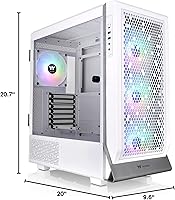
The Thermaltake Ceres 500 Mid Tower ATX Case is not the right pick for everyone, and a few specific buyer profiles should think twice before committing. At 23 pounds and measuring over 20 inches in both height and depth, this chassis is genuinely large — if your desk space is limited or you move your PC regularly, the size and weight will become a daily inconvenience. Compact build enthusiasts or anyone targeting a small form factor system should look at ITX or Micro-ATX focused cases instead, since this mid-tower is designed around spaciousness rather than efficiency of footprint. Builders with very specific radiator and fan stacking configurations may also run into minor clearance fitment challenges that require some trial and adjustment. Finally, if rear cable tidiness is a priority and you do not plan to spend extra time routing cables carefully, the tighter-than-expected rear panel clearance could be a source of frustration during and after the build.

Specifications

  • Form Factor: The Ceres 500 is a mid-tower chassis designed to fit standard desktop PC builds across multiple motherboard sizes.
  • Motherboard Support: Compatible with E-ATX, ATX, Micro-ATX, and Mini-ITX motherboards, covering the vast majority of consumer and enthusiast platforms.
  • Dimensions: The case measures 20 x 9.6 x 20.7 inches (L x W x H), making it a large mid-tower with a substantial physical footprint.
  • Weight: Shipping and handling should account for the 23-pound chassis weight, which is heavier than most competing mid-tower cases.
  • Side Panel: A full tempered glass side panel provides an unobstructed view of the interior components and installed lighting.
  • Preinstalled Fans: Four CT140 ARGB PWM fans (140mm each) come preinstalled, providing active airflow and addressable RGB lighting out of the box.
  • Front Radiator: The front panel supports liquid cooling radiators up to 420mm, accommodating three 140mm fans or equivalent configurations.
  • PCIe Slots: Rotational PCIe expansion slots with a dedicated GPU holder allow both standard and vertical graphics card installations.
  • PSU Mount: The power supply unit mounts at the bottom of the chassis, which helps isolate heat and supports tidier cable routing.
  • Panel Perforation: More than 60% of the case panels are perforated, enabling strong passive and active airflow throughout the interior.
  • Material: The chassis is constructed from steel with a tempered glass side panel, providing structural rigidity and visual transparency.
  • Front I/O Ports: The front I/O panel includes two USB 2.0 ports along with audio and microphone jacks for peripheral connectivity.
  • Cooling Support: The case supports both air cooling and liquid cooling configurations, including large tower coolers and multi-fan radiator setups.
  • Color: The Snow Edition variant features an all-white exterior finish across the chassis panels and preinstalled fans.
  • Warranty: Thermaltake provides a three-year manufacturer warranty covering defects in materials and workmanship for this chassis.
  • Model Number: The official model number for this chassis is CA-1X5-00M6WN-00, which can be used to verify compatibility and warranty registration.
  • Release Date: The Ceres 500 was first made available in January 2023 as part of Thermaltake's Ceres Series chassis lineup.
  • Fan Size: All four preinstalled fans are 140mm units, a size that balances higher airflow volume with lower operational noise compared to 120mm alternatives.

Related Reviews
Thermaltake Tower 600 Mid-Tower ATX Case
79%
91%
Build Quality
93%
Aesthetic Design
88%
Cable Management
94%
Cooling Capacity
71%
Installation Experience
More
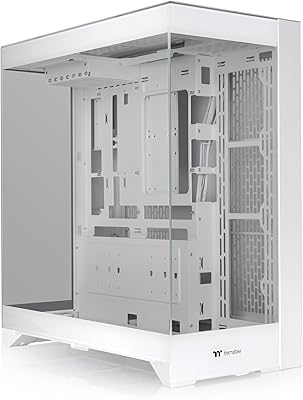
Thermaltake Versa H21 ATX Mid Tower Case
69%
91%
Ease of Assembly
86%
Interior Space
73%
Airflow & Ventilation
58%
Build Quality & Materials
67%
Cable Management
More
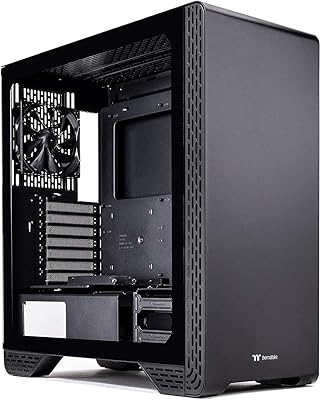
Thermaltake E550 TG Mid Tower ATX Case
79%
93%
Aesthetic Design
88%
Build Quality
84%
Cable Management
91%
Cooling Potential
86%
GPU Installation Flexibility
More
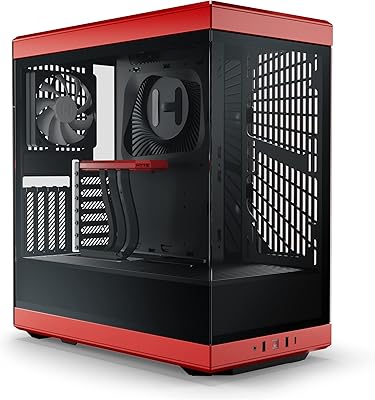
Thermaltake S300 Tempered Glass Edition ATX Mid-Tower Case
85%
88%
Build Quality
85%
Cooling Performance
91%
Ease of Setup
90%
Design and Aesthetics
87%
Compatibility with Motherboards
More
HYTE Y40 Mid-Tower ATX Case
85%
89%
Design & Aesthetics
86%
Cooling Performance
91%
Cable Management
93%
Build Quality
72%
GPU Compatibility
More
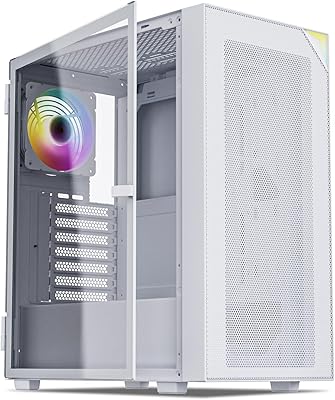
KEDIERS P6 Mid Tower ATX PC Case
75%
88%
Aesthetic Design
71%
Build Quality
84%
Included Fans & Lighting
78%
Airflow & Thermal Performance
81%
Radiator & Cooling Support
More
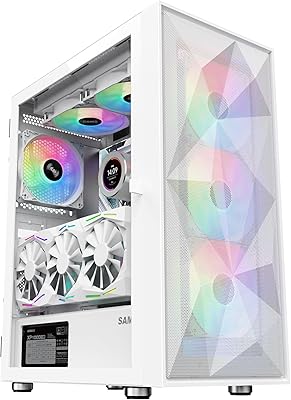
SAMA 3509 ATX Mid Tower PC Case
74%
88%
Value for Money
74%
Build Quality
81%
Airflow & Cooling Performance
67%
Pre-installed Fan Quality
86%
Tempered Glass Panel
More
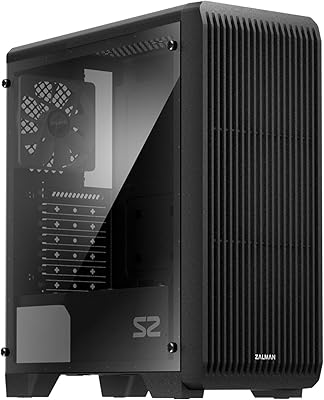
Zalman S2 ATX Mid-Tower PC Case
83%
88%
Cooling Performance
80%
Build Quality
85%
Ease of Setup
70%
Cable Management
92%
Value for Money
More
SZSKYING ATX Mid-Tower PC Gaming Case
85%
92%
Cooling Performance
85%
Build Quality
88%
Aesthetic Design
74%
Cable Management
78%
Ease of Setup
More
SAMA S40 Mid Tower ATX PC Case
79%
88%
Airflow Performance
83%
Included Fan Quality
79%
Build Quality & Finish
92%
GPU Compatibility
61%
Cable Management
More

FAQ

It supports both. The front panel can accommodate a 420mm radiator, which means a 360mm unit fits with room to spare. Just double-check your specific cooler's dimensions against the case interior if you are stacking thick fans alongside a radiator.

The rotational PCIe slots and GPU holder are included, but a PCIe riser cable is typically still required to physically connect a vertically mounted GPU to the motherboard. The Ceres 500 makes the mechanical side easier than most cases, but the riser cable itself is usually a separate purchase.

The CT140 ARGB PWM fans are quieter than generic stock fans, but at full speed they are audible. Since they are PWM controlled, your motherboard or fan controller can ramp them down during light workloads, which helps keep noise levels reasonable during everyday use.

Yes, the interior is sized to accommodate E-ATX boards, which are wider than standard ATX. Builders using high-end desktop platforms like AMD Threadripper or Intel HEDT boards should find the fit comfortable with room for cable routing.

The panel is designed for tool-free or minimal-tool removal, which is standard for modern cases in this class. That said, tempered glass is heavy relative to acrylic alternatives, so handle it carefully during removal to avoid chips or cracks at the edges.

The case has dedicated cable routing channels and a bottom PSU shroud that help organize wiring, but some builders find the rear panel clearance a bit tighter than expected. If you are meticulous about cable routing, plan for a little extra time and consider using low-profile connectors where possible.

The Thermaltake Ceres 500 Mid Tower ATX Case includes ARGB-ready fans, but whether a dedicated hub or controller is included depends on your specific retail bundle. It is worth checking what connectors your motherboard supports for ARGB sync before assuming full plug-and-play lighting control.

Honestly, it could be. At just over 20 inches deep and nearly 21 inches tall, this is a large chassis. If your desk is on the smaller side or you are placing the PC on a shelf, measure the available space carefully before ordering. The 23-pound weight also makes repositioning it less convenient than lighter alternatives.

Yes, the case supports additional fan positions beyond the four preinstalled units, including top and rear mounting locations. Just verify that any fans you add match the supported sizes for each location, and consider your total fan count relative to your ARGB or PWM header availability.

The Snow Edition white finish on the steel panels is generally durable under normal indoor conditions and is unlikely to yellow the way older plastic cases sometimes do. Surface scratches are possible if you are rough during assembly or cleaning, so use a soft cloth when wiping it down and be careful with metal components near the panels during the build process.