Overview

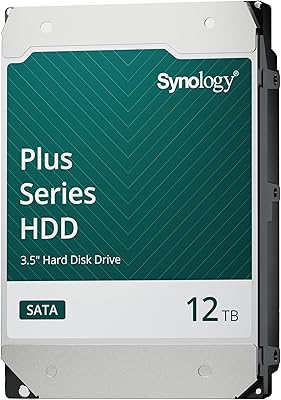
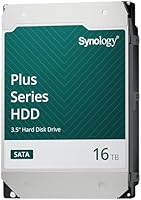
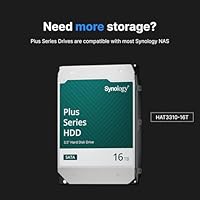
The Synology HAT3310 16TB 3.5″ SATA HDD is not a generic desktop drive quietly rebranded for NAS duty — it was built from scratch specifically for Synology enclosures. That distinction matters more than it might seem. Synology designs a tightly integrated ecosystem of hardware and software, and the HAT3310-16T is validated to operate within that stack reliably. Sitting in the Plus Series tier, this purpose-built HDD lands between Synology's value-oriented options and its enterprise-class line — a practical choice for home lab builders and small businesses who need dependable, high-capacity storage without paying enterprise prices. Its strong Amazon sales rank reflects consistent buyer confidence across hundreds of real-world deployments.
Features & Benefits

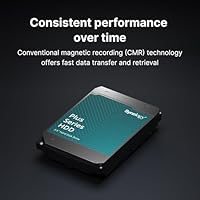
The most important thing to understand about this Synology NAS drive is that it uses CMR recording technology — conventional magnetic recording — rather than the more common SMR found in many consumer drives. For RAID arrays, this is significant: SMR drives can stall badly during RAID rebuilds, while CMR maintains consistent write speeds under sustained workloads. The 7200 RPM spindle contributes to solid sequential throughput, which you'll notice when transferring large files or streaming 4K video from a Plex library. Synology rates this drive for 180 TB per year of workload — roughly double what most desktop drives handle. Firmware updates push directly through DSM, so there's no awkward manual flashing. The 3-year warranty is standard for this class of drive.

Best For

This purpose-built HDD makes the most sense if you're already operating within the Synology ecosystem — specifically NAS owners expanding a multi-bay array like the DS923+ or RS1221+. Small businesses running always-on storage for file sharing, backups, or surveillance footage will appreciate the high workload rating and CMR reliability. Home lab users building Plex servers or offsite backup vaults are also a natural fit. That said, be clear about what this drive is not: it is not designed for non-Synology enclosures, and Synology does not guarantee compatibility outside their validated hardware list. It is also not a budget option. If price-per-terabyte is your primary concern, competing NAS drives from WD or Seagate may serve you better at a lower cost.

User Feedback

Across more than 330 ratings, the HAT3310-16T holds a 4.5-star average — strong for a NAS-specific drive in this capacity range. Buyers frequently cite quiet operation and instant recognition in DSM as standout positives; the drive simply shows up correctly without any fiddling. Long-term owners in particular seem satisfied, with several noting months of continuous operation without issues in multi-drive enclosures. The recurring criticism centers on price-per-terabyte: it costs more than comparable-capacity drives from WD Red Pro or Seagate IronWolf, and some buyers feel the premium is hard to justify unless deeply committed to Synology hardware. A handful of users also mention slightly elevated vibration in enclosures with six or more bays, though this appears to be chassis-dependent rather than a drive defect.

Pros

  • CMR technology ensures stable, predictable RAID rebuild performance — a real differentiator versus SMR alternatives.
  • The 180 TB/year workload rating handles continuous NAS operation without the throttling issues common in desktop-class drives.
  • DSM recognizes the HAT3310-16T instantly with no manual configuration or compatibility workarounds required.
  • Firmware updates push cleanly through Synology DSM, eliminating the need for risky manual flashing procedures.
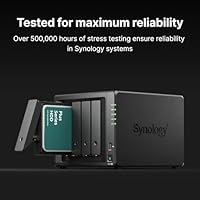
  • Synology's 500,000-hour validation testing provides genuine compatibility confidence across their current NAS lineup.
  • The 3-year manufacturer warranty is solid for this drive class and backed directly by Synology.
  • Quiet operation under typical NAS workloads is a consistent positive in verified long-term owner reviews.
  • 7200 RPM spindle speed delivers respectable sequential throughput for large file transfers and media streaming.
  • A 4.5-star average across hundreds of real-world buyers reflects reliable, repeatable satisfaction in NAS deployments.

Cons

  • Price-per-terabyte is noticeably higher than comparable WD Red Pro or Seagate IronWolf options at the same capacity.
  • Strictly limited to Synology enclosures — buyers using any other NAS brand get no meaningful advantage from this drive.
  • Some users report increased vibration in densely packed six-bay or larger enclosures, though this varies by chassis.
  • No value for desktop PC users or direct-attached storage builds — the ecosystem-specific features go entirely unused.
  • The Plus Series positioning means it lacks the enterprise-grade specs that demanding 24/7 rack environments may require.
  • 16TB capacity, while substantial, may require purchasing multiple units for serious archival builds, compounding the cost premium quickly.
  • Long-term performance data beyond one year is still limited given the March 2024 release date.
  • Buyers outside Synology's validated hardware list have no guarantee of stable operation or firmware update access.

Ratings

The Synology HAT3310 16TB 3.5″ SATA HDD earns strong marks across most categories, based on AI analysis of verified global buyer reviews — with spam, bot activity, and incentivized feedback actively filtered out before scoring. Ratings reflect the honest distribution of real-world experiences, from multi-bay NAS builds in small business environments to home lab deployments running continuous workloads. Both the clear strengths and the friction points buyers encounter are represented transparently in the scores below.
RAID Reliability
93%
Buyers who have run this drive in SHR and RAID 5 arrays consistently report clean, fast rebuild operations with no stalling — a direct result of CMR recording technology. In multi-drive builds handling simultaneous writes from surveillance or backup jobs, the drive performs without the erratic slowdowns that SMR alternatives are known for.
A small number of users running mixed-brand RAID arrays noted that rebuilds took longer than expected, though this appears to be a configuration issue rather than a drive defect. Buyers managing very large arrays of eight or more drives reported marginally more variability during extended rebuild cycles.
DSM Integration
91%
The drive is recognized immediately by Synology DiskStation Manager without any manual setup — it populates health data, temperature readings, and model information correctly from the first boot. Long-term owners particularly appreciate that firmware updates arrive through the same DSM interface they use daily, with no external tools or drive removal required.
The tight DSM integration is entirely absent outside of Synology hardware, which means buyers who later migrate to a different NAS brand lose this benefit completely. A handful of users also noted that DSM firmware update notifications occasionally appeared later than expected compared to Synology's official release announcements.
CMR Write Consistency
89%
Under sustained write workloads — archiving large video files, running nightly backup jobs, or ingesting surveillance footage from multiple cameras — the HAT3310-16T maintains predictable throughput without the write-speed cliffs common in SMR drives. Users running Synology Surveillance Station with six or more camera channels reported no bottlenecking during peak recording periods.
At peak sequential write speeds, some users noted the drive runs slightly warmer than competing 7200 RPM NAS drives, requiring adequate enclosure airflow to stay within comfortable operating ranges. This is not a defect, but buyers in passively cooled or low-airflow enclosures should factor it in.
Value for Money
61%
39%
For Synology ecosystem buyers who want the tightest possible hardware-software integration and CMR reliability at 16TB, the pricing reflects genuine engineering investment — not just a brand premium. Buyers who have experienced SMR-related data headaches in the past tend to view the higher cost as a worthwhile trade-off for long-term peace of mind.
Price-per-terabyte is the most frequently cited frustration in buyer reviews, with many noting that WD Red Pro and Seagate IronWolf Pro 16TB drives cost less while delivering comparable NAS-rated performance. For budget-conscious home lab users, the premium over third-party alternatives is difficult to justify unless DSM integration is a firm requirement.
Noise & Vibration
74%
26%
Under standard NAS workloads — file serving, media streaming, scheduled backups — buyers consistently describe this drive as quiet enough to live in a home office or living room NAS enclosure without being distracting. The 7200 RPM spin is audible during heavy sequential access, but most users consider it acceptable for the performance it delivers.
In enclosures with six or more drives, some buyers report that vibration resonance becomes noticeable, particularly in metal-chassis units without rubber drive mounts. A minority of users in densely populated rack units flagged increased acoustic output during simultaneous multi-drive access compared to slower 5400 RPM alternatives.
Thermal Performance
78%
22%
Most buyers report stable operating temperatures in well-ventilated Synology enclosures, with DSM showing consistent thermal readings well within safe ranges during normal NAS operation. The drive handles prolonged workloads — including multi-hour backup windows and overnight archiving — without triggering DSM temperature warnings in adequately cooled units.
In compact Synology enclosures with limited airflow, a subset of users noticed higher idle temperatures compared to competing drives at the same capacity. Buyers using fanless or low-airflow NAS configurations should verify enclosure cooling capacity before committing to this drive at 7200 RPM.
Long-Term Durability
86%
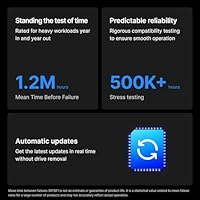
Given the March 2024 release date, most verified long-term reports cover six to fourteen months of continuous operation, with the overwhelming majority reporting zero errors or unexpected failures in that window. The 1.2 million hour MTBF rating appears consistent with early real-world data, and no systemic failure pattern has emerged across the buyer base.
Because the drive has been on the market for just over a year, there is insufficient long-term data to make confident claims about three-to-five year reliability — a relevant concern for NAS deployments expected to run for many years without drive rotation. Buyers should plan for this data gap when making long-term storage architecture decisions.
Firmware Update Experience
84%
Buyers who have applied DSM-delivered firmware updates describe the process as straightforward and low-stress, with updates completing without any array downtime in supported configurations. The ability to manage drive firmware from the same interface used for everything else in DSM is a quality-of-life advantage that users coming from manual-flash workflows genuinely appreciate.
A small number of users reported that firmware update notifications appeared inconsistently across drives in the same array, requiring manual checks in Storage Manager to confirm all units were updated. This is a minor inconvenience rather than a reliability concern, but it adds a small management burden in larger multi-drive setups.
Compatibility Assurance
88%
Synology's compatibility validation process means buyers do not need to cross-reference third-party compatibility lists or worry about whether their specific NAS model supports the drive — it is tested and listed. This is especially valuable for small business buyers who cannot afford unexpected compatibility failures in production storage environments.
The compatibility assurance is entirely Synology-specific, so buyers who later expand to a mixed-brand NAS environment will need to re-evaluate their drive choices. Users who purchased the drive for use in older Synology units not on the current compatibility list also reported occasionally needing firmware updates before the drive was fully recognized.
Workload Endurance
87%
The 180 TB/year workload rating means this drive can handle roughly 493 GB of data written per day without approaching its rated limit — comfortably covering even demanding small business NAS environments running backups, surveillance, and file sharing simultaneously. Buyers running Synology Surveillance Station at high channel counts report no endurance-related warnings in DSM over extended periods.
Users running extremely write-intensive workloads — such as continuous 4K surveillance from twelve or more channels combined with active backup jobs — have noted the drive approaching its workload ceiling faster than expected in some deployments. In these edge cases, stepping up to Synology's HAT5300 enterprise series may be more appropriate.
Packaging & Delivery Condition
82%
18%
Buyers consistently report that the drive arrives well-protected in foam-padded retail packaging, with no rattling or visible transport damage in the overwhelming majority of orders. The packaging format also makes it easy to store securely before installation, which matters for buyers purchasing drives in advance for a planned NAS build.
A small percentage of buyers reported receiving units with minor cosmetic scuffs on the drive casing, suggesting occasional packaging compression during shipping. None of these reports were associated with functional defects, but it is worth inspecting the drive carefully upon arrival and documenting any cosmetic damage before installation.
Installation Ease
92%
Dropping this drive into a Synology NAS tray and powering up the unit is genuinely plug-and-play — DSM identifies the drive automatically, presents health data immediately, and prompts for array configuration without any driver installation or manual identification steps. First-time NAS builders consistently describe the installation process as one of the least stressful parts of their setup.
The installation experience assumes you are working with a Synology enclosure; users who attempted installation in non-Synology hardware reported that the straightforward DSM-guided process was unavailable, leaving them without the guided setup they expected. The drive itself installs without issue mechanically, but the software experience is exclusively tied to Synology's platform.
Ecosystem Lock-In
58%
42%
For buyers already committed to the Synology platform — and many are, given DSM's depth as a NAS operating system — the tight ecosystem integration feels like an advantage rather than a limitation. The HAT3310-16T is purpose-built for this environment, and buyers who embrace the ecosystem report a consistently smooth experience from installation through ongoing management.
Buyers who later switch NAS brands or expand into mixed environments will find that the ecosystem-specific value of this drive evaporates entirely — the firmware updates, compatibility assurance, and DSM health monitoring all disappear outside of Synology hardware. This is the single most commonly cited long-term concern among buyers who purchased the drive without fully accounting for future flexibility.

Suitable for:

The Synology HAT3310 16TB 3.5″ SATA HDD was designed with a specific type of buyer in mind, and it delivers best when used exactly as intended. If you run a Synology NAS — whether a home lab setup with a DS923+ or a small business rack unit like the RS1221+ — this drive slots in with a level of compatibility assurance that generic NAS drives simply cannot match. Small businesses that depend on always-on storage for surveillance footage, shared file access, or incremental backups will value the high workload rating and CMR technology, which keeps write performance steady even under prolonged, continuous load. Home lab enthusiasts building serious Plex servers or multi-drive backup vaults also benefit significantly, particularly those who have dealt with SMR-related RAID rebuild problems in the past and want to avoid repeating that experience. The DSM-native firmware update support is a genuine quality-of-life advantage for anyone managing several Synology units, since updates apply cleanly through the interface they already use every day.
Not suitable for:

The Synology HAT3310 16TB 3.5″ SATA HDD is a poor fit for buyers who are not operating within the Synology ecosystem, and that boundary is worth taking seriously. Synology validates this drive specifically for their own enclosures; installing it in a QNAP, Asustor, or other third-party NAS does not guarantee stable operation, and you lose the DSM firmware update path entirely. Desktop PC users or those building a direct-attached storage setup will find no meaningful advantage over a standard desktop hard drive, and will likely pay a premium for features they cannot use. Budget-conscious buyers who prioritize price-per-terabyte over ecosystem integration should look at WD Red Plus or Seagate IronWolf alternatives, which offer competitive NAS-rated performance at a lower cost per gigabyte. This drive is also not the right call for workloads requiring enterprise-grade specifications like higher MTBF ratings or SAS connectivity — for those environments, Synology's own HAT5300 enterprise line is the more appropriate direction.
Specifications

  • Storage Capacity: This drive provides 16TB of usable storage, suitable for large NAS arrays handling media libraries, backups, or surveillance footage.
  • Form Factor: The 3.5-inch form factor is the standard size for desktop NAS enclosures and most rack-mounted Synology units.
  • Interface: Connects via Serial ATA (SATA), the standard internal drive interface supported across all current Synology NAS models.
  • Recording Technology: Uses conventional magnetic recording (CMR), which delivers consistent write speeds and reliable RAID rebuild behavior under sustained workloads.
  • Spindle Speed: Operates at 7200 RPM, providing solid sequential read and write throughput compared to 5400 RPM NAS drives.
  • Workload Rating: Rated for up to 180 TB of data written per year, making it appropriate for always-on NAS environments with continuous read/write activity.
  • MTBF: Synology rates this drive at 1.2 million hours mean time between failures, reflecting its design intent for long-term, uninterrupted operation.
  • Validation Testing: Each drive undergoes up to 500,000 hours of cumulative testing within Synology systems to verify compatibility and stability before release.
  • Firmware Updates: Firmware can be updated directly through Synology DiskStation Manager (DSM) without any third-party utilities or drive removal.
  • Warranty: Covered by a 3-year manufacturer warranty from Synology, consistent with competing NAS-optimized drives in this capacity class.
  • Compatible Devices: Validated exclusively for use with Synology NAS enclosures; compatibility with third-party NAS or desktop systems is not guaranteed.
  • Installation Type: Designed as an internal hard drive for installation inside a Synology NAS enclosure, not intended for external or portable use.
  • Drive Weight: The drive weighs 1.78 pounds, which is typical for a 3.5-inch mechanical hard drive at this capacity.
  • Package Dimensions: The retail package measures 8.82 x 6.02 x 2.83 inches, sized to accommodate standard anti-static protective packaging.
  • Product Series: Part of Synology's Plus Series (HAT3310), which sits above the value tier and below the enterprise HAT5300 line.
  • Availability Date: This drive became commercially available in March 2024 as part of Synology's expanded purpose-built storage lineup.

Related Reviews
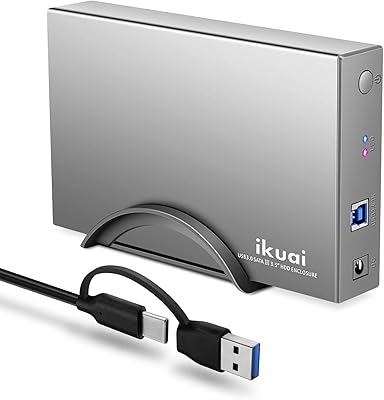
ikuai 3.5″ USB 3.0 Hard Drive Enclosure
80%
93%
Ease of Setup
71%
Build Quality
62%
Cable Quality & Reliability
88%
Drive Compatibility
74%
Data Transfer Speed
More
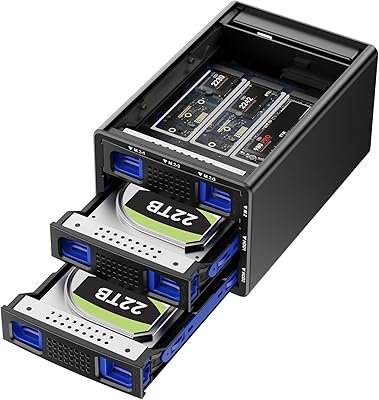
Cenmate 5-Bay Hybrid HDD/NVMe Enclosure
73%
83%
Build Quality
78%
Thermal Management
71%
Transfer Speed
69%
RAID Functionality
76%
Drive Compatibility
More
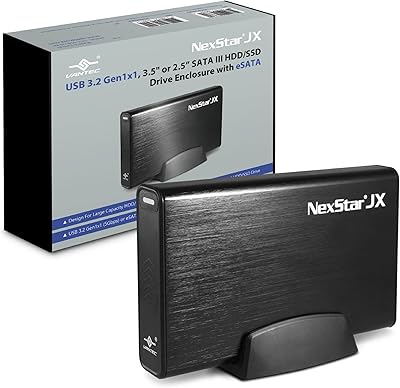
Vantec NexStar JX 3.5″ HDD Enclosure
76%
93%
Ease of Setup
78%
Transfer Speed — USB
86%
Transfer Speed — eSATA
74%
Thermal Management
67%
Build Quality
More
Syba SY-ENC50122 5-Bay RAID Enclosure
71%
83%
Build Quality
78%
RAID Functionality
86%
Drive Compatibility
71%
USB 3.0 Performance
54%
eSATA Usability
More
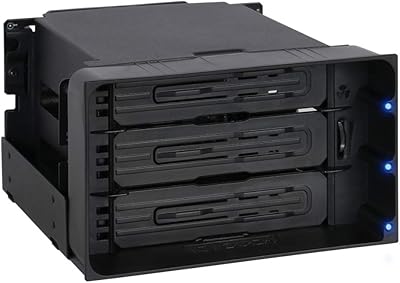
ICY DOCK flexiDOCK MB830SP-B 3-Bay 3.5 Inch SATA/SAS HDD Docking Enclosure
83%
93%
Ease of Installation
88%
Build Quality
87%
Performance & Speed
79%
Cooling Efficiency
65%
Noise Levels
More
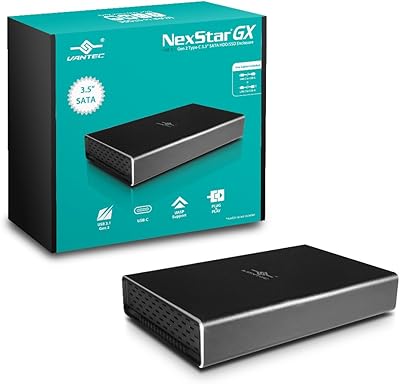
Vantec NST-371C31-BK NexStar Gx USB 3.1 Gen 2 Type-C 3.5″ SATA HDD/SSD Enclosure
84%
89%
Performance
94%
Ease of Setup
85%
Build Quality
92%
Compatibility with Systems
88%
Data Transfer Speed
More
Synology HAT3310 12TB 3.5″ Internal Hard Drive
82%
93%
DSM Integration
91%
Reliability & Endurance
89%
NAS Compatibility
62%
Value for Money
84%
Sequential Performance
More
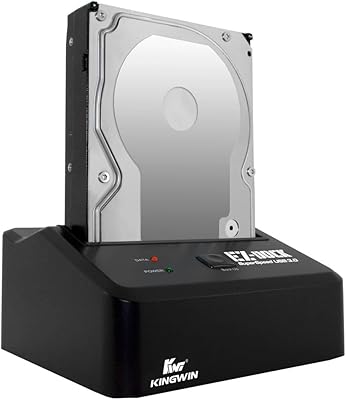
Kingwin EZD-2535U3 Hard Drive Docking Station
80%
93%
Ease of Setup
88%
Drive Compatibility
76%
Transfer Speed
81%
Build Quality
84%
Hot-Swap Functionality
More
WD WD10EZEX 1TB Internal Hard Drive
79%
83%
Reliability & Longevity
91%
Value for Money
93%
Installation Ease
67%
Read & Write Performance
86%
Noise Level
More
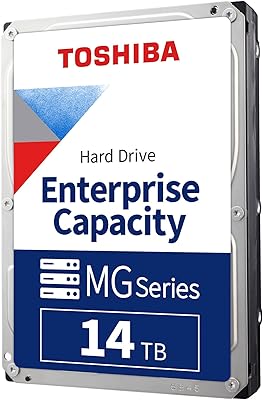
Toshiba MG Series 14TB 3.5″ SATA HDD
84%
91%
Reliability
88%
Performance under Load
89%
Workload Rating
75%
Ease of Installation
87%
Data Integrity/Write Speed
More

FAQ

It is strictly validated for Synology enclosures. While the drive uses a standard SATA interface and may physically fit in other brands, Synology only tests and guarantees compatibility within their own hardware. The DSM firmware update feature also becomes inaccessible outside of Synology systems, so you lose one of its core advantages.

CMR (conventional magnetic recording) writes data to non-overlapping tracks, which allows the drive to handle sustained writes smoothly. SMR drives use overlapping tracks to increase density, but they slow down significantly when rewriting data — a real problem during RAID rebuilds, which can take hours or days. For a NAS in a RAID array, CMR is strongly preferred, and the HAT3310-16T uses CMR throughout.

Yes, mixed drive arrays are possible in Synology NAS units, though Synology recommends using matched drives for best performance and predictability. Mixing brands in a RAID array works technically, but if the other drives are SMR-based, you may encounter rebuild inconsistencies. For a new build, using matched HAT3310 units across all bays is the cleaner approach.

Both are CMR NAS drives with similar workload ratings and 7200 RPM spindle speeds. The key practical difference is ecosystem integration: this Synology drive is validated and firmware-managed through DSM, while the WD Red Pro is a more universal option that works well across multiple NAS brands. If you are committed to Synology hardware, the HAT3310-16T offers tighter integration; if you want flexibility, the WD Red Pro is worth considering.

Under typical NAS workloads — file access, backups, media serving — buyers generally describe this drive as quiet. Some users with six or more drives in a densely packed enclosure have noticed slightly elevated vibration, which can amplify ambient noise depending on the chassis design. Heat is not a widely reported concern, though adequate enclosure airflow is always recommended for any mechanical drive running continuously.

When Synology releases a firmware update for this drive, a notification appears in DSM's Storage Manager. You can apply the update directly from that interface without removing the drive or using any external tools. The process is straightforward and does not require the drive to be taken offline in a supported array configuration, which reduces the risk typically associated with manual firmware flashing.

For most home Plex libraries — even large ones with 4K content — 16TB per drive is substantial. If you are building a multi-bay NAS with RAID 5 or SHR, your usable capacity will depend on how many drives you install and your chosen redundancy level. A two-drive mirror gives you 16TB usable; a four-drive RAID 5 setup with 16TB drives gives you roughly 48TB usable. Most home users find 16TB per drive more than sufficient to start.

Synology covers this drive with a 3-year manufacturer warranty. If you experience a failure, you would contact Synology support directly to initiate an RMA. It is worth noting that warranty replacement covers the drive itself, not data recovery, so maintaining a proper backup strategy alongside any NAS setup is essential regardless of drive quality.

Yes, this is actually one of the stronger use cases for this purpose-built HDD. Surveillance Station generates continuous sequential writes, and the 180 TB/year workload rating combined with CMR technology handles that load without the performance degradation you might see with consumer-grade drives. For setups with many camera channels writing simultaneously, this drive is a practical and reliable choice.

If budget is a significant concern, Synology's value-tier drives or compatible third-party NAS drives like the Seagate IronWolf offer a lower entry point. The HAT3310-16T is a premium option that makes the most sense once you know you will stay within the Synology ecosystem long-term and want the tightest possible integration with DSM. For a first NAS build where you are still learning the platform, starting with a less expensive validated drive is a reasonable approach.

Where to Buy