Overview

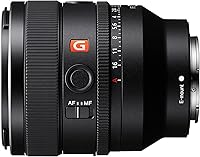
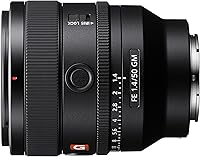
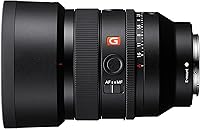
The Sony FE 50mm F1.4 GM Lens arrived in early 2023 as Sony's answer to a question many photographers had been asking: can you get G Master image quality in a package that doesn't weigh down your bag? At F1.4, you get genuine low-light capability and meaningful background separation without reaching for the larger, heavier 50mm F1.2 GM. This 50mm GM is notably smaller and lighter than that sibling — a real consideration if you shoot all day. It rewards those who want a versatile everyday prime that handles portraits, street work, and available-light situations with equal confidence.

Features & Benefits

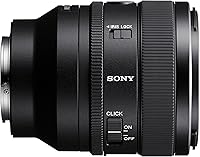
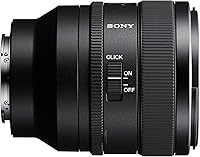
The 11-blade circular iris is one of the first things portrait shooters will notice in their results — backgrounds don't just blur, they dissolve in a way that feels organic rather than mechanical. Handling-wise, the lens sits comfortably on an Alpha body without front-heaviness, thanks to its balanced build at just over a pound. Autofocus is driven by XD linear motors, and in practice that means subject acquisition is fast and nearly inaudible — genuinely useful when shooting video or candid moments where a noisy AF hunt would ruin a take. Weather sealing rounds out a package that feels built for professional use, not just occasional outings.

Best For

Portrait and wedding photographers will find this Sony prime particularly compelling — reliable subject separation, fast-locking autofocus, and a rendering quality that holds up on large prints. Street and travel shooters benefit from the discreet, lightweight form factor; at 50mm, it's unobtrusive enough not to draw attention while still pulling in enough light for indoor and evening work. Videographers will appreciate how quietly the autofocus operates and how minimal focus breathing is during pulls. For Sony Alpha users upgrading from the older Zeiss 50mm F1.4 or stepping down from the bulkier F1.2 GM, this lens offers a practical middle ground that compromises very little.

User Feedback

Most owners land firmly in the satisfied camp — the lens carries a strong consensus rating, with praise centering on sharpness wide open, autofocus reliability, and a size that makes it genuinely easy to carry daily. Video users in particular highlight how clean footage looks and how the AF tracks without hunting or noise. On the critical side, some buyers wrestle with the price relative to the F1.2 GM, which isn't dramatically larger and offers a full stop more light. A few have noted the 67mm filter thread requires new accessories if coming from other primes. The main reservation is cost, not optical capability.

Pros

  • Sharpness holds up impressively wide open, with no need to stop down just to get usable results.
  • The 11-blade iris produces background blur that looks natural and gradual, not artificial or swirly.
  • Autofocus is fast enough for moving subjects and quiet enough for video use — a genuine dual-use win.
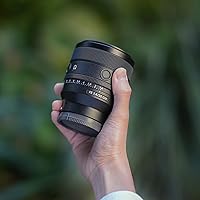
  • At just over a pound, this Sony prime is light enough to forget it is on your camera during long shoots.
  • Weather sealing gives real confidence when shooting outdoors in unpredictable conditions.
  • Full electronic integration with Sony Alpha bodies means reliable EXIF data, in-body stabilization, and Eye AF support.
  • The compact profile makes it less conspicuous on the street than most F1.4 lenses in this class.
  • Minimum focus distance of 0.38m allows tighter framing than many standard primes without reaching for a macro.
  • Build quality feels professional-grade without being unnecessarily heavy or oversized.
  • User consensus is overwhelmingly positive, with consistent praise from both photo and video shooters.

Cons

  • The price is steep, and budget-conscious buyers can find capable 50mm alternatives for considerably less.
  • Stepping down from F1.4 to F1.2 is a meaningful light difference in genuinely dark environments, so the F1.2 GM still has a real edge there.
  • The 67mm filter thread does not match common filter sizes on many photographers existing kits, requiring new purchases.
  • No native adapter path for non-Sony mirrorless systems — the investment is locked to the Sony E-mount ecosystem.
  • Some users report the lens hood feels less premium than the overall build, which is a minor but recurring complaint.
  • At this price tier, buyers will inevitably compare it to third-party options like the Sigma 50mm Art, which undercuts it on cost.
  • The autofocus, while fast, has occasional hesitation in very low-contrast scenes according to some video users.
  • There is no optical stabilization built into the lens, so IBAS-dependent shooters are reliant entirely on body-based stabilization.

Ratings

The Sony FE 50mm F1.4 GM Lens earned these scores after our AI model analyzed verified global user reviews, actively filtering out incentivized, bot-generated, and outlier submissions to surface what real photographers and videographers consistently reported. Scores reflect both the genuine strengths and the honest trade-offs that emerged across thousands of hands-on experiences — nothing is softened to protect the product's reputation.

Optical Sharpness
96%
Across a wide range of shooting conditions, users consistently describe the lens as sharp from corner to corner even at F1.4 — a quality many expected only after stopping down. Portrait photographers in particular noted that fine details like hair and eyelashes render with clarity that holds up at large print sizes.
A small number of users shooting very close to the minimum focus distance noted slight softness at the extreme edges of the frame when wide open. It is a narrow edge case that most photographers will never encounter in typical use, but worth knowing for technical studio work.
Bokeh Quality
93%
The 11-blade circular iris produces background blur that reviewers consistently describe as smooth and gradual rather than abrupt or busy. Wedding and portrait photographers mentioned that even cluttered backgrounds — string lights, foliage, crowds — dissolve into soft, undistracting shapes that flatter the subject.
A handful of users doing close-focus work at maximum aperture noticed slight onion-ring patterns in specular highlights under certain lighting conditions. It is not a widespread complaint, but pixel-peepers comparing to higher-end apochromatic lenses may pick up on it.
Autofocus Speed
91%
The XD linear motor system draws consistent praise for locking onto subjects quickly and holding focus during unpredictable movement. Event photographers and parents shooting active kids reported that the AF rarely hunts or hesitates under good light, which builds genuine confidence during paid work.
In very low-contrast or dimly lit scenes — think a dark reception hall with mixed ambient light — some users noted occasional hesitation before the lens settled on focus. It is not a chronic problem, but it surfaces just often enough in tricky conditions to be worth noting for low-light event shooters.
Autofocus Noise
88%
Video shooters repeatedly praised how quiet the autofocus operation is during recording — on-camera microphone tests from multiple users showed little to no audible motor noise bleeding into the audio track. Solo documentary filmmakers find this particularly valuable when shooting without a dedicated sound operator.
While the lens is near-silent in most conditions, a few users reported a faint high-frequency whine during extended continuous AF tracking in video mode. It is subtle enough that it only becomes an issue with highly sensitive external microphones positioned very close to the camera body.
Build Quality
89%
The lens barrel feels solid and well-damped, with a control ring and aperture ring that operate smoothly without excess play. Photographers who have shot in light rain or dusty outdoor environments reported that the weather sealing held up reliably without needing extra protection measures.
Some users noted that the supplied lens hood feels slightly less premium than the barrel itself — it clicks into place but lacks the reassurance of higher-end Sony accessories. A small number of reviewers also mentioned that the focus-by-wire manual focus feel is less tactile than mechanical systems on older primes.
Size & Portability
87%
Compared to other native F1.4 full-frame primes, this lens is genuinely compact, and photographers who carry a camera all day described noticeably less fatigue. Travel shooters specifically appreciated that it pairs well with smaller Alpha bodies without creating the front-heavy imbalance common with large aperture primes.
It is still a full-size professional lens — compact is relative here, and users coming from a 35mm prime or a kit lens may find the size adjustment real. A few APS-C users mentioned it feels slightly oversized on smaller bodies like the a6700, though it remains fully functional.
Video Performance
86%
Focus breathing is minimal enough that users pulling focus during video shoots reported clean, professional-looking transitions without the unsettling zoom effect that plagues some other primes. The combination of quiet AF, low breathing, and reliable Eye AF tracking makes this a credible single-lens video option for hybrid shooters.
The lens relies entirely on body-based stabilization, which means handheld video shooters on older Sony bodies with weaker IBAS will notice more shake than they might expect at 50mm. Users on the a7 III or earlier generation bodies reported needing to be more deliberate about camera movement than users on newer platforms.
Low-Light Performance
84%
At F1.4, the lens pulls in enough light that many users reported shooting in restaurant and reception environments without flash or significantly raised ISO. Street photographers noted that the bright aperture allows shutter speeds fast enough to freeze motion in urban nighttime settings where slower lenses would require a compromise.
Compared to the 50mm F1.2 GM, the one-stop difference does become real in the darkest shooting environments. Users who frequently shoot stage performances or night events without any supplemental lighting mentioned that the F1.2 sibling would serve those specific use cases meaningfully better.
Rendering & Color
88%
Colorimetry and contrast rendition drew consistent praise, with users describing files as having natural micro-contrast that requires minimal post-processing correction. Skin tones in particular were called out as flattering and accurate across a range of light sources, which matters for portrait photographers editing in volume.
A small number of users noticed very slight chromatic aberration in high-contrast scenes at maximum aperture — bright window frames against dark walls being a common example. It is correctable in post and largely handled automatically by Sony bodies, but it is a known characteristic at F1.4.
Value for Money
71%
29%
For photographers who need G Master optical quality in a compact, lightweight daily prime, the lens justifies its price tier by delivering professional results without requiring a second, heavier kit lens. Users who switched from the older Zeiss 50mm F1.4 described the upgrade as immediately impactful, making the expenditure feel purposeful.
The price is the most common source of buyer hesitation, especially given that the F1.2 GM is available at a moderate premium and offers more aperture headroom. Hobbyist and enthusiast shooters frequently noted that third-party alternatives like the Sigma 50mm Art deliver very competitive image quality at a substantially lower cost.
Compatibility
82%
18%
Full native integration with the Sony Alpha ecosystem means that features like Real-time Eye AF, in-body stabilization communication, and automatic lens correction profiles work without any setup or workaround. Users described the pairing with bodies like the a7R V and a7 IV as genuinely plug-and-play.
The lens is entirely locked to the Sony E-mount ecosystem, which limits its appeal to photographers considering a future system switch. A few users who also shoot Canon or Nikon noted that the investment feels less flexible than third-party alternatives that offer multi-mount versions.
Filter Usability
67%
33%
The 67mm filter thread is a reasonable size that keeps the lens compact, and users who shoot with polarizers or ND filters for video found 67mm options widely available and affordably priced at this diameter.
The 67mm thread size does not match the 77mm or 72mm filters that many Sony FE lens owners already have in their kits. Multiple buyers specifically flagged the cost and inconvenience of having to purchase a new filter set or step-down rings as an unexpected additional expense.
Manual Focus Feel
63%
37%
The focus-by-wire control ring is smooth enough for video focus pulls when using a follow focus system, and the customizable control ring provides a useful additional input for exposure adjustments during shooting.
Photographers coming from older mechanical focus lenses found the fly-by-wire manual focus system less intuitive and less satisfying for precise manual control. There is no hard stop at infinity or minimum focus distance, which makes manual focus by feel — as you might do in low light — less reliable than on traditional mechanical systems.
Flare Resistance
77%
23%
Users shooting toward bright light sources like windows or outdoor sun reported that the lens handles flare reasonably well, with minimal ghosting visible in most everyday shooting scenarios. The included lens hood does a solid job blocking off-axis light in bright outdoor conditions.
In very high-contrast backlit situations — direct sun in frame, strong studio strobes without diffusion — a few users noted some veiling flare that slightly reduced contrast in those specific shots. It is not a standout weakness, but wide aperture lenses at this focal length are generally more susceptible to flare than longer focal lengths.

Suitable for:

The Sony FE 50mm F1.4 GM Lens is a strong fit for Sony Alpha photographers who want a professional-grade prime they can actually carry every day without fatigue. Portrait and wedding shooters will get the most out of it — the wide aperture and smooth rendering make subject isolation natural and consistent, while the fast autofocus keeps up with unpredictable moments. Travel and street photographers who have long avoided fast primes because of bulk will find this one genuinely pocketable by comparison. Videographers working run-and-gun or documentary-style will also benefit, since the near-silent autofocus and minimal focus breathing make it practical for solo shooting without a dedicated focus puller. It also makes sense for professionals upgrading from the older Zeiss 50mm F1.4, who want noticeably better autofocus and optics without jumping to the larger F1.2 GM.

Not suitable for:

The Sony FE 50mm F1.4 GM Lens is a harder sell if your budget is the primary concern — this is a premium-tier prime, and there are capable third-party 50mm options at significantly lower prices that will satisfy casual or hobbyist shooters just fine. Photographers who need extreme low-light performance or shoot in environments where every stop of light counts should honestly consider the F1.2 GM instead, since the one-stop difference is meaningful in very dark conditions. If you shoot Canon, Nikon, or any non-Sony system, this lens simply isn't compatible. Users who already own the 50mm F1.2 GM and are happy with it will find little practical reason to swap — the size difference, while real, may not justify the cost of switching. Finally, photographers who rely on a 67mm filter thread may need to replace existing 77mm or 72mm filter sets, which adds to the total investment.

Specifications

  • Focal Length: Fixed 50mm focal length, suitable for full-frame Sony E-mount cameras.
  • Max Aperture: Maximum aperture of F1.4 allows strong background separation and confident shooting in low-light conditions.
  • Min Aperture: Minimum aperture of F16 provides flexibility for controlled exposure in bright outdoor environments.
  • Aperture Blades: 11-blade circular iris produces smooth, rounded bokeh at all aperture settings.
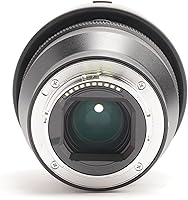
  • Lens Mount: Native Sony E-mount with full electronic communication for autofocus, stabilization, and EXIF data.
  • Format Coverage: Designed for full-frame sensors but fully compatible with APS-C Sony E-mount bodies as well.
  • Autofocus System: XD linear motor autofocus delivers fast, near-silent subject acquisition suited for both stills and video.
  • Dimensions: Measures approximately 3.17″ in diameter and 3.78″ in length, making it compact for an F1.4 full-frame prime.
  • Weight: Weighs approximately 1.14 pounds (around 516g), notably lighter than comparable F1.4 full-frame primes.
  • Min Focus Distance: Minimum focus distance of 0.38m (approximately 1.25 feet) allows tighter subject framing than many standard primes.
  • Filter Thread: 67mm front filter thread for use with standard circular polarizers, ND filters, and UV filters.
  • Weather Sealing: Dust and moisture resistant construction makes the lens viable for outdoor professional use in variable conditions.
  • Image Stabilization: No optical stabilization built into the lens; relies on in-body image stabilization available in compatible Sony Alpha bodies.
  • Model Number: Official Sony model number is SEL50F14GM, used for warranty registration and accessory compatibility verification.
  • Release Date: Officially launched in February 2023 as part of Sony's G Master prime lens lineup.
  • Manufacturer: Designed and manufactured by Sony Corporation, with production meeting G Master quality standards.

Related Reviews
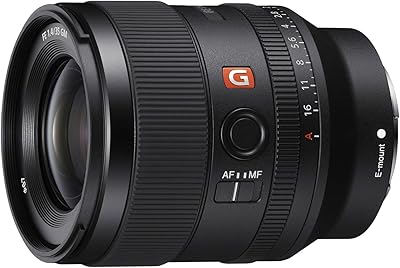
Sony FE 35mm F1.4 GM Prime Lens
86%
96%
Optical Sharpness
93%
Autofocus Performance
91%
Bokeh Quality
88%
Build Quality
67%
Vignetting Control
More
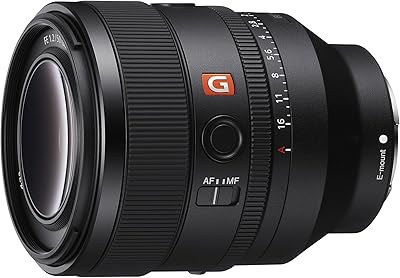
Sony FE 50mm F1.2 GM Camera Lens
83%
96%
Optical Sharpness
94%
Bokeh Quality
91%
Autofocus Performance
93%
Low-Light Capability
58%
Value for Money
More
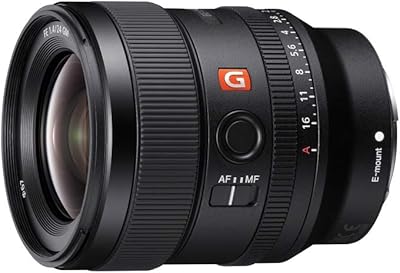
Sony SEL24F14GM 24mm F1.4 GM Wide-angle Lens
84%
96%
Sharpness Wide Open
93%
Bokeh Quality
94%
Low-Light Performance
89%
Autofocus Speed & Accuracy
88%
Build Quality & Weather Sealing
More
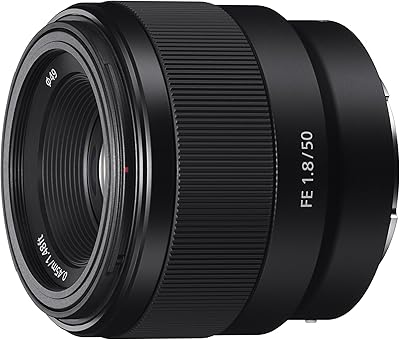
Sony FE 50mm F1.8 Standard Lens
80%
88%
Image Sharpness
91%
Bokeh Quality
71%
Autofocus Performance
63%
Build Quality
93%
Value for Money
More
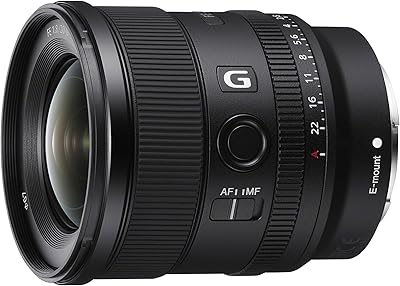
Sony FE 14mm F1.8 GM Wide-Angle Prime Lens
81%
96%
Optical Sharpness
94%
Low-Light Performance
88%
Coma & Aberration Control
81%
Autofocus Speed & Accuracy
87%
Flare & Ghosting Resistance
More
Sony SEL20F18G 20mm F1.8 Wide-Angle Lens
81%
93%
Optical Sharpness
91%
Autofocus Performance
89%
Aperture & Low-Light Ability
88%
Build Quality
87%
Video Usability
More
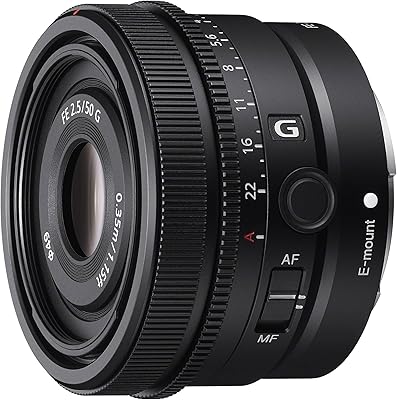
Sony FE 50mm F2.5 G Prime Lens
83%
93%
Image Sharpness
91%
Build Quality
88%
Autofocus Performance
97%
Portability & Size
67%
Bokeh & Background Blur
More
Sony FE 20-70mm f/4 G Standard Zoom Lens
83%
93%
Optical Sharpness
88%
Autofocus Performance
91%
Video Capability
61%
Low-Light Performance
86%
Build Quality
More
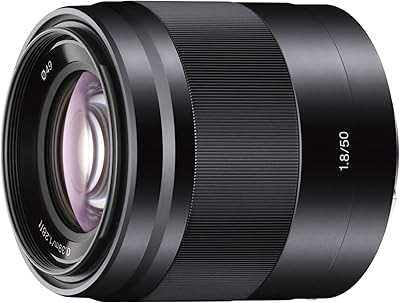
Sony E 50mm F1.8 OSS Portrait Lens
86%
89%
Image Quality
74%
Autofocus Performance
92%
Bokeh and Background Blur
80%
Low-Light Performance
85%
Build Quality
More
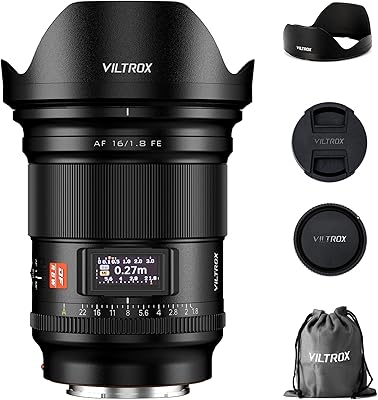
VILTROX 16mm F1.8 FE Lens for Sony E Mount
88%
89%
Image Quality
91%
Autofocus Speed and Accuracy
85%
Low-Light Performance
87%
Build Quality
93%
Portability
More

FAQ

Yes, the lens is fully compatible with APS-C Sony E-mount bodies. On an APS-C sensor you will see a crop factor, so the effective field of view becomes roughly 75mm equivalent. Autofocus and electronic features work completely normally.

The F1.2 GM offers one additional stop of light and slightly shallower depth of field, but it is noticeably larger and heavier. For most photographers, the F1.4 version is the more practical daily lens — the image quality difference in typical shooting conditions is minimal, and the size and weight savings are real. If you work frequently in very dark environments without flash, the F1.2 makes more sense; otherwise, this one is the easier choice to live with.

In practice, yes. The XD linear motor system locks onto subjects quickly and tracks reliably when paired with Sony Alpha bodies that support Real-time Tracking or Eye AF. Users shooting events, sports, and active children have reported strong results, though as with any fast prime, challenging lighting or low-contrast backgrounds can slow things down slightly.

It is genuinely well-suited for video work. The autofocus operates quietly enough that it rarely bleeds into on-camera audio, and focus breathing — where the frame appears to zoom slightly during focus pulls — is minimal. Documentary and solo video shooters in particular find it easy to use without a dedicated focus puller.

The front filter thread is 67mm. If your current lenses use 77mm or 72mm filters, you will need step-down rings or new 67mm filters. It is a common friction point mentioned by photographers transitioning from other Sony primes.

No, there is no optical stabilization inside the lens itself. You rely entirely on in-body stabilization from your Sony camera body. On recent Alpha bodies with effective IBAS systems, this works well for handheld shooting at moderate shutter speeds, but it is worth knowing if you shoot on an older body with weaker stabilization.

The 11-blade circular iris produces background blur that transitions gradually and looks organic rather than harsh or geometric. Real-world photos show smooth out-of-focus areas even at mid-range distances, which is especially noticeable in portrait work where background elements are varied. It compares favorably to most F1.4 competitors in this regard.

Yes, the lens includes dust and moisture resistance throughout the barrel, and the overall construction feels solid without being unnecessarily heavy. Photographers who shoot weddings, events, or outdoor portraits in variable weather have used it confidently in light rain and dusty conditions.

The minimum focus distance is 0.38m, which is about 15 inches from the sensor plane. That is closer than many standard 50mm primes, which is useful for tighter headshots or product-style images where you want to fill the frame without a dedicated macro lens.

In most measurable ways, yes. The autofocus is considerably faster and quieter, the overall size is slightly more manageable, and the rendering wide open is sharper and more consistent across the frame. Photographers who have made the switch consistently report that the autofocus improvement alone justifies the upgrade for anyone who shoots events or moving subjects.

Where to Buy

Best Buy
In stock $1,384.02
Walmart
In stock $1,398.00
Target
In stock $1,398.00
Newegg.com
In stock $1,259.95
newegg.com
In stock $1,259.95
Adorama
In stock $1,398.00
B&H Photo-Video-Audio
In stock $1,398.00
The Photo Center
In stock $1,074.99
Willoughby's Photo Emporium
In stock $1,149.00