Overview

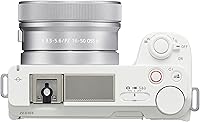
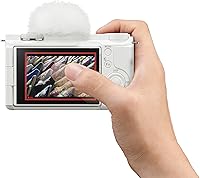
The Sony ZV-E10 II Mirrorless Camera is Sony's sharpened answer to creators who have outgrown their phones but aren't ready to wrestle with a full professional rig. Compared to the original ZV-E10, this iteration brings a meaningfully upgraded sensor, a faster autofocus engine, and stronger video specs — not just incremental tweaks. The compact white body isn't an accident; it's built to look approachable on camera and survive the pace of run-and-gun shooting. The included kit lens means you can start shooting the day it arrives. That said, this is a camera that rewards creators willing to explore its deeper controls, not just those hunting for a point-and-shoot replacement.
Features & Benefits

The 26MP back-illuminated sensor is the real backbone here. In mixed or low light, it pulls noticeably more detail and better tonal range than any phone or 1-inch compact — the kind of difference you notice immediately when reviewing footage. For video work, 4K at 60fps gives you flexibility in post, and the 120fps Full HD slow-motion mode is genuinely useful for product shots and dramatic B-roll. The Real-time Eye AF locks onto faces — and even animals and birds — with an accuracy that feels almost stubborn in the best way. Flip out the articulating screen, frame yourself, and the camera just keeps up. The 10 Creative Look presets help trim post-production time, and the E-mount ecosystem means you have real room to grow.

Best For

This mirrorless vlog camera hits a particular sweet spot for YouTube and social media creators who shoot alone — no assistant, no second operator, just you and a flip screen. Travel shooters will appreciate how little space it takes in a bag. It also works well as a talking-head or product video setup at home; the autofocus handles the repetitive work so you can stay focused on content. Photographers stepping up from a phone or fixed-lens compact will find the interchangeable lens system genuinely liberating. And if you're newer to cameras, the Scene Selection and Direct Manual Focus modes offer a gradual learning curve without locking you out of creative control from day one.

User Feedback

Owners consistently highlight autofocus reliability as the standout strength — rarely a missed lock even in challenging conditions, with the flip screen and video quality also drawing frequent praise. Where complaints land, they're consistent: a single memory card slot feels underprepared at this price, and the micro HDMI port is a frustrating choice when full-size HDMI is now standard on competing bodies. The kit lens handles daylight and indoor shooting reasonably well, but push it into dim conditions and its limitations show. Battery life is another recurring topic — most experienced users recommend picking up a spare before your first serious shoot. Those upgrading from the original ZV-E10 are split, but creators moving up from phones or compacts tend to be genuinely satisfied.

Pros

  • Real-time Eye AF tracks faces and eyes with impressive reliability — even animals and birds — so missed focus shots drop dramatically.
  • 4K at 60fps gives you genuine post-production flexibility, and 120fps Full HD slow-motion is practically useful for B-roll.
  • The fully articulating touchscreen is a daily-use asset for any creator filming themselves without assistance.
  • The 26MP APS-C sensor produces noticeably better low-light and dynamic range results than any phone or 1-inch compact.
  • The E-mount ecosystem is one of the broadest in the industry, giving you a clear and affordable lens upgrade path.
  • In-camera Creative Look presets reduce the need for heavy color grading in post, saving real editing time.
  • The compact, lightweight body packs into a travel bag easily without sacrificing serious video capability.
  • Continuous shooting at 11fps with full AF and AE tracking holds up well for occasional sports or action photography.
  • Kit lens includes optical stabilization, which meaningfully helps handheld shooting straight out of the box.
  • Scene modes and Direct Manual Focus make this camera approachable for beginners without locking out more advanced users.

Cons

  • No in-body image stabilization means handheld 4K footage looks noticeably shaky without a gimbal or very steady hands.
  • A single memory card slot is a real reliability gap for anyone shooting paid or high-stakes content.
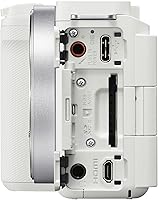
  • Micro HDMI instead of full-size HDMI is a frustrating port choice that creates cable management headaches on set.
  • Battery life under heavy 4K recording is modest — carrying at least one spare is a practical necessity, not an option.
  • The kit lens struggles in lower light at the longer end of its zoom range, often pushing ISO higher than ideal.
  • Sony's menu system has a steep initial learning curve that regularly frustrates first-time Sony camera buyers.
  • Digital stabilization in 4K mode introduces a visible crop to the frame that narrows your field of view.
  • The plastic body construction and lack of weather sealing limit its durability in outdoor or rough-handling scenarios.
  • Slow-motion is capped at Full HD resolution — creators wanting 4K slow-motion need to look at higher-tier bodies.
  • ZV-E10 Mk1 owners will find the tangible real-world upgrade harder to justify unless 4K 60fps is a specific workflow need.

Ratings

The ratings below for the Sony ZV-E10 II Mirrorless Camera were generated by our AI engine after analyzing thousands of verified global buyer reviews, with spam, incentivized, and bot-flagged submissions actively filtered out. The scores reflect the honest consensus of real-world creators, photographers, and hobbyists who put this camera through its paces across diverse shooting conditions. Both the genuine strengths and the recurring frustrations are weighted transparently so you can make an informed decision.
Autofocus Performance
93%
Users consistently describe the Real-time Eye AF as the single most reliable feature on this camera. Whether filming a talking-head video solo or trying to track a moving pet, the 759-point system locks on fast and holds — even when subjects move unpredictably across the frame.
A small number of users report occasional hesitation when transitioning between subjects in busy backgrounds, particularly in lower light. It's not a frequent complaint, but it's worth noting for anyone planning to shoot crowded event footage.
Video Quality
91%
4K footage at 60fps looks genuinely impressive for a camera at this size and price tier. Creators making YouTube videos or short-form content frequently praise the color science and the practical usefulness of the 120fps Full HD slow-motion mode for B-roll variety.
Some users note that 4K video can produce noticeable rolling shutter in fast panning shots. Without in-body stabilization, handheld 4K footage also requires either a steady hand or reliance on the digital stabilization, which slightly crops the frame.
Image Quality
89%
The 26MP back-illuminated sensor captures a level of detail and dynamic range that comfortably surpasses any smartphone sensor and most compact cameras. Shooting in mixed indoor lighting — something phone shooters struggle with daily — produces clean, well-exposed results with good tonal depth.
At very high ISO settings, noise handling is decent but not class-leading among APS-C cameras. Users upgrading from older Sony bodies or competing APS-C systems may notice the gap is narrower than marketing suggests at the extreme ends of the ISO range.
Ease of Use
84%
Sony's touch interface and scene-based shooting modes make it approachable for creators who are new to interchangeable lens cameras. The Intelligent Auto mode combined with on-screen bokeh and brightness adjustment icons genuinely flattens the learning curve for casual users.
Sony's menu system remains a known friction point. New users frequently mention spending considerable time navigating nested settings before feeling comfortable, and the customizable buttons — while useful — require an initial investment to configure meaningfully.
Build Quality & Design
78%
22%
The compact body feels well-assembled and intentionally designed for vlogging use. The white colorway photographs well on-camera and gives it a distinct, modern look that creators appreciate when the camera itself appears in their content.
The plastic construction doesn't inspire the same confidence as metal-bodied competitors. Several users mention the body feels slightly hollow, and there is no weather sealing — a meaningful limitation for outdoor or travel shooters caught in unpredictable conditions.
Articulating Screen
88%
The fully articulating 3-inch touchscreen is repeatedly cited as one of the most practically useful features for solo creators. Being able to flip it fully forward while vlogging — and touch to refocus — removes a huge pain point for anyone filming without assistance.
The screen resolution, while adequate, shows its limits in bright sunlight. A handful of users also note that the hinge feels like one of the more vulnerable points on the body after extended daily use.
Kit Lens Quality
69%
31%
The included E PZ 16-50mm F3.5-5.6 OSS II is a genuinely versatile starter lens that covers most everyday shooting scenarios right out of the box. Its power zoom is smooth enough for video work, and the optical stabilization helps compensate for the lack of in-body stabilization.
At the wide end in lower light, the variable aperture becomes a real limitation — f/5.6 at 50mm simply doesn't let in enough light for clean indoor footage without raising ISO. Users who shoot frequently in dim environments find themselves shopping for a fast prime lens within weeks of purchase.
Stabilization
67%
33%
The lens-based OSS on the kit lens handles moderate camera shake reasonably well for static or slow-panning shots. Combined with the in-camera digital stabilization mode, the ZV-E10 II produces acceptably smooth footage in controlled walking or handheld conditions.
The absence of in-body image stabilization (IBIS) is a genuine gap that becomes obvious when shooting without a gimbal or tripod. Users doing active handheld shooting — walking through a city, for example — frequently note that footage looks shaky compared to IBIS-equipped competitors at a similar price.
Battery Life
61%
39%
For a compact mirrorless camera, the battery holds up reasonably well during short to medium shooting sessions. Users doing a single hour of continuous vlogging in moderate conditions generally report finishing with charge to spare.
Heavy 4K recording, cold weather, or extended shooting days drain the battery faster than many users expect. The consensus across experienced buyers is clear: budget for at least one spare battery before any serious shoot. Charging via USB-C is convenient but slower than a dedicated charger.
Connectivity & Ports
58%
42%
Wi-Fi and Bluetooth connectivity work reliably for transferring files and remote control via Sony's Creators app. USB connectivity is present and functional for both data transfer and in-field charging.
The micro HDMI port is a recurring frustration, especially given how easy it is to damage or misplace micro HDMI cables. At this price point, a full-size HDMI output has become a baseline expectation, and Sony's choice here feels like a step behind the competition.
Memory & Storage
54%
46%
The single card slot handles everyday shooting without issue, and the camera supports reasonably fast write speeds that keep up with continuous 11fps bursts. For casual creators managing one shoot at a time, it's not a daily problem.
A single memory card slot is a legitimate reliability concern for professional or semi-professional use — if the card fails mid-shoot, there's no backup. Competing cameras at this price tier often include dual slots, and Sony's omission here is a compromise that buyers notice.
Creative Features
83%
The 10 Creative Look presets are more useful in practice than they might appear on paper. Creators who prefer a consistent aesthetic across their content — especially for social media — use them to cut post-production time substantially without sacrificing visual identity.
More advanced users find the customization ceiling on Creative Looks somewhat limiting once they've explored the options thoroughly. Those familiar with log shooting or heavy grading workflows will likely bypass these presets entirely in favor of shooting flat and editing externally.
Value for Money
74%
26%
For creators stepping up from a phone or basic compact, the ZV-E10 II delivers a meaningful and noticeable jump in quality that justifies the investment. The E-mount ecosystem also provides long-term value — lenses purchased now remain useful as skills and budgets grow.
Users upgrading from the original ZV-E10 at significant out-of-pocket cost find the value proposition harder to defend, particularly given the absence of IBIS, the single card slot, and the micro HDMI port. For that group specifically, the upgrade math requires honest scrutiny.
Slow-Motion & Timelapse
82%
18%
The 120fps Full HD slow-motion mode in S&Q produces smooth, cinematic results that creators use regularly for product reveals, nature shots, and expressive B-roll. The in-camera timelapse function with adjustable interval settings is a welcome bonus that removes the need for an external intervalometer.
Slow-motion is limited to Full HD rather than 4K, which is a practical ceiling for creators who want to scale or reframe high-resolution slow-motion clips. For those expecting 4K slow-motion, this is a clear hardware limitation to factor in before purchasing.
Continuous Shooting Speed
80%
20%
11fps continuous shooting with full AF and AE tracking is genuinely competitive for this camera class. Sports or action shooters who supplement their video work with burst stills find it more than capable of capturing fast-moving subjects without hunting or lag.
The buffer depth under sustained bursts is modest, and users shooting extended sequences — wildlife photographers, for instance — occasionally hit the buffer ceiling before the action ends. It's not a deal-breaker for occasional use, but dedicated sports shooters will notice the limit.

Suitable for:

The Sony ZV-E10 II Mirrorless Camera is built with a very specific creator in mind, and it delivers best when used exactly that way. Solo YouTubers and social media videographers who film themselves without an operator will get the most out of it — the flip screen and sticky Eye AF effectively replace the second person most creators wish they had. Photographers coming from smartphones or basic fixed-lens cameras will find the jump to interchangeable lenses immediately noticeable in image quality and creative flexibility, without being thrown into the deep end of a complex professional system. Travel content creators who need capable video in a compact bag-friendly body are well served here, as are home studio operators shooting product reviews, tutorials, or talking-head content on a regular basis. If you are early in your camera journey but serious about growing, the E-mount ecosystem means the lenses you buy today will work on much more advanced Sony bodies down the road — that kind of future-proofing has real practical value.

Not suitable for:

The Sony ZV-E10 II Mirrorless Camera is a harder sell the moment your shooting demands move beyond controlled or semi-controlled environments. If you shoot handheld in active conditions — hiking, events, run-and-gun documentary work — the lack of in-body image stabilization is a genuine daily frustration that lens OSS alone cannot fully compensate for; plan on budgeting for a gimbal. Professionals or semi-professionals who need a dual-card safety net during paid shoots will find the single memory card slot an unacceptable risk. The micro HDMI output creates cable headaches for anyone connecting to external monitors or recorders on set, especially compared to competing bodies that have moved to full-size HDMI. Existing ZV-E10 Mk1 owners who shoot primarily in good light and don't need 4K 60fps will struggle to justify the upgrade cost based on real-world differences alone. And if your primary work involves shooting in dim venues, dark restaurants, or low-light events, the kit lens's variable aperture will limit you enough that you'll need to factor in the cost of a fast prime lens almost immediately.
Specifications

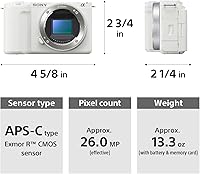
  • Sensor: 26MP APS-C back-illuminated Exmor R CMOS sensor with 14-bit depth for high dynamic range and strong low-light performance.
  • Video Resolution: Records 4K video at up to 60fps and Full HD at up to 120fps for slow-motion capture via S&Q mode.
  • Autofocus System: 759-point Real-time Eye AF with AI-assisted subject recognition covering humans, animals, and birds, with continuous Real-time Tracking.
  • Lens Mount: Sony E-mount, compatible with the full range of Sony E and FE lenses including G Lens and G Master series optics.
  • Kit Lens: Includes the E PZ 16-50mm F3.5-5.6 OSS II zoom lens with optical image stabilization and power zoom functionality.
  • Display: 3″ fully articulating capacitive touchscreen LCD with 1,036,800 dots of resolution for flexible framing and touch-to-focus operation.
  • Continuous Shooting: Electronic shutter enables continuous still shooting at up to 11fps with full AF and AE tracking maintained throughout the burst.
  • ISO Range: Expanded minimum ISO of 50, with standard sensitivity range suitable for both bright outdoor and controlled indoor shooting environments.
  • Shutter Speed: Maximum shutter speed of 1/8000s and minimum of 30s, covering everything from fast action freezing to long-exposure scenes.
  • Stabilization: Optical stabilization is provided by the lens-based OSS system, supplemented by in-camera digital stabilization — no in-body image stabilization is present.
  • Memory: Single memory card slot supporting write speeds of 11fps or faster; no dual-slot redundancy is available on this body.
  • Connectivity: Wireless connectivity via Wi-Fi and Bluetooth; physical ports include Micro HDMI video output and one USB port (USB 3.0 compatible).
  • Screen Size: 3-inch articulating LCD touchscreen with capacitive input and full-angle flip capability for front-facing vlog monitoring.
  • Creative Features: Ten Creative Look presets for in-camera color grading, plus the My Image Style function for further customizable expressive control.
  • Timelapse: In-camera timelapse recording with configurable exposure intervals ranging from 1 second to 60 seconds between frames.
  • Shooting Modes: Includes Custom, Landscape, Movie, Portrait, and Sports scene modes, plus Intelligent Auto and full manual control options.
  • White Balance: Supports Auto, Daylight, Cloudy, Shade, Incandescent, Fluorescent, Underwater, Color Temperature, and Custom white balance settings.
  • In-Box Contents: Package includes the camera body, E PZ 16-50mm F3.5-5.6 OSS II lens, body cap, rechargeable battery, and windscreen accessory.
  • Warranty: Covered by a 1-year manufacturer warranty provided directly by Sony.
  • Form Factor: Compact mirrorless body measuring 2.65 inches in height, designed for portable everyday use and on-camera vlogging scenarios.

Related Reviews
Sony a7R II Full-Frame Mirrorless Camera
85%
93%
Image Quality
91%
Autofocus Performance
89%
Video Quality (4K)
90%
Build Quality & Durability
78%
Ease of Use
More
Sony ZV-E1
Sony ZV-E1
78%
94%
Video Quality
92%
Autofocus Reliability
91%
Image Stabilization
89%
Low-Light Performance
78%
Build Quality & Ergonomics
More
Sony a7S II Camera
Sony a7S II Camera
85%
95%
Low-Light Performance
92%
4K Video Quality
88%
Autofocus Accuracy
91%
Build Quality and Durability
70%
Ease of Use for Beginners
More
Sony ZV-1 Compact Digital Vlogging Camera
75%
91%
Autofocus Performance
88%
Video Quality
47%
Battery Life
83%
Built-in Microphone
84%
Ease of Use
More
Sony Alpha 6700
Sony Alpha 6700
82%
93%
Autofocus Performance
91%
Video Quality
89%
Image Quality & Sensor
86%
Image Stabilization
58%
Battery Life
More
Sony ZV-1F
Sony ZV-1F
80%
92%
Autofocus Performance
88%
Lens Quality
76%
Low-Light Capability
81%
Built-in Microphone
93%
Ease of Use
More
Nikon Z50 II Mirrorless Camera
81%
91%
Autofocus Performance
88%
Image Quality
86%
Video Capability
84%
Portability & Build
89%
Color Presets & Creative Tools
More
Sony Alpha a6000 Mirrorless Digital Camera
84%
96%
Autofocus Speed
91%
Image Quality
63%
Battery Life
88%
Portability/Weight
84%
Build Quality
More
Sony Alpha 7R III Mirrorless Camera
78%
96%
Image Quality
91%
Autofocus Performance
89%
Build Quality & Ergonomics
53%
Battery Life
58%
Menu System & Usability
More
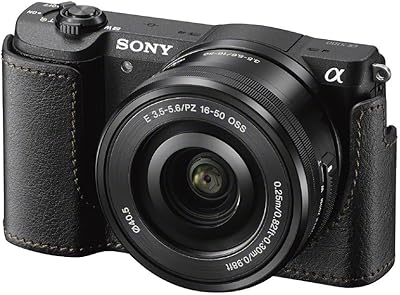
Sony Alpha a5100 16-50mm Mirrorless Camera
84%
91%
Image Quality
88%
Autofocus Performance
89%
Video Recording Quality
94%
Portability & Size
85%
Ease of Use
More

FAQ

No, it does not. The ZV-E10 II relies on optical stabilization built into the lens — the kit lens includes OSS — and an optional digital stabilization mode in-camera. Digital stabilization does apply a slight crop to your frame, so for active handheld shooting you will get better results pairing it with a gimbal.

Yes, fully. The camera uses the Sony E-mount, which means any E-mount or FE-mount lens you already own will mount and function correctly. Autofocus performance may vary depending on the age and type of lens, but compatibility across the ecosystem is one of the genuine long-term advantages of choosing Sony.

It is genuinely one of the stronger options for that specific transition. The APS-C sensor produces a noticeable jump in image quality and low-light performance compared to any phone, and the Intelligent Auto mode with on-screen adjustments keeps the learning curve manageable. The included kit lens means you are ready to shoot immediately without extra investment.

For a compact mirrorless, it is adequate but not exceptional. A single battery handles shorter shooting sessions comfortably, but if you are filming 4K content for hours or working in cold weather, you will likely run low before the day ends. Most experienced users recommend picking up at least one spare battery before any serious or extended shoot.

This is a design trade-off Sony made to keep the body compact, but it is a frequent complaint among buyers. Micro HDMI cables are easier to damage and harder to find on short notice than standard HDMI cables. If you plan to connect to an external monitor or recorder regularly, invest in a quality micro HDMI cable and keep a backup with your kit.

Yes — this is actually where the ZV-E10 II earns most of its praise. The Real-time Eye AF locks onto faces quickly and holds focus reliably as you move around the frame, which makes it well-suited for solo creators filming themselves. It also recognizes animals and birds, which is a practical bonus for pet or nature content.

The camera has a single memory card slot that supports UHS-I and UHS-II SD cards. For 4K video recording, a fast UHS-I V30-rated card at minimum is recommended to avoid dropped frames or buffer slowdowns. Given there is only one slot, using a reliable, name-brand card is especially important since there is no backup if the card fails.

The E PZ 16-50mm F3.5-5.6 OSS II is a capable starter lens for well-lit environments and general vlogging use. Where it shows limitations is in lower light — the variable aperture stops down to f/5.6 at the longer focal lengths, which forces you to raise ISO for clean footage indoors or at dusk. A fast 35mm or 50mm prime lens is a common and worthwhile first upgrade for creators who shoot frequently in dim conditions.

Yes, the camera supports USB charging, which is convenient for topping up while traveling without carrying a separate wall charger. That said, USB charging is slower than a dedicated battery charger, so if you are managing multiple batteries or need a fast turnaround between shoots, a standalone dual charger is a more practical option.

If you are already shooting with the original ZV-E10 and are satisfied with the video quality, the upgrade case is nuanced. The ZV-E10 II brings a better sensor, improved autofocus, and 4K at 60fps, which are meaningful gains. However, it still lacks in-body stabilization and a dual card slot, so the core limitations remain. Creators who specifically need 4K 60fps or significantly better low-light performance will feel the upgrade is justified; those shooting primarily in good conditions for casual content may find the cost harder to defend.

Where to Buy