

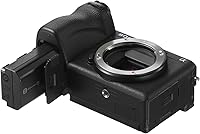
Overview

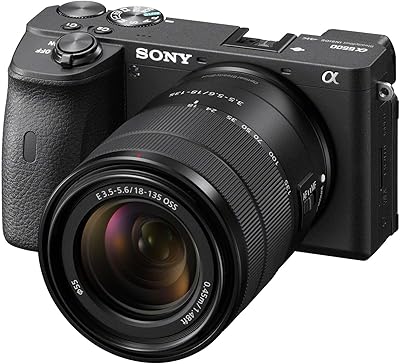
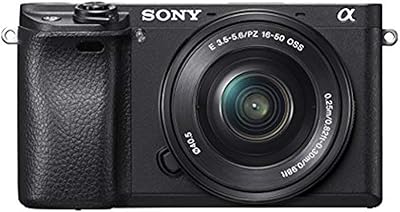
The Sony Alpha 6700 sits at a genuinely interesting crossroads — compact enough to travel light, capable enough to satisfy working photographers who need reliable results under pressure. It pairs a 26MP back-illuminated sensor with a dedicated AI processor, which is not just a spec bump but a real architectural shift in how the camera handles tracking and image processing simultaneously. Compared to full-frame bodies at a similar price tier, you trade a larger sensor for a significantly smaller, lighter kit. The articulating LCD and strong video feature set make it stand out among APS-C competitors, and landing at #9 in Mirrorless Cameras on Amazon reflects genuine buyer confidence, not just marketing.

Features & Benefits

The Alpha 6700's autofocus is where it really earns attention. Its AI subject recognition — covering people, animals, and vehicles — locks on with noticeably better consistency than older Sony APS-C bodies, especially when subjects are partially obscured or moving erratically. For video, 4K at 60 frames per second with 6K oversampling and 10-bit 4:2:2 recording gives editors far more latitude in color grading, a meaningful advantage for anyone delivering polished work. The 4K/120p slow-motion mode is genuinely rare at this sensor size. Add five-axis sensor stabilization and built-in log shooting with LUT handling, and Sony's compact powerhouse starts to feel more like a professional production tool than a prosumer upgrade.

Best For

This APS-C mirrorless makes the most sense for hybrid creators who refuse to carry two separate bodies on a shoot. Travel and street photographers will appreciate how little space it occupies relative to what it produces. Wildlife shooters get 11 FPS burst with AI tracking that keeps pace with unpredictable animal movement. Solo vloggers benefit directly from the articulating touchscreen and clean HDMI output for external recorders. Enthusiasts moving up from older APS-C systems will find the autofocus and video capabilities represent a substantial jump, not an incremental one. Worth noting: this is a body-only purchase, so budget accordingly for lenses — the E-mount ecosystem is extensive but not inexpensive.

User Feedback

Owners consistently highlight autofocus reliability as the standout strength, particularly for locking onto eyes in low light or tracking fast-moving subjects that would trip up lesser systems. The video capabilities draw strong praise too — many note the output quality rivals cameras costing considerably more. Where things get more candid: battery endurance is a genuine concern, and most shooters recommend grabbing a spare before any serious outing. The Sony menu system still carries a learning curve that catches newcomers off guard. Users with larger hands occasionally find the grip too shallow for extended sessions. Heat during 4K recording has been flagged by some, though it appears situational rather than a consistent problem.

Pros

  • AI subject tracking locks onto eyes, faces, and animals with impressive accuracy in real-world conditions.
  • 4K/120p slow-motion footage is a rare capability at this sensor class and produces smooth, detailed results.
  • 10-bit 4:2:2 recording gives video editors serious color grading latitude without needing a dedicated cinema body.
  • Five-axis in-body stabilization makes handheld shooting viable in situations that would normally require a tripod.
  • The fully articulating LCD is genuinely useful for solo creators and low-angle shooting, not just a marginal addition.
  • At 14.5 ounces, Sony's compact powerhouse fits in a travel bag where most full-frame systems simply will not.
  • Built-in log shooting and LUT handling streamline the post-production workflow for hybrid photo and video creators.
  • The Sony E-mount ecosystem offers wide third-party lens support from Sigma and Tamron at accessible price points.
  • 11 FPS burst with a 0.09-second delay keeps up with fast action without requiring a high-end body.
  • Clean HDMI output and a headphone jack cover the practical connectivity needs of content creators on set.

Cons

  • Battery life is a persistent frustration — carry at least one spare or plan around frequent recharging.
  • The menu system has a steep learning curve that catches first-time Sony users off guard during early shoots.
  • Thermal throttling during extended 4K recording is a real risk in warm environments and can interrupt long takes.
  • The grip depth is too shallow for comfortable use with large hands, especially when mounting heavier lenses.
  • This is a body-only purchase, meaning total kit costs rise steeply once lenses and accessories are factored in.
  • High-ISO noise is noticeably more prominent than full-frame competitors at similar price points.
  • The 64GB maximum card capacity feels limiting when shooting high-bitrate 10-bit 4K footage over long sessions.
  • Bluetooth connectivity can drop unexpectedly during remote shooting sessions, requiring manual reconnection.
  • No built-in flash means event and fill-light situations require carrying an additional accessory.
  • Buffer depth under sustained RAW burst shooting can introduce brief pauses that interrupt fast-action sequences.

Ratings

The Sony Alpha 6700 earns its reputation as one of the most capable APS-C mirrorless cameras available today, and the scores below reflect exactly that — strengths and frustrations alike. These ratings were generated by AI after analyzing thousands of verified buyer reviews worldwide, with spam, bot submissions, and incentivized feedback actively filtered out. The result is an honest, balanced snapshot of what real owners experience day to day.

Autofocus Performance
93%
Owners consistently describe the AI-driven subject tracking as a step-change improvement over previous APS-C Sony bodies. Eye detection locks on fast — even in cluttered backgrounds or low-contrast lighting — and animal tracking is accurate enough that wildlife photographers report dramatically improved keeper rates without manual intervention.
In very low light or when shooting through obstacles like fencing or glass, the system occasionally hunts before confirming focus. A small number of users also note that switching between subject types mid-session can briefly confuse the AI, requiring a manual reset.
Video Quality
91%
The 10-bit 4:2:2 output at 4K/60p gives editors real flexibility in color grading, and the 6K oversampling noticeably improves sharpness and reduces moiré compared to pixel-binned alternatives. Videographers who previously needed a dedicated cinema camera for log footage are finding this APS-C body handles professional deliverables with confidence.
Extended 4K recording sessions — particularly at 120p — can trigger thermal warnings in warm environments or enclosed spaces. A handful of users report the camera throttling before the end of long takes, which is a real concern for event videographers who cannot afford interruptions.
Image Quality & Sensor
89%
The 26MP back-illuminated sensor resolves fine detail well, and dynamic range holds up impressively when shooting in raw format. Portrait and landscape shooters frequently highlight how much tonal information survives aggressive exposure recovery in post, especially in highlight-heavy outdoor scenes.
At ISO 6400 and above, noise patterns become more visible compared to full-frame sensors at the same price tier. This is an inherent APS-C trade-off rather than a flaw in execution, but shooters who regularly work in very dark interiors should factor it into their expectations.
Image Stabilization
86%
The 5-axis sensor-shift stabilization makes a tangible difference when handholding in dim environments — many travel photographers report sharp results at shutter speeds where they would normally reach for a tripod. Paired with optically stabilized lenses, the combined system handles slow city-walk footage and handheld close-ups with minimal jitter.
Stabilization effectiveness drops when panning quickly or during highly dynamic movement, where some residual wobble is visible in footage. A few users also note that the IBIS compensation is less convincing on very long telephoto focal lengths without a lens that contributes its own optical stabilization.
Battery Life
58%
42%
The NP-FZ100 battery is the same unit used across Sony's full-frame Alpha lineup, which means third-party options are widely available and relatively affordable. Users who prepare ahead — carrying two or three charged spares — report no meaningful disruption to all-day shooting schedules.
Without spares, the battery is a genuine weak point. Heavy video shooters often burn through a full charge in under two hours, and even still photographers doing mixed shooting report anxiety-inducing drain rates. Compared to some competing mirrorless bodies in this class, the endurance gap is hard to ignore.
Build Quality & Ergonomics
77%
23%
The magnesium alloy chassis feels solid for its weight category, and the weather sealing gives outdoor photographers a reasonable level of confidence in light rain or dusty conditions. The button layout is dense but logical for experienced Sony users, and the customizable dial setup rewards time spent in the menus.
Users with larger hands find the grip depth too shallow for extended handheld sessions, leading to fatigue and occasionally insecure holds when using heavier telephoto lenses. The body-only weight is manageable, but the ergonomic trade-offs of the compact APS-C form factor become more apparent on longer shoots.
Menu System & Usability
63%
37%
Experienced Sony users will find the menu architecture familiar and appreciate the depth of customization available — nearly every button can be remapped, and the My Menu feature lets frequent settings sit one click away. Once configured, day-to-day operation becomes genuinely efficient.
First-time Sony owners frequently describe the out-of-box menu experience as overwhelming, with settings buried across multiple tabs in non-intuitive locations. The learning curve is real, and without investing time upfront, it is easy to miss features that would meaningfully improve results.
Vlogging & Content Creation
88%
The fully articulating LCD is properly useful for solo creators — not just a marginal tilt screen — and the reliable subject tracking means face-locked autofocus holds without constant supervision while filming to camera. Clean HDMI output and microphone and headphone jacks cover the basics that content creators actually need on set.
The lack of a built-in ND filter means vloggers shooting outdoors in bright conditions need an external solution to control exposure at cinematic shutter speeds. The body also has no built-in flash, which is a minor inconvenience for event content creators who occasionally need fill light in a pinch.
Slow-Motion Capability
87%
4K at 120 frames per second is a genuinely rare specification at the APS-C level, and the resulting slow-motion footage is smooth and detailed enough for professional use. Sports and wildlife shooters particularly value this for isolating peak moments — a bird landing, a sprinter crossing the line — in ways that standard frame rates simply cannot capture.
Some users report a slight softness in 4K/120p footage compared to 4K/60p, which is a common trade-off as the camera processes more frames per second. The heat-related throttling mentioned in video quality also applies here, limiting very long slow-motion bursts in warm shooting environments.
Connectivity & Workflow
82%
18%
USB-C charging and data transfer, full-size HDMI, and built-in Bluetooth plus Wi-Fi cover the connectivity basics well. Remote shooting via Sony's Imaging Edge app works reliably for studio setups, and wireless image transfer to a phone or laptop is fast enough for practical field use.
The maximum supported SD card capacity of 64GB feels restrictive for shooters capturing 10-bit 4K footage at high bitrates, where cards fill faster than expected. Some users have also reported occasional instability with the Bluetooth connection dropping during remote operation sessions.
AF Tracking in Video
84%
Subject tracking during video recording is noticeably better than what prior-generation APS-C Sony bodies offered — the camera holds lock on moving subjects without the abrupt focus pulls that plagued earlier firmware. Run-and-gun documentary shooters and event videographers highlight this as one of the most practically useful improvements.
In complex scenes with multiple subjects at similar distances — group interviews, crowded environments — the camera sometimes picks the wrong subject and the correction micro-adjustment is briefly visible in footage. Manual override and reacquisition is quick, but it requires attention during recording.
Lens Ecosystem Compatibility
85%
The Sony E-mount is one of the most mature mirrorless ecosystems available, with a wide range of native lenses from Sony, Sigma, Tamron, and others covering virtually every shooting style. Third-party options at various price points mean buyers are not locked into Sony's premium pricing if budget is a factor.
Building a complete E-mount kit adds significant cost on top of the body-only purchase price, and Sony's own G Master lenses in particular carry a premium that can easily double or triple the total investment. Buyers new to the system should factor total kit cost carefully before committing.
Burst Shooting & Speed
86%
At 11 frames per second with a 0.09-second shutter lag, the camera keeps up with fast action competently — motorsport, birds in flight, and running athletes all appear in sharp focus sequences when the AI tracking is configured correctly. The buffer clears at a reasonable rate with a fast UHS-II card inserted.
The buffer depth, while adequate for most bursts, can fill during very long sequences of RAW files, introducing a brief but noticeable pause before shooting can resume. JPEG shooters or those using compressed RAW formats will hit the buffer ceiling far less often in practice.
Value for Money
74%
26%
For what the camera delivers in autofocus technology and video specification, the price sits at a defensible point when compared directly to competing mirrorless bodies with equivalent feature sets. Photographers stepping up from entry-level or mid-range APS-C bodies will find the capability jump substantial enough to justify the investment.
At this price tier, buyers are comparing against full-frame entry options from Sony and competitors, and the APS-C sensor size can feel like a compromise for the spend — especially for low-light photography. The body-only format also means the real cost of getting started is considerably higher than the headline figure suggests.

Suitable for:

The Sony Alpha 6700 is purpose-built for creators who demand professional-grade output without committing to the size and weight of a full-frame system. Hybrid shooters — those who move between stills and video on the same job — will find it particularly well-suited, since the 10-bit 4:2:2 video output and log shooting capabilities sit alongside a fast, high-resolution stills mode in one compact body. Travel and street photographers who want to pack light without sacrificing image quality will appreciate how much capability fits into a 14.5-ounce frame. Wildlife and sports photographers benefit directly from the AI subject tracking and 11 FPS burst, which together meaningfully improve keeper rates on unpredictable, fast-moving subjects. Solo vloggers and content creators get a reliable autofocus system, a fully articulating screen, and clean HDMI output — a practical combination that covers most run-and-gun production needs. Enthusiasts who have outgrown older APS-C bodies and want a substantial step forward in both focusing intelligence and video specification will find this camera a logical and well-justified upgrade.

Not suitable for:

Buyers who frequently shoot in very low light — dark venues, nighttime interiors, or available-light portraiture — should weigh the APS-C sensor size carefully against full-frame alternatives at a comparable price point, as the high-ISO performance gap is real and noticeable in demanding conditions. The Sony Alpha 6700 is also a poor fit for anyone who needs long, uninterrupted 4K recording sessions in warm environments, since thermal management can become an issue during extended takes. Shooters new to the Sony ecosystem should budget carefully beyond the body price — lenses, additional batteries, and fast memory cards add up quickly, and the total kit investment can be considerably higher than the headline figure suggests. Users with larger hands who plan on pairing the body with heavy telephoto glass may find the shallow grip uncomfortable over long shooting days. Finally, anyone intimidated by complex menu systems or unwilling to invest time in initial setup should either budget time for a learning curve or consider a camera with a simpler out-of-box experience.

Specifications

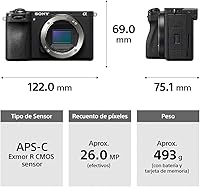
  • Sensor: 26MP APS-C Exmor R back-illuminated CMOS sensor delivers high resolution with improved light-gathering efficiency compared to front-illuminated designs.
  • Processor: BIONZ XR imaging engine paired with a dedicated AI processor handles subject recognition and image processing simultaneously without performance compromise.
  • Autofocus System: 759-point hybrid phase-detection and contrast-detection autofocus system covers approximately 93% of the frame with real-time AI subject tracking for humans, animals, and vehicles.
  • Video Resolution: Records 4K at up to 120fps using 6K oversampling, and outputs 10-bit 4:2:2 color in XAVC format with support for Long GOP and All-Intra compression.
  • Slow Motion: High-frame-rate 4K/120p recording enables up to 5x slow-motion playback, with Full HD available at up to 240fps for more extreme slow-motion sequences.
  • Stabilization: 5-axis in-body sensor-shift image stabilization compensates for pitch, yaw, roll, and lateral movement during both stills and video capture.
  • ISO Range: Native ISO range runs from 100 to 32000, with expanded sensitivity available for challenging low-light shooting scenarios.
  • Burst Speed: Continuous shooting reaches 11 frames per second with a shutter release lag of 0.09 seconds, suitable for fast-action sports and wildlife sequences.
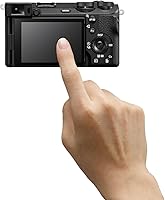
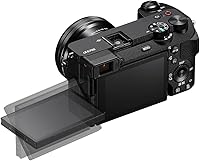
  • Display: 3-inch fully articulating LCD touchscreen with a resolution of 1.03 million dots allows flexible framing from low angles, overhead positions, and front-facing vlog setups.
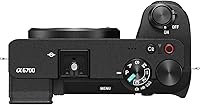
  • Viewfinder: 0.39-inch electronic viewfinder with 1.07x magnification provides a clear optical alternative to the rear screen in bright outdoor conditions.
  • Log & LUT Support: Built-in S-Log3 and S-Cinetone profiles are supported alongside in-camera LUT application, enabling a color-managed workflow without dedicated post-production hardware.
  • Mount: Sony E-mount is compatible with the full range of native Sony FE and APS-C E-mount lenses, as well as third-party optics from Sigma, Tamron, and others.
  • Connectivity: Full-size HDMI output, USB-C port for charging and data transfer, 3.5mm microphone input, and 3.5mm headphone output are all included on the body.
  • Wireless: Built-in Wi-Fi and Bluetooth enable wireless image transfer, remote control via the Sony Imaging Edge Mobile app, and PC tethering support.
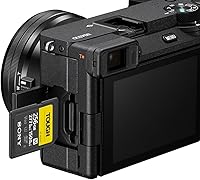
  • Storage: Single UHS-II SD card slot supports cards up to 64GB and enables fast buffer clearing when paired with a high-speed card.
  • Body Dimensions: The camera body measures 4.8 x 2.7 x 3.0 inches and weighs 14.5 oz without battery or lens attached.
  • Battery: NP-FZ100 lithium-ion battery is included and can be charged in-camera via USB-C, with an approximate still-image endurance of around 570 shots per charge under CIPA testing conditions.
  • Warranty: Covered by a 1-year limited manufacturer warranty from Sony, applicable to the camera body and included accessories against defects in materials and workmanship.

Related Reviews
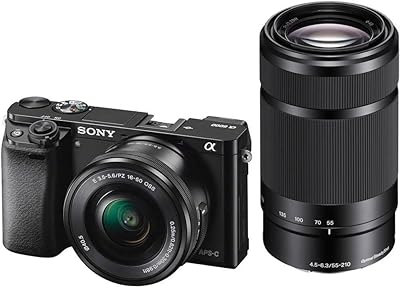
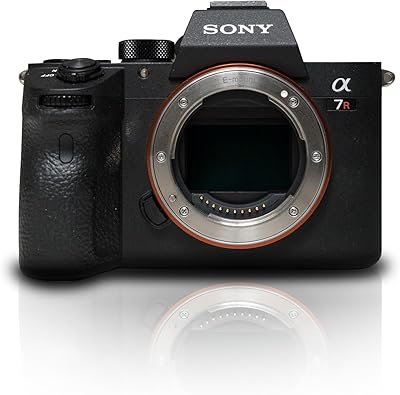
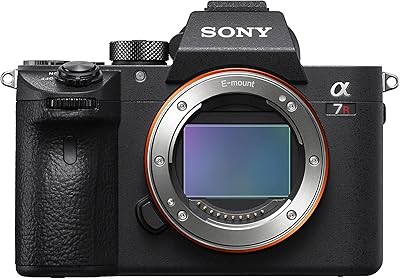
Sony Alpha 7R III Mirrorless Camera

87%
96%
Image Quality
94%
Autofocus Performance
88%
Battery Life
91%
Build Quality
92%
Low-Light Performance
More
Sony Alpha a6000 Mirrorless Digital Camera
84%
96%
Autofocus Speed
91%
Image Quality
63%
Battery Life
88%
Portability/Weight
84%
Build Quality
More
Sony Alpha 7CR Full-Frame Camera
87%
96%
Image Quality
94%
Autofocus Performance
88%
Build Quality
92%
Portability
91%
Video Recording Quality
More
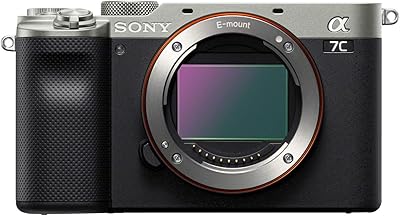
Sony Alpha 7C Full-Frame Mirrorless Camera
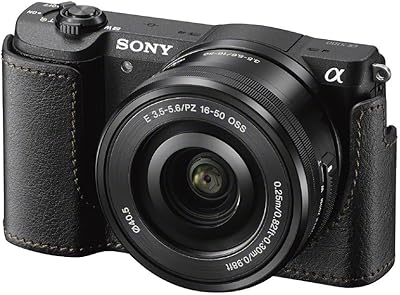
87%
92%
Autofocus Performance
89%
Low-Light Performance
86%
Image Stabilization
91%
4K Video Quality
87%
Build Quality
More
Sony Alpha a5100 16-50mm Mirrorless Camera
84%
91%
Image Quality
88%
Autofocus Performance
89%
Video Recording Quality
94%
Portability & Size
85%
Ease of Use
More
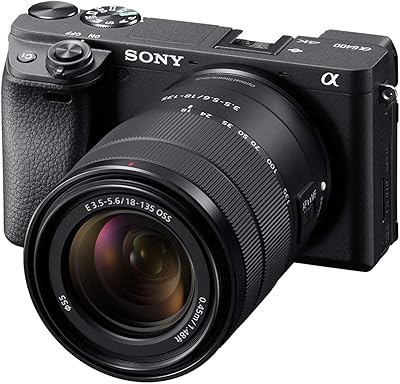
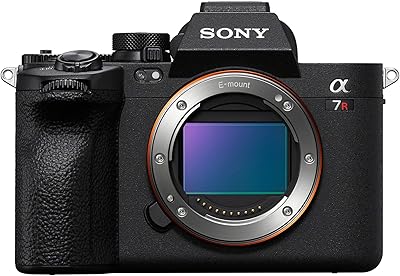
Sony Alpha A6300 Mirrorless Camera with 18-135mm Lens
84%
93%
Autofocus Performance
89%
Image Quality
91%
4K Video Recording
88%
Build Quality
90%
Portability/Weight
More
Sony Alpha a6100 16-50mm
79%
94%
Autofocus Performance
88%
Image Quality
81%
Video Quality
87%
Autofocus in Video
52%
Battery Life
More
Sony Alpha a7R V
Sony Alpha a7R V
78%
97%
Image Quality
91%
Autofocus Performance
78%
Video Capabilities
88%
Autofocus Tracking Consistency
84%
Build Quality & Ergonomics
More
Sony Alpha A6600 Mirrorless Camera with 18-135mm Lens
87%
96%
Autofocus Performance
92%
Image Quality
91%
Video Quality
85%
Ease of Use
89%
Build Quality
More
Sony Alpha 7R IV Full Frame Mirrorless Camera
83%
96%
Image Quality
92%
Autofocus Performance
89%
Build Quality & Durability
91%
Low-Light Performance
83%
Battery Life
More

FAQ

It absolutely can be, but expect a learning curve. The menu system is deep and not particularly intuitive out of the box, so first-time Sony users should budget an afternoon to configure it before their first serious shoot. Once set up with custom buttons and a My Menu shortcut list, day-to-day operation becomes much more manageable.

It is the most consistently cited frustration among owners. Under mixed photo and video use, many people find themselves reaching for a spare battery before the end of a full day out. Buying at least one additional NP-FZ100 battery is practically a requirement, not an optional extra — the good news is that third-party options are widely available and reasonably priced.

In cool environments this is generally fine, but in warmer conditions or enclosed spaces, the camera can display a thermal warning and throttle or stop recording during extended 4K sessions. If uninterrupted long-form recording is critical for your work, it is worth testing your specific shooting environment before relying on it for a paid job.

If your existing lenses use the Sony E-mount — including older APS-C E-mount lenses — they will mount and function on this body. Full-frame FE lenses also work and simply use the full image circle, which is a bonus. Lenses from other manufacturers require an adapter and autofocus performance will vary depending on the adapter and lens combination.

This is genuinely one of the stronger use cases for the Alpha 6700. The AI-driven eye and animal detection locks on quickly and holds through movement, which translates to a noticeably higher percentage of sharp, in-focus shots compared to what most older APS-C cameras deliver in the same scenario. It is not infallible in very dark conditions, but in decent light it is reliable enough to shift your attention from focusing to composition.

For slow, deliberate movement — walking steadily down a path, for example — the 5-axis stabilization does a solid job of smoothing out minor shake. It is not a substitute for a gimbal if you need cinematic floating footage, but it makes handheld B-roll genuinely usable in many situations without additional equipment.

Yes, the LCD is fully articulating, meaning it rotates out from the side of the body and can face forward toward the subject — which is exactly what solo vloggers need when filming to camera. It also flips flat against the body for protection when not in use, which is a practical detail that tilting-only screens do not offer.

For reliable 4K/60p and especially 4K/120p recording, a UHS-II SD card with a high sustained write speed is strongly recommended. Slower UHS-I cards can cause buffering issues or dropped frames at higher bitrates. Look for cards rated V60 or V90 for the best results, and keep the 64GB maximum capacity in mind when planning storage for longer shoots.

The honest answer depends on your priorities. Sony's compact powerhouse wins on video specification, AI tracking capability, and compact size compared to entry full-frame bodies at a similar price. Where full-frame pulls ahead is high-ISO low-light performance and a shallower depth of field at equivalent apertures. If you shoot mostly in controlled or good light and video matters to you, the APS-C choice is defensible. If you shoot in dark venues regularly, full-frame has a real advantage.

Yes, there is a 3.5mm microphone jack on the body, along with a 3.5mm headphone output for monitoring audio during recording. This covers the standard requirements for attaching a shotgun or lapel microphone setup, which is a meaningful feature for video creators who cannot rely on the built-in microphone for serious work.