Overview

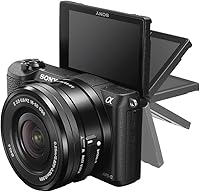
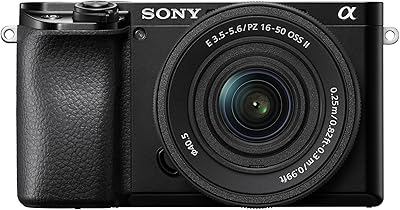
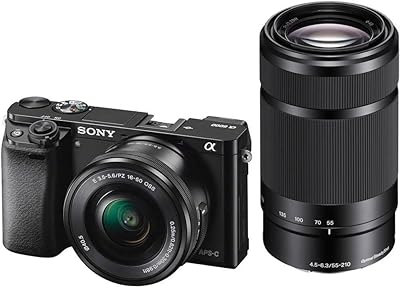
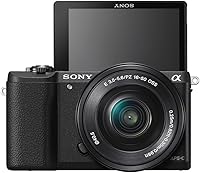
The Sony Alpha A5100 16-50mm Mirrorless Camera sits in a sweet spot that doesn't get discussed enough: compact enough to slip into a small bag, yet built around a 24.3MP APS-C sensor that leaves entry-level point-and-shoots well behind. The bundled power zoom covers wide-angle family shots through modest telephoto reach, which handles most everyday situations without forcing you to carry extra glass. That flip-up touchscreen isn't a gimmick — it genuinely changes how you frame shots when the camera is at arm's length or mounted low. For a mid-range mirrorless investment, you're getting imaging hardware that serious hobbyists would have paid considerably more for just a few years ago.
Features & Benefits

What makes the A5100 useful day-to-day is its 179-point hybrid autofocus. Phase-detection AF means the camera isn't hunting when your kid sprints across the yard — it locks on and tracks. At six frames per second, you have enough burst speed to catch fleeting expressions without needing a sports-grade body. Video is honest 1080p: clean, workable for vlogging or casual content, though anyone expecting 4K will need to look elsewhere. The BIONZ X processor handles noise reasonably through mid-range ISO values, and Wi-Fi plus NFC let you push shots to a phone in seconds. Long-term, the Sony E-mount system means prime lenses and specialty glass are waiting whenever your skills demand them.

Best For

This compact interchangeable-lens camera hits a specific niche well. If you're stepping up from a phone or a fixed-lens compact, the image quality jump feels immediate — and the learning curve isn't punishing. Vloggers and solo creators will appreciate the flip-up LCD paired with face-detection autofocus; you don't need someone else holding the camera to stay in frame. Travel photographers get a genuinely pocketable kit when the power zoom is collapsed. Parents chasing toddlers around a backyard will find the fast AF does most of the work. And if you eventually want to explore manual controls or specialty lenses, the E-mount foundation is already in place and waiting.

User Feedback

Across more than 1,300 ratings, the A5100 holds a 4.4-star average and earns it honestly. Buyers consistently praise autofocus speed and overall image quality as the strongest suits. Where it gets mixed: experienced photographers miss having a viewfinder, and the lack of in-body stabilization is a real limitation for handheld video in lower light — worth knowing before purchase. Battery life around 400 shots per charge is manageable, but a spare is smart on longer days. A handful of reviewers note the single card slot and dated OS compatibility list as minor friction. Beginners rate it higher overall, while those migrating from DSLRs notice the missing features more sharply. The flip screen draws near-universal praise from vloggers specifically.

Pros

  • The 24.3MP APS-C sensor produces sharp, detailed images that easily outclass phone cameras and basic compacts.
  • Phase-detection autofocus across 179 points locks on fast — tracking moving subjects feels confident, not lucky.
  • The flip-up touchscreen makes self-recording and low-angle shooting genuinely practical for solo creators.
  • At under ten ounces without a lens, the A5100 is light enough to carry all day without fatigue.
  • Wi-Fi and NFC allow near-instant photo transfer to a smartphone, which simplifies sharing on the go.
  • The bundled 16-50mm zoom covers a versatile range from group wide shots to modest close-up reach.
  • Sony E-mount opens access to a wide library of lenses, giving this body a long useful life as skills grow.
  • Six frames per second continuous shooting catches fast action without requiring a professional-grade body.
  • The BIONZ X processor keeps noise well-controlled through moderate ISO levels for indoor and evening shooting.
  • A 4.4-star average across over 1,300 real buyer ratings reflects consistent satisfaction, not a fluke.

Cons

  • No built-in viewfinder makes outdoor shooting in direct sunlight harder to compose accurately.
  • Battery life around 400 shots per charge is limiting on full-day outings without a spare.
  • No in-body image stabilization means handheld video can look shaky without a stabilized lens.
  • Video tops out at 1080p — buyers expecting 4K will need a different camera entirely.
  • A single memory card slot offers no backup redundancy, which matters for important shoots.
  • The kit lens aperture narrows to f/5.6 at the long end, reducing low-light flexibility when zoomed in.
  • OS compatibility documentation references older operating systems, which can complicate PC tethering setups.
  • No headphone jack limits audio monitoring options for video shooters who care about sound quality.
  • Buyers migrating from DSLRs may find the control layout and menu system requires a meaningful adjustment period.

Ratings

The scores below for the Sony Alpha A5100 16-50mm Mirrorless Camera were generated by our AI after analyzing thousands of verified buyer reviews from global markets, with spam, incentivized, and bot-flagged submissions actively filtered out. The A5100 earns strong marks in several areas that matter most to its target audience, but real user pain points around battery life, stabilization, and missing hardware features are reflected transparently in the numbers — no score has been inflated to flatter the product.

Autofocus Performance
91%
Buyers consistently rank the hybrid phase-detection AF as the single strongest reason to choose this camera. Parents capturing birthday chaos and street photographers grabbing candid moments both report that the camera locks on and holds without the hesitation you expect at this price tier. Face detection works reliably even when subjects turn slightly away.
In very low light — think dim restaurant interiors or candlelit settings — the AF does occasionally hunt before committing. A small number of experienced shooters accustomed to pro-level tracking note that fast, erratic subjects like pets at full sprint can still slip focus during extended bursts.
Image Quality
88%
The 24.3MP APS-C sensor produces files with real detail and color depth that hold up when cropped or printed large — a genuine step above what most buyers were shooting before. At base ISO, images are crisp and clean, and RAW files respond well to post-processing without falling apart in the shadows.
Noise becomes visible and increasingly distracting above ISO 3200, which limits available-light shooting more than some buyers anticipate. The kit lens also softens noticeably toward the edges of the frame at wider apertures, so peak image quality depends partly on investing in better glass eventually.
Portability & Size
93%
At under ten ounces with the collapsed power zoom attached, this is one of the lightest APS-C kits available, and travel photographers mention carrying it all day in a small shoulder bag without fatigue. The slim profile fits in a large jacket pocket when the lens is retracted, which genuinely changes how often people bring it along.
The compact body means controls are tightly packed, and buyers with larger hands find some buttons — particularly around the rear dial — uncomfortable to hit accurately without accidentally pressing something adjacent. There is no grip depth to speak of, so a small aftermarket grip accessory is a common early purchase.
Vlogging & Self-Recording
86%
The 180-degree flip-up touchscreen combined with face-tracking AF makes the A5100 one of the more capable solo-recording cameras at this size. Vloggers report being able to walk, talk, and stay in frame without a monitor operator — the screen is large enough to confirm framing and touch to refocus mid-clip.
The lack of a microphone input is a real limitation for anyone serious about audio quality, and the built-in mic picks up handling noise and wind readily outdoors. Video also tops out at 1080p, which is acceptable for most platforms today but will feel dated as 4K becomes the baseline expectation on streaming channels.
Battery Life
58%
42%
The NP-FW50 battery is compact and charges via a standard AC adapter included in the box, and spare batteries are inexpensive and easy to source from both Sony and third-party suppliers. For short outings or casual sessions, a single charge covers a morning shoot without issue.
Roughly 400 shots per charge is a real ceiling, and heavy video use, continuous Wi-Fi transfer, or keeping the LCD at full brightness drains the battery considerably faster than the rated figure. Multiple buyers describe running out of charge by midday on travel days, making a second battery essentially a required accessory rather than an optional one.
Video Quality
74%
26%
Full HD 1080p footage at 60p is smooth and detailed enough for YouTube, social media, and casual documentary use, and the XAVC S format at high bit rates preserves more information for color grading than basic AVCHD. The autofocus during video is responsive enough that most clips stay sharp without manual intervention.
The absence of 4K is the most cited video complaint, and it is a legitimate one for buyers who want footage that stays relevant over the next several years. There is also no log picture profile for flat color grading, which limits creative flexibility in post-production compared to Sony cameras a step or two above this body.
Build & Handling
71%
29%
The body feels solid for its weight class — not hollow or toy-like — and the button layout is logical enough that most first-time buyers get comfortable within a few sessions. The touchscreen is responsive and does not feel like an afterthought, which matters when you are using it for focus selection mid-shoot.
There is no weather sealing whatsoever, so shooting in light rain or dusty environments carries real risk. The minimal grip makes one-handed use feel insecure, and the all-plastic construction, while weight-appropriate, does not inspire confidence for buyers who want a camera that can take knocks during travel or outdoor use.
Low-Light Performance
69%
31%
Through ISO 1600, images retain good detail and color accuracy for indoor shooting without flash, and the BIONZ X processor applies noise reduction that avoids the smeared, watercolor look some competing sensors produce. Evening outdoor scenes and indoor ambient-light portraits come out usable without heavy editing.
Once you push past ISO 3200, chroma noise and luminance grain both increase noticeably, and fine detail in darker areas of the frame begins to soften. The kit lens wide-open aperture of f/3.5 is modest compared to a fast prime, meaning low-light shooting with the included glass requires higher ISO settings than buyers might prefer.
Ease of Use
83%
Sony's menu system on the A5100 is more approachable than on higher-end bodies, and the touchscreen makes navigating focus points and playback genuinely intuitive for newcomers. Scene modes and auto settings are reliable enough that absolute beginners can get pleasing shots without touching manual controls at all.
More advanced shooting modes and custom settings still require digging through Sony's layered menus, which experienced photographers often find convoluted. Buyers migrating from Canon or Nikon DSLRs specifically mention a steeper-than-expected adjustment period before the control logic starts feeling natural.
Wi-Fi & Connectivity
76%
24%
NFC pairing with an Android phone takes seconds, and once connected the Wi-Fi transfer workflow is straightforward enough that even non-technical users report getting images to their phones quickly for social posting. The remote shooting function via the companion app also works reliably for tripod self-timer use.
The PlayMemories app has received mixed reviews for stability and interface design, and iOS pairing requires more manual steps since NFC is not used for iPhone connections. Transfer speeds are adequate for single images but feel sluggish when moving larger RAW files or batches of video clips over the wireless connection.
Lens Ecosystem
87%
Sony's E-mount is one of the most developed mirrorless lens platforms available, meaning buyers who start with the kit lens have a clear upgrade path to primes, telephoto zooms, and specialty glass without replacing the body. This long-term flexibility is something buyers genuinely appreciate as their skills and interests evolve.
The best Sony E-mount and FE lenses carry significant price tags, and the jump from the included kit lens to a meaningful optical upgrade can feel expensive. Budget-friendly third-party E-mount options exist but vary considerably in autofocus reliability and build quality, requiring some research before purchase.
Value for Money
78%
22%
For a buyer coming from a smartphone or basic compact, the image quality and autofocus capability feel like a substantial jump in photographic ability, and the bundled lens covers most everyday shooting without an immediate additional purchase. The broad E-mount compatibility also protects the investment over time.
At its current market price, the A5100 competes against newer mirrorless bodies that offer 4K video, in-body stabilization, or improved battery systems — features that were not standard when this camera launched. Buyers paying full price today are funding hardware that was designed over a decade ago, which is worth factoring into the decision.
Display Quality
81%
19%
The 3-inch touchscreen with 921,600 dots is sharp enough to judge focus accurately during playback, and the flip mechanism is smooth and feels durable after extended daily use. Touch response is fast and accurate, making tap-to-focus a genuinely useful feature rather than a checkbox spec.
Outdoor visibility in direct sunlight is a persistent complaint — the screen washes out in bright conditions, and without a viewfinder there is no fallback option for composing shots. Maximum brightness is adequate in shade but falls short of what some competing screens offer for midday outdoor shooting.
Flash Performance
62%
38%
The built-in pop-up flash is handy for fill light in backlit portraits or emergency indoor lighting, and it pops up and recycles quickly enough for casual use. Beginners appreciate having it available without needing to carry or budget for a separate accessory.
A guide number of 4 meters means the built-in flash is genuinely weak — effective only at close range in a small room. It also introduces flat, harsh lighting that experienced shooters find unflattering, and the lack of a hot shoe on this body means there is no straightforward path to attaching an external speedlight.
Shooting Speed & Buffer
72%
28%
Six frames per second is fast enough to catch a toddler mid-jump or a dog catching a frisbee without requiring a sports-tier camera, and for the intended beginner-to-intermediate audience, the burst capability covers most action scenarios they are likely to encounter. The buffer clears at a reasonable pace on a fast UHS-I card.
The buffer depth is limited compared to even mid-range DSLRs, meaning sustained bursts of more than a few seconds will cause the camera to pause and write before accepting new frames. Buyers who shoot airshows, fast wildlife, or team sports will hit this ceiling regularly and find it frustrating.

Suitable for:

The Sony Alpha A5100 16-50mm Mirrorless Camera is a strong match for anyone making their first serious jump away from smartphone photography or a basic point-and-shoot. Parents chasing active kids around will genuinely appreciate how quickly the hybrid autofocus locks on without manual intervention — you stop missing moments. Solo content creators and vloggers benefit directly from the flip-up touchscreen and face-tracking AF, which together make self-recording far less awkward than on most cameras at this tier. Travel photographers who want real image quality without hauling a heavy kit will find the compact body and collapsible kit lens a practical daily companion. It also works well for curious hobbyists who want room to grow: the E-mount system means better lenses are available whenever skills or ambitions expand, without buying a new body.
Not suitable for:

Buyers with more advanced shooting needs will likely find the A5100 limiting fairly quickly. There is no built-in electronic viewfinder, which is a genuine obstacle for anyone shooting in bright outdoor light or preferring eye-level composition — this is not a design quirk to overlook. The absence of in-body image stabilization means handheld video in dim conditions will show shake unless you use a stabilized lens or external support. Anyone expecting 4K video output will be disappointed; the Sony Alpha A5100 16-50mm Mirrorless Camera is a 1080p camera, full stop. Wildlife or sports photographers who need sustained high-speed bursts and deep buffer performance will also hit the ceiling fast. And photographers who rely on tethered shooting with current operating systems may run into compatibility friction given the older supported OS list.
Specifications

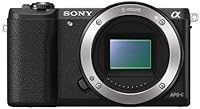
  • Sensor: 24.3MP APS-C CMOS sensor measuring 23.5 x 15.6mm delivers high-resolution stills with strong dynamic range for its class.
  • Processor: Sony BIONZ X image processor handles noise reduction, detail rendering, and fast buffer clearing across all shooting modes.
  • Autofocus: 179-point phase-detection hybrid AF system with face detection, tracking, and touch-to-focus support via the LCD.
  • Burst Speed: Continuous shooting runs at up to 6 frames per second, suitable for capturing fast-moving subjects in casual settings.
  • ISO Range: Native ISO spans 100 to 25600 (expanded), giving usable sensitivity across a wide range of lighting conditions.
  • Video: Records Full HD 1080p video at 24p or 60p in XAVC S and AVCHD formats at up to 50 Mbps.
  • Display: 3-inch tilting touchscreen LCD with 921,600 dots flips 180 degrees upward for self-framing and low-angle shooting.
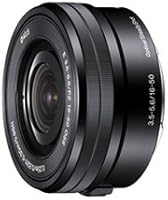
  • Included Lens: Sony 16-50mm f/3.5-5.6 OSS power zoom lens with optical stabilization covers wide-angle through moderate telephoto.
  • Lens Mount: Sony E-mount is compatible with the full range of Sony E-mount and FE lenses via native or adapted mounting.
  • Memory: Single card slot accepts SD, SDHC, and SDXC cards as well as Memory Stick Pro Duo and Pro-HG Duo formats, up to 128GB.
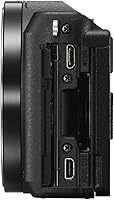
  • Connectivity: Built-in Wi-Fi and NFC enable smartphone pairing for remote control and image transfer; HDMI and Micro USB ports are also included.
  • Battery: NP-FW50 lithium-ion rechargeable battery provides approximately 400 shots per charge under standard shooting conditions.
  • Body Weight: Camera body weighs 9.92 oz (281g) without lens, battery, or memory card attached.
  • Stabilization: No in-body optical stabilization; shake reduction relies on the optical stabilization built into compatible lenses such as the included 16-50mm.
  • Shutter Range: Shutter speed spans from 30 seconds to 1/4000 second, covering long-exposure night work through fast-action freezing.
  • File Formats: Captures stills in JPEG (DCF v2.0, EXIF v2.3) and 14-bit RAW in Sony ARW 2.3 format for post-processing flexibility.
  • Flash: Built-in pop-up flash with a guide number of 4 meters and a sync speed of 1/160 sec; automatic and fill flash modes supported.
  • Viewfinder: No optical or electronic viewfinder is built into the body; composition is handled entirely through the rear LCD screen.
  • Warranty: Sony provides a 1-year manufacturer warranty covering both parts and labor from the date of original purchase.
  • In the Box: Package includes the camera body with lens, NP-FW50 battery, AC-UB10 charger, Micro USB cable, lens cap, and shoulder strap.

Related Reviews
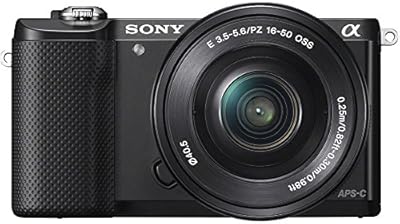
Sony Alpha a5000 Mirrorless Digital Camera with 16-50mm Lens
83%
89%
Image Quality
74%
Autofocus Speed
94%
Portability
88%
Ease of Use
80%
Battery Life
More
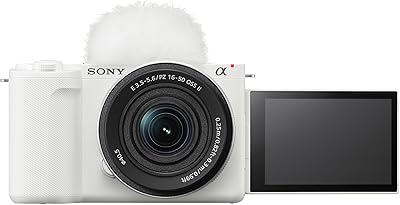
Sony ZV-E10 II Mirrorless Camera
77%
93%
Autofocus Performance
91%
Video Quality
89%
Image Quality
84%
Ease of Use
78%
Build Quality & Design
More
Sony Alpha a6100 16-50mm
79%
94%
Autofocus Performance
88%
Image Quality
81%
Video Quality
87%
Autofocus in Video
52%
Battery Life
More
Sony Alpha 6700
Sony Alpha 6700
82%
93%
Autofocus Performance
91%
Video Quality
89%
Image Quality & Sensor
86%
Image Stabilization
58%
Battery Life
More
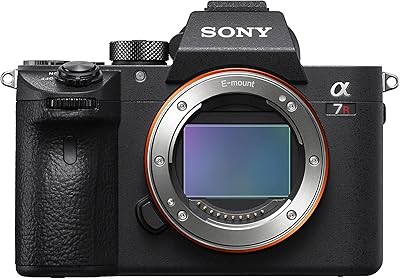
Sony Alpha 7R III Mirrorless Camera
78%
96%
Image Quality
91%
Autofocus Performance
89%
Build Quality & Ergonomics
53%
Battery Life
58%
Menu System & Usability
More
Sony Alpha a6000 Mirrorless Camera
76%
94%
Autofocus Performance
88%
Image Quality
83%
Build Quality & Portability
47%
Battery Life
86%
Value for Money
More
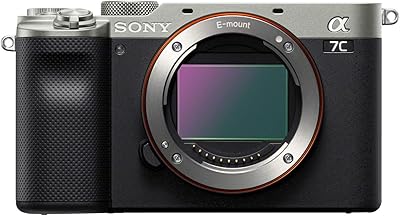
Sony Alpha 7C Full-Frame Mirrorless Camera
80%
93%
Autofocus Performance
91%
Image Quality
94%
Portability & Size
86%
Video Capability
62%
Battery Life
More
Sony Alpha A6600 18-135mm Mirrorless Camera
77%
94%
Autofocus Performance
88%
Image Quality
91%
In-Body Stabilization
79%
Video Capability
89%
Battery Life
More
Sony Alpha A6300 Mirrorless Camera with 18-135mm Lens
84%
93%
Autofocus Performance
89%
Image Quality
91%
4K Video Recording
88%
Build Quality
90%
Portability/Weight
More
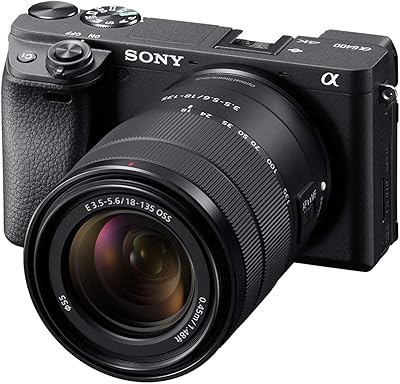
Sony Alpha a6400 18-135mm Mirrorless Camera
74%
96%
Autofocus Performance
81%
Video Quality
88%
Image Quality
47%
Battery Life
53%
Image Stabilization
More

FAQ

The camera uses Sony E-mount, so native Sony E and FE lenses attach directly. For lenses from Canon, Nikon, or other brands, you would need a third-party adapter, and autofocus performance can vary significantly depending on the adapter quality and lens combination. If you are starting fresh, native E-mount glass will always give you the best experience.

It handles that use case well. The flip-up screen lets you see yourself while recording, face-detection AF keeps you in focus even if you move around, and the footage is clean 1080p — sharp enough for any social platform. The one honest caveat is that it does not shoot 4K, so if ultra-high-resolution video is a priority, you would want to look at a newer body.

It performs reasonably well indoors and in dim conditions up through moderate ISO settings — roughly ISO 1600 to 3200 — where noise stays manageable. Push beyond that and images get noticeably grainy, which is normal for a sensor in this class. The included kit lens also narrows to f/5.6 when zoomed in, so for low-light work you will get better results keeping it at the wide end or investing in a faster prime lens down the road.

Yes. The built-in Wi-Fi pairs with Sony's PlayMemories Mobile app, which lets you use your smartphone as a live viewfinder and trigger the shutter remotely. NFC makes the initial pairing very quick if your phone supports it. It is not the most polished remote shooting experience compared to some newer systems, but it works reliably for self-portraits and tripod setups.

Unfortunately, no. The A5100 does not have a headphone jack, so you cannot plug in headphones to monitor audio levels in real time during recording. If audio quality matters for your video work, you will need to review clips after the fact or rely on an external recording device and sync in post.

Sony rates the NP-FW50 battery at around 400 shots per charge, which sounds reasonable but can feel short on a busy shooting day — especially if you use Wi-Fi frequently or leave the LCD on continuously. The good news is that NP-FW50 batteries are widely available and affordable from both Sony and reliable third-party manufacturers. Picking up one or two spares before a trip is a simple fix.

Yes — the bundled 16-50mm power zoom has Sony's optical SteadyShot stabilization built into the lens itself. The camera body has no in-body stabilization of its own, so if you swap to a lens without optical stabilization, your footage and slower-shutter stills will be more susceptible to camera shake. For general handheld shooting with the kit lens, the stabilization is adequate.

Yes, it supports RAW capture in Sony's ARW 2.3 format at 14-bit depth, giving you full post-processing flexibility in software like Adobe Lightroom or Capture One. You can also shoot JPEG-only or RAW plus JPEG simultaneously if you want an instant-share copy alongside the full-quality file.

In terms of image quality, autofocus, and video, this Sony mirrorless generally matches or edges out similarly priced entry DSLRs. Where a DSLR has an advantage is optical viewfinder access and typically longer battery life. The A5100 wins on size and weight, plus you get a touchscreen and a more modern autofocus system. If you do not specifically need a viewfinder, the mirrorless form factor is a practical choice.

Standard SD, SDHC, or SDXC cards all work. For shooting XAVC S video at high bit rates, look for a card rated at least UHS Speed Class 3 (U3) to ensure the card can keep up with write speeds. Capacity is up to you — the slot supports up to 128GB — but a couple of 64GB U3 cards gives you plenty of room and a backup.