Overview

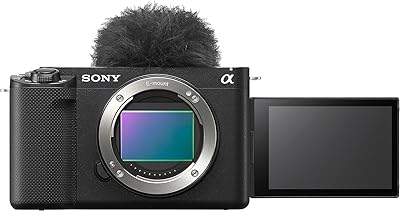
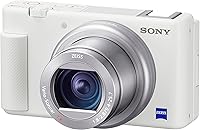
The Sony ZV-1 Compact Digital Vlogging Camera was built with one clear purpose: give solo creators a capable, pocketable tool that doesn't require a bag full of gear to produce solid footage. Unlike older compact cameras retrofitted for video, this vlogging camera was designed from the ground up with content creation in mind. The 1-inch stacked sensor is the real headline here — it's a meaningful step up from the tiny chips found in most compact competitors, delivering noticeably cleaner images in mixed or low light. Compact and light enough to carry anywhere, it hits a practical middle ground for creators moving from smartphone video toward something more intentional.
Features & Benefits

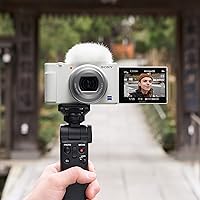
What makes the ZV-1 genuinely useful in practice is how its hardware works together rather than just stacking up on a spec sheet. The ZEISS 24-70mm equivalent lens opens to F1.8 at the wide end, producing pleasant background blur even in tight spaces. Real-Time Eye AF is fast and sticky — it locks on and holds even when you turn your head mid-sentence. The flip-out touchscreen means you can actually see what you're framing when shooting alone. The Product Showcase Setting is a clever addition for creators doing unboxings or demos, automatically shifting focus from your face to the object you hold up, without any manual adjustment required.

Best For

This compact Sony makes the most sense for solo creators who shoot without help — nobody to operate the camera, no external monitor to verify framing. YouTube creators and streamers benefit from built-in webcam support that works natively over USB, adding real utility without extra hardware. Travelers will appreciate that it fits in a jacket pocket and weighs almost nothing. It also works well as a meaningful first step for anyone graduating from smartphone video who wants genuine control over exposure and focus without committing to a full mirrorless kit. Fixed-lens compacts aren't for everyone, but for this specific creator profile, the tradeoffs are easy to accept.

User Feedback

Real-world owners are largely satisfied, with autofocus reliability drawing the most consistent praise — most report it locks on quickly and holds steadily during solo recording. The built-in microphone also surprises people, performing noticeably better than expected given the camera's compact body. That said, two complaints come up repeatedly. Battery life is genuinely limited; experienced users suggest carrying a spare cell for anything beyond a couple of hours of shooting. The fixed lens frustrates photographers who want wider angles or true zoom flexibility. Touchscreen responsiveness in cold weather draws occasional criticism, though most buyers describe it as a minor annoyance rather than a serious flaw.

Pros

  • Real-Time Eye AF locks on fast and holds reliably, even during head turns or movement.
  • The 1-inch sensor produces noticeably cleaner footage in low light than most compact competitors.
  • Built-in directional microphone performs well above expectations for a camera this size.
  • Flip-out touchscreen makes solo framing straightforward without extra monitors or guesswork.
  • Product Showcase Setting automatically shifts focus during demos or unboxings, no manual input needed.
  • Native USB webcam support adds everyday streaming utility at no extra cost.
  • ZEISS F1.8 lens delivers pleasing background blur even in confined shooting spaces.
  • Compact and light enough to slip into a jacket pocket, making it genuinely travel-friendly.
  • 4K video output gives creators room to crop or reframe footage in post without quality loss.

Cons

  • Battery life caps out around 260 shots, making spare cells essential for longer shoots.
  • Fixed lens offers no flexibility for wide-angle, ultra-zoom, or specialized focal lengths.
  • Touchscreen responsiveness can become unreliable in cold weather or with gloved hands.
  • No headphone jack limits real-time audio monitoring during recording sessions.
  • Micro USB charging feels outdated compared to USB-C found on competing modern cameras.
  • Single memory card slot leaves no backup option if a card fails mid-shoot.
  • 4K footage is limited to 30fps, which restricts slow-motion options at higher resolutions.
  • Menu system carries over Sony's historically cluttered interface, which takes time to learn.
  • No weather sealing makes outdoor shooting in rain or dusty environments a risk.

Ratings

The scores below for the Sony ZV-1 Compact Digital Vlogging Camera were generated by our AI engine after analyzing thousands of verified global buyer reviews, with spam, bot activity, and incentivized submissions actively filtered out. Every category reflects the honest distribution of real-world experiences — not just the highlights — so both what this vlogging camera does well and where it falls short are represented fairly.
Autofocus Performance
91%
Buyers consistently call out the Real-Time Eye AF as one of the best in its class for a compact camera. During solo recording, it locks onto faces quickly and holds through head turns, minor obstructions, and shifts in lighting — reducing the number of unusable takes significantly.
In scenes with multiple faces or very low contrast backgrounds, the tracking can occasionally hesitate before settling. A small number of users also report the subject tracking being over-aggressive when filming in busy environments with movement in the background.
Video Quality
88%
4K footage from the 1-inch sensor holds up well in good light, with natural color science and pleasing depth of field at F1.8. Creators filming talking-head content or travel clips report that the output looks noticeably more cinematic than smartphone footage without heavy post-processing.
In low light, noise creeps in above ISO 3200, and the 4K crop factor reduces the effective field of view slightly compared to 1080p. Rolling shutter can also be noticeable during fast panning, which is worth considering for action-oriented content.
Battery Life
47%
53%
The battery is compact and lightweight, which supports the overall portability of the camera. In-camera Micro USB charging means you can top it off from a power bank between shooting sessions without carrying a dedicated charger everywhere.
Roughly 60 to 90 minutes of active video recording per charge is a recurring frustration across thousands of user reviews. Most experienced owners treat a second battery as a mandatory purchase, not an optional accessory, and some report the battery depleting faster in cold weather conditions.
Built-in Microphone
83%
The 3-capsule directional mic consistently surprises buyers who expect mediocre built-in audio. In controlled outdoor environments with the windscreen attached, dialogue comes through clean and forward-focused, reducing the need for an external mic for everyday vlogging content.
In windy or noisy urban environments the windscreen only goes so far, and background noise bleeds in more than users would like. For creators producing content that demands polished audio — interviews, podcasts, or scripted video — an external mic via the 3.5mm jack remains a necessary step up.
Ease of Use
84%
The vlogging-specific feature set — flip screen, one-touch bokeh mode, Product Showcase Setting — is genuinely intuitive for beginners. New users report getting usable footage within minutes of taking it out of the box, without needing to dig into menus for basic shooting scenarios.
Sony's menu system carries a reputation for being dense and non-intuitive, and the ZV-1 inherits that legacy. Accessing less common settings can involve navigating multiple layers of menus, which interrupts shooting flow until users invest time in memorizing the layout.
Portability & Form Factor
93%
At under 0.65 lbs, the ZV-1 slips into a jacket pocket or small bag without adding noticeable weight, which creators on day trips or commutes appreciate. The compact body also makes it less conspicuous in public settings where a larger camera would attract unwanted attention.
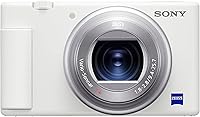
The small body means controls are tightly packed, and users with larger hands sometimes find the grip uncomfortable during extended handheld shooting. There is also no built-in grip texture on the white colorway, which a few buyers note feels slightly slippery without an added grip accessory.
Lens Versatility
54%
46%
The ZEISS 24-70mm equivalent range covers the most common vlogging focal lengths well, and the F1.8 maximum aperture delivers genuine background separation that fixed-lens compacts at lower price points cannot match.
The fixed lens is the single biggest creative constraint for growing creators. Users who want wider environmental shots, true telephoto compression, or specialty focal lengths have no option to adapt or swap glass — a hard limitation that causes some buyers to outgrow the camera faster than expected.
Stabilization
72%
28%
Hybrid Active SteadyShot handles slow walking shots and minor hand tremor reasonably well, making footage watchable without a gimbal for casual vlogging. For static or lightly mobile shots it does its job without requiring additional investment in stabilization hardware.
At a faster walking pace or during any dynamic movement, the stabilization is visibly insufficient compared to dedicated gimbals or in-body systems found in mirrorless cameras. Active stabilization also introduces a slight crop to the frame, reducing the field of view at the wide end.
Display & Touchscreen
74%
26%
The articulating flip screen is well-positioned for self-shooting and gets strong praise from solo creators who previously relied on guesswork or external monitors. Screen brightness is adequate in most indoor environments, and the touch-to-focus function works reliably in normal conditions.
In cold weather or when using gloves, touchscreen responsiveness drops noticeably — a complaint that appears regularly from outdoor creators filming in autumn and winter months. Outdoor visibility in direct sunlight is also limited, making it harder to accurately judge exposure when shooting outside.
Photo Quality
71%
29%
The 20.1MP sensor captures detailed stills with accurate color reproduction in good light, and RAW file support gives photographers meaningful flexibility during post-processing. For creators who occasionally need a product or event photo alongside their video content, results are more than adequate.
The camera's ergonomics and controls are optimized for video, so still shooting feels secondary in the overall design. Dynamic range in high-contrast scenes is competent but trails behind dedicated stills cameras at a similar price point, which matters to buyers expecting a true hybrid performer.
Connectivity
67%
33%
Wi-Fi and Bluetooth pairing with Sony's Imaging Edge Mobile app allows wireless transfer and remote triggering, which is genuinely useful for positioning the camera at a distance. Native USB webcam support adds real everyday value for streamers and remote workers without any extra hardware.
The Micro USB charging port feels like a step behind the USB-C standard now common across competitor devices, requiring a separate cable in most modern setups. Micro-HDMI output is present but the port is fragile-feeling with repeated cable connections, and some users report wear over time.
Value for Money
76%
24%
For a creator who will actually use the vlogging-specific features — flip screen, Eye AF, Product Showcase mode, webcam support — the package represents good value relative to assembling equivalent functionality from separate components. The all-in-one design reduces the total gear cost for a beginner setup considerably.
Buyers who primarily want a stills camera or need lens flexibility will find the price harder to justify against mirrorless entry-level alternatives. The fixed lens and battery life constraints also reduce long-term satisfaction for creators whose needs evolve quickly beyond casual vlogging.
Audio Input Options
69%
31%
The 3.5mm microphone jack and Multi Interface shoe give users a credible path to external microphone upgrades without needing adapters or workarounds. This keeps the camera relevant as creators grow and invest in better audio gear over time.
The absence of a headphone jack for real-time audio monitoring is a meaningful omission — you cannot hear what the microphone is actually capturing while recording. For creators who care about clean audio, this forces reliance on reviewing clips after the fact rather than catching problems in the moment.
Webcam & Streaming Performance
81%
19%
Plug-and-play USB webcam functionality works reliably across major platforms without driver installation, and the image quality during live streams is a clear upgrade over built-in laptop cameras. Streamers frequently highlight this as one of the more underrated practical advantages of the ZV-1.
Streaming in 4K is not supported over USB — output is limited to 1080p, which is sufficient but worth knowing if higher-resolution streaming is a priority. There is also no clean HDMI output for capture card setups without disabling the on-screen display overlay manually.

Suitable for:

The Sony ZV-1 Compact Digital Vlogging Camera is purpose-built for solo content creators who need a reliable, compact tool that handles the technical side of filming so they can focus on their content. It suits YouTube vloggers, product reviewers, and travel creators who shoot alone and cannot rely on someone else to operate the camera or check framing — the flip screen and sticky autofocus directly solve those solo-shooting pain points. Beginners transitioning from smartphone video will find the learning curve manageable while gaining real advantages in image quality, background separation, and audio. Streamers and remote workers get practical value from native USB webcam support, making it a dual-purpose device. For anyone who needs a pocketable camera that actually performs rather than just looking the part, this vlogging camera makes a strong practical case.
Not suitable for:

The Sony ZV-1 Compact Digital Vlogging Camera will frustrate buyers who need creative flexibility beyond what a fixed lens can offer. If you regularly shoot wildlife, sports, or anything requiring real telephoto reach, the 24-70mm equivalent range is simply not enough — no adapter or workaround changes that. Photographers who already own a mirrorless body and are comfortable managing settings will likely find this compact Sony underwhelming in customization depth and ergonomics. Battery life is a genuine operational constraint; anyone planning long event shoots or all-day outdoor recording will find the roughly 260-shot rating limiting without spares or a portable charger. Experienced videographers expecting advanced codec options, log profiles, or external recording support will hit the ceiling of this camera fairly quickly.

Specifications

  • Sensor: The camera uses a 20.1MP 1-inch stacked Exmor RS CMOS sensor with integrated DRAM, enabling faster data readout and cleaner high-ISO performance compared to smaller-sensor compacts.
  • Lens: A fixed ZEISS Vario-Sonnar T lens covers a 24-70mm equivalent focal range with a maximum aperture of F1.8 at the wide end and F2.8 at the telephoto end.
  • Autofocus: The hybrid AF system uses 315 phase-detection points combined with contrast detection, with Real-Time Eye AF and real-time subject tracking for face-priority shooting.
  • Video Resolution: The ZV-1 records 4K UHD at up to 30fps and Full HD 1080p at up to 120fps, with formats including MP4, AVCHD, and XAVC S.
  • Display: A 3″ side flip-out LCD touchscreen with 921,600 dots articulates both sideways and vertically, allowing easy self-framing from multiple shooting angles.
  • Stabilization: Hybrid Active SteadyShot combines optical and electronic stabilization to reduce camera shake during handheld and walking shots.
  • Microphone: A built-in 3-capsule directional microphone captures forward-focused audio, and a detachable windscreen is included to reduce wind interference during outdoor recording.
  • ISO Range: Standard ISO sensitivity runs from 100 to 12800, expandable to 25600 for shooting in very low-light environments.
  • Continuous Shooting: The camera supports continuous burst shooting at up to 24fps, suitable for capturing fast-moving subjects in still-photo mode.
  • Memory: A single card slot accepts SD, SDHC, and SDXC cards as well as Memory Stick Duo Hybrid media, with UHS-I U3 and Video Speed Class V60 support recommended.
  • Connectivity: Wired connections include Micro USB and Micro-HDMI output; wireless connectivity covers Wi-Fi and Bluetooth for remote control and file transfer.
  • Webcam Support: The camera functions as a plug-and-play USB webcam for live streaming and video calls without requiring additional drivers on most platforms.
  • Battery: The rechargeable Lithium-Ion battery pack provides approximately 260 shots per charge under standard testing conditions, with in-camera charging supported via Micro USB.
  • Weight: The body weighs approximately 0.65 lbs (294g) including battery and memory card, making it one of the lighter 1-inch sensor cameras available.
  • Audio I/O: A standard 3.5mm microphone jack and Multi Interface (MI) shoe allow connection of external microphones for improved audio capture beyond the built-in mic.
  • Shooting Modes: Available exposure modes include Full Auto, Program Auto, Aperture Priority, Shutter Priority, Manual, and dedicated Movie modes including a High Frame Rate option.
  • Flash: There is no built-in pop-up flash; however, a Multi Interface shoe supports compatible external flash units and accessories.
  • Warranty: Sony includes a 1-year limited manufacturer warranty covering defects in materials and workmanship from the original date of purchase.

Related Reviews
Sony ZV-1F
Sony ZV-1F
80%
92%
Autofocus Performance
88%
Lens Quality
76%
Low-Light Capability
81%
Built-in Microphone
93%
Ease of Use
More
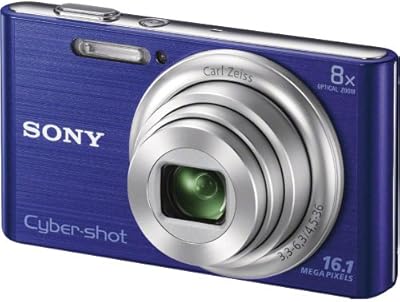
Sony DSC-W730 16.1 MP Digital Camera
79%
84%
Image Quality
92%
Ease of Use
90%
Portability
80%
Optical Zoom Performance
75%
Video Recording Quality
More
Sony ZV-E1
Sony ZV-E1
78%
94%
Video Quality
92%
Autofocus Reliability
91%
Image Stabilization
89%
Low-Light Performance
78%
Build Quality & Ergonomics
More
AOREGRE 5K Digital Camera WiFi Autofocus Vlogging Camera
83%
92%
Value for Money
89%
Image Quality
87%
Ease of Use
90%
Video Quality (5K)
85%
Portability & Size
More
ROQIOO A9
ROQIOO A9
67%
83%
Value for Money
61%
Image Quality
58%
Video Quality
81%
Flip Screen Usability
54%
Build Quality & Durability
More
WIKICO WX02-4K-1 Digital Camera
87%
88%
Value for Money
91%
4K Video Quality
89%
Image Resolution
62%
Battery Life
85%
Build Quality
More
Sony Alpha a6000 Mirrorless Digital Camera
84%
96%
Autofocus Speed
91%
Image Quality
63%
Battery Life
88%
Portability/Weight
84%
Build Quality
More
Nikon COOLPIX L810 16.1 MP Digital Camera
79%
88%
Zoom Performance
91%
Ease of Use
84%
Battery Life
85%
Image Quality
76%
Build Quality
More
Sony Cyber-Shot DSCW810 20.1MP Digital Camera
79%
89%
Ease of Use
85%
Image Quality
92%
Value for Money
88%
Portability
62%
Display Quality
More
Sony Alpha a5000 Mirrorless Digital Camera with 16-50mm Lens
83%
89%
Image Quality
74%
Autofocus Speed
94%
Portability
88%
Ease of Use
80%
Battery Life
More

FAQ

Yes, the ZV-1 supports native USB webcam functionality on most computers without needing to install extra drivers. You connect it via the included Micro USB cable, select the correct input in your video call app, and it works. The image quality is a noticeable step up from a typical built-in laptop camera.

It is the most common complaint for a reason. Under normal vlogging conditions — flipping the screen, using autofocus, recording video — you can realistically expect around 60 to 90 minutes of active use per charge. Buying a second battery and a dual charger is almost a necessity if you plan to shoot for more than an hour at a stretch. The camera does charge over Micro USB, so a power bank can top it up in a pinch.

It performs better than most compact cameras indoors thanks to the 1-inch sensor and the F1.8 maximum aperture. You will see some noise in very dim environments, but for typical indoor vlogging with decent ambient light, footage holds up well. Keeping ISO below 3200 tends to give the cleanest results.

For a built-in mic, it is genuinely good — forward-directional and noticeably better than what you get on most smartphones or budget cameras. For casual vlogging outdoors or in a relatively quiet room, most creators find it sufficient. If you are recording in noisy environments or need broadcast-quality audio, plugging into the 3.5mm mic jack with an external microphone is the better path.

You can use the digital zoom during recording, but this is a fixed-lens camera with no true optical zoom beyond the built-in 2.7x optical range. The digital zoom degrades image quality, so most experienced creators avoid it. For a wide establishing shot or a tighter framing, you are better off physically moving closer or further from your subject.

The screen flips out sideways and tilts up and down, giving you a clear view of yourself when the camera is on a tripod or handheld in front of you. It is well-suited for solo vlogging where you need to confirm framing without a monitor. The touchscreen functionality works in that position too, so you can tap to adjust focus or start recording.

Overheating can occur during extended 4K recording, particularly in warm environments. Most users report it is not an issue for typical vlog clips of a few minutes each, but continuous recording beyond 20 to 30 minutes in 4K can trigger a thermal warning. If you need to record hour-long events without interruption, a camcorder or mirrorless with better heat management would serve you better.

For face and eye tracking specifically, yes — it is one of the strongest points of this compact Sony. During a typical talking-head vlog, it locks on quickly and stays there even if you glance away or move. Where it can occasionally hesitate is in very low contrast scenes or when there are multiple faces competing for priority.

You need at least a UHS-I U3 card for reliable 4K recording, and the camera also supports the Video Speed Class V60 standard. A 64GB or 128GB card from a reputable brand like Sony, SanDisk, or Lexar is a safe choice. Slower cards can cause dropped frames or recording errors in 4K mode.

It handles stills reasonably well — 20.1MP with RAW file support gives you decent flexibility in post-processing. That said, the fixed lens and ergonomics are clearly designed around video use. If still photography is your primary goal, a mirrorless camera or a dedicated compact with better manual controls would be a more satisfying choice. For creators who want occasional photos alongside their video content, it is more than adequate.

Where to Buy